

 Vaata sisu
 Jaga teost
 Jaga
Jaga
 Detailid
 Õppekate juhend

 Laadi alla
 Sarnased teosed
 Röntgenuuring
 Slaidietendus
 Statistika
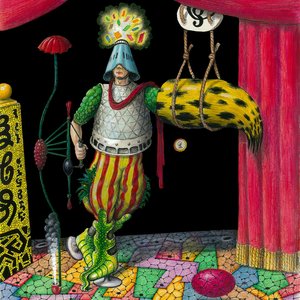
Fish from "Codex Seraphinianus"


 Loe lähemalt
Sellel lehel kuvatav kunstiteos on kaitstud autoriõigusega, mis tähendab, et meil ei ole seaduslikku õigust luua või müüa identset reproduktsiooni. Seda kaitset rakendatakse rahvusvaheliste kokkulepete alusel, nagu näiteks Berne konventsioon ning riiklike seadustega, sealhulgas nendega, mida on sätestatud USA autoriõiguse seadus – 17. peatükk.
See meetod järgib täielikult autoriõiguse reegleid, kuna see ei põhine kaitstud kunstiteose kopeerimisel või dupliteerimisel. Selle asemel on tegu loova reinterpreetatsiooniga – uue maaldisega, mis on algteosest inspireeritud, kuid ei ole sellest identiline.
Giclée / Kunstiprint
Muuseumikvaliteediga giclée- või kangasprint kiire tootmisega ja paindlikud viimistlusvõimalused. ( Telli käsitsi maalitud reproduktsioon Ülemineku digitaalse pildi müügi kanalisse)




































Vali meie eelmääratud suurused, mis vastavad teose algupärastele proportsioonidele.

Sisestage vajalik laius ja kõrgus, et see sobiks teie raamile või seinale. Trükki saab ainult lõigata, seda ei saa kunagi pildist suuremaks teha, seega ka differentse vormiga suurus kaotab osa pildist. Enne trükkimist saadame teile kinnitamiseks digitaalse näidisprojektsiooni. Sellel lehel näidatud pilt ei kujuta reaalset lõiget — seda näitab ainult näidisprojekttsioon.
Ülemaailmne tarne () 2 nädala jooksul, tavalise 4/5 nädala asemel. (27 oktoober)

Tasuta ekspresssaatmine üle maailma

Kõrgekvaliteediline lina-kangastest muld

Täielik transpordikindlustus

Tollimaksude tagastamise garantii

Värvitoime täpsuse garantii

100 päeva tagastusõigus (ainult defektide korral)

100% raha tagasi garantii

Hulgusoodustus
 Klaasivalik on saadaval ainult kuni 110 cm suuruses teostes

Fish from "Codex Seraphinianus"
Giclée / Kunstiprint
Reproduktsiooni mõõtmed
-


Lõppsumma
€ 70
Kunstniku elulugu
Arvamatamatute valdkondade arhitekt
Luigi Serafini, kes sündis Roomas 1949. aastal, 차지ib kaasaegses kuj कल्पनाs eraldiseisvat kohta, toimides nii füüsiliste struktuuride arhitektina kui ka võimatute maailmade kartograafina. Tema teosega kohtumine on kui astumine künnapu sisse, kus piirid reaalsuse ja unistuse vahel hävanevad. Kasvanud kunstilises suguvõsas, oli Serafini varajane elu täidetud vormide ja disaini nüanssidega – alus, mis võimaldas tal hiljem sillata lõimatu arhidektuuri ranguse ja surrealistliku fantaasia vloeva kaosuse. Tema akadeemiline teekond läbi ETH Zürichi ja Milano ülikooli andis talle sügav mullituse ruumilisele dünaamikale, kuid tema tõeline kutsumus peitus keelte ja sümbolite loomises, mis eiravad inimliku mõistuse piiranguid.
Serafini karjääri määrava hetkena – ja ehk ühe ühe kõige olulisema saavutusedena 20. sajandi lõpu kontseptuaalses kunstis – on 1981. aastal ilmunud Codex Seraphinianus. See monumentaalne teos toimib eksisteerimata maailma entsüklopeediana, mida illustreerivad hoolikalt käsitsi joonitud kujendid ja täielikult välja mõeldud tähestik. See Codex ei ole pelgalt raamat; see on sügav provokatsioon lingvistilise tähenduse tiranuse vastu. Esitades kommunikatsioonisüsteemi, mis on tahtlikult dekodeerimatu, sunnib Serafini vaatajat loobuma otsinguist tõelise tõlke järele ja suhtlema selle asemel puhta, visceraalsete visuaalse perseptsiooni jõuga. Selle lehtedel eksisteerivad koos bioloogilised anomaaliad, surrealistlikud moemustrid ja kummalised botaanilised näidised kaunis ning rahutuses harmoonia seisundis.
Metakeele ja vormi sümfoonia
Tema kuulsa kodeksi salapäraste piiride taga on Serafini kunstiline evolutsioon märganud vältimatut püüdlust "metakeele" järele – viisi kommunikeerida esemete kaudu, mis asuvad traditsioonilise semiootika väljaspool. Tema praktikat iseloomustab erakordne mitmekülgsus, liikudes sujuvalt arhidektuurse disaini struktuaalsest täpsusest keraamilise skulptuuri lummavate tekstuuride ja balletisetappide teatraalse grandioossuseni. Iga meedium toimib vasina tema fassinisatsioonile kummalise ja nähtmatu vastu. Tema skulpturaalsetes püüdlustes on leitav vormi taktile uurimine, mis peegeldab tema illustratsioonides esinevaid organilisi, kuid võõraid kujusid, luues ühtse universumi, kus füülinne ja kujutlik on omavahel lahutamatu seotud.
Tema töös ilmnev tehniline meistriklass on lihtsalt hinget lõikav. Olgu ta siis loovimas väljendiks võõra moemustri keerukaid ja vibrantseid mustreid või üleskulptuurides keerukaid, mitmekihilisi objekte, seal on kättestamatult aistitav hoolikas detailide tähenduslikkus. Tema võime tekitada emotsioone puhtalt esteetiliste vahendite kaudu – ilma tuttavast keelest tugimata – on see, mis tõstab tema töö pelgast fantaasiast sügavaks filosoofiliseks uurimiseks. Ta kutsub meid arutlema eksistentsi olemuse ja meie enda mõistmise süsteemide habrasuse üle. Oma kunstiga julgustab ta vaatajat omakatsuma teadmata müüri, leidma ilu just nendest asjadest, mis jäävad igavesti meie kättejõuetuse piiridesse.
Pärand ja lõplik horisont
Luigi Serafini ajalooline tähtsus peitub tema võimes väljakutsuda fundamentaalset suhet jälgija ja jälgitava vahel. Ajastul, mida domineerib kiire infoümbist ja pidev selguse nõue, pakub Serafini ambiguususe varjupaik. Tema töö seisab kui tunnistus kuj कल्पना jõu püsivusele ja võimalusele luua tähendust puhta esteetilise kogemuse kaudu. Ta on muutanud kaasaegse disaini maastiku põhiliselt, tõestades, et kunst võib toimida täielikult sõltumatult keelepidest või kultuuristest süsteemidest.
Tänapäeval on nähtav Serafini visioonilise lähenemise mõju erinevates valdkondades, alustades surrealistlikust illustratsioonist kuni eksperimentaalsete tippograafiate ja kontseptuaalsete installatsioonideni. Tema pärand ei asu üheski liikumises, vaid püsivas fassinatsioonis "tõlkimatu" vastu. Jatkades meie teekonda üha keerukamasse maailma, jäävad Codex Seraphinianus salapärased maastikud ja tema metakeeleobjektide taktilel ilul asendamatuks meeldetuletuseks, tuletades meile meelde, et sügavamad tõded on sageli need, mida ei saa sõnadega väljendada, vaid ainult tunda.
Luigi Serafini
1949 - , Italia
Lühikest infot
- Artistic Movement Or Style: Futuuristlik kunst
- Artists Who Influenced This Artist:
- Carlo Scarpa
- Franco Maria Ricci
- Date Of Birth: 4. august 1949
- Full Name: Luigi Serafini
- Nationality: Itaalia
- Notable Artworks:
- Codex Seraphinianus
- "Codex Seraphinianus" kirurgid
- Tõmmis Codex Seraphinianusest
- Place Of Birth: Rooma, Itaalia