Tellimaks maali Osta digipilt
 Saada
Saada
 Jaga
Jaga
 Teave teose kohta
 Lisa lemmikutesse

 Laadi alla
 Sarnased teosed
 Röntgenuuring
 Slaidietendus
Kalas
 Akrüülkainal
- Seinakunst
- Baroque
 1730
1730 131.0 x 83.0 cm
 Venaria Reale palee
 Loe lähemalt
Giclée / Kunstiprint
Muuseumikvaliteediga giclée- või kangasprint kiire tootmisega ja paindlikud viimistlusvõimalused.




P118B $10

P118H $10

P118W $10

P438Z $10

P508JH $12

P508YH $12

P805H $10

P805Z $10

P919BZ $10

P919G $10

P919XJ $10

P959ZH $10

P968JZ $12

W106C $8

W218G $10

W218JH $8

W218Y $10

W307PJ $10

W316G $10

W316PJ $8

W316Y $10

W398PJ $8

W4111J $10

W500HY $15

W500JH $15

W692G $12

W849H $8

W940BG $15

W953PJ $8




Vali meie eelmääratud suurused, mis vastavad teose algupärastele proportsioonidele.

Saate sisestada oma mõõdud, et need sobiks konkreetse raami või ruumi sisse. Kui valitud suurus ei vasta originaalteose proportsioonidele, lõigame teose ära või laiendame pilti peegeldatud või ühtlase servaga. Enne tootmisprotsessi algust saadetakse Teie kinnitamiseks digitaalne näidis.
Palun märka, et ekraanil kuvatav eelvaade ei kajasta tegelikku lõigamist või laiendamist. Ainult näidis kujutab täpselt lõplikku kompositsiooni.
Kuigi erimõõdu on saadaval, soovitame originaaproportsioonide säilitamiseks valida mõõt ette määratud nimekirjast.
Ülemaailmne tarne () 2 nädala jooksul, tavalise 4/5 nädala asemel. (22 juuli)

Tasuta ekspresssaatmine üle maailma

Kõrgekvaliteediline linakangas

Täielik transpordikindlustus

Tollimaksude tagastamise garantii

Värvitoime täpsuse garantii

60-päevane tagastusõig: ainult tootmisdefektide korral

100% raha tagasi garantii

Hulgusoodustus
 Klaasivalik on saadaval ainult suuruses kuni 110 cm

Kalas
Giclée / Kunstiprint
Reproduktsiooni suurus
-


Kogusumma
-
Kogumuse kirjeldus
Luigi Prinotto’s “Scrivania”: A Window into Baroque Turin
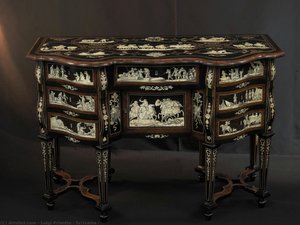
The painting "Scrivania" by Luigi Prinotto, completed in 1730, offers a captivating glimpse into the artistic landscape of Turin during the Baroque period. More than just a depiction of a desk and its surroundings—though meticulously rendered with impressive detail—the artwork speaks volumes about the intellectual and cultural currents shaping aristocratic life in Italy at the time. Prinotto’s masterful use of chiaroscuro, characteristic of the Mannerist tradition he embraced under Vouet's tutelage, imbues the scene with an atmosphere of solemn contemplation mingled with lively activity.- Subject Matter: The composition centers around a richly furnished desk—a symbol of erudition and administrative power—populated by several figures engaged in conversation or paperwork. A prominent elephant adds an element of exoticism, reflecting the burgeoning interest in exploration and natural history prevalent during the Enlightenment.
- Style & Technique: Prinotto’s style aligns closely with Mannerism, prioritizing stylized forms and dramatic lighting over realistic representation. He meticulously copied works by Bassano and Caravaggio, absorbing their innovative approaches to portraying light and shadow—a technique that elevates the painting beyond mere visual accuracy. The artist skillfully employs oil paint on canvas, achieving a velvety texture and vibrant colors that capture the grandeur of Baroque aesthetics.
Historical Context: Turin’s Artistic Flourishing Turin in the early 18th century was experiencing a remarkable artistic revival thanks to the patronage of Savoy dukes who recognized the importance of art as a tool for prestige and cultural advancement. The influence of Rome—where Prinotto spent formative years—was palpable, fostering an environment conducive to experimentation and stylistic innovation. This painting exemplifies the grandeur and sophistication associated with aristocratic interiors during this era, mirroring the broader artistic trends sweeping across Europe.
Symbolism & Emotional Resonance Beyond its formal qualities, “Scrivania” carries symbolic weight. The desk itself represents intellect and governance, while the elephant embodies curiosity and worldly knowledge—themes central to Enlightenment thought. Prinotto’s masterful manipulation of light creates a sense of drama and invites contemplation, prompting viewers to consider the complexities of human interaction and ambition. The painting evokes feelings of serenity alongside an awareness of the pressures inherent in maintaining social status.
A Reproduction Worth Admiring OriginalUniqueArt.com presents a stunning high-quality reproduction of Luigi Prinotto’s “Scrivania,” allowing art enthusiasts to experience the beauty and artistry of this Baroque masterpiece firsthand. This faithful rendition captures the essence of Prinotto's original vision, transporting viewers back to Turin’s vibrant cultural milieu and celebrating the enduring legacy of Mannerist painting. Explore the artwork at here.
Kunstniku elulugu
Claude François (Frère Luc): A Life Painted in Faith and Light
Claude François, more intimately known as Frère Luc – a name bestowed upon him after his dedication to the Recollets order – stands as a compelling figure within 17th-century French art. Born in Amiens around 1614, his early life was marked by a fascination with drawing and an apprenticeship under Simon Vouet, a prominent Mannerist painter in Paris. This initial training provided him with a solid foundation, but it was his subsequent journey to Rome that truly shaped his artistic vision. There, amidst the echoes of the Old Masters, he honed his skills, meticulously copying works by giants like Jacopo Bassano and absorbing their techniques – particularly the masterful use of light and shadow. A pivotal moment in his life occurred during a youthful fall from a church tower; this event, recounted with dramatic detail, became intertwined with a promise to dedicate his life to religious service, solidifying his path towards monasticism.The Recollets and a Journey to New France
In 1670, Claude François embraced the Recoletos (Recollets) order in Châlons-en-Champagne, adopting the moniker Frère Luc. This transition marked a significant shift in his artistic focus, moving away from purely secular commissions and towards devotional works intended to inspire faith. His time within the monastery was not merely one of quiet contemplation; he actively contributed to the embellishment of sacred spaces, notably designing the reconstruction of Quebec’s monastery and seminary – a testament to his practical skills and dedication. However, his artistic spirit extended beyond France's borders, leading him to New France (Canada) in 1670. During his fifteen-month sojourn, Frère Luc produced a series of monumental religious paintings, most notably *La Sainte Famille à la Huronne* (The Holy Family with a Huron Woman), which remains a significant work reflecting the complexities and nuances of early colonial encounters. These canvases served as powerful visual narratives for the burgeoning Catholic community in Quebec City, bridging European artistic traditions with Indigenous perspectives.Style and Influences: A Harmonious Blend
Frère Luc’s artistic style is characterized by a remarkable synthesis of influences – a harmonious blend of Mannerism, Raphael's grace, and the dramatic lighting techniques of Italian masters. His early works, particularly those produced in Rome, demonstrate a clear admiration for Raphael, mirroring his compositional clarity, balanced forms, and refined elegance. However, he wasn’t merely a copyist; he infused these influences with a distinctly French sensibility, employing a softer palette and a more intimate portrayal of figures. The impact of Flemish genre painting, particularly the work of Adriaen Brouwer, is also evident in his depictions of peasant life – scenes rendered with a keen eye for detail, capturing both the humor and the hardship of everyday existence. Furthermore, elements of Caravaggio’s dramatic chiaroscuro are subtly integrated into his compositions, creating a sense of depth and emotional intensity.Notable Works and Legacy
Among Frère Luc's most celebrated works are *L'Assomption de la Vierge* (The Assumption of the Virgin), created at a remarkably young age in Amiens, and his series of paintings for the Jacobin church – including a copy of Bassano’s *Assumption*. His portrait of Saint Augustine presenting a dead child to the Madonna and Child, with a canvas showing his fall into the Somme behind the Virgin, is a poignant example of his ability to imbue religious subjects with personal narrative. His contributions to Quebec City's artistic landscape were particularly significant, establishing a precedent for large-scale devotional paintings that would shape the visual identity of the nascent colony. While often overshadowed by more prominent figures of the era, Claude François (Frère Luc) remains a vital figure in French art history – an artist who seamlessly combined religious devotion with technical mastery and a profound understanding of human experience.Connections to Other Artists
Frère Luc’s artistic journey reveals intriguing connections to other prominent figures of the 17th century. His early training under Simon Vouet, a key figure in the development of French portraiture, laid the groundwork for his subsequent career. The influence of Domenichino, Raphael's student, is also apparent in his meticulous attention to detail and compositional balance. Furthermore, his time in Rome exposed him to the works of Jacopo Bassano, whose dramatic use of light and color profoundly impacted his own style. The echoes of Adriaen Brouwer’s genre paintings are particularly noticeable in his depictions of peasant life, suggesting a shared interest in capturing the realities of everyday existence. Finally, his work with Jean-Marc Nattier during the later years of his career demonstrates a continued engagement with portraiture and a mastery of fashionable artistic trends.
luigi prinotto
1685 - 1780 , Italy
Lühikesed faktid
- Artistic Movement Or Style: Baroque
- Artists Or Movements Influenced By This Artist:
- Jacopo Bassano
- Jean-Marc Nattier
- Artists Who Influenced This Artist:
- Simon Vouet
- Raphael
- Date Of Birth: 1614
- Date Of Death: 1685
- Full Name: Claude François (Frère Luc)
- Nationality: French
- Notable Artworks:
- Assumption of the Virgin
- Saint Augustine's Vision
- Place Of Birth: Amiens, France
Seotud artiklid
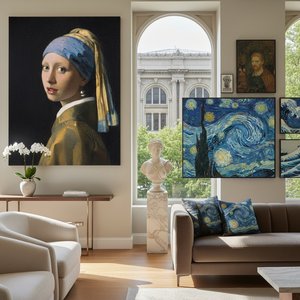
Metropolitani Muuseumi 25 Kunsti Helmi: Ajaloo ja Ilu Teekond OriginalUniqueArt'is
Avastage Metropolitani muuseumi 25 kõige ikoonilisemat kunstiteost! Sukeldume maalikunstnike maailma, impressionismi võlu ja ajalooliste värvikombinatsioonide sisse. Leidke täiuslik seina kaunistus OriginalUniqueArt'is – kvaliteetsed reproduktsioonid ja sisustus ideed. Avastage kogu kollektsioon online!
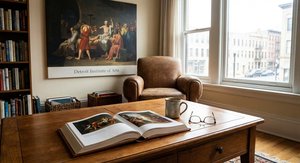
DIA Kunsti Tipud: 25 Silmapaistvat Teost Detroitis | OriginalUniqueArt
Avastage Detroit Kunstimuuseumi 25 silmapaistvat teost! Van Goghist Rembrandti – lugusid, tehnikaid ja ajatuid meistriteoseid. Leidke inspiratsiooni kodukaunistamiseks OriginalUniqueArt.com-is. Vaadake kogu kollektsiooni online!
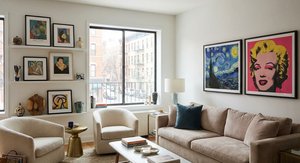
MoMA Top 25: Kunstiimed New Yorgis – Kollektsioon OriginalUniqueArt.com'is
Avastage MoMA 25 ikoonilist kunstiteost! Van Goghist Picassoni – lugusid, tehnikaid ja ajatuid meistriteoseid. Leidke täiuslik maali interjööri OriginalUniqueArt.com'is. Vaadake kogu kollektsiooni online!
Rahvusgalerii parimad 25 teost Washingtonis: Kunsti meistriteosed kodus
Avastage Rahvusgalerii Washingtoni 25 parimat teost! Sukeldu Cézanne'i, Matisse'i ja Picasso maalidest inspireeritud kunstiajalukku. Leidke täiuslik seinakaunistus või luksuslik reproduktsioon kodusse OriginalUniqueArt.com-is. Vaadake kogu kollektsiooni online!

James Abbott McNeill Whistler: 25 meistriteost kunstikollektsioonis | OriginalUniqueArt.com
Avastage James Abbott McNeill Whistler'i 25 võrratut meistriteost! Sukelduge esteetilisse kunstimaailma, õppige tema maalitehnikatest ja leidke täiuslik seina kaunistus OriginalUniqueArt.com-ist. Kunstikollektsioonid & reprodutsioonid.