

 Vaata sisu
 Jaga teost
 Jaga
Jaga
 Detailid
 Õppekate juhend

 Laadi alla
 Sarnased teosed
 Röntgenuuring
 Slaidietendus
 Statistika
Deafness letter
 Manuscript
 1801
1801- 19th Century
 23.0 x 18.0 cm
 Beethoven-Haus Bonn
 Loe lähemalt
Käsitsi valmistatud õlimaalireproduktsioon
Meie kunstnike poolt tellimusel valmistatud käsitsi maalitud õli-kainaste teos teie soovitud suuruses ja raamis. ( Lülita trükkitoodetele Ülemineku digitaalse pildi müügi kanalisse)




P118B €10

P118H €10

P118W €10

P438Z €10

P508JH €12

P508YH €12

P805H €10

P805Z €10

P919BZ €10

P919G €10

P919XJ €10

P959ZH €10

P968JZ €12

W106C €8

W218G €10

W218JH €8

W218Y €10

W307PJ €10

W316G €10

W316PJ €8

W316Y €10

W398PJ €8

W4111J €10

W500HY €15

W500JH €15

W692G €12

W849H €8

W940BG €15

W953PJ €8




Vali meie eelmääratud suurused, mis vastavad teose algupärastele proportsioonidele.

Sisestage vajalik laius ja kõrgus, et teos sobiks teie raamile või seinale. Kuna tegu on käsipainatud teosega, siis erineva kujuga suuruse korral võib kunstnik jätta pildi ümber veidi rohkem marginaali või lõigata osa ära — valik on teie. Enne maali alustamist saadame teile kinnitamiseks digitaalse näidisprojektsiooni. Sellel lehel näidatud pilt ei kajasta tegelikku tulemust — seda näitab ainult näidisprojekttsioon.
Pärast tellimust saadab OriginalUniqueArt.com meeskond kliendile e-posti juhised ning esitab eelvaate kavandi
Maailmline tarne 3–4 nädala jooksul tavalise 5 nädala asemel. (26 oktoober). Kvaliteedis kompromisse ei tehta.

Tasuta ekspresssaatmine üle maailma

Kõrgekvaliteediline lina-kangastest muld

Täielik transpordikindlustus

Tollimaksude tagastamise garantii

Värvitoime täpsuse garantii

100 päeva tagastusõigus (ainult defektide korral)

100% raha tagasi garantii

Hulgusoodustus
 Klaasivalik on saadaval ainult kuni 110 cm suuruses teostes

Deafness letter
Reproduktsiooni materjal
Reproduktsiooni mõõtmed
-


Lõppsumma
€ 263
A Window into the Soul of a Genius
In the quiet intimacy of a single sheet of paper, we find one of the most profound intersections of human suffering and artistic resilience. The Deafness Letter, penned by Ludwig van Beethoven in 1801, is far more than a mere historical artifact; it is a visceral, handwritten fragment of a soul in crisis. This piece captures the moment when the composer, facing the terrifying onset of auditory loss, reached out to his brothers, Caspar Carl and Karl. The painting of this letter does not merely replicate ink on parchment; it breathes life into the frantic, cursive script that serves as a testament to a man grappling with the potential end of his musical world. To behold this work is to witness the raw, unvarnished vulnerability of a titan of the Classical era.
The visual composition of the piece draws the eye through the rhythmic flow of old-fashioned German handwriting, where certain words emerge with greater weight and urgency than others. The technique employed in this reproduction masterfully captures the texture of aged paper, evoking the tactile sensation of 19th-century correspondence. There is a haunting beauty in the way the light interacts with the simulated grain of the page, highlighting the delicate strokes of the quill. For the collector or the lover of history, the painting serves as a bridge to the past, offering a stylistic window into the transition from the structured elegance of the Classical period to the turbulent, emotional depths of the Romantic era.
The Weight of Silence and Symbolism
Beyond its historical significance, the Deafness Letter carries a profound symbolic weight that resonates with anyone who has faced insurmountable odds. The script itself becomes a metaphor for Beethoven’s struggle; the flowing lines represent the continuity of his creative spirit, even as the physical sensation of sound began to fade. There is a poignant tension held within the ink—a struggle between the silence encroaching upon his life and the enduring power of his musical voice. For interior designers seeking to add depth to a space, this piece offers an intellectual and emotional anchor, providing a conversation starter that speaks to themes of perseverance, legacy, and the indomitable human will.
Integrating such a piece into a curated collection or a sophisticated living space allows for a contemplative atmosphere. It is not merely a decoration but an invitation to reflect on the triumphs that emerge from tragedy. As a high-quality reproduction, it brings the gravity of Beethoven’s personal history into the modern home, wrapped in an aesthetic of timelessness. Whether placed in a study filled with books or as a focal point in a gallery-style room, the Deafness Letter commands attention through its quiet, melancholic dignity, reminding us that even in the face of profound loss, the music of the human spirit never truly ceases.
Küsimused ja vastused
Kust saan näha originaalteost „Deafness letter“, autor Ludwig Van Beethoven?
Originaalteost "Deafness letter" saab vaadata Beethoven-Haus Bonn, Bonn, Saksamaa-is.
Millest tunnest on "Deafness letter" seotud?
Teose „Deafness letter“, autor Ludwig Van Beethoven kirjeldatud emotsionaalne toon on Melancholic. See kokkuvõtab tunnet, mida teos väljendab.
Kuna teose kuupäev on määratud, millesse Ludwig Van Beethoven karjääri etappi kuulub teos "Deafness letter"?
Aasta 1801 asetab teose "Deafness letter" Ludwig Van Beethoven loomingulise arengu perioodi Middle Period etappusesse.
Kunstniku elulugu
varajane elu ja muusikalised algused
ludwig van beethoven, kuulus saksa helilooja ja pianist, sündis 1770. aastal Bonn, Saksamaal. Demonstreerides oma muusikilist andekust juba noores eas, alustas ta õppimist erinevate õpetajate juures enne Viini asustamist, kus ta veetas suure osa oma elust.muusikalised uuendused ja kuulusaud
despite suffering from deafness for much of his career, beethoven continued to compose some of the most iconic pieces of classical music, including ludwig van beethoven, kuulus saksa helilooja ja pianist, sündis 1770. aastal Bonn, Saksamaal. Demonstreerides oma muusikilist andekust juba noores eas, alustas ta õppimist erinevate õpetajate juures enne Viini asustamist, kus ta veetas suure osa oma elust.muusikalised uuendused ja kuulusaud
hoolimata sellest, et tema karjääri suure osa saabus kuulusaudaga, jätkas Beethoven klassikalise muusika mõne kõige ikoonilisema teose loomist, sealhulgas 9. sümfoonia ja Kuuvalgus sonaat. Tema innovatiivsed kompositsioonid ühendasid vokaalpartii ja instrumentid, luues unikaalse helimaailma, mis on sajandite jooksul mõjutanud lugematuid muusikaeesdaleid.olulised teosed ja pärand
mõned Beethoveni silmapaistvad teosed hõlmavad:- sonaat klaverile ja madistile (A-duur) op. 69, 1. osa (saadavad saidil OriginalUniqueArt.com)
- Beethoveni Missa Solemnisi käsikirja (vaadeldav Wikipedia lehel)
- kolm opus 1 klaverisonaati, mille toetajaks sai prints Karl Alois Lichnowsky
mõju ja maine
Beethoveni suurim saavutus oli tõsta instrumentaalmuusika, mida varem peeti vokaalmuusikast madalamaks, kunstilise loomingu kõrgeimale tasemele. Tema mõju klassikalisele muusikale on mõõdamatu, ning tema teosed kuuluvad repertuaari kõige enim esitatavate Among. avastage veel Beethoveni töuid saidil OriginalUniqueArt.com: ludwig van beethoven | 30 teost lugege rohkem Beethoveni elu ja muusika kohta Wikipediast: ludwig van beethoven - wikipedia
Ludwig Van Beethoven
1770 - 1827 , Saksamaa
Lühikest infot
- Artistic Movement Or Style: Klassikaline romantilism
- Artists Or Movements Influenced By This Artist:
- Johannes Brahms
- Robert Schumann
- Artists Who Influenced This Artist:
- Franz Joseph Haydn
- Christian Gottlob Schulze
- Date Of Birth: 1770 Bonn, Saksamaa
- Date Of Death: 1827 Viin, Austria
- Full Name: Ludwig van Beethoven
- Nationality: Saksa
- Notable Artworks:
- Kuutoonik (Moonlight Sonata)
- 9. sümfoonia
- Place Of Birth: Bonn, Saksamaa
Sarnased artiklid
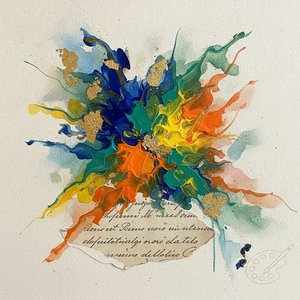
Mastering Acrylic on Paper: An Expert Guide to Texture, Color Theory, and Modern Techniques
Elevate your artistry with our expert guide to acrylic on paper. Master advanced techniques in texture, color theory, and layering to create professional-grade modern masterpieces. Perfect for art students seeking technical depth and creative excellence.
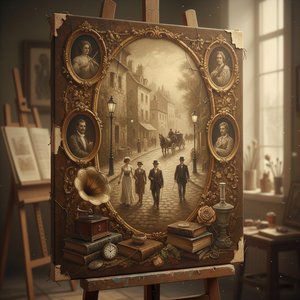
Echoes of Time: Nostalgia, Technique & Cultural Significance in Vintage Paintings
Explore the captivating world of vintage paintings! Discover key styles, cultural significance & collecting tips from art experts at OriginalUniqueArt. Find authentic reproductions and elevate your home décor.

Mastering Ink on Paper: The Timeless Art of Precision, Flow, and Calligraphic Heritage
Explore the profound mastery of ink on paper. From Japanese haiku traditions to Ming Dynasty calligraphy, discover the delicate balance of precision and flow that defines this timeless art form through an expert historical lens.

German Expressionism's 10 Defining Masterpieces | Art for Your Home
Explore 10 defining German Expressionism masterpieces – from Munch's 'The Scream' to Kandinsky’s abstracts. Discover the artists, stories & bold colors behind this powerful art movement. Find museum-quality reproductions at OriginalUniqueArt.com.
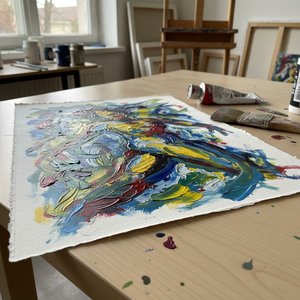
Acrylic on Paper: A Modern Canvas for Contemporary Expression
Explore the versatility of acrylic painting on paper! Discover expert techniques, artist insights & archival practices for creating stunning contemporary art. Learn more at OriginalUniqueArt.