

 Vaata sisu
 Jaga teost
 Jaga
Jaga
 Detailid
 Õppekate juhend

 Laadi alla
 Sarnased teosed
 Röntgenuuring
 Slaidietendus
 Statistika
Card Players
 Oil On Panel
- Renaissance Humanism
 1525
1525 40.0 x 50.0 cm
 Thyssen-Bornemisza Museo
 Loe lähemalt
Giclée / Kunstiprint
Muuseumikvaliteediga giclée- või kangasprint kiire tootmisega ja paindlikud viimistlusvõimalused. ( Telli käsitsi maalitud reproduktsioon Ülemineku digitaalse pildi müügi kanalisse)




P118B €10

P118H €10

P118W €10

P438Z €10

P508JH €12

P508YH €12

P805H €10

P805Z €10

P919BZ €10

P919G €10

P919XJ €10

P959ZH €10

P968JZ €12

W106C €8

W218G €10

W218JH €8

W218Y €10

W307PJ €10

W316G €10

W316PJ €8

W316Y €10

W398PJ €8

W4111J €10

W500HY €15

W500JH €15

W692G €12

W849H €8

W940BG €15

W953PJ €8




Vali meie eelmääratud suurused, mis vastavad teose algupärastele proportsioonidele.

Sisestage vajalik laius ja kõrgus, et see sobiks teie raamile või seinale. Trükki saab ainult lõigata, seda ei saa kunagi pildist suuremaks teha, seega ka differentse vormiga suurus kaotab osa pildist. Enne trükkimist saadame teile kinnitamiseks digitaalse näidisprojektsiooni. Sellel lehel näidatud pilt ei kujuta reaalset lõiget — seda näitab ainult näidisprojekttsioon.
Ülemaailmne tarne () 2 nädala jooksul, tavalise 4/5 nädala asemel. (25 oktoober)

Tasuta ekspresssaatmine üle maailma

Kõrgekvaliteediline lina-kangastest muld

Täielik transpordikindlustus

Tollimaksude tagastamise garantii

Värvitoime täpsuse garantii

100 päeva tagastusõigus (ainult defektide korral)

100% raha tagasi garantii

Hulgusoodustus
 Klaasivalik on saadaval ainult kuni 110 cm suuruses teostes

Card Players
Giclée / Kunstiprint
Reproduktsiooni mõõtmed
-


Lõppsumma
€ 70
The Quiet Intensity of “Card Players” by Lucas van Leyden
Lucas van Leyden’s “Card Players,” painted in 1525, is more than just a depiction of a game; it's a meticulously crafted snapshot of a burgeoning social world. Often referred to as the "Genesis of a Game," this oil-on-panel work offers a rare glimpse into the lives and leisure activities of the early 16th century Netherlands – a period marked by both artistic innovation and profound societal shifts. Van Leyden, a master painter and engraver deeply influenced by both Italian Renaissance ideals and his native Flemish traditions, has created an image that resonates with quiet intensity and unspoken narratives, inviting viewers to contemplate the complexities of human interaction.
The painting’s origins are rooted in the evolving social landscape of Europe. As urban centers flourished, new forms of social engagement emerged, and card games – previously largely confined to aristocratic circles – began to gain popularity among merchants, artisans, and a rising middle class. Van Leyden brilliantly captures this transformation by presenting not a grand tournament or formal competition, but a private gathering—a moment of shared camaraderie amidst the everyday realities of life. The composition itself is carefully orchestrated; the three figures are arranged in a dynamic triangular formation, drawing the eye to each individual while simultaneously suggesting an interplay between them – a silent conversation unfolding beneath the surface.
A Study in Detail: Technique and Composition
Van Leyden’s technical mastery is immediately evident. Every detail, from the folds of the clothing to the glint of light on the cards, is rendered with painstaking precision. The artist employs a masterful use of chiaroscuro – the dramatic contrast between light and shadow – to sculpt the figures, creating a sense of depth and volume that draws the viewer into the scene. Notice how the dark background serves to isolate the players, intensifying their presence and emphasizing their engagement with the game. The meticulous rendering of textures—the rough weave of the robes, the smooth surface of the cards—adds a remarkable level of realism, while the subtle variations in color contribute to the overall sense of atmosphere.
Furthermore, Van Leyden’s compositional choices are deliberate and sophisticated. The triangular arrangement of figures creates visual stability and directs the viewer's eye across the canvas. The placement of the women, particularly the central figure with her elaborate headdress, subtly asserts a position of authority within the group—a reflection of the changing roles of women in society during this period. The use of perspective, though not entirely linear, contributes to the illusion of depth and space, further immersing the viewer in the scene.
Symbolism and Context: A Window into Renaissance Life
Beyond its technical brilliance, “Card Players” is rich in symbolic meaning. The game itself represents more than just a pastime; it symbolizes social status, wealth, and intellectual engagement. The piles of gold coins scattered on the table are a clear indication of prosperity and success—a key aspiration for many merchants and artisans during this era. The cards themselves can be interpreted as metaphors for chance, fortune, and the unpredictable nature of life. The quiet expressions on the faces of the players suggest a blend of concentration, anticipation, and perhaps even a touch of rivalry.
Moreover, the painting reflects the humanist ideals that were gaining prominence during the Renaissance. Van Leyden’s focus on human interaction and everyday life—rather than grand historical events or religious narratives—aligns with this broader cultural shift. The scene is not idealized; it's grounded in reality, offering a nuanced portrayal of social dynamics and the complexities of human relationships. The painting serves as a testament to the Renaissance fascination with observing and representing the world around us.
Emotional Resonance: A Moment Frozen in Time
“Card Players” possesses a remarkable emotional resonance that transcends its historical context. Despite the lack of overt drama, the painting evokes a sense of quiet intensity—a feeling of being privy to a private moment of connection and shared experience. The subtle expressions on the faces of the players invite viewers to speculate about their thoughts and feelings, creating a powerful sense of empathy. The scene is both familiar and enigmatic, capturing the timeless appeal of human interaction and the enduring fascination with games of chance.
Whether viewed as a historical document, an artistic masterpiece, or simply a captivating image, “Card Players” continues to resonate with audiences today—a testament to Lucas van Leyden’s skill as a painter and his profound understanding of the human condition.
Küsimused ja vastused
Kas on "Card Players" kuulus Renaissance Humanism suunaga teos?
Teos "Card Players" on kataloogis Renaissance Humanism suunaga teoste seas registreeritud kui Recognized.
Milleks on teose „Card Players“, autor Lucas Van Leyden reproduktsiooni soovitatud kasutada?
Teose „Card Players“, autor Lucas Van Leyden reproduktsiooni kasutamist on soovitatav Neutral jaoks. See soovituse on tulenev teose motiivist, meelelojast ja värvigabast.
Kas teos "Card Players" on tüüpiline selle, mida Lucas Van Leyden tavaliselt lõi?
"Card Players" kujutab teemasid card game, social scene, renaissance, netherlands, humanism, leisure, composition, samal ajal kui Lucas Van Leyden tuntud teemad on italian renaissance, flemish realism, social interaction, humanist values, gambling, leisure activities common, early netherlandish printmaking mastery, van leyden's genre painting focus. Nende kahe võrdlemine näitab, kuidas teos seobub kunstniku tavalistega motiividega.
Kunstniku elulugu
Varajane Elu Ja Koolkonna Algus
Lucas van Leyden, sündinud 1494. aastal Leidenis Hollandis, oli hollandi maalikunstnik ja graafikakunstnik, kelle lühike elu jäi täis erakordset loovust ja uuenduslikku kunsti. Ta kasvas kunstiperekonnas – tema isa, Huygh Jacobsz, oli samuti maalija ning just tema juures Lucas oma kunstialase hariduse alustas. See varajane õpetus andis talle kindla vundamendi ning võimaldas tal kiiresti areneda. 1508. aastal liitus ta Cornelis Engelbrechtszi ateljeega, kus ta täiendas oma oskusi ja avastas uusi tehnikaid. Just sel perioodil hakkas Lucas kujunema iseseisva kunstnikuna, kelle loomingus eristus juba varakult oma originaalsusega.Kunstiline Areng Ja Genremaalimise Esimene Laine
Lucas van Leyden oli üks esimesi hollandi genremaalijatest ning silmapaistev graafikameister. Tema varased teosed, mis valmisid umbes 1506.-1512. aastal, iseloomustavad poolpikkusega figuurid ja eriline tähelepanu detailidele. See periood näitab tema ennetavat andekust ja võimet tabada inimlikku emotsiooni. Aastate jooksul arenes Lucas ka maastikumaalija suunas ning ta omandas graafika alal erakordse meisterliku taseme juba väga noorelt. Tema varaseim teadaolev gravüür, “Mohammed ja tapetud munk” (1508), demonstreerib tema oskust kasutada seda kunstivormi täielikult. Ta ei peljanud keerulisi kompositsioone ning julges katsetada erinevate tehnikatega. Lucas van Leyden oli uudne nii oma teemade valikus kui ka nende esitusviisis, mis eristas teda kaasajast.Olulisemad Teosed Ja Iseloomulikud Jooned
Kuusteist maali on kindlalt omistatud Lucas van Leydenile ning need annavad meile põhjaliku ülevaate tema loomingust. Nende hulgas silmapaistvad: “Pime Mehe Ravimine Jerichos”, mis kujutab mitmeid figuure metsase maastiku taustal ja on suurepärane näide tema kompositsioonioskustest; “Paulus apostel”, mis tõestab tema graafikameisterlikkust; ning gravüür “Piimaneitsi” (1510), mis rõhutab tema varajast talenti selles valdkonnas. Tema stiili iseloomustavad värsked värvid ja õhulise perspektiivi tunne, mida hindas ka Albrecht Dürer. Lucas van Leyden ei piirdunud ainult realistliku pildistamisega – ta lisas oma teostesse sügavamat psühholoogilist mõõdet ning püüdles tabada hetke ilu ja õrnust. Tema loomingus on tunda nii renessansi vaimu kui ka hollandi maalimis koolkonna algseid tunnuseid.Muuseumikogud Ja Digitaalne Pärand
Lucas van Leydeni teoseid võib leida erinevates muuseumides üle maailma, sealhulgas Van Goghi Muuseumis Hollandis, kus on ulatuslik kogu tema gravüüre ja maale. Online-platvormid nagu OriginalUniqueArt.com pakuvad põhjalikku valikut tema loomingust, võimaldades kunstihuvilistel uurida tema teoseid detailsemalt. See digitaalne juurdepääs muuseumikogudele on avanud uued võimalused kunsti hindamiseks ja õppimiseks. Lisaks aitab see säilitada Lucas van Leydeni pärandit ning tutvustada tema loomingut laiemale publikule. OriginalUniqueArt.com pakub ka kvaliteetseid reproduktsioone, mis võimaldavad kunstisõpradel nautida tema teoseid oma kodudes.Pärand Ja Mõju Järgmistele Põlvedele
Lucas van Leydeni panus hollandi genremaalimis ja graafikakunstis on vaieldamatu. Tema uuenduslik stiil ja tehniline oskus on teinud temast tuntud kunstniku maailmas. Hollandi kunsti pioneerina jätkab tema pärand inspireerivat nii kunstnikke kui ka kunstihuvilisi. Ta ei peljanud katsetada uusi vorme ning julges väljendada oma ainulaadset visiooni. Tema loomingus on tunda nii renessansi vaimu kui ka hollandi maalimis koolkonna algseid tunnuseid, mis tegi temast olulise lüli kunstiajaloo arengus.- Vaata Lucas van Leydeni teoseid OriginalUniqueArt.com lehel.
- Uuri Van Goghi Muuseumi (Holland) kollektsiooni online-keskkonnas.
- Avasta rohkem hollandi kunstist ja selle pioneertidest OriginalUniqueArt.com blogis.

Lucas Van Leyden
1494 - 1533 , Holland
Lühikest infot
- Artistic Movement Or Style: Varane Madalamaad
- Artists Or Movements Influenced By This Artist: ['Saksa renessanss']
- Artists Who Influenced This Artist: ['Albrecht Dürer']
- Date Of Birth: Leiden, Holland 1494
- Date Of Death: 1533
- Full Name: Lucas Hugensz van Leyden
- Nationality: Hollandlane
- Notable Artworks:
- Pimedaga ravimine
- Püha Paulus
- Piimatüdruk
- Place Of Birth (City And Country): Leiden, Holland
Sarnased artiklid

Jan van Goyen: Master of Dutch Landscape & Atmospheric Perspective
Discover Jan van Goyen, the master of Dutch landscape painting. Explore his subtle technique, atmospheric realism & lasting influence on art history. Learn about this 17th-century pioneer at OriginalUniqueArt.

Golden Light & Dutch Skies: The Timeless Magic of Dutch Golden Age Landscapes
Discover the breathtaking beauty of Dutch Golden Age landscapes. Explore the mastery of light, chiaroscuro, and 17th-century realism through an expert art history lens, celebrating the enduring legacy of the Dutch Masters for discerning collectors and art lovers.

Rembrandti 25 meistriteost: Valgus ja varjud Hollandi kuldajast kunstikollektsioonis
Avastage Rembrandti 25 meistriteost! Hollandi kuldajastu barokkmaalid, portreed ja ajaloolised stseenid. Leidke inspiratsiooni interjööri kujunduseks või soetage luksuslik Rembrandt reproduktsioon OriginalUniqueArt.com-ist. Avastage kogu kollektsioon veebis!

Lucas van Leyden: Innovation & Intimacy in Early Netherlandish Printmaking
Explore the groundbreaking prints of Lucas van Leyden, a Dutch master bridging Gothic detail & Renaissance innovation. Discover his rare works, investment potential, and legacy for discerning collectors.
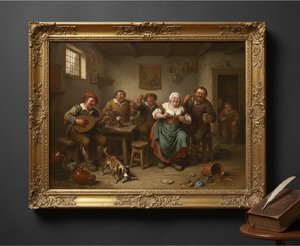
Adriaen van Ostade: A Master of Dutch Genre Painting & Social Commentary
Explore the life & work of Adriaen van Ostade, a leading Dutch Golden Age painter. Discover his realistic genre scenes, social commentary, and lasting influence on art history. Learn more at OriginalUniqueArt.
