Eelvaade
 Saada
Saada Jaga
Jaga
 Teave teose kohta
 Juhend

 Laadi alla
 Sarnased teosed
 Röntgenuuring
 Slaidietendus
 KÜSIMUSED JA VASTUSID
 Statistika
The Judgment of Paris

- 35.0 x 24.0 cm


 Loe lähemalt
Giclée / Kunstiprint
Muuseumikvaliteediga giclée- või kangasprint kiire tootmisega ja paindlikud viimistlusvõimalused. ( Osta käsitsi maalatud teos Lülita digitaalse pildi juurde)




P118B €10

P118H €10

P118W €10

P438Z €10

P508JH €12

P508YH €12

P805H €10

P805Z €10

P919BZ €10

P919G €10

P919XJ €10

P959ZH €10

P968JZ €12

W106C €8

W218G €10

W218JH €8

W218Y €10

W307PJ €10

W316G €10

W316PJ €8

W316Y €10

W398PJ €8

W4111J €10

W500HY €15

W500JH €15

W692G €12

W849H €8

W940BG €15

W953PJ €8




Vali meie eelmääratud suurused, mis vastavad teose algupärastele proportsioonidele.

Sisestage vajalik laius ja kõrgus, et see sobiks teie raamile või seinale. Trükki saab ainult lõigata, seda ei saa kunagi pildist suuremaks teha, seega ka erineva mustega suurus kaotab osa pildist. Enne trükkimist saadame teile kinnitamiseks digitaalse näidisprojektsiooni. Sellel lehel näidatud pilt ei kujuta reaalset lõiget — seda näitab ainult näidisprojektsioon.
Ülemaailmne tarne () 2 nädala jooksul, tavalise 4/5 nädala asemel. (3 november)

Tasuta ekspresssaatmine üle maailma

Kõrgekvaliteediline lina-kangas

Täielik transpordikindlustus

Tollimaksude tagastamise garantii

Värvitoime täpsuse garantii

100 päeva tagastusõigus (ainult valmistusdefektide korral)

100% raha tagasi garantii

Hulgusoodustus
 Klaasivalik on saadaval ainult kuni 110 cm suuruses teostes

The Judgment of Paris
Giclée / Kunstiprint
Reproduktsiooni suurus
-


Koguhind
€ 72
A Moment of Divine Contest: Lucas Cranach’s “The Judgment of Paris”
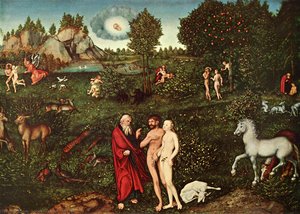
Lucas Cranach the Elder's "The Judgment of Paris," painted around 1530, isn’t merely a depiction of a classical myth; it’s a vibrant tableau brimming with psychological tension and Renaissance artistry. Housed within the Metropolitan Museum of Art in New York, this oil on panel offers a rare glimpse into the mind of a master navigating the complexities of religious reform and courtly patronage. Cranach, born in Kronach, Germany, skillfully blends Northern European realism with the idealized beauty favored by his patrons, creating an image that resonates far beyond its mythological subject matter.
The scene unfolds with arresting immediacy: Paris, a young prince radiating both arrogance and vulnerability, sits poised on the ground, the fate of Olympus resting upon his decision. Around him gather a cluster of elegantly nude women – not simply passive figures, but active participants in this pivotal moment. Their postures are subtly varied, reflecting their individual reactions to the goddesses vying for Paris’s favor: Juno, goddess of marriage and strategic alliances; Minerva, patron of wisdom and warfare; and Venus, the embodiment of love and beauty. Cranach's meticulous attention to detail is evident in the rendering of each woman’s form – the delicate curve of a shoulder, the subtle play of light on skin, all executed with a precision that speaks volumes about his technical mastery.
The Dance of Symbols: Interpreting Cranach’s Composition
Beyond the immediate narrative, “The Judgment of Paris” is rich in symbolic language. The two magnificent horses flanking the scene are particularly noteworthy. One, positioned to the left, embodies strength and martial prowess – a clear reference to Minerva. Its powerful musculature and alert stance suggest the potential for conflict and conquest. Conversely, the horse on the right, more graceful and subtly adorned, represents Venus’s influence: beauty, allure, and the promise of pleasure. The arrangement isn't arbitrary; it establishes a visual dialogue between these competing forces, mirroring the complex dynamics at play in Paris’s choice.
The background, dominated by a simple tree, serves as a grounding element, anchoring the scene within the natural world – a deliberate contrast to the idealized figures and divine drama unfolding before us. The bowls and cups held by some of the women aren't just props; they symbolize offerings, gestures of respect, and perhaps even veiled attempts to sway Paris’s judgment. Even the positioning of the figures contributes to the overall composition, creating a dynamic flow that draws the viewer’s eye across the panel.
A Renaissance Master at Work: Technique and Context
Cranach's style in "The Judgment of Paris" is firmly rooted in the Northern Renaissance tradition. He employs a masterful use of color – rich, saturated hues that imbue the scene with warmth and vitality. The figures are rendered with remarkable realism, yet they retain an idealized quality characteristic of Renaissance portraiture. Cranach’s skill lies not just in his technical proficiency but also in his ability to infuse his paintings with psychological depth. He captures the subtle nuances of emotion – Paris's uncertainty, the women’s anticipation – creating a scene that feels remarkably alive.
Painted during a period of profound social and religious change, “The Judgment of Paris” reflects the anxieties and aspirations of its time. Cranach served as an artist to Frederick III, Elector of Saxony, a position that afforded him access to powerful circles but also exposed him to the growing currents of Protestantism. His work often navigated the delicate balance between Catholic orthodoxy and emerging humanist ideals. This painting stands as a testament to his versatility and his ability to synthesize these diverse influences into a cohesive and compelling artistic vision.
Bringing Cranach’s Masterpiece Home: Reproductions for Every Space
OriginalUniqueArt offers meticulously crafted, hand-painted reproductions of Lucas Cranach the Elder's “The Judgment of Paris,” allowing you to experience the artistry and emotional power of this iconic work in your own home. Our reproductions faithfully capture the original’s vibrant colors, intricate details, and psychological depth, ensuring that you possess a stunning piece of art history. Whether adorning a formal salon or adding a touch of Renaissance drama to a contemporary space, a OriginalUniqueArt reproduction of “The Judgment of Paris” is a timeless investment – a celebration of artistic skill and enduring beauty.
Korduvad küsimused
Mis on originaalteose „The Judgment of Paris“, autor Lucas Cranach Vanem tehnika ja suurus?
Teos "The Judgment of Paris" on valmistatud tehnikas Oil On Panel ja mõõdud on algses vormis 35 x 24 cm.
Kes on teose "The Judgment of Paris" kunstnik?
Teose "The Judgment of Paris" autoriks on mõeldud Lucas Cranach Vanem.
Mille teiste nimetega on Lucas Cranach Vanem tuntud?
Teised Lucas Cranach Vanem jaoks kirjutatud nimed, teose "The Judgment of Paris" looja, hõlmavad ka Lucas Müller, Lucas Cranach Der Ältere, Lucas Cranach Der Jüngere.
Kunstniku elulugu
Saksamaa renessansimeister: Lucas Cranach vanem elu ja kunst
Lucas Cranach vanem, kes sündis umbes 1472. aastal Saksamaal Kronachis, seisab Saksa renessanssi võtmetegelaskuna. Tema elu laavandus tohutute religioossete ja poliitiliste muutuste ajastul ning tema kunst on muutunud lahutuselt seotuks nii kasvava protestantliku reformatsiooniga kui ka õukondadega, mida ta teenis. Kuigi Cranachi varajane kunstiline areng on osaliselt häguse katuse all, olles esialgu oma isa, Hans Maler, õpilane, on tema arenevas stiilis selgelt nähtavad Lõuna-Saksamaa meistrite mõjud. Ta eristus kiiresti mitte ainult oskusliku käsitöömeistrina, vaid kunstnikuna, kes suutas tabada nii psühholoogilist sügavust kui ka tehnilist täpsust – omadused, mis tõid peagi tähelepanu võimsatele patroonidele. 1504. aastal astus ta Saksamaa kurator Friedrich III teenistusse, suhe, mis määras tema karjääri suure osa ja pakkus talle nii stabiilsust kui ka ligipääsu mõjuvate ringkondadele. See ametikoht õukonnakunstnikuna Wittenbergis ei olnud pelgalt dekoratiivsete teoste loomine; see asetas Cranachi Euroopa ajaloo ühe transformatiivse liikumise südamesse.Patroonlus, reformatsioon ja kunstiline uuendus
Cranachi positsioon Saksamaa õukonnas osutas kriitilist rolli mitte ainult tema toimelemise, vaid ka tema kunstilise arengu jaoks. Ta ei dokumenteerinud sündmusi pelgalt; ta kujundas aktiivselt visuaalseid narratiive sügavate muutuste ajal. Tema kõige püsivam pärand on tõenäoliselt tema lähedane seos Martin Lutheriga, protestantliku reformatsiooni keskfigurega. Cranach loobus vähemalt üksteist Lutheri portreedi, millest iga pakub unikaalset vaadet reformistori isikupärale ja muutuvale rollile. Need ei olnud lihtsalt sarnalused joonised; need olid hoolikalt konstrueritud kujundid, mille eesmärk oli projiskeerida autoriteeti, ususlikkust ja intellektule tugevust – olemuslikke omadusi juhile, kes väljakutsub kehtestatud religioossele korrale. Lisaks portreetide loomisele tõlkis Cranach reformatsiooni teoloogia visuaalsesse vormi, luues puukõla ja maalid, mis levitasid protestantlikke ideid laialdaselt. Tema piiblist lüüumist esitavad teosed eemaldasid end traditsioonilisest katoliklikust ikonograafiast, rõhutades otsest suhet kirjastega ja edendades isikupärasemat seost vaataja ja usku vahel. Näiteks Joachimile ilmutamine kiirgab rõõmsast vaimust, peegeldades reformitud kirikus uut rõhupunktit individuaalse pühaooduse suhtes. See uuenduslik lähenemine lahendus ka religioossete teemade üle; Cranachi müütilised maalid, nagu Venus ja teised klassikalised figuurid, kandsid sageli allegorilisi tähendusi, mis olid asjakohased sellepäeva poliitiliste ja sotsiaalsete küsimustega.Meeskonnatöö dinastia: stiil ja tehnika
Lucas Cranach vanem ei olnud üksildane kunstnik, kes töötas eraldatult. Ta juhtis märkimisväärselt produktiivset töökoda, kasutades arvukalt assistente ja õpilasi, kes panustasid oluliselt tema loomingusse. See koostööpõhine lähenemine tähendas, et paljusid Cranachile attribuutseeritud teoseid loodi tegelikult tema juhendis või tema ringi liikmetel – sealhulgas tema pojaga, Lucas Cranach nooremaga. Cranachi töökoda sai tuntuks oma eripärase stiili poolest: elegantne figuurid pikendatud proportsioonidega, vibrantne värvigarm ja hoolikas tähelepanu detailidele. Tema tehnika hõttis õlimaali, puukõla ja graafika kombinatsiooni, võimaldades tal jõuda laia publikuni nii originaalteoste kui ka kättesaadavama trükite läbi.Pärand ja igav lõplik mõju
Lucas Cranach vanem suri 1553. aastal, jättes järele erakordse kunstilise pärandi, mis resonatsioonib tänapäevani. Ta oli portreetide meister, religioossete teemade oskuslik tõlkija ja tark ärinaine, kes mõistis visuaalse kommunikatsiooni jõlu. Tema töö ei peegelda mitte ainult oma ajastu kultuurilisi ja intellektuaalseid voolu, vaid aitas neid ka kujundada. Cranachi töökoda jätkus pärast tema surma, tagades tema stiili ja tehnikate säilitamise põlgedeks. Tema mõju on nähtav arvukate järgnevate kunstnike teostes ning tema maalid on end manterdanud maailma kollektsionide ja muuseumide väärtuslikemate teostena. Alates ikoonilistest Martin Lutheri portreetidest kuni lummavate müütiliste stseenideni pakub Cranachi kunst põnevat vaadet Saksa renessanssi maailma – maailma, mida iseloomustasid nii sügav vaimne küsimine kui ka kunstiline uuendus. Tema võime ühendada religioosne põletus, poliitiline tarkus ja kunstiline talent kinnitas tema koha oma ajastu ühe olulisema kunstnikuna ning tema panused jätkavad sajandite pärast publikut inspireerimas ja võlustamas.
Lucas Cranach Vanem
1472 - 1553 , Saksa
Lühikest infot
- Artistic Movement Or Style: German Renaissance
- Artists Who Influenced This Artist: ['Hans Maler']
- Date Of Birth: 1472
- Date Of Death: 1553
- Full Name: Lucas Cranach the Elder
- Nationality: German
- Notable Artworks:
- Stag Hunt
- Self-Portrait
- Annunciation to Joachim
- Place Of Birth: Kronach, Germany
Sarnased artiklid
The Northern Renaissance: A Masterclass in Hyper-Realism, Oil Innovation, and Symbolic Depth
Explore the profound mastery of Northern Renaissance art. Discover the technical brilliance of Flemish oil painting, the intricate symbolism of Bosch and Bruegel, and the revolutionary realism that redefined European art history through an expert historical lens.

The Enduring Power of Painting: A Historical & Contemporary Exploration of Form and Emotion
Explore the rich history & enduring techniques of oil painting with OriginalUniqueArt. Discover masterpieces, learn about art collecting, and find authentic handmade reproductions crafted by skilled artists.

Lõuendi püsivus ja väljendusvõime: Tehnika, ajalugu ja kaasaegne praktika
Avastage lõuendi püsivuse ja väljendusvõime saladused! Ajaloolised tehnikad, kaasaegsed lähenemised ja ekspertide nõuanded maalikunsti austajatele. Lugege nüüd!

The Enduring Legacy of Oil on Canvas: Technique, History & Aesthetic Impact
Explore the rich history & techniques of oil painting – from Renaissance masters to Impressionism. Discover pigments, layering methods, and why this timeless medium endures. Expert insights for artists & art enthusiasts.

Oil on Canvas: A Historical & Technical Exploration of a Timeless Artistic Medium
Explore the rich history & enduring techniques of oil painting on canvas. Discover the science behind its longevity, conservation practices, and contemporary relevance. Expert insights for art enthusiasts.