
 Vaata sisu
 Jaga teost
 Jaga
Jaga
 Detailid
 Õppekate juhend

 Laadi alla
 Sarnased teosed
 Röntgenuuring
 Slaidietendus
 Statistika
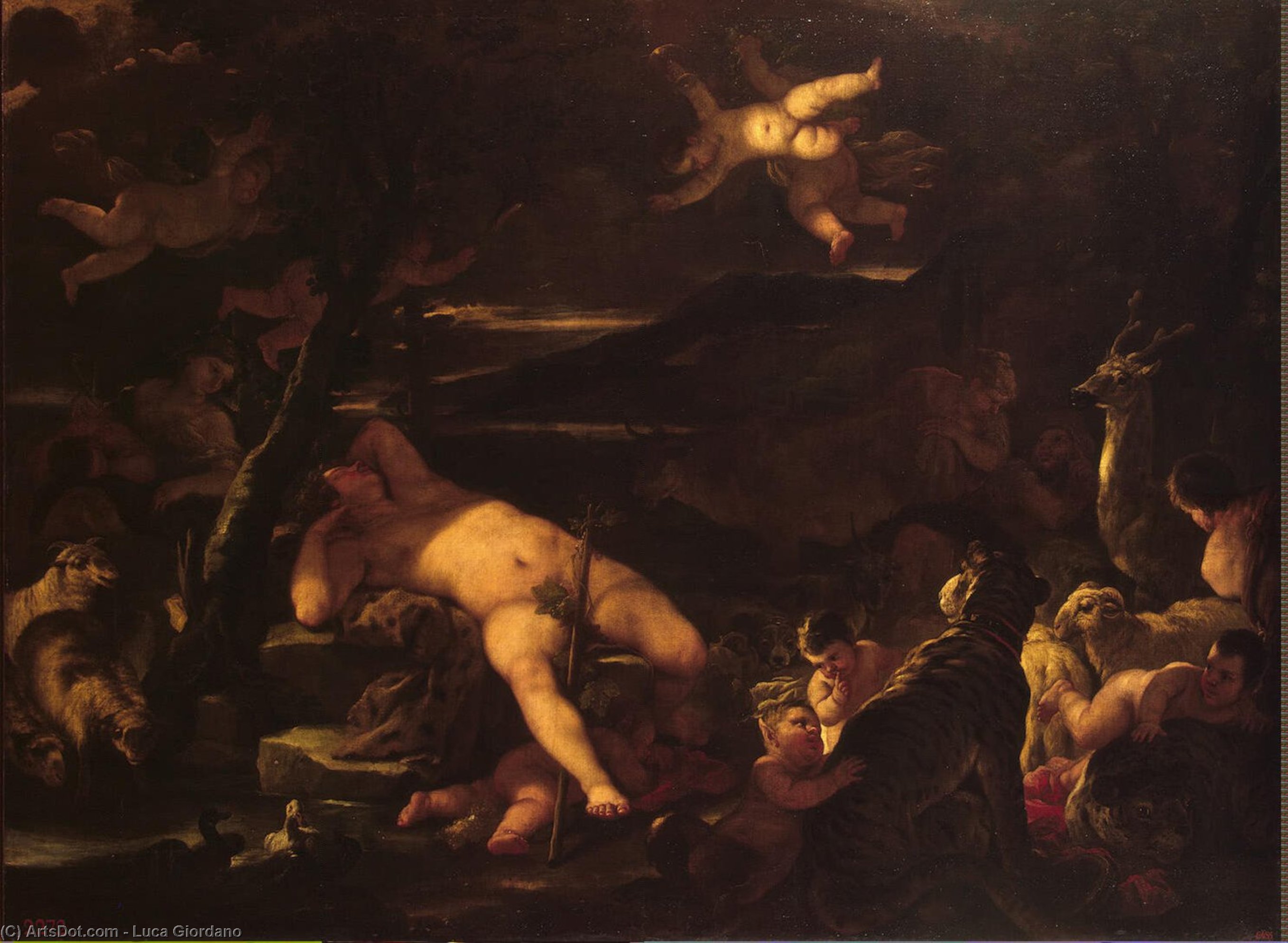
Young Bacchus Sleeping
 Oil On Canvas
- WallArt
- Baroque
 1681
1681 247.0 x 329.0 cm
 Hermitage muuseum
 Loe lähemalt
Giclée / Kunstiprint
Muuseumikvaliteediga giclée- või kangasprint kiire tootmisega ja paindlikud viimistlusvõimalused. ( Telli käsitsi maalitud reproduktsioon Ülemineku digitaalse pildi müügi kanalisse)




P118B $10

P118H $10

P118W $10

P438Z $10

P508JH $12

P508YH $12

P805H $10

P805Z $10

P919BZ $10

P919G $10

P919XJ $10

P959ZH $10

P968JZ $12

W106C $8

W218G $10

W218JH $8

W218Y $10

W307PJ $10

W316G $10

W316PJ $8

W316Y $10

W398PJ $8

W4111J $10

W500HY $15

W500JH $15

W692G $12

W849H $8

W940BG $15

W953PJ $8




Vali meie eelmääratud suurused, mis vastavad teose algupärastele proportsioonidele.

Saate sisestada oma mõõdud, et need sobiks konkreetse raami või ruumi sisse. Kui valitud suurus ei vasta originaalteose proportsioonidele, lõigame teose ära või laiendame pilti peegeldatud või ühtlase servaga. Enne tootmisprotsessi algust saadetakse Teie kinnitamiseks digitaalne näidis.
Palun märka, et ekraanil kuvatav eelvaade ei kajasta tegelikku lõigamist või laiendamist. Ainult näidis kujutab täpselt lõplikku kompositsiooni.
Kuigi erimõõdu on saadaval, soovitame originaaproportsioonide säilitamiseks valida mõõt ette määratud nimekirjast.
Ülemaailmne tarne () 2 nädala jooksul, tavalise 4/5 nädala asemel. (26 september)

Tasuta ekspresssaatmine üle maailma

Kõrgekvaliteediline lina-kangastest muld

Täielik transpordikindlustus

Tollimaksude tagastamise garantii

Värvitoime täpsuse garantii

100 päeva tagastusõigus (ainult defektide korral)

100% raha tagasi garantii

Hulgusoodustus
 Klaasivalik on saadaval ainult kuni 110 cm suuruses teostes

Young Bacchus Sleeping
Giclée / Kunstiprint
Reproduktsiooni mõõtmed
-


Lõppsumma
$ 80
Luca Giordano’s “Young Bacchus Sleeping”: A Baroque Rhapsody of Light and Nudity
Luca Giordano's "Young Bacchus Sleeping," painted in 1681, isn’t merely a depiction of a mythological figure; it’s an immersive experience—a vibrant, almost feverish celebration of life, sensuality, and the intoxicating power of nature. This oil on canvas, measuring a substantial 247 x 329 cm, transports the viewer to a sun-drenched forest clearing teeming with both human and animal figures, all caught in a moment of joyous abandon. Giordano, nicknamed “Luca fa presto” for his prodigious output and remarkable speed, masterfully captures the essence of the late Baroque – a style characterized by dramatic contrasts, luminous color palettes, and an exuberant embrace of movement and emotion.
The central figure, a strikingly youthful Bacchus, is rendered in a state of blissful slumber. He lies sprawled amongst lush foliage, his head resting on his outstretched hand, a pose that immediately invites the viewer into his dreamscape. Noticeably absent are the severe, almost austere qualities often associated with earlier Neapolitan Baroque painters like Ribera; Giordano’s Bacchus is bathed in an astonishingly bright light, emanating from unseen sources and creating a sense of ethereal radiance. This deliberate use of luminosity—a hallmark of Giordano's style—transforms the scene into something akin to a theatrical stage, where every element contributes to the overall drama.
The Forest as Stage: Composition and Narrative
Giordano’s genius lies not just in his technical skill but also in his ability to weave a complex narrative within a seemingly simple composition. The forest itself isn't merely a backdrop; it actively participates in the scene, becoming a character in its own right. Scattered throughout the painting are various figures – some standing and conversing, others reclining or engaged in playful activities – creating a sense of communal revelry. A dog playfully bounds near the bottom left corner, while a bird flits across the upper right, adding to the feeling of a lively gathering. The inclusion of animals—a deliberate choice by Giordano—elevates the scene beyond a purely mythological depiction, suggesting a connection between humanity and the natural world.
The arrangement of figures is carefully orchestrated, drawing the eye through the composition with a dynamic interplay of diagonals and curves. Observe how Giordano uses overlapping forms and varying levels of detail to create depth and perspective. The use of foreshortening—the technique of depicting objects as they appear from a particular viewpoint—further enhances the illusion of space and contributes to the painting’s overall sense of realism, despite its fantastical subject matter.
Symbolism and the Spirit of Bacchus
Bacchus, the Roman god of wine, fertility, and ecstasy, is a potent symbol of abundance, pleasure, and the transformative power of intoxication. Giordano doesn't simply depict him as a muscular deity; he portrays him as a young man caught in the throes of joyful abandon—a state of blissful surrender to the senses. The painting’s title, “Young Bacchus Sleeping,” subtly hints at this duality – a moment of repose amidst an ongoing celebration. The scattered grapes and the implied presence of wine further reinforce this association.
Beyond the obvious symbolism of wine, Giordano incorporates elements that speak to the broader themes of nature, mythology, and human connection. The forest setting represents the untamed wilderness—a space where boundaries dissolve and individuals are united in a shared experience. The painting’s overall mood is one of carefree exuberance, inviting the viewer to partake in this timeless celebration of life.
A Masterpiece of Baroque Brilliance: Reproduction Possibilities
OriginalUniqueArt offers meticulously crafted hand-painted reproductions of Luca Giordano's “Young Bacchus Sleeping,” allowing you to bring this captivating masterpiece into your home or office. Our skilled artists faithfully recreate Giordano’s luminous palette, dynamic composition, and masterful use of light, ensuring that the essence of this Baroque rhapsody is preserved with stunning accuracy. Whether you are an art enthusiast, a collector seeking to expand your collection, or simply someone looking for a striking piece of wall décor, our reproduction offers a beautiful and authentic representation of this iconic work.
Consider how “Young Bacchus Sleeping” would complement your interior design—its vibrant colors and dynamic composition adding energy and warmth to any space. Explore the available sizes and canvas options to find the perfect fit for your needs. With OriginalUniqueArt, you can own a piece of art history that will continue to inspire and delight for years to come.
Kunstniku elulugu
Luca Giordano (1634–1705): The Triumph of the Neapolitan Painting
Luca Giordano, born Oct. 18, 1634, in Naples—the vibrant heart of the late Baroque—was a name that instantly resonated with artistic fervor and prolific creativity. He wasn’t merely an artist; he was a force reshaping architectural spaces and captivating audiences across Italy and Spain. His father, Antonio Giordano, instilled in him early artistic sensibilities, but it was under the tutelage of Jusepe de Ribera that Luca truly honed his distinctive style—a style characterized by dramatic intensity and unflinching realism. This formative apprenticeship bequeathed an indelible mark, evident in Giordano’s initial works' brooding palette and masterful depiction of human figures. Yet, unlike Ribera’s somber aesthetic, Giordano possessed a natural inclination toward luminosity and movement—qualities that would ultimately define his singular artistic vision. Even then, he earned the moniker “Luca fa presto”—Luca, Work Quickly—a testament to his remarkable speed and seemingly boundless energy. He wasn't simply skilled; he was capable of capturing profound emotion and dazzling spectacle with an ease that astonished contemporaries.From Naples to Spain: A Career Driven by Commissions and Transformation
Giordano’s artistic trajectory transcended geographical boundaries, propelled by royal commissions and fueled by journeys across Italy and beyond. Establishing himself as a rising star in Naples—a city brimming with artistic patronage—he sought opportunities in Rome, Florence, and Venice, absorbing the diverse influences of each metropolis like a sponge. In Venice, he studied the monumental frescoes of Titian and Veronese, embracing their opulent color palettes and dynamic compositions—a stark contrast to Ribera’s tenebristic approach. Florence witnessed him undertake ambitious fresco cycles, most notably in the dome of the Corsini Chapel at Chiesa del Carmine, showcasing his burgeoning mastery of illusionistic space and narrative storytelling. However, it was his decade-long engagement with Spain (1682–1692)—appointed as court painter to Charles II—that cemented his international renown and irrevocably altered the artistic landscape of the Iberian Peninsula. Recognizing the need for a revitalizing infusion of Italian dynamism into Spanish art, Giordano transformed Madrid’s Biblioteca Riccardiana into an immersive spectacle of color and grandeur—a testament to his ability to synthesize disparate stylistic traditions into a harmonious whole.A Synthesis of Styles: Giordano's Signature Technique
Giordano’s genius lay not in inventing entirely new artistic methods but in skillfully merging existing techniques into a remarkably fluid and expressive style. He drew inspiration from Ribera’s dramatic realism—capturing the psychological depth of his subjects with unflinching honesty—and Veronese’s luminous colorism—creating canvases ablaze with vibrant hues that defied conventional limitations. Simultaneously, he embraced Pietro da Cortona's innovative compositional strategies—transforming architectural spaces into dynamic visual narratives that engaged viewers on a visceral level. His brushwork was characterized by its freedom and spontaneity—producing an impression of effortless grace—and he eschewed rigid formalism in favor of ornamentation—filling his canvases with intricate details and swirling draperies—a hallmark of his mature style. This multifaceted approach allowed him to tackle a vast spectrum of subjects – from biblical scenes and mythological tales to portraits and decorative schemes – with equal conviction.Notable Achievements & Artistic Legacy
Giordano’s prolific output—estimated at over six hundred paintings and numerous fresco cycles—stands as an unparalleled achievement in Baroque art history. His monumental frescoes in Naples Cathedral and various palaces continue to inspire awe and admiration, demonstrating his mastery of illusionistic space and narrative storytelling. Perhaps his most enduring legacy resides in the Corsini Chapel dome—a breathtaking testament to his artistic vision—where he achieved a remarkable synthesis of stylistic influences, creating an immersive experience that transcends time. Furthermore, Giordano trained numerous pupils who carried forward his stylistic innovations throughout Italy and Spain, ensuring his influence persisted beyond his own lifetime. His work served as a bridge between the High Baroque and Rococo periods—introducing a lighter, more playful aesthetic into European art.Key Works & Artistic Connections
- The Judgment of Paris (Berlin Museum): Giordano’s masterful depiction of classical mythology exemplifies his vibrant color palette and dynamic composition.
- Christ with the Doctors in the Temple (Corsini Gallery, Rome): Demonstrates his skill in religious narrative and mastery of light and shadow—a technique honed under Ribera's guidance.
- Frescoes in Florence & Naples: Monumental achievements transforming architectural spaces into immersive visual experiences—reflecting Pietro da Cortona’s pioneering compositional innovations.
- Influences: Jusepe de Ribera, Titian, Veronese, Pietro da Cortona
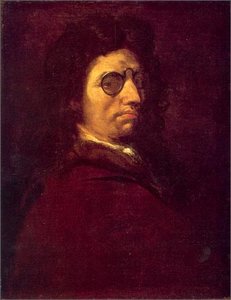
Luca Fa Presto
1634 - 1705 , Itaalia
Lühikest infot
- Artistic Movement Or Style: Late Baroque
- Artists Or Movements Influenced By This Artist: ['Paolo de Matteis']
- Artists Who Influenced This Artist: ['Jusepe de Ribera']
- Date Of Birth: 1634
- Full Name: Luca Giordano
- Nationality: Italian
- Notable Artworks:
- The Judgment of Paris
- Christ with Doctors
- Place Of Birth: Naples, Italy
Sarnased artiklid

Baroki draama ja luksus: Kuidas ajalooline elegants kaasaegsesse interjööri tuua
Avastage baroki maalide võlu OriginalUniqueArt'is! Käsitsi valmistatud reproduktsioonid, fotodest maalid ja ekspertkonsultatsioonid. Toome ajaloolise elegantsi Teie interjööri. Kvaliteet garanteeritud!
Simon Vouet: A Baroque Master's Journey from Italian Influence to French Classicism
Explore the life & art of Simon Vouet, a pivotal French Baroque painter who introduced Italian styles to France. Discover his masterpieces and lasting influence on 17th-century art.
Luca Giordano: Neapolitan Baroque Master & His European Influence
Explore the life & works of Luca Giordano, the celebrated Neapolitan Baroque master. Discover his prolific fresco cycles, Roman commissions, and lasting influence on European art history. Learn more at OriginalUniqueArt.

Italian Baroque Unlocked: High-Drama Art That Hits Hard
Dive into the high-drama world of Italian Baroque art. Discover how chiaroscuro, intense emotion, and theatrical lighting redefined aesthetics. Explore the visceral power of the Counter-Reformation through a modern lens with expert insights from OriginalUniqueArt.com.

Baroki tippteosed: 10 kunstiteost, mis muutisid maailma
Sukeldu baroki maailma! Avasta 10 meistriteost, mis defineerisid kunstivoolu – Rembrandt, Caravaggio jt. Loe lugusid, vaata värve ja naudi ajatu ilu. Leia inspiratsiooni interjööriks OriginalUniqueArt.com-ist!