
 Eelvaade
 Saada
Saada Jaga
Jaga
 Teave teose kohta
 Juhend

 Laadi alla
 Sarnased teosed
 Röntgenuuring
 Slaidietendus
 KÜSIMUSED JA VASTUSID
 Statistika
The Forge of Vulcan

- 193.0 x 152.0 cm


 Loe lähemalt
Giclée / Kunstiprint
Muuseumikvaliteediga giclée- või kangasprint kiire tootmisega ja paindlikud viimistlusvõimalused. ( Osta käsitsi maalatud teos Lülita digitaalse pildi juurde)




P118B €10

P118H €10

P118W €10

P438Z €10

P508JH €12

P508YH €12

P805H €10

P805Z €10

P919BZ €10

P919G €10

P919XJ €10

P959ZH €10

P968JZ €12

W106C €8

W218G €10

W218JH €8

W218Y €10

W307PJ €10

W316G €10

W316PJ €8

W316Y €10

W398PJ €8

W4111J €10

W500HY €15

W500JH €15

W692G €12

W849H €8

W940BG €15

W953PJ €8




Vali meie eelmääratud suurused, mis vastavad teose algupärastele proportsioonidele.

Sisestage vajalik laius ja kõrgus, et see sobiks teie raamile või seinale. Trükki saab ainult lõigata, seda ei saa kunagi pildist suuremaks teha, seega ka erineva mustega suurus kaotab osa pildist. Enne trükkimist saadame teile kinnitamiseks digitaalse näidisprojektsiooni. Sellel lehel näidatud pilt ei kujuta reaalset lõiget — seda näitab ainult näidisprojektsioon.
Ülemaailmne tarne () 2 nädala jooksul, tavalise 4/5 nädala asemel. (4 november)

Tasuta ekspresssaatmine üle maailma

Kõrgekvaliteediline lina-kangas

Täielik transpordikindlustus

Tollimaksude tagastamise garantii

Värvitoime täpsuse garantii

100 päeva tagastusõigus (ainult valmistusdefektide korral)

100% raha tagasi garantii

Hulgusoodustus
 Klaasivalik on saadaval ainult kuni 110 cm suuruses teostes

The Forge of Vulcan
Giclée / Kunstiprint
Reproduktsiooni suurus
-


Koguhind
€ 72
Luca Giordano’s Dramatic Vision of Labor: An Exploration of ‘The Forge of Vulcan’
Luca Giordano, a singular figure in the Baroque landscape, wasn't merely an artist; he was a conduit for dynamism and fervor—a painter who fundamentally reshaped architectural grandeur across Italy and Spain. Born in Naples in 1634, his artistic journey began under the tutelage of Jusepe de Ribera, absorbing the somber realism that characterized Ribera’s oeuvre. Yet Giordano swiftly distinguished himself with an innate luminescence and movement, establishing a style instantly recognizable for its theatrical grandeur and meticulous detail. This distinctive approach—captured brilliantly in ‘The Forge of Vulcan,’ completed around 1660—offers a captivating glimpse into both artistic innovation and the cultural milieu of his time.- Subject Matter: The painting depicts a bustling forge scene, populated by several artisans engaged in the arduous process of metalworking. Precise depictions of hammers striking anvils, chisels shaping iron bars, and men diligently crafting tools convey an immediacy that transcends centuries.
- Style & Technique: Giordano’s masterful command of chiaroscuro—the dramatic interplay between light and shadow—dominates the composition. He employs a bold palette dominated by earthy tones contrasted with vibrant highlights, creating a palpable sense of heat and energy. The artist's meticulous attention to anatomical accuracy ensures that each figure possesses a convincing physicality, furthering the scene’s realism.
Historical Context: Naples Under Bourbon Rule & Artistic Patronage
‘The Forge of Vulcan’ emerged during Naples’ reign under Bourbon rule—a period marked by significant artistic patronage. The Bourbon monarchy actively supported artists like Giordano, recognizing the power of visual art to elevate civic pride and commemorate royal achievements. This context informs our understanding of the painting's purpose: it served as a celebration of craftsmanship and industriousness – values deeply ingrained in Neapolitan society during the Baroque era.- Symbolism: The forge itself represents more than just a workshop; it embodies transformation, resilience, and divine creation. Vulcan, the Roman god of fire and metalworking—whose likeness is subtly incorporated into the composition—symbolizes power and craftsmanship. The figures depicted are not merely laborers but embodiments of virtue and dedication – qualities prized by Baroque artists.
- Emotional Impact: Giordano’s depiction evokes a profound sense of drama and aspiration. The viewer is drawn into the scene's energetic rhythm, experiencing both the physical exertion of the artisans and their unwavering commitment to their craft. It speaks to an enduring fascination with human endeavor and the sublime beauty found within disciplined labor.
Giordano’s Legacy & Reproduction Considerations
Luca Giordano's influence extended far beyond Naples, shaping artistic trends across Europe. His ability to infuse monumental spaces with vibrant color and dynamic movement cemented his reputation as one of the Baroque’s foremost innovators. Today, OriginalUniqueArt offers exceptional reproductions of ‘The Forge of Vulcan,’ meticulously crafted to capture the essence of Giordano’s original vision. These high-quality prints allow art enthusiasts and collectors alike to experience the painting's captivating beauty and historical significance firsthand—bringing a piece of Baroque grandeur into any interior.Korduvad küsimused
Kes lõi teose "The Forge of Vulcan" ja millal?
Teose "The Forge of Vulcan" on loonud Luca Fa Presto aastal 1660.
Kust saan osta teose „The Forge of Vulcan“, autor Luca Fa Presto käsitsi maalatud reproduktsiooni?
Teose „The Forge of Vulcan“, autor Luca Fa Presto käsitsi maaldatud reproduktsiooni saab tellada otse selle Käsitsi maalatud reproduktsioon lehelt: käsitsi maalatud õlireproduktsioon linaelapale, valmistatud tellimusest.
Milline on teose "The Forge of Vulcan" atmosfäär?
Teose „The Forge of Vulcan“, autor Luca Fa Presto meeleolu on kirjeldatud kui Dramatic. See klassifikatsioon võib aidata leida teosele sobiva sisekujunduse.
Kunstniku elulugu
Luca Giordano (1634–1705): The Triumph of the Neapolitan Painting
Luca Giordano, born Oct. 18, 1634, in Naples—the vibrant heart of the late Baroque—was a name that instantly resonated with artistic fervor and prolific creativity. He wasn’t merely an artist; he was a force reshaping architectural spaces and captivating audiences across Italy and Spain. His father, Antonio Giordano, instilled in him early artistic sensibilities, but it was under the tutelage of Jusepe de Ribera that Luca truly honed his distinctive style—a style characterized by dramatic intensity and unflinching realism. This formative apprenticeship bequeathed an indelible mark, evident in Giordano’s initial works' brooding palette and masterful depiction of human figures. Yet, unlike Ribera’s somber aesthetic, Giordano possessed a natural inclination toward luminosity and movement—qualities that would ultimately define his singular artistic vision. Even then, he earned the moniker “Luca fa presto”—Luca, Work Quickly—a testament to his remarkable speed and seemingly boundless energy. He wasn't simply skilled; he was capable of capturing profound emotion and dazzling spectacle with an ease that astonished contemporaries.From Naples to Spain: A Career Driven by Commissions and Transformation
Giordano’s artistic trajectory transcended geographical boundaries, propelled by royal commissions and fueled by journeys across Italy and beyond. Establishing himself as a rising star in Naples—a city brimming with artistic patronage—he sought opportunities in Rome, Florence, and Venice, absorbing the diverse influences of each metropolis like a sponge. In Venice, he studied the monumental frescoes of Titian and Veronese, embracing their opulent color palettes and dynamic compositions—a stark contrast to Ribera’s tenebristic approach. Florence witnessed him undertake ambitious fresco cycles, most notably in the dome of the Corsini Chapel at Chiesa del Carmine, showcasing his burgeoning mastery of illusionistic space and narrative storytelling. However, it was his decade-long engagement with Spain (1682–1692)—appointed as court painter to Charles II—that cemented his international renown and irrevocably altered the artistic landscape of the Iberian Peninsula. Recognizing the need for a revitalizing infusion of Italian dynamism into Spanish art, Giordano transformed Madrid’s Biblioteca Riccardiana into an immersive spectacle of color and grandeur—a testament to his ability to synthesize disparate stylistic traditions into a harmonious whole.A Synthesis of Styles: Giordano's Signature Technique
Giordano’s genius lay not in inventing entirely new artistic methods but in skillfully merging existing techniques into a remarkably fluid and expressive style. He drew inspiration from Ribera’s dramatic realism—capturing the psychological depth of his subjects with unflinching honesty—and Veronese’s luminous colorism—creating canvases ablaze with vibrant hues that defied conventional limitations. Simultaneously, he embraced Pietro da Cortona's innovative compositional strategies—transforming architectural spaces into dynamic visual narratives that engaged viewers on a visceral level. His brushwork was characterized by its freedom and spontaneity—producing an impression of effortless grace—and he eschewed rigid formalism in favor of ornamentation—filling his canvases with intricate details and swirling draperies—a hallmark of his mature style. This multifaceted approach allowed him to tackle a vast spectrum of subjects – from biblical scenes and mythological tales to portraits and decorative schemes – with equal conviction.Notable Achievements & Artistic Legacy
Giordano’s prolific output—estimated at over six hundred paintings and numerous fresco cycles—stands as an unparalleled achievement in Baroque art history. His monumental frescoes in Naples Cathedral and various palaces continue to inspire awe and admiration, demonstrating his mastery of illusionistic space and narrative storytelling. Perhaps his most enduring legacy resides in the Corsini Chapel dome—a breathtaking testament to his artistic vision—where he achieved a remarkable synthesis of stylistic influences, creating an immersive experience that transcends time. Furthermore, Giordano trained numerous pupils who carried forward his stylistic innovations throughout Italy and Spain, ensuring his influence persisted beyond his own lifetime. His work served as a bridge between the High Baroque and Rococo periods—introducing a lighter, more playful aesthetic into European art.Key Works & Artistic Connections
- The Judgment of Paris (Berlin Museum): Giordano’s masterful depiction of classical mythology exemplifies his vibrant color palette and dynamic composition.
- Christ with the Doctors in the Temple (Corsini Gallery, Rome): Demonstrates his skill in religious narrative and mastery of light and shadow—a technique honed under Ribera's guidance.
- Frescoes in Florence & Naples: Monumental achievements transforming architectural spaces into immersive visual experiences—reflecting Pietro da Cortona’s pioneering compositional innovations.
- Influences: Jusepe de Ribera, Titian, Veronese, Pietro da Cortona
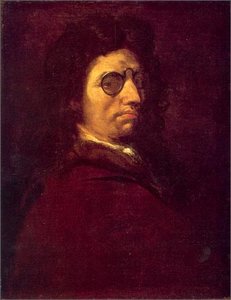
Luca Fa Presto
1634 - 1705 , Itaalia
Lühikest infot
- Artistic Movement Or Style: Late Baroque
- Artists Or Movements Influenced By This Artist: ['Paolo de Matteis']
- Artists Who Influenced This Artist: ['Jusepe de Ribera']
- Date Of Birth: 1634
- Full Name: Luca Giordano
- Nationality: Italian
- Notable Artworks:
- The Judgment of Paris
- Christ with Doctors
- Place Of Birth: Naples, Italy
Sarnased artiklid
Luca Giordano: Neapolitan Baroque Master & His European Influence
Explore the life & works of Luca Giordano, the celebrated Neapolitan Baroque master. Discover his prolific fresco cycles, Roman commissions, and lasting influence on European art history. Learn more at OriginalUniqueArt.

Baroki tippteosed: 10 kunstiteost, mis muutisid maailma
Sukeldu baroki maailma! Avasta 10 meistriteost, mis defineerisid kunstivoolu – Rembrandt, Caravaggio jt. Loe lugusid, vaata värve ja naudi ajatu ilu. Leia inspiratsiooni interjööriks OriginalUniqueArt.com-ist!

Baroki draama ja luksus: Kuidas ajalooline elegants kaasaegsesse interjööri tuua
Avastage baroki maalide võlu OriginalUniqueArt'is! Käsitsi valmistatud reproduktsioonid, fotodest maalid ja ekspertkonsultatsioonid. Toome ajaloolise elegantsi Teie interjööri. Kvaliteet garanteeritud!

The Dramatic Flourish: Exploring the Baroque Movement's Enduring Legacy in Art History
Explore the dramatic world of Baroque art! Discover iconic artists like Caravaggio & Rubens, defining techniques, and its lasting impact on art history. Expert insights for collectors & enthusiasts at OriginalUniqueArt.

Baroque Classicism: The Grandeur of Order and Drama in 17th-Century Art History
Explore the profound elegance of Baroque Classicism. Discover how 17th-century masters synthesized dramatic emotion with classical order through the lens of the Counter-Reformation and the works of legends like Carlo Maratta and Andrea Sacchi.