

 Vaata sisu
 Jaga teost
 Jaga
Jaga
 Detailid
 Õppekate juhend

 Laadi alla
 Sarnased teosed
 Röntgenuuring
 Slaidietendus
 Statistika
The Flight into Egypt
 Acrylic On Canvas
- WallArt
- Baroque
 1685
1685 204.0 x 191.0 cm
 Szépművészeti Múzeum
 Loe lähemalt
Ostke kõrglahutusel ja täiustatud digitaalne pilt, mis on oluliselt parem kui veebilehel näidatud eelvaade.
Iga fail on meie spetsialistide poolt hoolikalt ette valmistatud, kasutades kaasaegseid tööriistu ja professionaalset käsitsi retušeerimist. Tagame, et igal pildil on erakordne selgus, täpne värvitäpsus ja peen detail.
Lõplik fail saadetakse e-posti teel 72 tunni jooksul ning on optimeeritud koheseks kasutamiseks professionaalsetes, toimetuslikes ja trüki keskkondades. See on sama kvaliteet, mida usaldavad tipptasemel disainistuudiod, kirjastused ja galeriid.
Digitaalne pilt
Laadi alla kõrge resolutsiooniga fail isiklikuks vaatamiseks, trükkimiseks ja loomingulisteks projektideks. ( Lülita trükkitoodetele Telli käsitsi maalitud reproduktsioon)
Sisse kuulub iga digitaalse pildi tellimusega
Professionaalne digitaalne kohaletoimetamine, garanteeritud
Valides OriginalUniqueArt.com, ei saa sa lihtsalt pilti – saad professionaalselt parandatud digitaalse teose, mida on valmistatud täpsusega ja mis on toetatud rahuldamatusgarantiiga. Siin on kõik, mis sinu tellimusega automaatselt kaasneb:

Kiire e-posti edastus
Teie kõrge resolutsiooniga digitaalne pildifail saadetakse teile e-posti 72 tunni jooksul pärast tellimist – kohe kasutamiseks valmis.

Tehisintellektiga täiustatud digitaalne fail
Teie teos on professionaalselt optimeeritud arenenud tehisintellekti tööriistade ja käsitsi redigeerimise abil, tagades maksimaalse detailitaseme, selguse ja värvitäpsuse.

Tasuta eluaegne uuesti saatmine
Kas kustutasid faili kogukalu unustamisel või kustutamisel? Puudub mure – saad selle uuesti igal ajal ilma lisatasuta.

Puuduvad importimaksud – alati
Nautige oma teoseid koheselt ilma tolli-, maksude või tarnimaskuludeta – digiletchargused on alati maksuvabadud.

Värvitäpsuse garantii
Me tagame, et teie digitaalne pilt kajastaks originaali värve professionaalsete tööriistade ja värvihalduse abil võimalikult täpselt.

100 päeva rahuldamatuse garantii
Kui te ei ole oma digitaalse pildi eest rahul, siis me parandame seda või tagastame 100% summast 100 päeva jooksul – küsimusteta.

100% raha tagastamise garantii
Ei ole rahul? Saate täielise tagastaja 100 päeva jooksul pärast digitaalse faili kättesaamist – ilma küsimusteta.

Suurema tellimuse soodustused
Osta 3 pilti, säästa 10% - Osta 5, säästa 15% - Osta 10+, säästa 20%. Sobib suurepäraselt loomingulisteks projektideks, galeriideks ja agentuurideks.
Luca Giordano’s “The Flight into Egypt”: A Symphony of Light and Faith
Luca Giordano (1634-1705), nicknamed "Luca fa presto"—Luca the quick one—was arguably Naples' most celebrated painter during the late Baroque era. He wasn’t merely prolific; he was a whirlwind of creativity whose output fundamentally reshaped both monumental frescoes and architectural spaces across Italy and Spain. His formative years were spent under the tutelage of Jusepe de Ribera, absorbing the dramatic intensity and meticulous realism that characterized Ribera's oeuvre—a stark contrast to Giordano’s innate inclination towards luminosity and movement. This early influence undeniably shaped his distinctive style, evident in the initial canvases where he skillfully captured human emotion with remarkable precision. Yet, Giordano swiftly transcended stylistic constraints, establishing himself as a master of illusionistic painting and transforming interiors into breathtaking spectacles of color and grandeur.- Subject Matter: The artwork depicts the biblical narrative of Mary and Joseph fleeing persecution to Egypt—a cornerstone of Christian faith symbolizing divine protection and hope amidst adversity.
- Style: Giordano’s style embodies the exuberant dynamism of Baroque art, prioritizing theatrical composition and expressive gesture. It's characterized by a masterful use of chiaroscuro – dramatic contrasts between light and dark – creating an immersive experience for the viewer.
Technique and Materials: A Masterful Orchestration
Giordano’s technique was revolutionary for its time, prioritizing speed and efficiency without sacrificing artistic excellence. He famously claimed to paint a fresco in just three days—a testament to his unparalleled skill and dedication. Employing tempera on plaster, Giordano achieved astonishing brilliance and vibrancy, layering pigments with meticulous precision. The artist skillfully manipulated perspective and spatial illusion, creating an environment that feels palpable and alive. Detailed observation of anatomical accuracy combined with expressive dynamism is evident throughout the painting, demonstrating Giordano’s profound understanding of human form and emotion.- Color Palette: Giordano utilized a rich palette dominated by warm hues—gold, crimson, ochre—to convey spiritual fervor and majesty.
- Surface Texture: The fresco surface possesses an exceptional smoothness achieved through painstaking polishing techniques, maximizing the impact of light and enhancing the visual richness of the artwork.
Symbolism and Narrative Depth
“The Flight into Egypt” is laden with symbolic significance. The angels surrounding Mary and Joseph represent divine guardianship and reassurance, highlighting God’s unwavering care for his chosen family. The luminous depiction of Mary embodies maternal piety and humility—qualities revered throughout Christian tradition. Furthermore, the inclusion of birds – specifically doves – symbolizes peace and innocence, reinforcing the overarching theme of deliverance from danger. Giordano's masterful storytelling elevates the artwork beyond mere representation; it invites contemplation on themes of faith, resilience, and divine providence.Historical Context: Naples Under Bourbon Rule
Painted in 1685 during the reign of King Louis XIV—the “Sun King”—Naples was experiencing a period of artistic flourishing under Bourbon patronage. Giordano’s work reflects the grandeur and ambition of this era, aligning with the Baroque aesthetic's penchant for monumental decoration and theatrical spectacle. The fresco adorned the chapel of San Lorenzo Maggiore in Naples, serving as a powerful emblem of royal piety and reinforcing the city’s position as a cultural epicenter within Europe. Its enduring legacy testifies to Giordano’s genius—a painter who captured not only visual beauty but also the very essence of spiritual conviction.Küsimused ja vastused
Millise kunstisuunaga kuulub teos „The Flight into Egypt“, autor Luca Fa Presto nn-väljendisse?
Teos „The Flight into Egypt“, autor Luca Fa Presto kuulub Baroque suunasse. See suund annab teosele stilistilise konteksti.
Millist tehnikat teose "The Flight into Egypt" valmistamisel kasutati ja millal see loodi?
Teose „The Flight into Egypt“, autor Luca Fa Presto tehnika on Acrylic On Canvas ning selle valmimisajaks on märgitud 1685.
Milline suurus "The Flight into Egypt" minu toa jaoks sobib?
Living Room ruumis on teose "The Flight into Egypt" jaoks soovitatav trükkimõõt Large.
Kunstniku biograafia
Luca Giordano (1634–1705): The Triumph of the Neapolitan Painting
Luca Giordano, born Oct. 18, 1634, in Naples—the vibrant heart of the late Baroque—was a name that instantly resonated with artistic fervor and prolific creativity. He wasn’t merely an artist; he was a force reshaping architectural spaces and captivating audiences across Italy and Spain. His father, Antonio Giordano, instilled in him early artistic sensibilities, but it was under the tutelage of Jusepe de Ribera that Luca truly honed his distinctive style—a style characterized by dramatic intensity and unflinching realism. This formative apprenticeship bequeathed an indelible mark, evident in Giordano’s initial works' brooding palette and masterful depiction of human figures. Yet, unlike Ribera’s somber aesthetic, Giordano possessed a natural inclination toward luminosity and movement—qualities that would ultimately define his singular artistic vision. Even then, he earned the moniker “Luca fa presto”—Luca, Work Quickly—a testament to his remarkable speed and seemingly boundless energy. He wasn't simply skilled; he was capable of capturing profound emotion and dazzling spectacle with an ease that astonished contemporaries.From Naples to Spain: A Career Driven by Commissions and Transformation
Giordano’s artistic trajectory transcended geographical boundaries, propelled by royal commissions and fueled by journeys across Italy and beyond. Establishing himself as a rising star in Naples—a city brimming with artistic patronage—he sought opportunities in Rome, Florence, and Venice, absorbing the diverse influences of each metropolis like a sponge. In Venice, he studied the monumental frescoes of Titian and Veronese, embracing their opulent color palettes and dynamic compositions—a stark contrast to Ribera’s tenebristic approach. Florence witnessed him undertake ambitious fresco cycles, most notably in the dome of the Corsini Chapel at Chiesa del Carmine, showcasing his burgeoning mastery of illusionistic space and narrative storytelling. However, it was his decade-long engagement with Spain (1682–1692)—appointed as court painter to Charles II—that cemented his international renown and irrevocably altered the artistic landscape of the Iberian Peninsula. Recognizing the need for a revitalizing infusion of Italian dynamism into Spanish art, Giordano transformed Madrid’s Biblioteca Riccardiana into an immersive spectacle of color and grandeur—a testament to his ability to synthesize disparate stylistic traditions into a harmonious whole.A Synthesis of Styles: Giordano's Signature Technique
Giordano’s genius lay not in inventing entirely new artistic methods but in skillfully merging existing techniques into a remarkably fluid and expressive style. He drew inspiration from Ribera’s dramatic realism—capturing the psychological depth of his subjects with unflinching honesty—and Veronese’s luminous colorism—creating canvases ablaze with vibrant hues that defied conventional limitations. Simultaneously, he embraced Pietro da Cortona's innovative compositional strategies—transforming architectural spaces into dynamic visual narratives that engaged viewers on a visceral level. His brushwork was characterized by its freedom and spontaneity—producing an impression of effortless grace—and he eschewed rigid formalism in favor of ornamentation—filling his canvases with intricate details and swirling draperies—a hallmark of his mature style. This multifaceted approach allowed him to tackle a vast spectrum of subjects – from biblical scenes and mythological tales to portraits and decorative schemes – with equal conviction.Notable Achievements & Artistic Legacy
Giordano’s prolific output—estimated at over six hundred paintings and numerous fresco cycles—stands as an unparalleled achievement in Baroque art history. His monumental frescoes in Naples Cathedral and various palaces continue to inspire awe and admiration, demonstrating his mastery of illusionistic space and narrative storytelling. Perhaps his most enduring legacy resides in the Corsini Chapel dome—a breathtaking testament to his artistic vision—where he achieved a remarkable synthesis of stylistic influences, creating an immersive experience that transcends time. Furthermore, Giordano trained numerous pupils who carried forward his stylistic innovations throughout Italy and Spain, ensuring his influence persisted beyond his own lifetime. His work served as a bridge between the High Baroque and Rococo periods—introducing a lighter, more playful aesthetic into European art.Key Works & Artistic Connections
- The Judgment of Paris (Berlin Museum): Giordano’s masterful depiction of classical mythology exemplifies his vibrant color palette and dynamic composition.
- Christ with the Doctors in the Temple (Corsini Gallery, Rome): Demonstrates his skill in religious narrative and mastery of light and shadow—a technique honed under Ribera's guidance.
- Frescoes in Florence & Naples: Monumental achievements transforming architectural spaces into immersive visual experiences—reflecting Pietro da Cortona’s pioneering compositional innovations.
- Influences: Jusepe de Ribera, Titian, Veronese, Pietro da Cortona
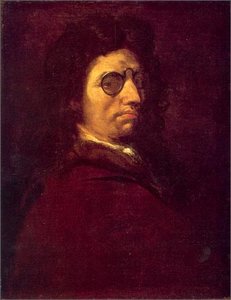
Luca Fa Presto
1634 - 1705 , Itaalia
Kiired faktid
- Artistic Movement Or Style: Late Baroque
- Artists Or Movements Influenced By This Artist: ['Paolo de Matteis']
- Artists Who Influenced This Artist: ['Jusepe de Ribera']
- Date Of Birth: 1634
- Full Name: Luca Giordano
- Nationality: Italian
- Notable Artworks:
- The Judgment of Paris
- Christ with Doctors
- Place Of Birth: Naples, Italy