Menüü
Text size

() ·

A painting made for you, by hand

Resurrection

Käsitsi valmistatud õlimaalireproduktsioon

Meie kunstnike poolt tellimusel valmistatud käsitsi maalitud õli-kainaste teos teie soovitud suuruses ja raamis. ( Lülita trükkitoodetele Lülita digitaalse pildi juurde)

Kogumisobjekti kirjeldus

Luca Giordano's "Resurrection" (1665) is a dramatic Baroque masterpiece depicting Christ’s ascent, filled with vibrant color and dynamic movement. Explore this iconic work of art!

Kunstniku elulugu

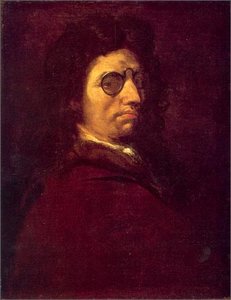
Luca Giordano oli hilisbarokkiajan suurim ja produktiivne neapolitan maalija. Tema nimi Luca Fa Presto ("Luca, töö kiiresti") tuleneb tema isa ametniku nõuetest, mida Luca kindlasti tähendas. Tema stiil oli värvilik ja liikuv ning koosnes suurepäärselt nii Ribera dramatismist kui ka Veronese dekoratiivsusest. Luca Fa Presto oli tuntud oma suurte freskode abil, mis muutsid kirikute ja palatsite int

from ·

Chapter 1

How large should it be?

Slide to change the size; the picture on the left shows the frame at its real width. The proportions of the original are kept.

Standardne suurus
kohandatud
CM
INCH

Vali meie eelmääratud suurused, mis vastavad teose algupärastele proportsioonidele.

laius
kõrgus

Sisestage vajalik laius ja kõrgus, et teos sobiks teie raamile või seinale. Kuna tegu on käsipainatud teosega, siis erineva kujuga suuruse korral võib kunstnik jätta pildi ümber veidi rohkem marginaali või lõigata osa ära — valik on teie. Enne maali alustamist saadame teile kinnitamiseks digitaalse näidisprojektsiooni. Sellel lehel näidatud pilt ei kajasta tegelikku tulemust — seda näitab ainult näidisprojektsioon.

Chapter 2

How should it arrive?

Choose the edges of the stretched canvas

Choose your frame

Corner sample of the WhiteWrap canvas edge finish, stretched on massivpuit bars
White €1
Corner sample of the BlurSideWrap canvas edge finish, stretched on massivpuit bars
Blurside €1
Corner sample of the ExtendedWrap canvas edge finish, stretched on massivpuit bars
Extended €1
Corner sample of the P118B picture frame: vormitud polüstüreen, 5 cm wide and 3 cm thick
P118B €10
Corner sample of the P118H picture frame: vormitud polüstüreen, 5 cm wide and 3 cm thick
P118H €10
Corner sample of the P118W picture frame: vormitud polüstüreen, 5 cm wide and 3 cm thick
P118W €10
Corner sample of the P438Z picture frame: vormitud polüstüreen, 5.5 cm wide and 3.5 cm thick
P438Z €10
Corner sample of the P508JH picture frame: vormitud polüstüreen, 7 cm wide and 3.5 cm thick
P508JH €12
Corner sample of the P508YH picture frame: vormitud polüstüreen, 7 cm wide and 3.5 cm thick
P508YH €12
Corner sample of the P805H picture frame: vormitud polüstüreen, 5 cm wide and 3.5 cm thick
P805H €10
Corner sample of the P805Z picture frame: vormitud polüstüreen, 5 cm wide and 3.5 cm thick
P805Z €10
Corner sample of the P919BZ picture frame: vormitud polüstüreen, 7 cm wide and 3.5 cm thick
P919BZ €10
Corner sample of the P919G picture frame: vormitud polüstüreen, 7 cm wide and 3.5 cm thick
P919G €10
Corner sample of the P919XJ picture frame: vormitud polüstüreen, 7 cm wide and 3.5 cm thick
P919XJ €10
Corner sample of the P959ZH picture frame: vormitud polüstüreen, 5 cm wide and 3 cm thick
P959ZH €10
Corner sample of the P968JZ picture frame: vormitud polüstüreen, 6 cm wide and 4 cm thick
P968JZ €12
Corner sample of the W106C picture frame: massivpuit, 5 cm wide and 3 cm thick
W106C €8
Corner sample of the W218G picture frame: massivpuit, 5 cm wide and 3 cm thick
W218G €10
Corner sample of the W218JH picture frame: massivpuit, 5 cm wide and 3 cm thick
W218JH €8
Corner sample of the W218Y picture frame: massivpuit, 5 cm wide and 3 cm thick
W218Y €10
Corner sample of the W307PJ picture frame: massivpuit, 6 cm wide and 3 cm thick
W307PJ €10
Corner sample of the W316G picture frame: massivpuit, 6 cm wide and 3 cm thick
W316G €10
Corner sample of the W316PJ picture frame: massivpuit, 6 cm wide and 3 cm thick
W316PJ €8
Corner sample of the W316Y picture frame: massivpuit, 6 cm wide and 3 cm thick
W316Y €10
Corner sample of the W398PJ picture frame: massivpuit, 5 cm wide and 3 cm thick
W398PJ €8
Corner sample of the W4111J picture frame: massivpuit, 6.5 cm wide and 3.5 cm thick
W4111J €10
Corner sample of the W500HY picture frame: massivpuit, 7 cm wide and 5 cm thick
W500HY €15
Corner sample of the W500JH picture frame: massivpuit, 7 cm wide and 5 cm thick
W500JH €15
Corner sample of the W692G picture frame: massivpuit, 8 cm wide and 4 cm thick
W692G €12
Corner sample of the W849H picture frame: massivpuit, 5 cm wide and 3 cm thick
W849H €8
Corner sample of the W940BG picture frame: massivpuit, 7.5 cm wide and 4.5 cm thick
W940BG €15
Corner sample of the W953PJ picture frame: massivpuit, 6 cm wide and 3.5 cm thick
W953PJ €8
Corner sample of the H24-GOLD picture frame: kareeritud puit ja gesso, 10 cm wide and 6 cm thick
H24-GOLD €30
Corner sample of the H24-SILVER picture frame: kareeritud puit ja gesso, 10 cm wide and 6 cm thick
H24-SILVER €30
Corner sample of the H36-GOLD picture frame: kareeritud puit ja gesso, 15 cm wide and 6.5 cm thick
H36-GOLD €45
Corner sample of the H36-SILVER picture frame: kareeritud puit ja gesso, 15 cm wide and 6.5 cm thick
H36-SILVER €45
Raami eelvaade
Raamitud

Moulding: . Overall size with the frame: .

Chapter 3

Who paints it, and should anything change?

Examples of what can be changed: Replace face with customer photo; Add pet (e.g., replace cat with dog); Include hidden message in background; Change background landscape or elements.
After order, OriginalUniqueArt.com team will email client for instructions and provide a mockup preview

Maailmline tarne 3–4 nädala jooksul tavalise 5 nädala asemel. (31 oktoober). Kvaliteedis kompromisse ei tehta.

Chapter 4

The finishing touches

A nameplate, as in a museum?

Graveeritud pronksplaadi üksikasjad

This elegant plaque features the artist's name and the title of the artwork, finely engraved for a timeless presentation.

It is made from bronze with a refined, elegant finish. The text is precisely laser-engraved for a sharp and permanent result. Measuring 9x2 cm, the plaque is compact yet easy to read. It's built to be durable and scratch-resistant, offering a professional, museum-quality look. Mounting is simple thanks to the included adhesive backing.

Läbipaistva akrüülplaadi üksikasjad

The plaque includes essential engraved details such as the artist's name, the title of the artwork, the date it was created, the type of media used-like oil on canvas or watercolor-a brief description of the piece, and a QR code that links to the complete artwork information.

It is crafted from clear acrylic, offering a sleek, modern appearance. The text is UV-engraved in black to ensure strong visual contrast. With a size of 10x15 cm, it ensures optimal readability. It comes equipped with two metal hooks for secure wall mounting. The plaque is designed to be weather-resistant, making it suitable for various environments, and it includes interactive features that work seamlessly with smartphone scanning.

Musta akrüülplaadiรายละเอียด (Note: The user provided "Musta akrüülplaadi detailid" as the current translation and asked for an improved version. Since "Musta akrüülplaadi

This elegant plaque includes engraved information such as the artist's name, the title of the artwork, the date it was created, the type of media used (like oil on canvas or watercolor), a short description of the artwork, and a QR code for quick access to more information.

The plaque itself is made from refined black acrylic with a premium finish. The text is laser-engraved in white for high contrast and readability. Its size is 10x15 cm, designed to be easy to read. It comes with two metal hooks for professional mounting. The design is sleek and fits any interior style. It is also weather-resistant and durable, with built-in digital integration for mobile compatibility.

A protective varnish?

When do you need it?

Chapter 5

Your painting, as you ordered it

Resurrection

Reproduktsiooni tehnika

Reproduktsiooni suurus

-

Eelistatud tippkunstnik

Rohkem detaile, peenust ja lisatootmisaega

-

Reproduktsiooni raamivalikud

-

-

Kunstiteoste või reproduktsioonide puhul, mille üks külg on üle 105 cm (umbikmolt 41 tolli), saadetakse raam kirjal asendis, la Dismantlitud komplektina. See meetod tagab ohutuse kohaletoimetamisel ja väldib transpordil tekkivaid kahjustusi.

Vajalik professionaalne kokkupanek – see ei ole isetegevusega valmistamiseks mõeldud toode.
Komplekt tuleb kokku panna ja lõvet pingutada kogemusega professionaalse raamija, kasutades puiduliim (ei kuulu komplekti), lõvetpingi ja klempe, et hoida raami kande mustad õigena liimi kuivamisaja jooksul. Vale kokkupanek või ebaühtlane lõvetping võib kunstiteost püsivalt kahjustada ning seda ei katta meie garantii.

  • Kaasatud on kõik tahked puidust liistud, täpselt lõigatud vastavaks suuruseks.

  • Kokku panemiseks kasutatakse lisatud kruvisid ning nurkade liimamiseks vajalikku puuliima, mida ei ole komplektis ja mida peab raamivalmistaja ise hankima.

  • Vajalik on kasutada professionaalseid tööriistu, mis ei kuulu komplekti: lõvetelapide pingist (pingutaja) ja klambreid, et hoida raami puidu nurgas õigena liimi kuivamisaja jooksul.

Oluline:
Nurgaliimamiseks on vaja puiduliim, liimimine peab toimuma klempide all kuni liim on täielikult kuivanud ning kokku monteeritud raami kanga pingutamiseks on vajalik kanga pingutustang. Kumbki neist ei kuulu komplekti. Palun veenduge enne selle suuruse tellimist, et teil on saadaval kogenud professionaalne raamistaja.

Nimesildikiri

-

-

Kaitsevärnitsus

Läikiv lakk (muudab värvid elavamaks ning kaitseb valgust ja niiskust eest)

-

Kohanda oma teost

Näiteid muudatuste kohta: Asenda nägu kliendi fotoga; Lisa lemmikloom (nt asenda kass koeraga); Lisa taustale peidetud sõnum; Muuda tausta maastikku või elemente.

-

Kiire tarne

Ülemaailmne tarne riiki 3–4 nädalaga tavalise 5 nädala asemel. (31 oktoober). Kvaliteedis kompromisse ei tehta.

-

Kiirsaatmine

Ülemaailmne tarne () 5 nädala jooksul. (7 november).

Sisse kuuluv

Koguhind

€ 266

Kogu summa € 266

Klaasivalik on saadaval ainult kuni 110 cm suuruses teostes

Included with every order

  • Tasuta ekspresssaatmine üle maailma
  • Kõrgekvaliteediline lina-kangas
  • Täielik transpordikindlustus
  • Tollimaksude tagastamise garantii
  • Värvitoime täpsuse garantii
  • 100 päeva tagastusõigus (ainult valmistusdefektide korral)
  • 100% raha tagasi garantii
  • Hulgusoodustus

Luca Giordano’s “Resurrection”: A Symphony of Light and Divine Awakening

Luca Giordano's "Resurrection," painted circa 1665 in the heart of Naples, isn’t merely a depiction of a biblical event; it’s an immersive experience—a vibrant testament to the artist’s revolutionary approach to Baroque painting. More than just a religious scene, it embodies a profound sense of movement, luminosity, and emotional intensity that immediately captivates the viewer. Giordano, nicknamed “Luca fa presto” for his prodigious speed and versatility, had already established himself as a master of capturing dramatic action and realistic figures, but this work represents a pivotal shift in his style—a conscious embrace of light and color that would define his legacy.

The painting immediately draws the eye to Christ’s resurrected form. He is not depicted as a static, ethereal figure, but rather as a dynamic force being lifted heavenward by a multitude of angels. The composition is carefully orchestrated: the dark foreground, dominated by startled Roman soldiers, serves as a dramatic counterpoint to the radiant light emanating from Christ and his ascent. Giordano masterfully employs chiaroscuro—the interplay of light and shadow—to heighten the sense of drama and create an almost theatrical effect. Notice how the shadows cling to the figures in the foreground, emphasizing their astonishment and vulnerability, while the light washes over Christ’s body, highlighting its physicality and conveying a powerful message of rebirth.

The Neapolitan Baroque: Giordano's Innovative Palette

Giordano’s style was deeply rooted in the artistic traditions of Naples, yet he boldly pushed beyond the somber palette favored by his predecessor, Jusepe de Ribera. While influenced by Ribera’s dramatic realism and anatomical precision—evident in the muscularity of Christ’s body and the detailed rendering of the soldiers—Giordano infused his work with a newfound vibrancy and luminosity. He drew inspiration from Venetian masters like Titian and Veronese, incorporating their techniques for creating rich color harmonies and dynamic compositions. The use of ochre, crimson, and gold creates an opulent atmosphere, suggesting not just resurrection but also divine grace and power.

The artist’s technique is particularly noteworthy. Giordano employed a rapid, almost frenetic brushstroke—a characteristic that earned him his nickname “Luca fa presto.” This technique allowed him to capture the fleeting expressions of emotion on the faces of the soldiers and create a sense of movement within the composition. He also utilized a layering technique, applying thin glazes of color over previous layers to build up depth and luminosity. The result is a surface that seems to shimmer with light—a testament to Giordano’s mastery of color and his innovative approach to painting.

Symbolism and Spiritual Resonance

Beyond its technical brilliance, “Resurrection” is rich in symbolic meaning. The soldiers, initially frozen in terror, represent the human condition—our vulnerability and our need for salvation. Their awakening signifies a shift from darkness to light, fear to faith. Christ’s outstretched arms symbolize his sacrifice and his triumph over death. The angels, depicted with dynamic gestures, embody divine intervention and the promise of eternal life. The sword at the bottom left corner, often interpreted as representing the power of judgment, subtly underscores the gravity of the event while simultaneously hinting at the possibility of redemption.

Furthermore, the scene’s setting—a humble Roman house—adds another layer of meaning. It suggests that salvation is not confined to a grand cathedral or a sacred temple but can be found in everyday life. Giordano's choice to depict this pivotal moment within a domestic space elevates it from a purely religious narrative to a universal story of hope and renewal. The painting invites contemplation on themes of faith, sacrifice, and the enduring power of the human spirit.

A Legacy of Light: Reproductions and Artistic Inspiration

“Resurrection” remains one of Luca Giordano’s most celebrated works, admired for its dramatic intensity, vibrant color palette, and innovative technique. Today, high-quality reproductions offer a remarkable opportunity to experience this masterpiece firsthand. Whether adorning a grand salon or a smaller interior space, a reproduction of “Resurrection” can infuse any room with a sense of drama, spirituality, and timeless beauty. It’s a powerful reminder of Giordano's revolutionary contribution to the Baroque era—a testament to his ability to capture not just the likeness of his subjects but also their very souls.

Korduvad küsimused

Millist värviharmoniat „Resurrection“, autor Luca Fa Presto kujutab?

Teose "Resurrection" värviharmonia on Balanced Harmony.

Mida „Resurrection“, autor Luca Fa Presto kujutab ja milline on selle meeleolu?

Teos "Resurrection" kujutab teemasid resurrection, christ, mary, angels, biblical, figures, dramatic, light ning selle meeleolu on Dramatic.

Mis on originaalteose "Resurrection" mõõdud?

Originaalteose „Resurrection“, autor Luca Fa Presto mõõdud on 114 x 116 cm.

More about this painting

Eelvaade AR-eelvaade Lülita trükkitoodetele Lülita digitaalse pildi juurde Saada
Teave teose kohta Juhend Lisa lemmikutesse Laadi alla Sarnased teosed Röntgenuuring Slaidietendus Q&A Statistika

In numbers

  • 29frames to choose from
  • standard sizes, in its own proportions
  • 5weeks to paint and deliver it
Luca Fa Presto

Luca Fa Presto

1634 - 1705, Itaalia

Quick facts about Luca Fa Presto

  • Artistic Movement Or Style: Late Baroque
  • Artists Or Movements Influenced By This Artist: ['Paolo de Matteis']
  • Artists Who Influenced This Artist: ['Jusepe de Ribera']
  • Date Of Birth: 1634
  • Full Name: Luca Giordano
  • Nationality: Italian
  • Notable Artworks:
    • The Judgment of Paris
    • Christ with Doctors
  • Place Of Birth: Naples, Italy

Kunstniku elulugu

Luca Giordano (1634–1705): The Triumph of the Neapolitan Painting

Luca Giordano, born Oct. 18, 1634, in Naples—the vibrant heart of the late Baroque—was a name that instantly resonated with artistic fervor and prolific creativity. He wasn’t merely an artist; he was a force reshaping architectural spaces and captivating audiences across Italy and Spain. His father, Antonio Giordano, instilled in him early artistic sensibilities, but it was under the tutelage of Jusepe de Ribera that Luca truly honed his distinctive style—a style characterized by dramatic intensity and unflinching realism. This formative apprenticeship bequeathed an indelible mark, evident in Giordano’s initial works' brooding palette and masterful depiction of human figures. Yet, unlike Ribera’s somber aesthetic, Giordano possessed a natural inclination toward luminosity and movement—qualities that would ultimately define his singular artistic vision. Even then, he earned the moniker “Luca fa presto”—Luca, Work Quickly—a testament to his remarkable speed and seemingly boundless energy. He wasn't simply skilled; he was capable of capturing profound emotion and dazzling spectacle with an ease that astonished contemporaries.

From Naples to Spain: A Career Driven by Commissions and Transformation

Giordano’s artistic trajectory transcended geographical boundaries, propelled by royal commissions and fueled by journeys across Italy and beyond. Establishing himself as a rising star in Naples—a city brimming with artistic patronage—he sought opportunities in Rome, Florence, and Venice, absorbing the diverse influences of each metropolis like a sponge. In Venice, he studied the monumental frescoes of Titian and Veronese, embracing their opulent color palettes and dynamic compositions—a stark contrast to Ribera’s tenebristic approach. Florence witnessed him undertake ambitious fresco cycles, most notably in the dome of the Corsini Chapel at Chiesa del Carmine, showcasing his burgeoning mastery of illusionistic space and narrative storytelling. However, it was his decade-long engagement with Spain (1682–1692)—appointed as court painter to Charles II—that cemented his international renown and irrevocably altered the artistic landscape of the Iberian Peninsula. Recognizing the need for a revitalizing infusion of Italian dynamism into Spanish art, Giordano transformed Madrid’s Biblioteca Riccardiana into an immersive spectacle of color and grandeur—a testament to his ability to synthesize disparate stylistic traditions into a harmonious whole.

A Synthesis of Styles: Giordano's Signature Technique

Giordano’s genius lay not in inventing entirely new artistic methods but in skillfully merging existing techniques into a remarkably fluid and expressive style. He drew inspiration from Ribera’s dramatic realism—capturing the psychological depth of his subjects with unflinching honesty—and Veronese’s luminous colorism—creating canvases ablaze with vibrant hues that defied conventional limitations. Simultaneously, he embraced Pietro da Cortona's innovative compositional strategies—transforming architectural spaces into dynamic visual narratives that engaged viewers on a visceral level. His brushwork was characterized by its freedom and spontaneity—producing an impression of effortless grace—and he eschewed rigid formalism in favor of ornamentation—filling his canvases with intricate details and swirling draperies—a hallmark of his mature style. This multifaceted approach allowed him to tackle a vast spectrum of subjects – from biblical scenes and mythological tales to portraits and decorative schemes – with equal conviction.

Notable Achievements & Artistic Legacy

Giordano’s prolific output—estimated at over six hundred paintings and numerous fresco cycles—stands as an unparalleled achievement in Baroque art history. His monumental frescoes in Naples Cathedral and various palaces continue to inspire awe and admiration, demonstrating his mastery of illusionistic space and narrative storytelling. Perhaps his most enduring legacy resides in the Corsini Chapel dome—a breathtaking testament to his artistic vision—where he achieved a remarkable synthesis of stylistic influences, creating an immersive experience that transcends time. Furthermore, Giordano trained numerous pupils who carried forward his stylistic innovations throughout Italy and Spain, ensuring his influence persisted beyond his own lifetime. His work served as a bridge between the High Baroque and Rococo periods—introducing a lighter, more playful aesthetic into European art.

Key Works & Artistic Connections

  • The Judgment of Paris (Berlin Museum): Giordano’s masterful depiction of classical mythology exemplifies his vibrant color palette and dynamic composition.
  • Christ with the Doctors in the Temple (Corsini Gallery, Rome): Demonstrates his skill in religious narrative and mastery of light and shadow—a technique honed under Ribera's guidance.
  • Frescoes in Florence & Naples: Monumental achievements transforming architectural spaces into immersive visual experiences—reflecting Pietro da Cortona’s pioneering compositional innovations.
  • Influences: Jusepe de Ribera, Titian, Veronese, Pietro da Cortona
Luca Giordano (1634–1705) remains one of the most celebrated and prolific Neapolitan painters of the late Baroque—a figure whose artistic legacy continues to resonate with artists and art lovers worldwide.

Teave teose kohta

  • Medium: Oil on Canvas
  • Title: Resurrection
  • Notable elements: Dramatic light, Angels
  • Year: 1665
  • Artist: Luca Giordano
  • Location: Salzburg, Austria

Kunstiteaduse kvartett

Iga küsimuse kohta on ainult üks õige vastus.

Küsimus 1:
What is the primary subject depicted in Luca Giordano’s ‘Resurrection’?
Küsimus 2:
Luca Giordano is known for his distinctive style. Which of the following best describes a key characteristic of his work?
Küsimus 3:
According to the provided information, in what city was Luca Giordano born?
Küsimus 4:
The image description mentions a sword near the bottom-left corner of the painting. What might this detail symbolize?
Küsimus 5:
Luca Giordano earned the nickname ‘Luca fa presto’. What does this nickname mean?