

 Eelvaade
 Saada
Saada Jaga
Jaga
 Teave teose kohta

 Laadi alla
 Sarnased teosed
 Röntgenuuring
 Slaidietendus
A Cynical Philospher
 Oil On Canvas
- WallArt
- Baroque
 Early Modern
 131.0 x 103.0 cm
 Alte Pinakothek
 Loe lähemalt
Käsitsi valmistatud õlimaalireproduktsioon
Meie kunstnike poolt tellimusel valmistatud käsitsi maalitud õli-kainaste teos teie soovitud suuruses ja raamis. ( Osta print Osta pilt)




































Vali meie eelmääratud suurused, mis vastavad teose algupärastele proportsioonidele.

Sa võite sisestada oma mõõtmed konkreetse raami või ruumi sobivuse tagamiseks. Kui teie valitud suurus ei vasta originaalpildi proportsioonidele, siis kärvime kunstiteost või laiendame maali täiendavate käsitsi maalitud elementidega. Enne tootmise algust saadetakse teile heakskiitmiseks digitaalne eelvaade.
Palun pidage meeles, et ekraanil kuvatav eelvaade ei kajasta tegelikku kärpimist või laiendamist. Ainult eelvaade näitab täpselt lõplikku kompositsiooni.
Kuigi on saadaval kohandatud suurused, soovitame originaalproportsioonide säilimiseks valida mõõdud eelmääratletud nimekirjast.
Pärast tellimust saadab OriginalUniqueArt.com meeskond kliendile e-posti juhised ning esitab eelvaate kavandi.
Maailmline tarne 3–4 nädala jooksul tavalise 5 nädala asemel. (20 august). Kvaliteedis kompromisse ei tehta.

Tasuta ekspresssaatmine üle maailma

Kõrgekvaliteediline linakangas

Täielik transpordikindlustus

Tollimaksude tagastamise garantii

Värvitoime täpsuse garantii

60-päevane tagastusõig: ainult tootmisdefektide korral

100% raha tagasi garantii

Hulgusoodustus
 Klaasivalik on saadaval ainult suuruses kuni 110 cm

A Cynical Philospher
Reproduktsiooni tehnika
Reproduktsiooni suurus
-


Kogusumma
$ 300
Teose kirjeldus
A Cynical Philosopher: A Glimpse into 17th Century Intellectualism
Luca Giordano's "A Cynical Philosopher," painted in the 17th century, is more than just a portrait; it’s a window into the intellectual climate of its time. This oil on canvas masterpiece, measuring 131 x 103 cm and residing within the esteemed Alte Pinakothek in Munich, Germany, captures a moment of profound contemplation. The work exemplifies the Baroque period's fascination with dramatic lighting, detailed realism, and psychological depth. It invites viewers to ponder the nature of knowledge, skepticism, and the solitary pursuit of wisdom.Artistic Style and Technique
Giordano’s skill shines through in his realistic depiction of the philosopher. He masterfully employs chiaroscuro – the contrast between light and shadow – to sculpt the figure's form and draw attention to his face, the focal point of the composition. The warm earth tones create an introspective atmosphere, enhancing the sense of quiet contemplation. Noticeable brushstrokes add texture and depth, a hallmark of Baroque painting that distinguishes it from earlier, smoother styles. The globe on a stand, meticulously rendered, suggests a scholarly setting and hints at the philosopher's intellectual pursuits. Giordano’s ability to capture subtle nuances in expression is particularly noteworthy; the philosopher’s gaze seems lost in thought, conveying a sense of detachment from the world around him.Symbolism and Meaning
The painting is rich with symbolic meaning. The philosopher’s attire – simple yet dignified – suggests a rejection of worldly concerns, aligning with the Cynic philosophical school that valued virtue and self-sufficiency above material possessions. The globe represents knowledge and the vastness of human understanding, while the books or scrolls likely symbolize the pursuit of wisdom through study. The overall composition evokes a sense of solitude and introspection. The philosopher is isolated within his intellectual world, seemingly oblivious to any external distractions. This theme resonates with other works exploring similar concepts, such as Nicholas Hilliard’s “Miniature of d'Alençon,” which also portrays a figure absorbed in thought. It speaks to the timeless human desire for understanding and the often-lonely path towards enlightenment.Historical Context and Legacy
"A Cynical Philosopher" was created during a period of significant intellectual ferment, as Europe emerged from the Renaissance and grappled with new scientific discoveries and philosophical ideas. The Baroque era itself was characterized by dramatic artistic expression and a desire to evoke strong emotions in viewers. Giordano, a prolific artist known for his speed and versatility (earning him the nickname "The Thunderbolt"), successfully captured this spirit of dynamism and intellectual inquiry. His work reflects the broader cultural fascination with philosophy and the pursuit of knowledge during the 17th century. Giordano’s influence extended throughout Europe, impacting later artists and contributing to the development of the Rococo style.Own a Piece of History: Handmade Reproductions
Handmade oil painting reproductions of Luca Giordano's "A Cynical Philosopher" are available, allowing art enthusiasts to bring this captivating work into their own homes or offices. Each reproduction is meticulously crafted by skilled artists using traditional techniques, ensuring that every detail and nuance of the original masterpiece is faithfully recreated. These reproductions offer a unique opportunity to appreciate the beauty and intellectual depth of Giordano's work while adding a touch of timeless elegance to any space.Kunstniku elulugu
Luca Giordano (1634–1705): The Triumph of the Neapolitan Painting
Luca Giordano, born Oct. 18, 1634, in Naples—the vibrant heart of the late Baroque—was a name that instantly resonated with artistic fervor and prolific creativity. He wasn’t merely an artist; he was a force reshaping architectural spaces and captivating audiences across Italy and Spain. His father, Antonio Giordano, instilled in him early artistic sensibilities, but it was under the tutelage of Jusepe de Ribera that Luca truly honed his distinctive style—a style characterized by dramatic intensity and unflinching realism. This formative apprenticeship bequeathed an indelible mark, evident in Giordano’s initial works' brooding palette and masterful depiction of human figures. Yet, unlike Ribera’s somber aesthetic, Giordano possessed a natural inclination toward luminosity and movement—qualities that would ultimately define his singular artistic vision. Even then, he earned the moniker “Luca fa presto”—Luca, Work Quickly—a testament to his remarkable speed and seemingly boundless energy. He wasn't simply skilled; he was capable of capturing profound emotion and dazzling spectacle with an ease that astonished contemporaries.From Naples to Spain: A Career Driven by Commissions and Transformation
Giordano’s artistic trajectory transcended geographical boundaries, propelled by royal commissions and fueled by journeys across Italy and beyond. Establishing himself as a rising star in Naples—a city brimming with artistic patronage—he sought opportunities in Rome, Florence, and Venice, absorbing the diverse influences of each metropolis like a sponge. In Venice, he studied the monumental frescoes of Titian and Veronese, embracing their opulent color palettes and dynamic compositions—a stark contrast to Ribera’s tenebristic approach. Florence witnessed him undertake ambitious fresco cycles, most notably in the dome of the Corsini Chapel at Chiesa del Carmine, showcasing his burgeoning mastery of illusionistic space and narrative storytelling. However, it was his decade-long engagement with Spain (1682–1692)—appointed as court painter to Charles II—that cemented his international renown and irrevocably altered the artistic landscape of the Iberian Peninsula. Recognizing the need for a revitalizing infusion of Italian dynamism into Spanish art, Giordano transformed Madrid’s Biblioteca Riccardiana into an immersive spectacle of color and grandeur—a testament to his ability to synthesize disparate stylistic traditions into a harmonious whole.A Synthesis of Styles: Giordano's Signature Technique
Giordano’s genius lay not in inventing entirely new artistic methods but in skillfully merging existing techniques into a remarkably fluid and expressive style. He drew inspiration from Ribera’s dramatic realism—capturing the psychological depth of his subjects with unflinching honesty—and Veronese’s luminous colorism—creating canvases ablaze with vibrant hues that defied conventional limitations. Simultaneously, he embraced Pietro da Cortona's innovative compositional strategies—transforming architectural spaces into dynamic visual narratives that engaged viewers on a visceral level. His brushwork was characterized by its freedom and spontaneity—producing an impression of effortless grace—and he eschewed rigid formalism in favor of ornamentation—filling his canvases with intricate details and swirling draperies—a hallmark of his mature style. This multifaceted approach allowed him to tackle a vast spectrum of subjects – from biblical scenes and mythological tales to portraits and decorative schemes – with equal conviction.Notable Achievements & Artistic Legacy
Giordano’s prolific output—estimated at over six hundred paintings and numerous fresco cycles—stands as an unparalleled achievement in Baroque art history. His monumental frescoes in Naples Cathedral and various palaces continue to inspire awe and admiration, demonstrating his mastery of illusionistic space and narrative storytelling. Perhaps his most enduring legacy resides in the Corsini Chapel dome—a breathtaking testament to his artistic vision—where he achieved a remarkable synthesis of stylistic influences, creating an immersive experience that transcends time. Furthermore, Giordano trained numerous pupils who carried forward his stylistic innovations throughout Italy and Spain, ensuring his influence persisted beyond his own lifetime. His work served as a bridge between the High Baroque and Rococo periods—introducing a lighter, more playful aesthetic into European art.Key Works & Artistic Connections
- The Judgment of Paris (Berlin Museum): Giordano’s masterful depiction of classical mythology exemplifies his vibrant color palette and dynamic composition.
- Christ with the Doctors in the Temple (Corsini Gallery, Rome): Demonstrates his skill in religious narrative and mastery of light and shadow—a technique honed under Ribera's guidance.
- Frescoes in Florence & Naples: Monumental achievements transforming architectural spaces into immersive visual experiences—reflecting Pietro da Cortona’s pioneering compositional innovations.
- Influences: Jusepe de Ribera, Titian, Veronese, Pietro da Cortona
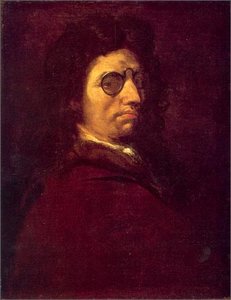
Luca Fa Presto
1634 - 1705 , Itaalia
Lühikesed faktid
- Artistic Movement Or Style: Late Baroque
- Artists Or Movements Influenced By This Artist: ['Paolo de Matteis']
- Artists Who Influenced This Artist: ['Jusepe de Ribera']
- Date Of Birth: 1634
- Full Name: Luca Giordano
- Nationality: Italian
- Notable Artworks:
- The Judgment of Paris
- Christ with Doctors
- Place Of Birth: Naples, Italy
Seotud artiklid
Alte Pinakothek: 25 meistriteost Münchenis – Kunstikollektsioon teie interjööri
Avastage Alte Pinakothek Müncheni 25 suurimat meistriteost! Sukeldume renessansi, baroki ja klassikalise kunsti maailma. Leonardo da Vinci, Rubens ja teised – leidke inspiratsiooni interjööri kujunduseks OriginalUniqueArt.com-is. Vaadake kollektsiooni!
Luca Giordano: Neapolitan Baroque Master & His European Influence
Explore the life & works of Luca Giordano, the celebrated Neapolitan Baroque master. Discover his prolific fresco cycles, Roman commissions, and lasting influence on European art history. Learn more at OriginalUniqueArt.
Decoding Baroque Grandeur: A Guide to the Drama and Emotion of 17th-Century Art
Explore the breathtaking drama of 17th-century Baroque art. Our expert guide decodes the use of chiaroscuro, emotional intensity, and historical grandeur to help you appreciate and curate timeless masterpieces for your collection.

Baroque Classicism: The Grandeur of Order and Drama in 17th-Century Art History
Explore the profound elegance of Baroque Classicism. Discover how 17th-century masters synthesized dramatic emotion with classical order through the lens of the Counter-Reformation and the works of legends like Carlo Maratta and Andrea Sacchi.

The Dramatic Flourish: Exploring the Baroque Movement's Enduring Legacy in Art History
Explore the dramatic world of Baroque art! Discover iconic artists like Caravaggio & Rubens, defining techniques, and its lasting impact on art history. Expert insights for collectors & enthusiasts at OriginalUniqueArt.

