Lülita trükkitoodetele
 Loe lähemalt







































 Kunstiteoste või reproduktsioonide puhul, mille üks külg on üle 105 cm (umbikmolt 41 tolli), saadetakse raam kirjal asendis, la Dismantlitud komplektina. See meetod tagab ohutuse kohaletoimetamisel ja väldib transpordil tekkivaid kahjustusi.


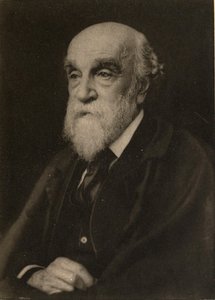
John Bright (1811–1889): A Portrait of Moral Integrity
Lowes Cato Dickinson’s 1873 depiction of John Bright stands as a testament to Victorian England's fascination with capturing the essence of prominent figures—not merely their physical appearance, but also their inner convictions. Located at Touchstones Rochdale in the United Kingdom, this oil on canvas painting offers a glimpse into the mind of one of Britain’s most influential social reformers and theologians.
- Subject Matter: The portrait portrays John Bright himself—a Quaker minister and staunch advocate for abolitionism—seated thoughtfully at a desk. Dickinson meticulously rendered his face, capturing the seriousness etched upon his countenance and conveying an aura of profound contemplation.
- Style & Technique: Dickinson adhered to the tenets of Realism, prioritizing accuracy in portraying detail. The artist skillfully utilized soft lighting to illuminate Bright’s visage, avoiding harsh shadows while highlighting facial features with remarkable precision. Color palettes were subdued, focusing on textural nuances rather than vibrant hues—a stylistic choice characteristic of the Pre-Raphaelite movement and indicative of Dickinson's artistic sensibilities.
Historical Context: Victorian Moral Reform
Painted during a period marked by fervent moral reform within Britain, Dickinson’s portrait reflects the broader societal anxieties surrounding social justice and religious conviction. The Victorian era witnessed an intense debate concerning ethical conduct and the role of religion in shaping public opinion—a discussion powerfully articulated by Bright himself.
- Influence: Dickinson's work aligns closely with the artistic ideals championed by luminaries like John Ruskin and Dante Gabriel Rossetti, figures who prioritized spiritual depth alongside aesthetic beauty.
- Social Significance: The inclusion of a desk laden with books underscores Bright’s intellectual pursuits—a deliberate gesture reflecting the Victorian preoccupation with education and moral philosophy.
Symbolism & Emotional Resonance
Beyond its technical merits, “John Bright” resonates emotionally due to Dickinson's masterful portrayal of inner contemplation. The seated posture and furrowed brow convey a sense of solemn seriousness—suggesting Bright’s unwavering dedication to his beliefs and his profound engagement with weighty moral dilemmas.
- Composition: The dimly lit room serves as an understated backdrop, emphasizing Bright's presence and reinforcing the painting's contemplative mood.
- Overall Impression: Dickinson successfully captures not just a likeness but also the spirit of John Bright—a figure embodying moral integrity and intellectual rigor within the context of Victorian society.
Availability & Reproduction
A high-quality reproduction of this artwork is available at OriginalUniqueArt.com under a Creative Commons Attribution-NonCommercial license.
Korduvad küsimused
Kes lõi teose "John Bright (1811–1889)" ja millises stiilis see on?
Teose "John Bright (1811–1889)" on loonud Lowes Cato Dickinson Victorian Realism stiilis. Kunstnik ja suunamine määratlevad teose traditsiooni.
Kui hele on teos "John Bright (1811–1889)" üldiselt?
Üldiselt on teose "John Bright (1811–1889)" heledus registreeritud väärtusega sügavvarjud. Perseeitud heledus kirjeldab, kui valguse või tumeda tundub teos olevat.
Kes lõi teose "John Bright (1811–1889)" ja millal?
Lowes Cato Dickinson loob teose "John Bright (1811–1889)" aastal 1873.
 Eelvaade
 Saada
Saada Jaga
Jaga
 Teave teose kohta
 Juhend

 Laadi alla
 Sarnased teosed
 Röntgenuuring
 Slaidietendus
 KÜSIMUSED JA VASTUSID
 Statistika