
 Eelvaade
 Saada
Saada Jaga
Jaga
 Teave teose kohta
 Juhend

 Laadi alla
 Sarnased teosed
 Röntgenuuring
 Slaidietendus
 Q&A
Q&A Statistika
Scène de cabaret


 Loe lähemalt
Giclée / Kunstiprint
Muuseumikvaliteediga giclée- või kangasprint kiire tootmisega ja paindlikud viimistlusvõimalused. ( Osta käsitsi maalatud teos Lülita digitaalse pildi juurde)




P118B €10

P118H €10

P118W €10

P438Z €10

P508JH €12

P508YH €12

P805H €10

P805Z €10

P919BZ €10

P919G €10

P919XJ €10

P959ZH €10

P968JZ €12

W106C €8

W218G €10

W218JH €8

W218Y €10

W307PJ €10

W316G €10

W316PJ €8

W316Y €10

W398PJ €8

W4111J €10

W500HY €15

W500JH €15

W692G €12

W849H €8

W940BG €15

W953PJ €8




Vali meie eelmääratud suurused, mis vastavad teose algupärastele proportsioonidele.

Sisestage vajalik laius ja kõrgus, et see sobiks teie raamile või seinale. Trükki saab ainult lõigata, seda ei saa kunagi pildist suuremaks teha, seega ka erineva mustega suurus kaotab osa pildist. Enne trükkimist saadame teile kinnitamiseks digitaalse näidisprojektsiooni. Sellel lehel näidatud pilt ei kujuta reaalset lõiget — seda näitab ainult näidisprojektsioon.
Ülemaailmne tarne () 2 nädala jooksul, tavalise 4/5 nädala asemel. (31 oktoober)

Tasuta ekspresssaatmine üle maailma

Kõrgekvaliteediline lina-kangas

Täielik transpordikindlustus

Tollimaksude tagastamise garantii

Värvitoime täpsuse garantii

100 päeva tagastusõigus (ainult valmistusdefektide korral)

100% raha tagasi garantii

Hulgusoodustus
 Klaasivalik on saadaval ainult kuni 110 cm suuruses teostes

Scène de cabaret
Giclée / Kunstiprint
Reproduktsiooni suurus
-


Koguhind
€ 71
A Window into Parisian Vibrancy
In the heart of early 19th-century Paris, amidst the shifting political tides between the reign of Louis XVI and the rise of Napoleon Bonaparte, there existed a world of shared laughter, whispered secrets, and communal revelry. Louis Léopold Boilly’s “Scène de cabaret” serves as a masterful time capsule, capturing this ephemeral energy with the precision of a photographer and the soul of a poet. The painting invites us into a bustling tavern, where the boundaries between social classes seem to blur under the warmth of shared companionship. As we gaze upon the crowded composition, we are not merely observers of a distant historical moment; we are participants in a lively gathering, drawn into the rhythmic pulse of a society finding joy in the simple act of togetherness.
The subject matter is a quintessential example of genre painting, focusing on the unvarnished beauty of everyday life. Boilly meticulously populates the cabaret with figures engaged in the timeless rituals of socialization—sipping wine, leaning into intimate conversations, and navigating the lively movement of a public space. This microcosm of bourgeois society offers a profound sense of intimacy, making it an ideal centerpiece for those looking to bring a sense of lived-in history and warmth to a sophisticated interior.
Mastery of Realism and Texture
Technically, “Scène de cabaret” is a triumph of the École de peinture française Realism. Boilly’s approach eschews the idealized grandeur of Romanticism in favor of an unflinching, tactile accuracy. Through the careful layering of oil paints on canvas, he achieves a remarkable textural depth that rewards close inspection. One can almost feel the rough weave of a woolen waistcoat, the cool smoothness of a polished wooden table, and the delicate crispness of white linen collars. This commitment to detail is supported by a sophisticated use of linear perspective, which guides the viewer’s eye through the dense crowd, creating an immersive sense of three-dimensional space.
The color palette is intentionally restrained, relying on a harmonious arrangement of muted earth tones—rich browns, soft beiges, creamy whites, and subtle grays. This sophisticated, neutral scheme allows the nuances of light and shadow to take center stage. The lighting within the scene feels natural and diffused, as if filtered through a high tavern window, casting a gentle glow that avoids harsh shadows and instead bathes the subjects in an even, inviting light. For the discerning collector or interior designer, this balanced palette offers incredible versatility, complementing both classical and contemporary decor with its understated elegance.
The Soul of the Scene
Beyond its technical brilliance, the painting resonates with a deep emotional intelligence. There is a palpable sense of conviviality—a celebration of the human spirit that remains universally relatable across centuries. The composition, while crowded, maintains a sense of stability through its horizontal format, yet it vibrates with an underlying dynamism. Every figure contributes to a larger narrative of connection and shared experience, making the artwork feel less like a static image and more like a captured breath of life.
To possess a reproduction of this work is to bring more than just paint and canvas into a home; it is to invite an atmosphere of cultured nostalgia and spirited warmth. Whether placed in a grand library or a cozy dining nook, “Scène de cabaret” acts as a conversation starter, evoking the charm of old Paris and the enduring beauty of the human connection. It remains a timeless tribute to the art of living well.
Korduvad küsimused
Milline on teose „Scène de cabaret“, autor Louis Léopold Boilly värvitooni intensiivsus?
Teoses „Scène de cabaret“, autor Louis Léopold Boilly on Balanced värvitoon.
Kas teos "Scène de cabaret" on ilma autoriõigusteta?
Tegijateõiguse osas on teos "Scène de cabaret" kuuluv klassifikatsiooni alla: avalikus õiguses – selle autoriõigud onหมดunud.
Kas teost "Scène de cabaret" peetakse kunstniku kodumaal?
Ei – teos asub välismaal. Louis Léopold Boilly sündis riigis Prantsusmaa ning teose "Scène de cabaret" algorig on säilitatud muuseumis, mis asub riigis France.
Kunstniku elulugu
Louis Léopold Boilly: Prantsuse elutruuduse ja ühiskondliku peegli meister
Louis Léopold Boilly (5. juuli 1761 – 4. jaanuar 1845) oli prantsuse kunstnik, kelle nimi on tihedalt seotud 18. sajandi lõpu ja 19. sajandi alguse Prantsusmaa elutruuduse maalimisega ning kes kujutas tabavalt oma kaasaegse ühiskonna elu. Sündinud La Bassées’s, Põhja-Prantsusmaal, oli Boilly peamiselt iseõppija, kuigi ta sai varaseid õpetussõnu Dominique Doncrelt trompe-l'oeili alal. Tema kunstiline karjäär algas juba nooruses – kaksteist aastasena valmisid esimesed teosed. 1774. aastal tunnustati tema andekust Douai Augustiinide ordu poolt, mis viis kutseni Arras’ piiskopilt. See periood tõi kaasa üle koljesaja väikese portree loomise, mis demonstreerisid juba varakult oskust tabada sarnasusi ja detaile. Tema varased teosed olid sageli armastus- ja moraliseerivate motiividega, näidates tema arenevat võimet kujutada inimlikke emotsioone ja olukordi.Kujunemine ja stiili eripärad
Boilly kunstiline teekond oli pidev arenemine. Pärast 1794. aastat muutusid tema kompositsioonid tihedamad, peegeldades Pariisi elava sotsiaalse atmosfääri pulssi. Tema portreed said laialdast tunnustust – karjääri jooksul valmis üle viie tuhande portree. Boilly stiili iseloomustas pedantne detailitäpsus, hoolikas värvipalett ja keskendumine prantsuse kesklassi igapäevaelu kujutamisele. Ta oskuslikult ühendas portreekunstis žanrimaalimisega, luues teoseid, mis olid nii realistlikud kui ka narratiivsed. Tema loomingust leiab tähelepanuväärse optilise illusiooni elemendi – ta oli sügavalt huvitatud optikast ja demonstreeris seda oma töödes nagu *Un Trompe-l'œil*, millega ta tutvustas terminit kirjeldamaks tema tehnikat realistlike piltide loomisel, mis jäljendavad kolmemõõtmelisi objekte. See oskus andis tema teostele eriliselt elava ja veenva ilme.Olulised teosed ja kunstiline mõju
Boilly loomepärand on rikkalik ja mitmekesine. *The Suitor's Gift* on varajane töö, mis näitab tema oskust kujutada armastus-teemasid ning tähelepanu detailidele. *Triumph of Marat* on patriootlik teos, loodud vältimaks hukkamõistu Terrori valitsuse ajal – see demonstreeris Boilly pragmatismi ja võimet kohaneda muutuvate poliitiliste olude tingimustes. *The Arrival of a Mail-Coach in the Courtyard of the Messageries* on elav kirjeldus Pariisi elust ja transpordist, mis annab väärtusliku ülevaate 19. sajandi alguse linnaelu kohta. Tema loomingut mõjutasid Gabriel Metsu, Willem van Mieris ja Gerard ter Borch – hollandi maalikunstnikud, kelle realistlik stiil ja tähelepanu detailidele kajastusid Boilly töödes.Tunnustus ja pärand
Boilly saavutas suure tunnustuse Pariisi Salongis 1804. aastal, kinnistades oma maine andeka kunstnikuna. 1833. aastal autasustati teda Chevalier’i orduga, mis tunnistas tema panust prantsuse kunsti. Tema poeg Alphonse Boilly oli professionaalne graafik ja õpipoiss New Yorgis Asher Brown Durandi juures. Boilly töö pakub hindamatuid teadmisi prantsuse kesklassi sotsiaalsetest kommetest, moest ja igapäevaelust olulise poliitilise pöörde ajal. Ta meenutatakse kui üht Prantsusmaa tuntuimat portree- ja žanrimaalijat. Tema teosed on tänini eksponeeritud prestiižsetes muuseumides nagu Musée des Beaux Arts Lille’is, Louvre’is ning National Gallery of Art Washington D.C.-s, kus leidub tema *Self-Portrait*, *Les Amateurs de Tableaux* ja *The Public in the Salon of the Louvre, Viewing the Painting of the "Sacre"* teoseid. Boilly looming on väärtuslik ajalooline dokument ning kunstiline inspiratsioonipallikas.
Louis Léopold Boilly
1761 - 1845 , Prantsusmaa
Lühikest infot
- Artistic Movement Or Style: Žanrimaal, Portreekunst
- Artists Who Influenced This Artist:
- Gabriel Metsu
- Willem van Mieris
- Gerard ter Borch
- Date Of Birth: 5. juuli 1761
- Date Of Death: 4. jaanuar 1845
- Full Name: Louis Léopold Boilly
- Nationality: Prantslane
- Notable Artworks:
- The Suitor's Gift
- Triumph of Marat
- Arrival of a Mail-Coach
- Place Of Birth: La Bassée, Prantsusmaa
Sarnased artiklid

Romantic Realism's Finest: 10 Masterpieces for Your Home | OriginalUniqueArt
Explore 10 defining masterpieces of Romantic Realism! Discover Courbet, Millet & Daumier's powerful paintings—capturing emotion and social realities. Find museum-quality reproductions for your home at OriginalUniqueArt.com.
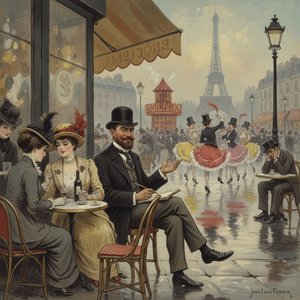
Jean-Louis Forain: Capturing Parisian Life with Wit & Realism
Explore the captivating world of Jean-Louis Forain, a master Impressionist chronicler of Belle Époque Paris. Discover his satirical paintings, realistic scenes & lasting legacy. Learn about collecting Forain's art today!

25 Iconic Masterpieces by Henri de Toulouse-Lautrec: The Soul of Montmartre
Step into the vibrant nightlife of Montmartre with our curated guide to the top 25 Henri de Toulouse-Lautrec masterpieces. Explore the soul of Post-Impressionism through iconic posters and paintings. Find museum-quality art reproductions at OriginalUniqueArt.com. Discover all masterpieces online.

25 Iconic Masterpieces by Henri de Toulouse-Lautrec: The Soul of Montmartre
Step into the vibrant nightlife of Montmartre with our curated guide to the top 25 Henri de Toulouse-Lautrec masterpieces. Explore the soul of Post-Impressionism through iconic posters and paintings. Find museum-quality reproductions for your decor at OriginalUniqueArt.com. Explore the full collection online.

Alfred Stevens: Capturing Parisian Life with Intimate Realism & Symbolist Flair
Explore the captivating world of Alfred Stevens, a pioneer of intimate realism & Symbolist painting. Discover his elegant portraits of Parisian women and learn about his Dutch influences & lasting legacy. Art history insights at OriginalUniqueArt.