
 Eelvaade
 Saada
Saada Jaga
Jaga
 Teave teose kohta
 Juhend

 Laadi alla
 Sarnased teosed
 Röntgenuuring
 Slaidietendus
 KÜSIMUSED JA VASTUSID
 Statistika
St Sebastian

- 55.0 x 49.0 cm


 Loe lähemalt
Giclée / Kunstiprint
Muuseumikvaliteediga giclée- või kangasprint kiire tootmisega ja paindlikud viimistlusvõimalused. ( Osta käsitsi maalatud teos Lülita digitaalse pildi juurde)




P118B €10

P118H €10

P118W €10

P438Z €10

P508JH €12

P508YH €12

P805H €10

P805Z €10

P919BZ €10

P919G €10

P919XJ €10

P959ZH €10

P968JZ €12

W106C €8

W218G €10

W218JH €8

W218Y €10

W307PJ €10

W316G €10

W316PJ €8

W316Y €10

W398PJ €8

W4111J €10

W500HY €15

W500JH €15

W692G €12

W849H €8

W940BG €15

W953PJ €8




Vali meie eelmääratud suurused, mis vastavad teose algupärastele proportsioonidele.

Sisestage vajalik laius ja kõrgus, et see sobiks teie raamile või seinale. Trükki saab ainult lõigata, seda ei saa kunagi pildist suuremaks teha, seega ka erineva mustega suurus kaotab osa pildist. Enne trükkimist saadame teile kinnitamiseks digitaalse näidisprojektsiooni. Sellel lehel näidatud pilt ei kujuta reaalset lõiget — seda näitab ainult näidisprojektsioon.
Ülemaailmne tarne () 2 nädala jooksul, tavalise 4/5 nädala asemel. (4 november)

Tasuta ekspresssaatmine üle maailma

Kõrgekvaliteediline lina-kangas

Täielik transpordikindlustus

Tollimaksude tagastamise garantii

Värvitoime täpsuse garantii

100 päeva tagastusõigus (ainult valmistusdefektide korral)

100% raha tagasi garantii

Hulgusoodustus
 Klaasivalik on saadaval ainult kuni 110 cm suuruses teostes

St Sebastian
Giclée / Kunstiprint
Reproduktsiooni suurus
-


Koguhind
€ 72
A Study in Suffering and Serenity: Lorenzo Costa’s St. Sebastian
Lorenzo Costa (the Elder)’s 1490 depiction of Saint Sebastian is not merely a religious painting; it's a profound meditation on martyrdom, endurance, and the quiet strength found within suffering. Housed within the hallowed halls of the Galleria degli Uffizi in Florence, this tempera-on-panel masterpiece transcends its historical context to resonate with viewers centuries later, offering a glimpse into the artistic sensibilities and spiritual concerns of the Northern Renaissance.
The painting immediately draws the eye to the central figure – Sebastian himself. He’s rendered not as a screaming victim, but with an almost serene acceptance of his fate. The arrows piercing his torso are not depicted in a violent or dramatic manner; instead, they are subtly integrated into his form, suggesting a slow, inevitable surrender rather than a sudden attack. This deliberate restraint is key to the painting's power – it transforms a scene of brutal death into one of dignified endurance. Notice the pale skin tone, meticulously rendered with layers of tempera, and the carefully observed bruises and marks; these aren’t signs of immediate agony but rather the lingering echoes of pain, testament to Costa’s commitment to realism.
The Northern Renaissance Aesthetic
Costa's style firmly places this work within the burgeoning Northern Renaissance tradition. Unlike the more flamboyant and idealized figures often found in Italian art of the period, Costa favors a grounded approach, prioritizing anatomical accuracy and naturalistic detail. The use of light and shadow is masterful – a chiaroscuro technique that creates a palpable sense of depth and volume, pulling the viewer into the scene. The dark background serves to isolate Sebastian, emphasizing his vulnerability yet simultaneously highlighting his inner fortitude. The minimalist clothing—a suggestion of draped fabric at the bottom—further directs attention to the figure’s physical state and emotional bearing.
Symbolism and Spiritual Resonance
Saint Sebastian's story is deeply rooted in Christian lore, a tale of youthful beauty, divine intervention, and ultimately, martyrdom. Originally a Roman soldier, he was commissioned by Diocletian to hunt down Christians but himself converted to the faith. He was then subjected to torture and ultimately shot with arrows before miraculously recovering from his wounds. The painting’s symbolism is layered: Sebastian represents Christ's suffering and sacrifice, offering a potent visual reminder of Christian ideals. The arrows themselves can be interpreted as symbols of temptation and persecution, while Sebastian’s acceptance embodies the triumph of faith over adversity.
A Legacy in Florence
Beyond its immediate aesthetic qualities, Costa’s St. Sebastian stands as a significant contribution to the artistic landscape of 15th-century Florence. It shares stylistic affinities with other prominent artists of the era, including Hans Memling and Benozzo Gozzoli, both masters of depicting religious subjects with remarkable realism and emotional depth. The painting's presence within the Uffizi Gallery underscores its enduring importance—a testament to Costa’s skill as a painter and his profound understanding of human experience. Further enriching our appreciation is the connection to other notable works from the same period, such as Giotto Di Bondone’s frescoes in the Collegiate Church of San Gimignano, offering a broader context for appreciating the artistic currents of the time.
Korduvad küsimused
Kes on teose "St Sebastian" kunstnik?
Teose "St Sebastian" loovija on Lorenzo Costa (Vanem). Selle lehe info kirjeldab Lorenzo Costa (Vanem) algteost.
Kuidas leida teoseid, mis on stiilis sarnased teosele „St Sebastian“, autor Lorenzo Costa (Vanem)?
Teosed, mis sarnanevad teosega "St Sebastian", on loetletud selle teose Sarnased teosed lehel.
Kuidas saan tellida teose „St Sebastian“, autor Lorenzo Costa (Vanem) trükki?
Teose „St Sebastian“, autor Lorenzo Costa (Vanem) trüket saate tellida otse selle Kvaliteetne kunstutrüki print lehelt: kunstiprint puuvillalõikel kangas või arhiveeritaval kangaspaberil.
Kunstniku elulugu
Müüdi ja usu maalari elu: Lorenzo Costa
Lorenzo Costa (1460–1535) seisab Itaalia renessanssi õitsevates kunstilistes maastikudes kui üks nurgastamad tegelasi, kehastades Ferrara ja Bologna koolkondade intellektuaalset dünaamikat. Sündides vibrantses Ferraras, astus Costa sammu maailma, kus piirid vaimuliku pühendumuse ja humanistliku uurimise vahel olid kaunilt hägusenud. Tema loomingut iseloomustab stiililise elegantsi ja sügava vaimse mõttelise ühinemise eripärane segu — omadus, mis võimaldas tal navigeerida nii religioossete institutsioonide kui ka oma ajastu kõige sofisteeritumate sekulaarsete õukondade keeruliste nõudmistega. Tema pintslis kohtus jumaliku eteeriline valgus klassikalise müütoloogia struktureeritud iluga, luues visuaalse keele, mis resonantsis sügavalt renessanssi vaimuga.Formatiivsed aastad ja valguse meisterlikkus
Kuigi Costa varasemate aastate arhivdokumendid on üsna harvad, oli tema kunstiline DNA selgelt vormitud Põhja-Itaalia töikoda. On laialt tunnustatud, et ta läbis Bologna meister Francesco Francia õpilasena rangist koolituse. See õpilaskolu periood oli tema jaoks transformatsiooniline, installeerides temasse hoolika täpsuse detailidesse ja varajase huvi sfumato tehnikale — Leonardo da Vinci populärsustanud pehmet, suitsupärase toonide segamist. Franciast päris Costa sügav arusaatus perspektiivist ja chiaroscuro draamatilistest kasutamisest, mis võimaldas tal luua figuure varjust ja infuseerida oma kompositsioonidega ühestupäratu sügavuse ja emotsionaalse kaalu tunnet. See tehniline alus võimaldas tal liikuda kaugemale pelgust esitlusest, püüdes selle asemel tabada teemade ümbritsevat atmosfääri.Mantua õukonna hiilgus
Costa karjääri tipphetk oli lahutumatu seotud tema prestiežsuse nimel saanud ametiga Mantua markiisanna Isabella d'Este õukuningamaalari. Olles üks Euroopa ajalugu võimsamaid ja eristunumaimas toetajaid, nõudis Isabella d'Este kunsti, mis toimiks nii esteetilise triumfi kui ka intellektuaalse mõstlusena. Tema pilgu all arenes Costa töö, omades keerukaid müütilisi allegorioid ja humanistlikke ideaale. Tema maalid said palju enema kui pelgad religioosne ikoonid; need olid sofisteeritud narratiivid, mis olid loodud teadlastele ja aristokraatidele. Tema elu see periood leidis kätte:- klassikaliste Greek ja Rooma müütide integreerimise kaasaegses Itaalia maalikunstis,
- suurema rõhu panemise sümbolilisele tähendusele, kus iga žest ja botaaniline detail kandis kaasat väärtust,
- pehmema, atmosfäärilise stiili tärakompetentsuse, mis võttis vastu õukondlikult nõutud peenuse ja elegantsi.
Pärand ja ajalooline tähtsus
Renessanssi edenedes levines Costa mõju läbi Ferrara ja Bologna kunstikumunite, jättides temast püsiva jälje Itaalia koolkonna arengule. Tema võime harmoniseerida Ferrarese meistrite karmid, emotiivsed traditsioonid koos Bolognese maalari lirikalise ja lihvitud stiiliga lõi unikaalne stiililine sild. Isegi uute suundumuste tekkides jäi Costa pühendumus ilu ja narratiivi tasakaalu saavutamisele tema järglaste standardiks. Täna teda mäletatakse mitte ainult oskusliku käsitöömeistrina, vaid visjonärina, kes tabas ajastu hinget — kunstnikuna, kes suutis muuta antiikse müütid sama vahetuna ja elavana kui kristliku usule kuuluvad pühad isikud.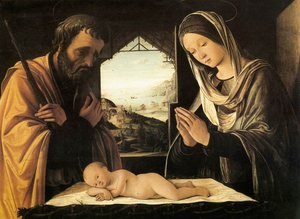
Lorenzo Costa (Vanem)
1460 - 1535 , Italia
Lühikest infot
- Artistic Movement Or Style: Ferrara ja Bologna koolid
- Artists Who Influenced This Artist:
- Cosimo Tura
- Francesco Francia
- Date Of Birth: u 1460 Ferrara, Itaalia
- Date Of Death: 5. märts 1535
- Full Name: Lorenzo Costa il Vecchio
- Nationality: Itaalia renessanss
- Notable Artworks:
- Venus (detail)
- Suur altarpint, S. Pietro in Vincoli oratoorium
- Madonna ja vägevad
- Place Of Birth: Ferrara
Sarnased artiklid

The Northern Renaissance: A Flourishing of Realism, Religious Reform & Artistic Innovation
Explore the Northern Renaissance! Discover Jan van Eyck's innovations, religious shifts, & key artists of this influential period. Expert analysis and insights into Early Netherlandish painting at OriginalUniqueArt.

El Greco 25 parimat teost: Hingemattev kunst kollektsioon OriginalUniqueArt.com-is
Avastage El Greco 25 parimat teost! Sukelduge hispaania renessansi ja baroki maailma. Vaadake ikoonilisi maale nagu St Sebastian, Laagendatud Maria ja palju muud. Leidke täiuslik kunstiteos oma kodule OriginalUniqueArt.com-is – kvaliteetsed reproduktsioonid ja inspiratsioon interjööridisainiks. Avastage kogu
Põhja Renessansi 10 Meisterteost: Kunsti ja Sisustamise Klassikat
Avasta Põhja Renessansi 10 ikoonilist meistriteost! Van Eyck, Dürer ja Holbein – nende teoste lugu, kunstnikud ja värvid. Leia inspiratsiooni sisustamiseks ning kaunista oma kodu renessanssi klassikaga. Uuri täielik kollektsioon OriginalUniqueArt.com-is!
Mario Sironi: A Poetic of Modern Italian Identity Through Symbolism & Social Commentary
Explore the profound works of Mario Sironi, a key figure in Italian Modernism. Discover his evolution from Futurism to Metaphysical painting and his powerful social commentary. Learn about his legacy at OriginalUniqueArt.

Drama and Light: A Definitive Guide to the Italian Baroque Masterpieces and the Revolution of Chiaroscuro
Explore the dramatic world of Italian Baroque art. Discover how masters like Caravaggio used chiaroscuro and tenebrism to revolutionize painting through light, shadow, and profound realism. A definitive guide for history lovers and art collectors.
