Text size

() ·

A painting made for you, by hand

Uuring Sforza monumendi jaoks

Käsitsi valmistatud õlimaalireproduktsioon

Meie kunstnike poolt tellimusel valmistatud käsitsi maalitud õli-kainaste teos teie soovitud suuruses ja raamis. ( Lülita trükkitoodetele Lülita digitaalse pildi juurde)

Kogumisobjekti kirjeldus

Avastage Leonardo da Vinci revolutsiooni – Sforza monumendi uuring. Vaata klassikalist kunsti ja poliitikat, tellitud Ludovico Sforza poolt. Unikaalne reproduktsioon!

Kunstniku elulugu

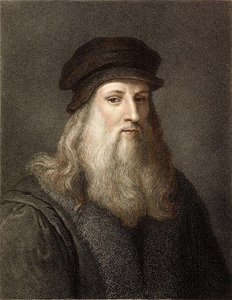
Avastage Leonardo da Vinci (1452-1519): Mona Lisa ja Viimase õhtusöögi renessanssgenius! Avastage tema sfumato tehnika, anatoomiauuringud ja murdilavad leiutised.

from ·

Chapter 1

How large should it be?

Slide to change the size; the picture on the left shows the frame at its real width. The proportions of the original are kept.

Standardne suurus
kohandatud
CM
INCH

Vali meie eelmääratud suurused, mis vastavad teose algupärastele proportsioonidele.

laius
kõrgus

Sisestage vajalik laius ja kõrgus, et teos sobiks teie raamile või seinale. Kuna tegu on käsipainatud teosega, siis erineva kujuga suuruse korral võib kunstnik jätta pildi ümber veidi rohkem marginaali või lõigata osa ära — valik on teie. Enne maali alustamist saadame teile kinnitamiseks digitaalse näidisprojektsiooni. Sellel lehel näidatud pilt ei kajasta tegelikku tulemust — seda näitab ainult näidisprojektsioon.

Chapter 2

How should it arrive?

Choose the edges of the stretched canvas

Choose your frame

Corner sample of the WhiteWrap canvas edge finish, stretched on massivpuit bars
White €1
Corner sample of the BlurSideWrap canvas edge finish, stretched on massivpuit bars
Blurside €1
Corner sample of the ExtendedWrap canvas edge finish, stretched on massivpuit bars
Extended €1
Corner sample of the P118B picture frame: vormitud polüstüreen, 5 cm wide and 3 cm thick
P118B €10
Corner sample of the P118H picture frame: vormitud polüstüreen, 5 cm wide and 3 cm thick
P118H €10
Corner sample of the P118W picture frame: vormitud polüstüreen, 5 cm wide and 3 cm thick
P118W €10
Corner sample of the P438Z picture frame: vormitud polüstüreen, 5.5 cm wide and 3.5 cm thick
P438Z €10
Corner sample of the P508JH picture frame: vormitud polüstüreen, 7 cm wide and 3.5 cm thick
P508JH €12
Corner sample of the P508YH picture frame: vormitud polüstüreen, 7 cm wide and 3.5 cm thick
P508YH €12
Corner sample of the P805H picture frame: vormitud polüstüreen, 5 cm wide and 3.5 cm thick
P805H €10
Corner sample of the P805Z picture frame: vormitud polüstüreen, 5 cm wide and 3.5 cm thick
P805Z €10
Corner sample of the P919BZ picture frame: vormitud polüstüreen, 7 cm wide and 3.5 cm thick
P919BZ €10
Corner sample of the P919G picture frame: vormitud polüstüreen, 7 cm wide and 3.5 cm thick
P919G €10
Corner sample of the P919XJ picture frame: vormitud polüstüreen, 7 cm wide and 3.5 cm thick
P919XJ €10
Corner sample of the P959ZH picture frame: vormitud polüstüreen, 5 cm wide and 3 cm thick
P959ZH €10
Corner sample of the P968JZ picture frame: vormitud polüstüreen, 6 cm wide and 4 cm thick
P968JZ €12
Corner sample of the W106C picture frame: massivpuit, 5 cm wide and 3 cm thick
W106C €8
Corner sample of the W218G picture frame: massivpuit, 5 cm wide and 3 cm thick
W218G €10
Corner sample of the W218JH picture frame: massivpuit, 5 cm wide and 3 cm thick
W218JH €8
Corner sample of the W218Y picture frame: massivpuit, 5 cm wide and 3 cm thick
W218Y €10
Corner sample of the W307PJ picture frame: massivpuit, 6 cm wide and 3 cm thick
W307PJ €10
Corner sample of the W316G picture frame: massivpuit, 6 cm wide and 3 cm thick
W316G €10
Corner sample of the W316PJ picture frame: massivpuit, 6 cm wide and 3 cm thick
W316PJ €8
Corner sample of the W316Y picture frame: massivpuit, 6 cm wide and 3 cm thick
W316Y €10
Corner sample of the W398PJ picture frame: massivpuit, 5 cm wide and 3 cm thick
W398PJ €8
Corner sample of the W4111J picture frame: massivpuit, 6.5 cm wide and 3.5 cm thick
W4111J €10
Corner sample of the W500HY picture frame: massivpuit, 7 cm wide and 5 cm thick
W500HY €15
Corner sample of the W500JH picture frame: massivpuit, 7 cm wide and 5 cm thick
W500JH €15
Corner sample of the W692G picture frame: massivpuit, 8 cm wide and 4 cm thick
W692G €12
Corner sample of the W849H picture frame: massivpuit, 5 cm wide and 3 cm thick
W849H €8
Corner sample of the W940BG picture frame: massivpuit, 7.5 cm wide and 4.5 cm thick
W940BG €15
Corner sample of the W953PJ picture frame: massivpuit, 6 cm wide and 3.5 cm thick
W953PJ €8
Corner sample of the H24-GOLD picture frame: kareeritud puit ja gesso, 10 cm wide and 6 cm thick
H24-GOLD €30
Corner sample of the H24-SILVER picture frame: kareeritud puit ja gesso, 10 cm wide and 6 cm thick
H24-SILVER €30
Corner sample of the H36-GOLD picture frame: kareeritud puit ja gesso, 15 cm wide and 6.5 cm thick
H36-GOLD €45
Corner sample of the H36-SILVER picture frame: kareeritud puit ja gesso, 15 cm wide and 6.5 cm thick
H36-SILVER €45
Raami eelvaade
Raamitud

Moulding: . Overall size with the frame: .

Chapter 3

Who paints it, and should anything change?

Examples of what can be changed: Replace face with customer photo; Add pet (e.g., replace cat with dog); Include hidden message in background; Change background landscape or elements.
After order, OriginalUniqueArt.com team will email client for instructions and provide a mockup preview

Maailmline tarne 3–4 nädala jooksul tavalise 5 nädala asemel. (31 oktoober). Kvaliteedis kompromisse ei tehta.

Chapter 4

The finishing touches

A nameplate, as in a museum?

Graveeritud pronksplaadi üksikasjad

This elegant plaque features the artist's name and the title of the artwork, finely engraved for a timeless presentation.

It is made from bronze with a refined, elegant finish. The text is precisely laser-engraved for a sharp and permanent result. Measuring 9x2 cm, the plaque is compact yet easy to read. It's built to be durable and scratch-resistant, offering a professional, museum-quality look. Mounting is simple thanks to the included adhesive backing.

Läbipaistva akrüülplaadi üksikasjad

The plaque includes essential engraved details such as the artist's name, the title of the artwork, the date it was created, the type of media used-like oil on canvas or watercolor-a brief description of the piece, and a QR code that links to the complete artwork information.

It is crafted from clear acrylic, offering a sleek, modern appearance. The text is UV-engraved in black to ensure strong visual contrast. With a size of 10x15 cm, it ensures optimal readability. It comes equipped with two metal hooks for secure wall mounting. The plaque is designed to be weather-resistant, making it suitable for various environments, and it includes interactive features that work seamlessly with smartphone scanning.

Musta akrüülplaadiรายละเอียด (Note: The user provided "Musta akrüülplaadi detailid" as the current translation and asked for an improved version. Since "Musta akrüülplaadi

This elegant plaque includes engraved information such as the artist's name, the title of the artwork, the date it was created, the type of media used (like oil on canvas or watercolor), a short description of the artwork, and a QR code for quick access to more information.

The plaque itself is made from refined black acrylic with a premium finish. The text is laser-engraved in white for high contrast and readability. Its size is 10x15 cm, designed to be easy to read. It comes with two metal hooks for professional mounting. The design is sleek and fits any interior style. It is also weather-resistant and durable, with built-in digital integration for mobile compatibility.

A protective varnish?

When do you need it?

Chapter 5

Your painting, as you ordered it

Uuring Sforza monumendi jaoks

Reproduktsiooni tehnika

Reproduktsiooni suurus

-

Eelistatud tippkunstnik

Rohkem detaile, peenust ja lisatootmisaega

-

Reproduktsiooni raamivalikud

-

-

Kunstiteoste või reproduktsioonide puhul, mille üks külg on üle 105 cm (umbikmolt 41 tolli), saadetakse raam kirjal asendis, la Dismantlitud komplektina. See meetod tagab ohutuse kohaletoimetamisel ja väldib transpordil tekkivaid kahjustusi.

Vajalik professionaalne kokkupanek – see ei ole isetegevusega valmistamiseks mõeldud toode.
Komplekt tuleb kokku panna ja lõvet pingutada kogemusega professionaalse raamija, kasutades puiduliim (ei kuulu komplekti), lõvetpingi ja klempe, et hoida raami kande mustad õigena liimi kuivamisaja jooksul. Vale kokkupanek või ebaühtlane lõvetping võib kunstiteost püsivalt kahjustada ning seda ei katta meie garantii.

  • Kaasatud on kõik tahked puidust liistud, täpselt lõigatud vastavaks suuruseks.

  • Kokku panemiseks kasutatakse lisatud kruvisid ning nurkade liimamiseks vajalikku puuliima, mida ei ole komplektis ja mida peab raamivalmistaja ise hankima.

  • Vajalik on kasutada professionaalseid tööriistu, mis ei kuulu komplekti: lõvetelapide pingist (pingutaja) ja klambreid, et hoida raami puidu nurgas õigena liimi kuivamisaja jooksul.

Oluline:
Nurgaliimamiseks on vaja puiduliim, liimimine peab toimuma klempide all kuni liim on täielikult kuivanud ning kokku monteeritud raami kanga pingutamiseks on vajalik kanga pingutustang. Kumbki neist ei kuulu komplekti. Palun veenduge enne selle suuruse tellimist, et teil on saadaval kogenud professionaalne raamistaja.

Nimesildikiri

-

-

Kaitsevärnitsus

Läikiv lakk (muudab värvid elavamaks ning kaitseb valgust ja niiskust eest)

-

Kohanda oma teost

Näiteid muudatuste kohta: Asenda nägu kliendi fotoga; Lisa lemmikloom (nt asenda kass koeraga); Lisa taustale peidetud sõnum; Muuda tausta maastikku või elemente.

-

Kiire tarne

Ülemaailmne tarne riiki 3–4 nädalaga tavalise 5 nädala asemel. (31 oktoober). Kvaliteedis kompromisse ei tehta.

-

Kiirsaatmine

Ülemaailmne tarne () 5 nädala jooksul. (7 november).

Sisse kuuluv

Koguhind

€ 267

Kogu summa € 267

Klaasivalik on saadaval ainult kuni 110 cm suuruses teostes

Included with every order

  • Tasuta ekspresssaatmine üle maailma
  • Kõrgekvaliteediline lina-kangas
  • Täielik transpordikindlustus
  • Tollimaksude tagastamise garantii
  • Värvitoime täpsuse garantii
  • 100 päeva tagastusõigus (ainult valmistusdefektide korral)
  • 100% raha tagasi garantii
  • Hulgusoodustus

Leonardo da Vinci’s “Caballero a Caballo”: A Vision of Power and Human Form

Leonardo da Vinci's "Caballero a Caballo" – often translated as "Knight on Horse" – is far more than just a depiction of a warrior; it’s a profound meditation on human potential, the burden of leadership, and the enduring fascination with classical ideals. Executed around 1488 during his time serving Duke Ludovico Sforza in Milan, this preparatory sketch for a monumental equestrian statue reveals a meticulous process of artistic exploration – a testament to Leonardo's unparalleled understanding of both anatomy and the very nature of power.

The image itself presents a dynamic scene: a rearing horse, poised with its powerful hind legs braced against the ground, dominates the composition. Above it stands a figure clad in armor, holding aloft a sword – a symbol instantly recognizable as representing authority and military might. However, what truly elevates this sketch beyond a simple portrait of a warrior is Leonardo’s masterful manipulation of form. Notice how he doesn't simply depict muscle; he captures movement, tension, and the very essence of animal grace within the horse’s stance. The slight curve of the neck, the subtle flexing of the muscles – all contribute to an incredibly lifelike representation that anticipates centuries of artistic development in equine sculpture.

The historical context surrounding this sketch is crucial to understanding its significance. Duke Ludovico Sforza commissioned a series of monumental equestrian statues to honor his father, Francesco Sforza, a powerful ruler who had expanded Milan’s territory through military conquest. These sculptures were intended not just as memorials but as potent symbols of dynastic legitimacy – visual affirmations of the Sforza family's right to rule. Leonardo’s preparatory studies, like this one, demonstrate the immense effort and intellectual rigor involved in such ambitious projects. It was a calculated investment in projecting an image of strength, stability, and unwavering leadership.

Technique and Innovation: Da Vinci’s Approach

Leonardo's process for creating “Caballero a Caballo” reveals a remarkable blend of observation, scientific inquiry, and artistic intuition. The sketch is executed primarily in pen and ink with light and dark brown washes – a technique that allows for subtle tonal variations and a sense of depth. Crucially, Leonardo employed the ‘pricking’ method – carefully piercing the surface of the paper with a needle to create faint guidelines that would serve as a framework for transferring his design onto the final support. This was a common practice at the time, but Leonardo's execution demonstrates an exceptional level of precision.

Beyond the technical aspects, it’s evident that Leonardo was deeply invested in understanding human anatomy. The horse’s musculature is rendered with astonishing accuracy – reflecting his extensive studies of animal forms and his growing interest in scientific observation. This commitment to anatomical realism would later become a defining characteristic of his artistic style, influencing generations of artists who followed him.

Symbolism and the Burden of Leadership

“Caballero a Caballo” is rich with symbolic meaning. The rearing horse itself can be interpreted as representing both power and instability – a potent image reflecting the precarious nature of leadership. The warrior figure, holding his sword aloft, embodies courage, determination, and the responsibility that comes with command. Leonardo doesn’t glorify war; instead, he presents a complex portrait of human ambition and the inherent challenges associated with wielding authority.

The sketch's enduring appeal lies in its ability to evoke a sense of timelessness. It speaks to fundamental themes of power, courage, and the relationship between humanity and nature – themes that continue to resonate with audiences today. It’s a reminder of Leonardo da Vinci’s genius—his capacity to capture not just appearances but also the very soul of his subjects.

Bringing Da Vinci Home: High-Quality Reproductions

Today, reproductions of “Caballero a Caballo” are available through OriginalUniqueArt.com and similar platforms, offering art lovers the opportunity to experience this masterpiece in their own homes. Our hand-painted reproductions meticulously recreate Leonardo’s original techniques, capturing the subtle nuances of tone, texture, and form. Whether you're an admirer of Renaissance art, a collector seeking to expand your collection, or simply someone looking for a stunning piece of artwork to enhance your interior design, a reproduction of “Caballero a Caballo” is sure to be a timeless addition to your space.

Photo Description: The image is a painting of a man riding on the back of a horse. The man appears to be wearing armor and holding a sword in his hand. The horse is positioned towards the left side of the painting, with its head slightly lower than the center. There are several other people visible in the background, but they are not as prominent as the main subject. One person can be seen on the right side of the painting, while two others are located closer to the middle and one more towards the left edge. The overall scene is a dynamic representation of a man riding a horse with his sword drawn.

Size: Unknown

Date: 1488

movement: Renaissance topics: Equestrian Monument, Leonardo da Vinci, Renaissance Art, Francesco Sforza, Sculpture, Portraiture, Italian Renaissance, Horse Sculpture, Knight on Horse creative_period: Mature Period corpus_context: Da Vinci’s Equestrian Vision, Sforza Patronage & Dynastic Pride, Classical Inspiration - Roman Models, Human Anatomy – Scientific Precision, Monumental Sculpture – Renaissance Scale, Symbolic Representation – Power & Legacy, Leonardo's Masterpiece – Artistic Pinnacle

Korduvad küsimused

Mis on Leonardo Da Vinci pseudonüümid või alternatiivsed nimed?

Kunstnik Leonardo Da Vinci on tuntud ka nimeel Leonardo Di Ser Piero Da Vinci.

Kust saan osta teose „Uuring Sforza monumendi jaoks“, autor Leonardo Da Vinci käsitsi maalatud reproduktsiooni?

Teos "Uuring Sforza monumendi jaoks" on saadaval kujundisena käsitsi maalatud õlireproduktsioon linaelapale. Tellimust saab esitada selle Käsitsi maalatud reproduktsioon lehel, kus on võimalik valida erinevad suurused.

Kui tuntud on Leonardo Da Vinci teos "Uuring Sforza monumendi jaoks"?

Teos "Uuring Sforza monumendi jaoks" kuulub kategooria Ikooniline hulka.

More about this painting

Eelvaade AR-eelvaade Lülita trükkitoodetele Lülita digitaalse pildi juurde Saada
Teave teose kohta Juhend Lisa lemmikutesse Laadi alla Sarnased teosed Röntgenuuring Slaidietendus Q&A Statistika

In numbers

  • 1488the year it was painted
  • 29frames to choose from
  • standard sizes, in its own proportions
  • 5weeks to paint and deliver it
Leonardo Da Vinci

Leonardo Da Vinci

1452 - 1519, Itaalia

Quick facts about Leonardo Da Vinci

  • Artistic Movement Or Style: Reenessanss
  • Artists Or Movements Influenced By This Artist: ['Reenessanssikunst']
  • Artists Who Influenced This Artist: ['Andrea del Verrocchio']
  • Date Of Birth: 15. aprill 1452
  • Date Of Death: 2. mai 1519
  • Full Name: Leonardo da Vinci
  • Nationality: Itaalia
  • Notable Artworks:
    • Mona Lisa
    • Viimane õhtusöök
    • Vitruviuse mees
  • Place Of Birth: Vinci, Itaalia

Kunstniku elulugu

Leonardo da Vincini elu ja pärand

Leonardo di ser Piero da Vinci, kes sündis 1452. aastal Itaalias, Toscana küla Vinci lähedal, on tõlgistatav kui renessanssiaja universaalselt tuntudim tegelane – tõeline polühistor, kelle ardamatu uudishimu tõuked viisid teda läbi erinevate valdkondade, jättides tematu jälje kunstile, teadusele ja inseneri-tehnikale. Tema nimi on muutunud geniaalsuse sümboliks, olles tunnistus tema erakordsele talendi laiusele ja visionäärsele mõttemustile. Sündinud abieluvälise lapseks notar Piero da Vincile ja talupojale Caterinale, oli Leonardo varajane elu ebatavaline, kuid pakkus talle samas ligipääsu nii praktilisele maailmale kui ka looduse hindamisele, mis kujundas sügavalt tema kunstilist visiooni. Ta sai algõpetust lugemise, kirjutamise ja arvutamise osas, kuid just tema õppeesitlus Andrea del Verrocchio juures Floreentses linnas tekitas tõeliselt tema loovsuse sädeme. Verrocchio töökojas ei õppinud Leonardo mitte ainult maalima või skulptoriks saama; ta oli kastetud tehniliste oskuste maailma, omandades metalltöötluse, viilimise, joonistamise ja kunstilise loomise keerukuste meisterlikkuse – see oli alus, millele ta ehitas oma mitmekülgse geniaalsuse. Isegi selle kujundaval perioodil ringlesid kuulupäratused tema erakordse talendi kohta, viidates isegi sellele, et Verrocchio ise loobis maalamist pärast Leonardo ülemuse nägemist.

Milano uuendused ja kunstiline õitsemine

1482. aastal alustas Leonardo uut peatükki, astudes Milano hertogi Ludovico Sforza teenistusse. See ei olnud pelgalt kunstiline ametikoht; Leonardo tegeles hovil sotsiaalselt oluliste rollidena kui sõjamehaanikeer, arhitekt, skulptor ja disainer – see on tõestus tema mitmekülgsuse kohta. Ta loovitas uuenduslikke kindlustusi, projekteeris elaboraatseid lavakujundusi ja joonistas isegi plaanid fantaasiapäraste masinate jaoks. Kuid just sellel perioodil alustas ta töötamist ühe oma ikoonilisema meistriteose üle: Viimane õhtusöök. See fresko, mis asub Santa Maria delle Grazie kloostri refektööris, ületab peldaalt puhtalt esitavat funktsiooni; see on sügav uurimine inimemotioonide ja psühholoogilise drama kohta, tabades täpselt hetke, mil Krist kuulutab välja oma reetmise. Kompositsioon, mis oli oma ajale uuanduslik, ning perspektiivi meisterlik kasutus mõjutaksid Lääne kunsti sagedust sajandeid.

Tagasipöördemine Floreentsa ja täiuslikkuse otsimine

Pärast Prantsuse invasiooni Milanos 1499. aastal pöördus Leonardo tagasi Floreentsa, linna, mis koges oma kunstilise arengu tipphetke. Kuigi sel ajal valmis tema teoseid vähem, oli nende mõju hiiglaslik. Just siin alustas ta töö sellega, mis sai maailma kuulsaimaks maaliduks: Mona Lisa (La Giudonda). Teema salapärane naer ja vangitsev pilk on võlustanud vaatajategas genetsioni, samas kui Leonarda revolutsiooniline sfumato tehnika – pehme üleminek valgusest varjule, et luua hämarad kontuurid ja atmosfäärne perspektiiv – aitas oluliselt maali etereelist olemust. See periood nägi ka tema anatoomiatööde pidevat tärakujundamist, mida juhtis vankumatu soov mõista inimvormi teadusliku täpsusega. Ta lahkas kadavre, dokumenteerides hoolikalt lihaseid, luusid ja elundid ühes sarjas uskumatult üksikasjalikke joonistusi, mis olid oma ajast sajandeid ees.

Pärand beyond kunsti: Teadus, leiutised ja igavene mõju

Leonarda hiljumad aastad marksitud reisidega Floreentsa, Milanosse ja Roomasse; teda otsiti alati tema ekspertiisi pärast, kuid sageli jäid projektid lõpetamata – see on ehk peegeldus tema rahutu intellekti ja huvide tohutustest ulatusest. 1516. aastal võttis ta vastu kuningas Francis I kutse elada ja töötada Prantsusmaal, Amboise lähedal asuvas Château du Clos Lucé lossis, kus ta veetas oma viimased aastad. Ta surmas seal 1519. aastal, jättes järele tohutut pärandit, mis ulatub kaugele kunsti valdkonnast. Tema märkmikud paljastavad pioneerset tööd anatoomias, optikas, hüdraulikas, geoloogias ja kartograafias ning konseptualiseeritud leiutisi, mis olid oma ajast sajandeid ees, sealhulgas lendumasinad, tankid ja edasioptunud relvastust. Leonardo da Vincini mõju kunstile on mõõdamatu. Ta tõi kunstnike staatuse oskuslikest käsitöölistest intellektuaalseteks tegelasteks, demonstreerides, et kunstiline loovus võib olla teadusliku uurimise ja looduse sügava arusaamuse alusel. Tema maaleid tähistatakse nende realismi, psühholoogilise sügavuse ja uuenduslikkuse eest. Ta jääb inimliku uudishimu, loovuse ja teadmiste vankumatute otsingute sümboliks – renessantsi vaimu tõeline kehastus, kelle pärand jätkub meid inspireerimas ka sajandeid pärast tema surma.

Olulised saavutused ja igavene mõju

  • Maalimine: Mona Lisa, Viimane õhtusöök, Kivid seas Neitsi, Teatuse ilmumine
  • Joonistamine ja sketsid: Laialdased anatoomilised uuringud, Inženeritehnilised projektid (lendumasinad, relvad), Botaanilised illustratsioonid
  • Teadus ja inseneritehnika: Pioneerne töö anatoomias, optikas, hüdraulikas, geoloogias ja kartograafias. Konseptualiseeritud leiutised, mis olid oma ajast sajandeid ees.

Teave teose kohta

  • Artistic style: Realistlik portree
  • Notable elements or techniques: Sfumaato, Pricking
  • Medium: Plastilina, Joonis
  • Title: Sforza MonumentiStuudi
  • Dimensions: 11x10 tk
  • Movement: Renaissance