
 Eelvaade
 Saada
Saada Jaga
Jaga
 Teave teose kohta

 Laadi alla
 Sarnased teosed
 Röntgenuuring
 Slaidietendus
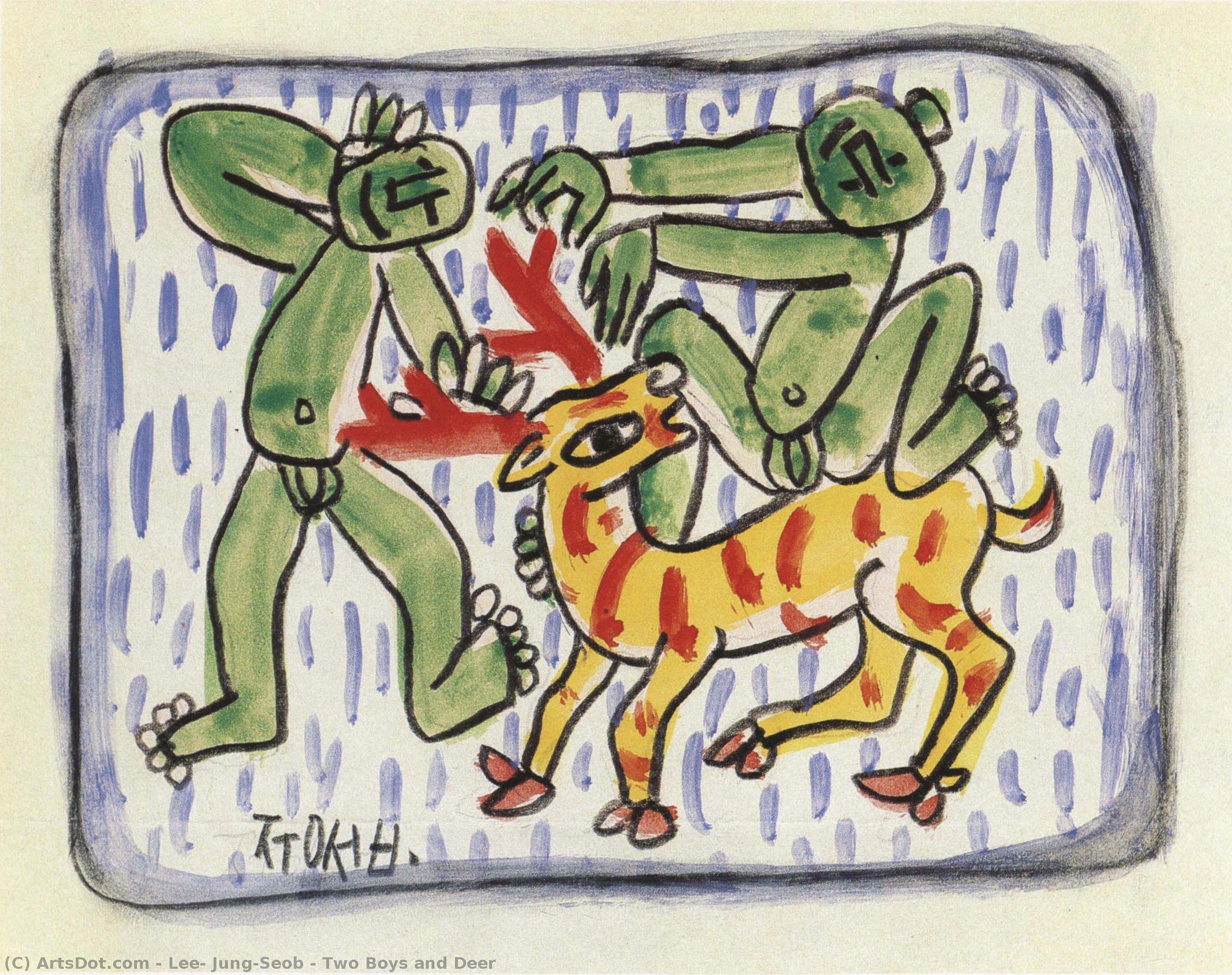
Two Boys and Deer
 Acrylic On Canvas
- WallArt
- Korean Modernism
 17.0 x 13.0 cm
 Korea Rahvusmuuseum
 Loe lähemalt
Giclée / Kunstiprint
Muuseumikvaliteediga giclée- või kangasprint kiire tootmisega ja paindlikud viimistlusvõimalused. ( Osta käsitsi maalitud maal Osta pilt)




P118B $10

P118H $10

P118W $10

P438Z $10

P508JH $12

P508YH $12

P805H $10

P805Z $10

P919BZ $10

P919G $10

P919XJ $10

P959ZH $10

P968JZ $12

W106C $8

W218G $10

W218JH $8

W218Y $10

W307PJ $10

W316G $10

W316PJ $8

W316Y $10

W398PJ $8

W4111J $10

W500HY $15

W500JH $15

W692G $12

W849H $8

W940BG $15

W953PJ $8




Vali meie eelmääratud suurused, mis vastavad teose algupärastele proportsioonidele.

Saate sisestada oma mõõdud, et need sobiks konkreetse raami või ruumi sisse. Kui valitud suurus ei vasta originaalteose proportsioonidele, lõigame teose ära või laiendame pilti peegeldatud või ühtlase servaga. Enne tootmisprotsessi algust saadetakse Teie kinnitamiseks digitaalne näidis.
Palun märka, et ekraanil kuvatav eelvaade ei kajasta tegelikku lõigamist või laiendamist. Ainult näidis kujutab täpselt lõplikku kompositsiooni.
Kuigi erimõõdu on saadaval, soovitame originaaproportsioonide säilitamiseks valida mõõt ette määratud nimekirjast.
Ülemaailmne tarne () 2 nädala jooksul, tavalise 4/5 nädala asemel. (20 august)

Tasuta ekspresssaatmine üle maailma

Kõrgekvaliteediline linakangas

Täielik transpordikindlustus

Tollimaksude tagastamise garantii

Värvitoime täpsuse garantii

60-päevane tagastusõig: ainult tootmisdefektide korral

100% raha tagasi garantii

Hulgusoodustus
 Klaasivalik on saadaval ainult suuruses kuni 110 cm

Two Boys and Deer
Giclée / Kunstiprint
Reproduktsiooni suurus
-


Kogusumma
$ 80
Kogumuse kirjeldus
A Moment Frozen in Time: Lee Jung-Seob’s “Two Boys and Deer”
Lee Jung-Seob's "Two Boys and Deer" isn’t merely a painting; it’s a poignant distillation of Korean life, memory, and the quiet dignity of rural existence. Completed in 1953, this watercolor captures a fleeting scene – two young men, likely brothers, engaged in a simple act of tending to a deer near a small stream. Yet, within this seemingly straightforward depiction lies a profound depth of emotion and a subtle commentary on the changing landscape of Korea during a turbulent era. The painting’s power resides not just in its subject matter but also in Lee's masterful use of color and light, creating an atmosphere both serene and subtly melancholic.
The scene unfolds within a meticulously rendered Korean countryside – rolling hills, dense foliage, and the reflective surface of a stream. The figures are dressed in muted greens and browns, blending seamlessly with their surroundings, suggesting a deep connection to the land. Lee’s technique is remarkably delicate; each brushstroke seems to capture the ephemeral quality of light filtering through the trees. Notice how he employs wet-on-wet watercolor techniques, allowing colors to bleed and blend naturally, creating an impressionistic effect that softens the edges and imbues the scene with a sense of hazy nostalgia. The deer itself, rendered with surprising detail despite its secondary role, embodies a quiet grace and vulnerability – a symbol often associated with innocence and connection to nature in Korean art.
The Artist’s Biography: A Life Shaped by Conflict
Lee Jung-Seob (1916-1956) was a pivotal figure in the development of Korean modernism, tragically cut short by his untimely death. Born in Pyeongannamdo during Japanese rule, he witnessed firsthand the struggles for independence and endured the devastation of the Korean War. His early life, marked by privilege and artistic training, abruptly shifted with the war’s arrival, forcing him to abandon his family home and relocate to Jeju Island. This displacement profoundly impacted his work, imbuing it with a sense of loss and longing – themes that resonate powerfully in “Two Boys and Deer.” Lee's artistic journey was fueled by a desire to capture the essence of Korean life, often focusing on rural scenes and everyday subjects, reflecting a deep respect for tradition and a yearning for a simpler existence.
His artistic influences were diverse, drawing from both traditional Korean painting styles and Western modernism. He studied at Teikoku Art School in Japan, where he experimented with Fauvist techniques before returning to Korea and developing his own distinctive style characterized by bold colors, expressive brushwork, and a focus on capturing the emotional resonance of his subjects. Lee’s work is often considered part of the “Korean School” movement, which sought to establish a uniquely Korean artistic identity in the aftermath of Japanese colonialism.
Symbolism and Emotional Resonance
Beyond its surface depiction, "Two Boys and Deer" carries layers of symbolic meaning. The deer itself represents purity, gentleness, and connection to nature – values deeply ingrained in Korean culture. The two boys, seemingly engaged in a quiet ritual, could symbolize the continuity of tradition or perhaps the anxieties surrounding the future as Korea navigated a period of immense social and political upheaval. Some art historians interpret their interaction as a subtle commentary on the changing roles of men within Korean society during this era.
The painting’s overall mood is one of quiet contemplation, tinged with melancholy. The muted colors, soft lighting, and understated details create an atmosphere of wistful remembrance – a feeling that echoes the sense of loss experienced by many Koreans following the war. Lee Jung-Seob masterfully uses these elements to evoke a powerful emotional response in the viewer, inviting us to reflect on themes of memory, identity, and the enduring beauty of the Korean landscape.
A Legacy Preserved: Reproductions and Artistic Significance
Today, “Two Boys and Deer” is held within the National Museum of Korea in Seoul, a testament to Lee Jung-Seob’s artistic legacy. High-quality reproductions are available, allowing art lovers worldwide to experience the beauty and emotional depth of this remarkable painting. When selecting a reproduction, consider the archival quality of the materials used – ensuring that the colors remain vibrant and true over time. This piece offers not only aesthetic pleasure but also a valuable window into Korean history and culture, reminding us of the resilience and enduring spirit of its people.
Kunstniku elulugu
õliimaid meistri korea suurepärane kunstnik
lee, jung-seob, märkimisväärne Lõhja-Korea kunstnik, jättis maailma kunstimaastikku püsiva jälje oma võlgestavad õlimaalidega. Sündides 1916. aastal Pyeongannamdos, Lee kunstiline teekond oli iseloomulik innovatsioonile ja sügavale sidumisele oma pärandiga.kunstiline panus
lee jung-seob on kõige tuntum oma ikoonilise teose 'valge ök"') tõlgendusega, mis on tunnistus tema oskuslikule õlivärvide kasutamisele. See meistriteos koos teistega näitab tema ainulaadset stiili, mis ühendab traditsioonilised korea elemendid kaasaegsete tehnikatega.- olulisimad teosed:
- pere ja kyyv (Korea riiklik muuseum, Seoul, Lõhja-Korea) - võimas õli-paberil teos.
- pojad, kala ja krab (Korea riiklik muuseum, Seoul, Lõhja-Korea) - akvarell, mis demonstreerib Lee mitmekülgsust.
- kaks poika ja põder (Korea riiklik muuseum, Seoul, Lõhja-Korea) - veel üks näide tema akvarellkunstist.
- muuseumid, kus tema töid esitletakse:
- Korea riiklik muuseum (Seoul, Lõhja-Korea)
pärand ja mõju
lee jung-seobi surm Seulis aastal 1956 märkis ühe ajastu lõppu, kuid avas samal ajal teekonna ka korea kunstnike järglevatele põlvkonadele. Tema mõju on nähtav paljude tänapäevaste korea maalide töödes. avastage veel lee jung-seobi kunsti: [https://OriginalUniqueArt.com/@/lee-jung-seob](https://OriginalUniqueArt.com/@/lee-jung-seob) | avastage tema maalide laia kogumikut OriginalUniqueArt platvormil. lugege teisi kuulsat kunstnikke: /et/art/list/ | vaadake üle suurimate kunstnike nimekiri OriginalUniqueArt lehelt.
Lee Jung-Seob
1916 - 1956 , Lõuna-Korea
Lühikesed faktid
- Artistic Movement Or Style: Kaasaegne Korea kunst
- Artists Or Movements Influenced By This Artist: ['Fauvism']
- Artists Who Influenced This Artist: ['Goguryeo hauat maalid']
- Date Of Birth: 10. aprill 1916
- Date Of Death: 6. september 1956
- Full Name: Lee Jung-seob
- Nationality: Korea
- Notable Artworks:
- Valge ök$\text{s}$
- Pere ja kyypluse
- Poiss, kala ja krabi
- Place Of Birth: Pyeongannamdo, Korea
Seotud artiklid

Watercolor Wonders: 10 Masterpieces That Redefined Art History | OriginalUniqueArt
Journey through 10 legendary watercolor masterpieces by Sargent, Turner & Homer! Explore iconic landscapes, portraits & floral art that redefined history. Find museum-quality reproductions and curated decor ideas at OriginalUniqueArt.com.

Ephemeral Visions: Exploring the Artistic Legacy & Contemporary Practice of Watercolor Painting
Explore the captivating world of watercolor painting! Discover its rich history, essential techniques, influential artists & collecting tips. A comprehensive guide for art enthusiasts from OriginalUniqueArt.

Ephemeral Visions: Exploring the History & Emotional Resonance of Watercolor Painting
Explore the captivating history of watercolor painting, from ancient techniques to modern masters like Kandinsky & Blake. Discover essential artists, collecting tips & the emotional power of this luminous medium. Expert insights for art enthusiasts.

Ephemeral Visions: Exploring the Artistic Legacy & Nuances of Watercolor Painting
Explore the captivating world of watercolor painting! Discover its rich history, essential techniques, influential artists & collecting tips from art experts. A comprehensive guide for enthusiasts.

Värviliste varjundite kunst: Akvarellimaali ajalugu, tehnikad ja kaasaegne praktika
Avastage akvarellimaali rikkalik ajalugu ja tehnikad! Lugege meie juhendit kuulsatest kunstnikutest, kaasaegsetest trendidest ja praktilistest nõuannetest. Alustage oma maalimisreisi juba täna!

