

 Vaata sisu
 Jaga teost
 Jaga
Jaga
 Detailid
 Õppekate juhend

 Laadi alla
 Sarnased teosed
 Röntgenuuring
 Slaidietendus
 Statistika
Untitled\n\nUntitled
 Ink
Ink- WallArt
- Constructivism
 1939
1939- Modern
 50.0 x 40.0 cm
 Boston Fine Artsi Muuseum
 Loe lähemalt
Giclée / Kunstiprint
Muuseumikvaliteediga giclée- või kangasprint kiire tootmisega ja paindlikud viimistlusvõimalused. ( Telli käsitsi maalitud reproduktsioon Ülemineku digitaalse pildi müügi kanalisse)




P118B €10

P118H €10

P118W €10

P438Z €10

P508JH €12

P508YH €12

P805H €10

P805Z €10

P919BZ €10

P919G €10

P919XJ €10

P959ZH €10

P968JZ €12

W106C €8

W218G €10

W218JH €8

W218Y €10

W307PJ €10

W316G €10

W316PJ €8

W316Y €10

W398PJ €8

W4111J €10

W500HY €15

W500JH €15

W692G €12

W849H €8

W940BG €15

W953PJ €8




Vali meie eelmääratud suurused, mis vastavad teose algupärastele proportsioonidele.

Sisestage vajalik laius ja kõrgus, et see sobiks teie raamile või seinale. Trükki saab ainult lõigata, seda ei saa kunagi pildist suuremaks teha, seega ka differentse vormiga suurus kaotab osa pildist. Enne trükkimist saadame teile kinnitamiseks digitaalse näidisprojektsiooni. Sellel lehel näidatud pilt ei kujuta reaalset lõiget — seda näitab ainult näidisprojekttsioon.
Ülemaailmne tarne () 2 nädala jooksul, tavalise 4/5 nädala asemel. (21 oktoober)

Tasuta ekspresssaatmine üle maailma

Kõrgekvaliteediline lina-kangastest muld

Täielik transpordikindlustus

Tollimaksude tagastamise garantii

Värvitoime täpsuse garantii

100 päeva tagastusõigus (ainult defektide korral)

100% raha tagasi garantii

Hulgusoodustus
 Klaasivalik on saadaval ainult kuni 110 cm suuruses teostes

Untitled\n\nUntitled
Giclée / Kunstiprint
Reproduktsiooni mõõtmed
-


Lõppsumma
€ 70
A Symphony of Geometry: The Visionary Abstraction of László Moholy-Nagy
In the quiet, monochromatic depths of László Moholy-Nagy’s 1939 masterpiece, “Untitled,” one finds a profound dialogue between order and energy. This work is not merely an arrangement of shapes; it is a rhythmic composition that captures the very heartbeat of the Constructivist movement. At its core, the painting presents a commanding central circle, a celestial focal point around which smaller, orbiting forms dance in a delicate, cosmic ballet. A bold diagonal line slices through the canvas, acting as a dynamic catalyst that disrupts any sense of static stillness, injecting a surge of kinetic vitality into the composition. This interplay of intersecting lines and concentric circles creates a sense of spatial ambiguity, inviting the viewer to lose themselves in a world where gravity is replaced by pure geometric logic.
The brilliance of this piece lies in its chromatic minimalism. By eschewing the distraction of vibrant color, Moholy-Nagy directs our gaze toward the subtle nuances of light, shadow, and texture. The palette is a sophisticated study in grayscale, where varying shades of black, white, and silver create a sense of depth and atmospheric weight. This monochromatic approach allows the structural elements—the sharp edges of the lines and the soft curves of the circles—to resonate with greater clarity. For the discerning collector or interior designer, this restraint offers an unparalleled versatility; the artwork possesses a timeless elegance that can anchor a modern minimalist gallery or provide a sophisticated, intellectual focal point within a contemporary living space.
The Bauhaus Legacy and the Spirit of Modernity
To understand “Untitled,” one must look to the radical spirit of the Bauhaus school, where Moholy-Nagy served as a pivotal figure. This artwork embodies the era's revolutionary pursuit of integrating fine art with industrial design and technological progress. The painting reflects a period when artists sought to strip away the ornamental excesses of the past to find truth in fundamental forms. Every line and shape feels intentional, echoing the precision of an architect or the clarity of a typographer. There is an inherent sense of industrial optimism within these shapes—a belief that through rational organization and geometric harmony, one could reflect the structured beauty of the modern, machine-driven age.
Beyond its historical significance, the emotional impact of the work is deeply evocative. While the subject matter is purely abstract, it stirs a sense of profound equilibrium and cosmic order. The repetition of circular motifs can be seen as a symbol of continuity and the cyclical nature of existence, while the intersecting lines suggest the complex connections that bind our world together. For those seeking to bring a piece of art history into their homes, this reproduction offers more than just decoration; it provides an invitation to contemplate the intersection of human intellect and mathematical beauty. It is a work that does not demand attention through noise, but commands it through a silent, powerful, and enduring grace.
Küsimused ja vastused
Millissele perioodile László Moholy-Nagy karjäärist kuulub teos "Untitled\n\nUntitled"?
"Untitled\n\nUntitled" kujutab kunstniku László Moholy-Nagy loovperioodi Modern.
Kuidas seda teost „Untitled\n\nUntitled“, autor László Moholy-Nagy saab kasutada kodukujunduses?
Kasutus (Accent) ja ruum (Living Room) on kaks soovitust, mis on kirjas teose „Untitled\n\nUntitled“, autor László Moholy-Nagy kohta.
Milline on teose „Untitled\n\nUntitled“, autor László Moholy-Nagy visuaalne heledus?
Teose „Untitled\n\nUntitled“, autor László Moholy-Nagy tajutav heledus on deep_shadow. Seda saab kohandada mõeldud ruumi valgusest koos.
Kunstniku elulugu
László Moholy-Nagy: Kaasaegse kunsti ja Bauhause pioneer
- Sündinud: Bacs-Kajala, Ungari (1895)
- Suri: 1946
László Moholy-Nagy oli sügavlt mõjutusrikas ungari maalija, fotograaf, skulptuurikunstnik ja disainer. Ta on maailma tunnustatud eelkõige oma oluliste panuste eest Bauhaus kooli ning uuendusliku töö eest konstruktivismis, tüograafias, fotograafias ja kineetilises kunstis. Tema kunstiline filosoofia kesknes tehnoloogia ja tööstuse integreerimisele kunstidesse, edustades uut loovusvisiooni, mis võttis omaks modernset maailma.
Varajane elu ja mõjutid
- Varajased aastad ja perekond: Sündis László Weisz juudi perre Bacsborsódis, Ungaris, kuid võttis hiljem omaks perekonnanime Moholy-Nagy. Tema vennaskondral oli tuntud dirigent Sir Georg Solti.
- Haridus ja sõjateenistus: Algul õppis ta Budapestis õigust, enne kui osales Esimeses maailmasõjas, kus sai raske vigastuse. See periood avas talle teekonna avantgardsete liikumisteni läbi ajakirjade nagu "Jelenkor" ja Lajos Kassáki ajakirja "Ma" ümber kujunenud "aktivistlik" ring.
- Varajane kunstiline haridus: Järgades sõjateenistust, õppis ta ungari fauvistlikult kunstnikult Róbert Berénylt, näidates varajast huvi kaasaegsete kunstiliste suundumuste vastu. Ta toetas lühiajal ka Ungari Nõukogude Vabariiki.
- Peamised mõjutid: Moholy-Nagy oli tugevalt mõjutatud konstruktivismist ja suprematismist – liikumistest, mis rõhutasid geomeetrilist abstraktsiooni ja tööstuslikke materjale. Need mõjud on selgelt nähtavad ka tema hilisemas laup.
- Liitumine Bauhausile: 1923. aastal liitus Moholy-
- Bauhaus suunandi muutmine: Tema saabumine märkis pöördet Ekspressionismist parema konstruktivistliku ja disaini suunatud lähenemise poole, mis vastas kooli algsetele eesmärkidele.
- "Uus nägemus" (Neues Sehen): Moholy-Nagy on kõige kuulsam termini "Uus nägemus" loomise eest, mis tõi esile kaamera võimekuse paljastada reaalsuse aspekte, mis on inimsilma jaoks nähtamatud. See kontsept lõi tema fotograafilise ja kunstilise eksperimenteerimise aluse.
- Fotogrammid: Ta uuendas fotogrammi tehnikat – luues pilte objekti asetades otse valguskestnalele paberile ilma kaamerata –, demonstreerides innovatiivset lähenemist fotograafiale.
- Eksperimentimine materjalide ja tehnoloogiaga: Moholy-Nagy kaasas oma skulptuuridesse ja disainides tööstuslikke materjale nagu metall, pleksiglas ja elektrikujustus, peegeldades oma usku kunsti ja tehnoloogia ühtemudusse.
Olulised saavutused ja uuendused
- "Lichtrequisit einer elektrischen bühne" (Valgus-ruum modulaator): Valmis 1930. aastal, see kineetiline skulptuur kasutas liikuvaid osi ja projekteeritud valgust, et luua dünaamilisi mustreid ümbritsevatel pindadel, olles peetud eelkõige kineetilise kunsti ja valguskunsti esivaimuks. $\\
- Fotograafia ja film: Tema fototöö uuris abstraktsiooni, tekstuuri ja liikumist, kasutades sageli ebatraditsioonilisi tehnikaid nagu fotomontaaž ja eksperimentaalne valgus. Ta uuris ka filmikunsti valdkonda.
- Õpetamise pärand: Bauhausis ja hiljem Chicagos asutatud New Bauhaus koolis õpetajana mõjutas Moholy-Nagy sügavalt kunstnike ja disainerite põlvkondi.
- Lavakunstid ja reklaam: Lisaks peenkunsti praktikale kujundas ta lavastusi teatriprodutsioonidele ja loadis reklaamikampaaniaid, demonstreerides mitmekülgsust, mis peegeldas tema disainifilosoofiat.
Ajalooline tähtsus
- Kaasaegse kunsti pioneer: László Moholy-Nagy seisab 20. sajandi modernismis võtmetegelena, sildistades tühimust maali, skulptuuri, fotograafia ja tööstusdisaini vahel.
- Mõju Bauhaus disainile: Tema panused Bauhaus kooli olid asendamatud selle õppekava ja esteetika kujundamisel, jättes püsiva jälje disainiharidusele üle maailma.
- Tehnoloogilise integratsiooni eestروج: Moholy-Nagy rõhuasetus tehnoloogia integreerimisele kunsti on ettekuulutanud paljusid arenguid kaasaegses kunstipraktikas.
- "Uue nägemuse" pärand: Tema kontsept "Uus nägemus" inspireerib jätkuvalt kunstnikke ja fotografe uurima perseptsiooni ja esituse võimalusi läbi innovaatiliste tehnikate.

László Moholy-Nagy
1895 - 1946 , Ungari
Lühikest infot
- Artistic Movement Or Style: Konstruktivism, Bauhaus
- Artists Or Movements Influenced By This Artist:
- Marianne Brandt
- György Kepes
- Andor Weininger
- Artists Who Influenced This Artist: ['Robert Berény']
- Date Of Birth: 1895
- Date Of Death: 1946
- Full Name: László Moholy-Nagy
- Nationality: Ungari
- Notable Artworks:
- Small Composition
- Flower
- Mass Psychosis
- Untitled
- The Storm
- Photogram
- Place Of Birth: Bacs-Kajala, Ungari
Sarnased artiklid

Abstract Ekspressionismi 10 Meisterteost: Kunsti ja Sisustamise Klassikat
Sukeldu abstraktse ekspressionismi maailma! Avasta 10 legendaarset kunstiteost – Pollock, Rothko jt. – ja nende loo. Leia inspiratsiooni interjööriks ning kaunista kodu OriginalUniqueArt.com kvaliteetsete reproduktsioonidega. Uuri kollektsiooni!

Dark Masterpieces: 10 Iconic Paintings Dominated by Black Tones |
Explore 10 iconic paintings dominated by black tones, from Rembrandt’s chiaroscuro to Goya's dark expressions. Discover the stories behind these masterpieces & find museum-quality art reproductions for your home at .

Kandinsky's Masterpieces: 25 Paintings That Define Abstract Art | OriginalUniqueArt
Journey through Wassily Kandinsky's 25 most iconic abstract paintings. Explore his revolutionary use of color, form & spiritual expressionism. Find museum-quality Kandinsky reproductions and elevate your home decor with OriginalUniqueArt.com. Discover all masterpieces on OriginalUniqueArt.com!
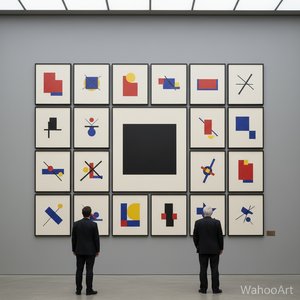
Kazimir Malevitši 25 parimat teost: Abstraktse kunsti meistriteosed kodus
Avastage Kazimir Malevitši 25 parimat teost! Sukelduge suprematismi ja abstraktse kunsti maailma. Leidke inspiratsiooni interjööridisainiks ning ostke kvaliteetseid reproduktsioone OriginalUniqueArt.com-is. Avastage täielik kollektsioon veebis!

White on Canvas: 10 Masterpieces & Timeless Elegance for Your Home Decor
Explore 10 iconic white paintings by Monet, Whistler & Rothko! Discover the stories behind these serene masterpieces and their impact on art history. Find museum-quality reproductions for your home decor at .