
 Eelvaade
 Saada
Saada Jaga
Jaga
 Teave teose kohta
 Juhend

 Laadi alla
 Sarnased teosed
 Röntgenuuring
 Slaidietendus
 KÜSIMUSED JA VASTUSID
 Statistika
Demon


 Loe lähemalt
Giclée / Kunstiprint
Muuseumikvaliteediga giclée- või kangasprint kiire tootmisega ja paindlikud viimistlusvõimalused. ( Osta käsitsi maalatud teos Lülita digitaalse pildi juurde)




P118B €10

P118H €10

P118W €10

P438Z €10

P508JH €12

P508YH €12

P805H €10

P805Z €10

P919BZ €10

P919G €10

P919XJ €10

P959ZH €10

P968JZ €12

W106C €8

W218G €10

W218JH €8

W218Y €10

W307PJ €10

W316G €10

W316PJ €8

W316Y €10

W398PJ €8

W4111J €10

W500HY €15

W500JH €15

W692G €12

W849H €8

W940BG €15

W953PJ €8




Vali meie eelmääratud suurused, mis vastavad teose algupärastele proportsioonidele.

Sisestage vajalik laius ja kõrgus, et see sobiks teie raamile või seinale. Trükki saab ainult lõigata, seda ei saa kunagi pildist suuremaks teha, seega ka erineva mustega suurus kaotab osa pildist. Enne trükkimist saadame teile kinnitamiseks digitaalse näidisprojektsiooni. Sellel lehel näidatud pilt ei kujuta reaalset lõiget — seda näitab ainult näidisprojektsioon.
Ülemaailmne tarne () 2 nädala jooksul, tavalise 4/5 nädala asemel. (5 november)

Tasuta ekspresssaatmine üle maailma

Kõrgekvaliteediline lina-kangas

Täielik transpordikindlustus

Tollimaksude tagastamise garantii

Värvitoime täpsuse garantii

100 päeva tagastusõigus (ainult valmistusdefektide korral)

100% raha tagasi garantii

Hulgusoodustus
 Klaasivalik on saadaval ainult kuni 110 cm suuruses teostes

Demon
Giclée / Kunstiprint
Reproduktsiooni suurus
-


Koguhind
€ 72
A Stark Vision of the Unseen: Kazimir Malevich's 'Demon'
Kazimir Malevich’s 1914 painting, “Demon,” is not merely a depiction of a monstrous figure; it’s a visceral exploration of primal fear and the unsettling power of suggestion. Rendered in a deceptively simple style—bold black outlines against a bleached-white backdrop—the artwork immediately commands attention with its raw intensity. This isn't the polished, idealized representation of art history; instead, we encounter a world stripped bare to its essential elements, echoing the nascent principles of Suprematism and hinting at the anxieties simmering beneath the surface of early 20th-century Europe.
The composition is dominated by the central demon itself. Its elongated form, with disproportionately large head, pointed ears, and a gaping mouth, evokes a sense of grotesque power. Malevich’s deliberate use of thick black lines doesn't simply define the figure; they pulsate with energy, creating an immediate and unsettling visual impact. The simplification of features—the vacant eyes, the sharp angles—heightens the feeling of otherworldliness, as if we are glimpsing a being from beyond our comprehension. Crucially, the painting’s stark palette – primarily black and off-white – amplifies this effect, creating an atmosphere of profound isolation and dread.
The Language of Symbols: Cyrillic Text and Spiritual Weight
What initially appears as a minimalist composition is profoundly enriched by the dense field of Cyrillic text that dominates the right side of the canvas. This isn’t mere decoration; it's integral to understanding the artwork’s meaning. While the exact translation remains debated, scholars believe this incantation or narrative likely served as a key to unlocking the demon’s nature and purpose within Malevich’s artistic vision. The inclusion of text adds layers of mystery, suggesting a connection between the visual image and a deeper spiritual or occult context – reflecting the prevalent interest in mysticism and the supernatural during that period.
The choice of Cyrillic script is particularly significant given Malevich's Ukrainian heritage and the painting’s creation during a time of shifting national identities. It subtly connects the artwork to Eastern European folklore and traditions, hinting at ancient beliefs surrounding demons and spirits. The text acts as a conduit, inviting the viewer to actively participate in deciphering the demon’s story – transforming the image from a static representation into an interactive experience.
Roots in Expressionism and the Dawn of Suprematism
“Demon” sits at a fascinating crossroads within art history. While undeniably influenced by the raw emotionality of Expressionism—evident in its distorted forms and unsettling subject matter—it also anticipates the revolutionary principles of Suprematism, which Malevich would later fully develop. The painting’s emphasis on pure form, reduced to its essential elements, foreshadows his later explorations of geometric abstraction. Malevich's early exposure to folk art, combined with a desire for modern expression, formed the foundation of his unique style. This piece demonstrates that journey—a deliberate move away from representational forms towards a purely abstract and spiritual realm.
Considering Malevich’s biography – born in Kyiv Oblast, Ukraine – adds another layer of complexity to the work. The painting can be viewed as a reflection on the anxieties and uncertainties of a nation undergoing rapid change and grappling with its identity. The demon, therefore, becomes not just a supernatural entity but also a symbol of internal conflict and the darker aspects of human nature.
A Legacy of Shadow and Form
“Demon” is more than simply a depiction of a frightening figure; it’s a profound meditation on fear, spirituality, and the power of visual language. Reproductions of this artwork offer a unique opportunity to experience Malevich's groundbreaking vision – a stark reminder that art can be both unsettling and deeply evocative. Its enduring appeal lies in its ability to tap into our primal anxieties while simultaneously pushing the boundaries of artistic expression.
Korduvad küsimused
Milline on teose „Demon“, autor Kazimirs Malevičius emotsionaalne toon?
Teos "Demon" on seotud Mysterious tundega. Emotsionaalne toon kirjeldab teose tekitavat muljet.
Kui suur on kontrasst teoses „Demon“, autor Kazimirs Malevičius?
Teose "Demon" valgus-varjundite kontrast on Statement. Kontrast kirjeldab, kui teravalt erinevad heeled ja tumedad alad.
Milline on teose „Demon“, autor Kazimirs Malevičius värvitoit?
Teose „Demon“, autor Kazimirs Malevičius värvide kütkuse aste on Muted. Kütkus kirjeldab, kui erksad või pehmed värvid on.
Kunstniku elulugu
Kazimir Malevitš: Abstraktsiooni Pioniir
Ukraina päritolu kunstnik Kazimir Malevitš (sündinud 1878. aastal, praegune Ukraina territooriumil) on üks olulisemaid tegelasi modernismi ajaloos. Tema nimi on siiani seotud revolutsioonilise kunstihoiakuga, mis lõhkus traditsioonilised kujutamisviisid ja avas uksi täiesti abstraktsiooni maailmale. Malevitši eluteekäik oli põnev segu vaimust, otsinguid ja radikaalset uuendamist, mille tulemuseks sündis Suprematism – kunstihoiak, mis kuulutas puhta värvi ja geomeetrilise vormi ülimuslikkust.
Noorena kasvas Malevitš maalähedases keskkonnas, kus tal tekkisid juba varakult huvi rahvakunsti vastu. Tema kunstiline areng ei kulgenud otsejoones abstraktsiooni suunas; ta õppis erinevaid stiile – Impressionismi, Sümbolismi ja Kubismist mõjutusi omades. Pariisi reisi aastal 1912 oli pöördepunkt, mis tutvustas teda Euroopa avangardi uusimate trendidega ning andis tõuke tema isikupärase kunstihoiakuga vormi leidmisele. Malevitši varajased tööd peegeldavad seda perioodi – maalilised kompositsioonid, kus on näha kubistlikku mõjutust ja värvi kasutamist.
Suprematismi Sünd ja "Must Ruut"
Aastal 1915 tegi Malevitš sensatsioonilise avalduse – ta kuulutas välja Suprematismi. See uus kunstihoiak püüdis loobuda igast seostumisest reaalsusega, esindades puhta värvi ja geomeetrilise vormi ülimuslikkust. "Suprematism" tuleneb sõnast "suprem," mis tähendab ülemust või valitsevat. Malevitši jaoks oli kunst mitte reaalsete objektide jäljendamine, vaid puhta tunge ja vaimulise kogemuse väljendamine läbi lihtsate kujude. Tema kuulsaim teos, "Must Ruut" (1915), on selle hoiakuga seotud sümboliks saanud. See ei ole lihtsalt must ruut valgel taustal; see on radikaalne katkestus traditsioonilise kunsti ajaloos, väljakutse igale kujutusele ja esindusele. "Must Ruut" on mõeldav kui puhta vaimulikkuse ja lõputu võimaluste sümbol.
Teosed ja Filosoofia
Malevitši loomes jätkasid teoseid, mis arendasid Suprematismi põhimõtteid. "Valge peale valget" (1918) sarjas uuriti värvi puhtust ja vormi lihtsust viies seda äärmuseni – valged geomeetrilised kujud valgel taustal. Tema teosed, nagu "Ehitamisel olev maja" (1916), näitavad, kuidas abstraktsiooni põhimõtteid saab kasutada ka arhitektuuri ja ruumi väljendamiseks. Malevitš ei olnud mitte ainult kunstnik, vaid ka teoreetik; ta kirjutas mitmeid raamatuid ja esseesid, milles süvendas Suprematismi filosoofiat ja selgitas oma kunstihoiakut. Tema kirjutised olid oluliseks panuseks avangardi ideedesse ning mõjutasid paljusid kunstnikke ja intellektuaale.
Pärand ja Histrooliline Tähendus
Kazimir Malevitši pärand on tohutu. Ta oli üks esimesi, kes julges loobuda täielikult kujutusest ning avas tee abstraktsiooni kunstile. Tema Suprematism mõjutas oluliselt hilisemat minimalistlikku kunsti ja konstrukktivismi. Kuigi Nõukogude Liidus hakkas tema looming hiljem kritiseerima ja ta oli sunnitud loobuma oma radikaalsest stiilist, on Malevitši nimi tänapäeval sünonüümiks abstraktsiooni revolutsioonile kunstis. Tema teosed on leidnud koha maailma juhtivates muuseumides ning inspireerinud põlvi kunstnikke ja vaatajaid.

Kazimirs Malevičius
1878 - 1935 , Ukraina
Lühikest infot
- Artistic Movement Or Style: Suprematism, Abstraktsionism
- Artists Or Movements Influenced By This Artist:
- Minimalism
- Konstruktivism
- Artists Who Influenced This Artist:
- Impressionism
- Fovismi
- Kubism
- Date Of Birth: 23. veebruar 1878
- Date Of Death: 15. mai 1935
- Full Name: Kazimir Malevitš
- Nationality: Ukrainlane/Venelane
- Notable Artworks:
- Must Ruut
- Valge Valgel
- Ehitamisel olev maja
- Place Of Birth: Kiievi oblast, Ukraina
Sarnased artiklid

Kazimir Malevitši 25 parimat teost: Abstraktse kunsti meistriteosed kodus
Avastage Kazimir Malevitši 25 parimat teost! Sukelduge suprematismi ja abstraktse kunsti maailma. Leidke inspiratsiooni interjööridisainiks ning ostke kvaliteetseid reproduktsioone OriginalUniqueArt.com-is. Avastage täielik kollektsioon veebis!

Geomeetrilise Abstraktsiooni 10 Meisterteost: Kunst ja Kodukaunistus OriginalUniqueArt.com-is
Avastage geomeetrilise abstraktsiooni 10 suurteost – Kandinsky, Mondrian ja teised. Lugege kunstiteoste lugusid ning leidke inspiratsiooni kodukaunistuseks OriginalUniqueArt.com-is! Kunstikollektsioon ja reprodutsioonid.

Mastering Abstraction: The 25 Most Iconic Works by Wassily Kandinsky
Explore 25 iconic Kandinsky masterpieces and the birth of abstraction. Discover the full collection online at OriginalUniqueArt.com.

Abstract Ekspressionismi 10 Meisterteost: Kunsti ja Sisustamise Klassikat
Sukeldu abstraktse ekspressionismi maailma! Avasta 10 legendaarset kunstiteost – Pollock, Rothko jt. – ja nende loo. Leia inspiratsiooni interjööriks ning kaunista kodu OriginalUniqueArt.com kvaliteetsete reproduktsioonidega. Uuri kollektsiooni!
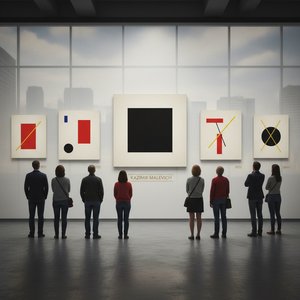
Kazimir Malevich: Pioneering Suprematism & the Quest for Non-Objective Art
Explore the revolutionary art of Kazimir Malevich & his groundbreaking Suprematism movement. Discover the origins, core principles, and lasting impact of this pivotal force in modern abstract painting.


