

 Vaata sisu
 Jaga teost
 Jaga
Jaga
 Detailid
 Õppekate juhend

 Laadi alla
 Sarnased teosed
 Röntgenuuring
 Slaidietendus
 Statistika
The Eastern square (Tunis)
 Pastel
- Symbolism
 1904
1904- 19th Century
 51.0 x 68.0 cm
 Lithuanian Art Fund
 Loe lähemalt
Käsitsi valmistatud õlimaalireproduktsioon
Meie kunstnike poolt tellimusel valmistatud käsitsi maalitud õli-kainaste teos teie soovitud suuruses ja raamis. ( Lülita trükkitoodetele Ülemineku digitaalse pildi müügi kanalisse)




P118B €10

P118H €10

P118W €10

P438Z €10

P508JH €12

P508YH €12

P805H €10

P805Z €10

P919BZ €10

P919G €10

P919XJ €10

P959ZH €10

P968JZ €12

W106C €8

W218G €10

W218JH €8

W218Y €10

W307PJ €10

W316G €10

W316PJ €8

W316Y €10

W398PJ €8

W4111J €10

W500HY €15

W500JH €15

W692G €12

W849H €8

W940BG €15

W953PJ €8




Vali meie eelmääratud suurused, mis vastavad teose algupärastele proportsioonidele.

Sisestage vajalik laius ja kõrgus, et teos sobiks teie raamile või seinale. Kuna tegu on käsipainatud teosega, siis erineva kujuga suuruse korral võib kunstnik jätta pildi ümber veidi rohkem marginaali või lõigata osa ära — valik on teie. Enne maali alustamist saadame teile kinnitamiseks digitaalse näidisprojektsiooni. Sellel lehel näidatud pilt ei kajasta tegelikku tulemust — seda näitab ainult näidisprojekttsioon.
Pärast tellimust saadab OriginalUniqueArt.com meeskond kliendile e-posti juhised ning esitab eelvaate kavandi
Maailmline tarne 3–4 nädala jooksul tavalise 5 nädala asemel. (27 oktoober). Kvaliteedis kompromisse ei tehta.

Tasuta ekspresssaatmine üle maailma

Kõrgekvaliteediline lina-kangastest muld

Täielik transpordikindlustus

Tollimaksude tagastamise garantii

Värvitoime täpsuse garantii

100 päeva tagastusõigus (ainult defektide korral)

100% raha tagasi garantii

Hulgusoodustus
 Klaasivalik on saadaval ainult kuni 110 cm suuruses teostes

The Eastern square (Tunis)
Reproduktsiooni materjal
Reproduktsiooni mõõtmed
-


Lõppsumma
€ 264
A Vibrant Portal to the Maghreb
In his evocative masterpiece, The Eastern Square (Tunis), Kazimierz Stabrowski invites the viewer to step through a veil of color and light into the bustling heart of North Africa. Created in 1904, this work serves as a breathtaking window into a world far removed from the artist's European roots. The scene captures the rhythmic pulse of a Tunisian marketplace, where the air seems thick with the scent of spices and the hum of commerce. Through a masterful use of pastel-like vividness, Stabrowski populates the square with figures that appear almost ethereal—merchants and travelers moving through an architectural landscape that feels both grounded in history and suspended in a dream.
The composition is a delicate dance of light and shadow, where the boundaries between the physical and the spiritual begin to blur. As one observes the crowded streets, the figures are rendered with a certain abstraction; their faces are often indistinct, lending them a ghostly, transient quality. This technique does not merely depict a crowd; it captures the very essence of movement and the fleeting nature of human presence within the grander scale of time and architecture. For the collector or interior designer, this piece offers a profound sense of depth, acting as a focal point that brings a lively, kinetic energy to any sophisticated space.
Symbolism and the Spirit of the East
To understand this painting, one must look toward the soul of the Symbolist movement. Stabrowski, deeply influenced by theosophical and spiritual pursuits, utilized his travels through the Middle East and the Maghreb to explore themes much deeper than mere Orientalism. While the surface of the painting celebrates the colorful reality of Tunis, the underlying intent is far more metaphysical. The faded curves and translucent outlines of the figures suggest that the material world is but a temporary layer over an eternal spiritual truth.
The artist uses the vibrant, sun-drenched palette to create a contrast between the visible and the invisible. The bright, positive colors evoke the warmth of the Tunisian sun, yet the way the light interacts with the figures creates a sense of "transience." This intentional ambiguity encourages the viewer to look past the bustling marketplace and contemplate the permanent spiritual state that exists behind the veil of daily life. It is this layer of profound meaning that elevates the work from a beautiful landscape to a meditative experience, making it an intellectually stimulating addition to a curated art collection.
A Masterpiece for the Modern Interior
For those seeking to infuse their surroundings with culture and emotion, The Eastern Square (Tunis) offers unparalleled inspiration. The painting’s dynamic energy makes it an ideal centerpiece for grand living rooms or creative studio spaces where movement and light are celebrated. Its palette of warm, sun-kissed tones can harmonize beautifully with both contemporary minimalist decor and more traditional, opulent settings.
Owning a high-quality reproduction of this work allows one to possess a fragment of history and a piece of the Symbolist spirit. The interplay of the bustling human element with the timelessness of the architecture provides a sophisticated narrative for any room. Whether you are an art enthusiast drawn to the historical context of Stabrowski’s travels or a designer looking for a piece that evokes a sense of worldly adventure and spiritual calm, this painting stands as a testament to the enduring allure of the East.
Küsimused ja vastused
Millissele etapile Kazimierz Stabrowski karjääris kuulub teos "The Eastern square (Tunis)" (1904)?
Otsustades selle aastale 1904, kuulub teos "The Eastern square (Tunis)" Kazimierz Stabrowski loomingulisse perioodi Mature Period.
Kas teos "The Eastern square (Tunis)" on üldmuljeLT pigem hele või tumene?
Teose „The Eastern square (Tunis)“, autor Kazimierz Stabrowski eregus on brilliant ja luminants on Gentle Luminance.
Millises suuruses ja mille suunaga on "The Eastern square (Tunis)" trükkimist soovitatav teha?
Teose „The Eastern square (Tunis)“, autor Kazimierz Stabrowski trükkimiseks on soovitatav kasutada suurust Medium ja orientatsiooni Landscape.
Kunstniku elulugu
varase elu ja haridus
Kazimierz Stabrowski, üks tunnustatud Poola maalari, sündis 1869. aastal Navahroudokis, Valorus. Tema kunstiline teekond viis teda Varshava Kunstakadeemiasse, kus ta hiljem määrati ka direktoriks. See võtmekohane roll ei demonstreerinud mitte ainult tema kunstilist mahukust, vaid kinnistas ka tema mõju järgjutule kunstnikute põlvkondale.kunstiline stiil ja märkimisväärsed teosed
Stabrowskis loomingut iseloomustab unenäoline ja sümboliline olemus, mis ühendab sageli sümbolismi ja romantika elemente. Üks tema kuulsimate teostest, Lumemaid (1891), on suurepärane näide sellest unikaalsest stiilist, mis on üle sajandi kunstihuvilisi lummamas.teosoofilise ühingu asutamine Poolas
Lisaks oma kunstilistele saavutustele mängis Stabrowski olulist rolli teosoofilise ühingu esimate loode loomisel Poolas. See filosoofiline selts, mis põhines vaimsusest ja okkultismist koosnevatel põhimõtetel, rõhutab veelgi Stabrowskis mitmekülgsust.pärand ja hilisem elu
Stabrowski surmas 1929. aastal Garwolinis, Poolas, jättides järele pärandi, mis inspireerib nii kunstnikke kui ka kunstihuvilisi. Tema mõju on nähtav erinevates Poola kunsti aspektides, alates Varshava Kunstakadeemiast kuni tema arvukatest sümbolistlikest ja romantilistest teostest.valitud teosed Kazimierz Stabrowskilt OriginalUniqueArt.com lehelt
- mägede vaim (105 x 85 cm, Lietsu kunstifond, Vilnius, Lituania, õli kindel) - klassikaline näide Stabrowskis sümbolistlikust stiilist.
- Colosseum kuupallast (47 x 65 cm, Lietsu kunstifond, Vilnius, Lituania, pastell) - see teos näitab Stabrowskis võimet tabada eteerilisi maastikke.
- puud (47 x 63 cm, Lietsu kunstifond, Vilnius, Lituania, pastell) - unikaalne realismi ja abstraktse kujutluse segu, mis on iseloomulik tema hilisemale loomisele.
muuseumid, kus on näitaval Kazimierz Stabrowskii teoseid OriginalUniqueArt.com lehelt
- Lietsu kunstifond (Vilnius, Lituania) - selles asutusest on hoiustatud mitut Stabrowskii märkimisväärset teost, sealhulgas ülalnimetatud neid.

Kazimierz Stabrowski
1869 - 1929 , Val روسia
Lühikest infot
- Artistic Movement Or Style: Sümbolism
- Artists Who Influenced This Artist:
- Gustav Klimt
- Jean Sibelius
- Date Of Birth: 21. november 1869
- Date Of Death: 10. juuni 1929
- Full Name: Kazimierz Stabrowski
- Nationality: Poola
- Notable Artworks:
- Lumemaa
- Puud
- Rooma. Fontana Dei Cavalli Marini
- Place Of Birth: Kruplyany, Val روسia
Sarnased artiklid

The Magic of Pastel Art: A Guide to Soft Colors and Velvately Textures in Impressionist Masterpieces
Explore the ethereal beauty of pastel art. Discover how Impressionist masters used soft hues and velvety textures to capture light. A professional guide for art enthusiasts seeking to understand, collect, and appreciate the delicate magic of this timeless medium.
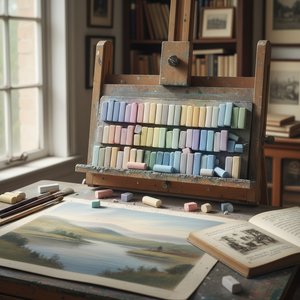
The Subtleties of Pastel: A Comprehensive Exploration of Technique, History & Emotional Resonance
Explore the captivating world of pastel art! Discover its rich history, Impressionistic masters like Degas, emotional power & unique techniques. Find museum-quality reproductions at OriginalUniqueArt.

The Soft Power of Pastel: A Connoisseur's Guide to History, Technique, and the Art of Texture
Explore the ethereal beauty of pastel art. From Renaissance origins to Impressionist mastery, discover the history, technique, and velvety textures that define this luminous medium in our expert guide for art connoisseurs.

Soft Texture, High Impact: The Ultimate Buyer's Guide to Mastering Pastel Art for Modern Interiors
Master the art of texture with our ultimate guide to pastel art. Discover how to select high-impact, soft-textured pieces that transform modern interiors, from hand-painted masterpieces to custom AI-remixed portraits. Elevate your space with expert curation and bold design.

The Subdued Radiance of Pastel: Exploring Nuance & Emotion in Art
Explore the nuanced world of pastel art! Discover its history, techniques & emotional power with expert insights from OriginalUniqueArt.com. Find museum-quality reproductions and learn about collecting this delicate medium.