

 Vaata sisu
 Jaga teost
 Jaga
Jaga
 Detailid
 Õppekate juhend

 Laadi alla
 Sarnased teosed
 Röntgenuuring
 Slaidietendus
 Statistika
Odalisque


 Loe lähemalt
Giclée / Kunstiprint
Muuseumikvaliteediga giclée- või kangasprint kiire tootmisega ja paindlikud viimistlusvõimalused. ( Telli käsitsi maalitud reproduktsioon Ülemineku digitaalse pildi müügi kanalisse)




P118B €10

P118H €10

P118W €10

P438Z €10

P508JH €12

P508YH €12

P805H €10

P805Z €10

P919BZ €10

P919G €10

P919XJ €10

P959ZH €10

P968JZ €12

W106C €8

W218G €10

W218JH €8

W218Y €10

W307PJ €10

W316G €10

W316PJ €8

W316Y €10

W398PJ €8

W4111J €10

W500HY €15

W500JH €15

W692G €12

W849H €8

W940BG €15

W953PJ €8




Vali meie eelmääratud suurused, mis vastavad teose algupärastele proportsioonidele.

Sisestage vajalik laius ja kõrgus, et see sobiks teie raamile või seinale. Trükki saab ainult lõigata, seda ei saa kunagi pildist suuremaks teha, seega ka differentse vormiga suurus kaotab osa pildist. Enne trükkimist saadame teile kinnitamiseks digitaalse näidisprojektsiooni. Sellel lehel näidatud pilt ei kujuta reaalset lõiget — seda näitab ainult näidisprojekttsioon.
Ülemaailmne tarne () 2 nädala jooksul, tavalise 4/5 nädala asemel. (22 oktoober)

Tasuta ekspresssaatmine üle maailma

Kõrgekvaliteediline lina-kangastest muld

Täielik transpordikindlustus

Tollimaksude tagastamise garantii

Värvitoime täpsuse garantii

100 päeva tagastusõigus (ainult defektide korral)

100% raha tagasi garantii

Hulgusoodustus
 Klaasivalik on saadaval ainult kuni 110 cm suuruses teostes

Odalisque
Giclée / Kunstiprint
Reproduktsiooni mõõtmed
-


Lõppsumma
€ 70
A Vision of Exotic Beauty: The Allure of Lefebvre’s Odalisque
In the quiet, amber-hued sanctuary of Jules Joseph Lefebvre’s 1874 masterpiece, Odalisque, time seems to suspend itself in a moment of eternal repose. This evocative painting serves as a profound emblem of Impressionistic idealism and a cornerstone of academic excellence during the Belle Époque. At first glance, the viewer is drawn into an intimate, dimly lit interior where a nude woman reclines gracefully upon a bed draped in opulent, crimson fabrics. The scene is far more than a mere study of the human form; it is a deliberate sensory journey. Through the strategic placement of scattered oranges and the warm, glowing light that dances across the skin, Lefebvre invites us into a world of Middle Eastern-inspired aesthetics, where every texture—from the soft sheen of silk to the matte skin of ripe fruit—whispers of luxury and exoticism.
Lefebvre’s technical mastery is most evident in his sophisticated use of chiaroscuro. By orchestrating a dramatic interplay between deep shadows and luminous highlights, he sculpts the woman’s silhouette with a three-dimensional vitality that feels almost tactile. The color palette is a masterclass in warmth; the orange and gold tones of the room create an atmosphere of sultry comfort, while the vibrant red of the sheets provides a passionate focal point. This meticulous attention to detail—the way light catches the curve of a shoulder or reflects off a glass bottle—demonstrates a technique that bridges the gap between the rigorous precision of Academicism and the soft, sensory exploration found in Impressionism.
Historical Resonance and the Art of Elegance
To understand Odalisque is to understand the cultural heartbeat of late nineteenth-century France. During this era, there was a profound fascination with Orientalism—a romanticized, often dreamlike perception of the East. Lefebvre, a student of the esteemed Léon Cogniet and a winner of the prestigious Prix de Rome, utilized these themes to create works that were both intellectually grounded in classical tradition and emotionally resonant with the contemporary desire for escapism. Unlike the stark realism that dominated much of the period, Lefebvre’s approach was one of refined elegance. He sought not just to document a figure, but to idealize it, capturing a sense of ethereal grace that elevates the subject from a mere person to a symbol of timeless beauty.
For the discerning collector or interior designer, this painting offers more than just visual splendor; it provides an emotional anchor for a space. The painting’s ability to evoke feelings of serenity, warmth, and quiet contemplation makes it a versatile centerpiece for high-end decor. Whether placed in a sunlit gallery or a moody, sophisticated study, a high-quality reproduction of Odalisque brings with it the prestige of the Belle Époque. It is an invitation to slow down, to appreciate the subtle gradations of light, and to lose oneself in the enduring mystery of Lefebvre’s vision—a piece that continues to captivate the soul long after the first glance.
Küsimused ja vastused
Kas teos „Odalisque“, autor Jules Joseph Lefebvre kuulub avalikku omandisse?
Teos „Odalisque“, autor Jules Joseph Lefebvre kuulub lubaõigusliku staatuse avalikus õiguses – selle autoriõigud onหมดunud alla. See staatus reguleerib teose pildi reprodüseerimise võimalusi.
Kas on õpilaste jaoks olemas infoleht teose „Odalisque“, autor Jules Joseph Lefebvre kohta?
Juhend teose "Odalisque" kohta on selle Juhend leht – trükkiv infoleht, mis näitab teost koos selle pealkirja, autori ja allika ning identifiekatsioonitabeliga (kunstnik, kuupäevad, tehnika, algne suurus, kollektsioon).
Millises tehnikas on teos „Odalisque“, autor Jules Joseph Lefebvre valmistatud?
Teose „Odalisque“, autor Jules Joseph Lefebvre materjal on Oil On Canvas. Reproduktsioonide eesmärk on jälitada selle tehnika välimust.
Kunstniku elulugu
Akadeemilise elegantsuse meistri
Jules Joseph Lefebvre seisab nineteenth sajandi Prantsuse kunsti ajaloos säravana kujuna — maalidena, kelle pintel oli haruldane võime vangistada nii inimvormi füüsiline täiuslikkus kui ka sügav eteeriline ilu. Sündinud Tournais aastal 1834, oli Lefebvre'i kunstiline teekond olnud distsiplineeritud meistriomning ja kunstiline pühendumus. Liitudes juba enam kui kuuste aasta vanuses Pariisi, tõukus ta École nationale supérieure des Beaux-Arts rangesse õhusse. Austatud Léon Cognieti juhendamisel ei õppinud Lefebvre pelgalt tehnikat; ta pärsis klassikalise suurepärasuse traditsiooni, mis määras tema kogu loomingulise tegevuse. Tema varajased triumfid, eriti prestiižsuse tunnustus Prix de Rome võitmine aastal 1861, tähistasid kunstniku ilmumist, kes oli suunatud muutuma akadeemilise liikumise nurgakiviks.
Lefebvre'i loomingu olemus peitub selles, mida kriitikud nimetavad sageli "akadeemiliseks elegantsiks". Tal oli võrratu oskus naisfiguuri kujundamisel, andes nahale luminotseeritud kvaliteedi, mis näkits siseilmast valgust. Tema kompositsioonid ei olnud harvasti pelgalt provokatiivsed; vastupidi, nad püüdisid tõsta teemat kõrgemale pehme valguse ja õrna, harmonilise väripaleti abil. Masterpiece-töödes nagu Chloé on nähtav, kuidas ta ühendab klassikalise enesekindluse atmosfäärse seosusega loodusega, luues ajatuluse tunnet, mis ületab selle ajastu, mil teos on maalis. Olgu tegemist müüdiliste kujundite või ajalistike portreetidega, tema töö säilitab järjekindlat austust ilu vastu ning hoolikast tähelepanu kangaste ja naha peente tekstuuride suhtele.
Mõju ja õpetuse pärand
Lisaks oma üksikutele lendatele on Lefebvre'i ajalooline olulisus sügavalt juurdunud tema rollis õpetaja ja mentorina. Tema ateljee sai järgmise suure maalnikkonatsiooni tulunduspiirkonnaks, sildistades traditsioonilise Prantsuse akadeemilismi ja hilis nineteenth sajandi uuenemate suundumuste vahel. Tema mõju ulatus üle piiride, kujundades õpilaste käsi ja silmi, kes hiljem määrasid ameerika impressionismi ja Euroopa modernismi suunad. Tema kõige märkimistavamate õpilaste seas olid:
- Fernand Khnopff, kelle sümbolistlikud uuringud kannavad endas Lefebvre'i atmosfäärset tundlikkust;
- Edmund C. Tarbell, Boston kooli võtmefiguur;
- Félix Vallotton, kes hiljem laiendas grafika ja kompositsiooni piire;
- Kenyon Cox, kes tõi klassikalise figuratiivse suurepärasuse tõtelid Ameerika Ühendriikidesse.
See pedagoogiline pärand tagas selle, et kuigi stiilid liikusid suunas impressionism ja edasi, jäid joonistustöö ja valguse alusprintsiibid — need on Lefebvre'i enda praktika põhigammasid — elutähtsateks. Tema viljakas kohalolu Pariisi Salongil, kus zwischen 1855 ja 1898 näidis seitsekümmend kaheks teost, kinnistas tema staatust kunstieestluse pilarina. Läbi kütkestava Lady Godiva ja väärikas Portrait of James A. Campbell teoste püüdis Lefebvre vangistama ühe ajastu vaimu, jättes järele loomingulise varumu, mis jätkub vaatajategi võlustama oma sofikeeritud realismiga, romantilismiga ja võrratu tehnilise virtuoosusega.

Jules Joseph Lefebvre
1834 - 1912 , Prantsusmaa
Lühikest infot
- Artistic Movement Or Style: Akadeemiline kunst
- Artists Or Movements Influenced By This Artist: ['Romantism']
- Artists Who Influenced This Artist: ['Léon Cogniet']
- Date Of Birth: 14. märts 1836
- Date Of Death: 24. veebruar 1911
- Full Name: Jules Joseph Lefebvre
- Nationality: Prantsuse
- Notable Artworks:
- Lady Godiva
- Portrait of James A. Campbell
- La Cigale
- Place Of Birth: Tournai, Prantsus
Sarnased artiklid
Academic Realism's Finest: 10 Masterpieces for Art Lovers & Home Decor
Explore 10 defining Academic Realism masterpieces by Bouguereau, Gérôme & Cabanel. Discover the stories behind these iconic paintings and bring timeless art into your home with museum-quality reproductions from OriginalUniqueArt.com. Explore the full collection online!

Romantic Realism's Finest: 10 Masterpieces for Your Home | OriginalUniqueArt
Explore 10 defining masterpieces of Romantic Realism! Discover Courbet, Millet & Daumier's powerful paintings—capturing emotion and social realities. Find museum-quality reproductions for your home at OriginalUniqueArt.com.
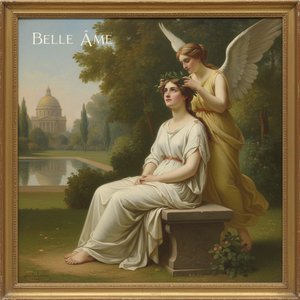
Jules Lefebvre: Master of Academic Realism & the Pursuit of Belle Âme
Explore the captivating figure paintings of Jules Lefebvre (1836-1911), a renowned French academic artist and educator. Discover his masterpieces, signature style, and lasting influence on art history. Shop high-quality reproductions at OriginalUniqueArt.
Academic Realism: Technique, History & Enduring Influence on Art
Explore the captivating world of Academic Realism! Discover key artists, techniques & its lasting impact on art history. Expert insights & high-quality reproductions at OriginalUniqueArt.

The Beauty of Perfection: A Journey Through the Rigor and Radiance of Academic Realism
Explore the profound elegance of Academic Realism. Discover how meticulous observation, anatomical precision, and the pursuit of ideal beauty created a timeless legacy of technical mastery and emotional depth in the world's most revered art academies.
