
 Eelvaade
 Saada
Saada Jaga
Jaga
 Teave teose kohta
 Juhend

 Laadi alla
 Sarnased teosed
 Röntgenuuring
 Slaidietendus
 KÜSIMUSED JA VASTUSID
 Statistika
BORDS DE RIVIERE


 Loe lähemalt
Giclée / Kunstiprint
Muuseumikvaliteediga giclée- või kangasprint kiire tootmisega ja paindlikud viimistlusvõimalused. ( Osta käsitsi maalatud teos Lülita digitaalse pildi juurde)




P118B €10

P118H €10

P118W €10

P438Z €10

P508JH €12

P508YH €12

P805H €10

P805Z €10

P919BZ €10

P919G €10

P919XJ €10

P959ZH €10

P968JZ €12

W106C €8

W218G €10

W218JH €8

W218Y €10

W307PJ €10

W316G €10

W316PJ €8

W316Y €10

W398PJ €8

W4111J €10

W500HY €15

W500JH €15

W692G €12

W849H €8

W940BG €15

W953PJ €8




Vali meie eelmääratud suurused, mis vastavad teose algupärastele proportsioonidele.

Sisestage vajalik laius ja kõrgus, et see sobiks teie raamile või seinale. Trükki saab ainult lõigata, seda ei saa kunagi pildist suuremaks teha, seega ka erineva mustega suurus kaotab osa pildist. Enne trükkimist saadame teile kinnitamiseks digitaalse näidisprojektsiooni. Sellel lehel näidatud pilt ei kujuta reaalset lõiget — seda näitab ainult näidisprojektsioon.
Ülemaailmne tarne () 2 nädala jooksul, tavalise 4/5 nädala asemel. (7 november)

Tasuta ekspresssaatmine üle maailma

Kõrgekvaliteediline lina-kangas

Täielik transpordikindlustus

Tollimaksude tagastamise garantii

Värvitoime täpsuse garantii

100 päeva tagastusõigus (ainult valmistusdefektide korral)

100% raha tagasi garantii

Hulgusoodustus
 Klaasivalik on saadaval ainult kuni 110 cm suuruses teostes

BORDS DE RIVIERE
Giclée / Kunstiprint
Reproduktsiooni suurus
-


Koguhind
€ 72
A Symphony of Dusk: Jules Dupré’s “Bords de Rivière”
Jules Dupré's "Bords de Rivière" – translating roughly as “Riverbanks” – isn’t merely a depiction of a pastoral scene; it’s an immersion into the heart of a fleeting moment, a captured breath of twilight. Painted in 1834, this oil on canvas offers a profound meditation on nature's power and the quiet beauty found within its dramatic shifts. Dupré, a pivotal figure in the Barbizon School, rejected the idealized landscapes favored by earlier generations, instead choosing to portray the raw, untamed essence of the French countryside – particularly its often turbulent skies and the subtle interplay of light and shadow.
The scene unfolds along a gently curving river, framed by a venerable oak tree that dominates the left side of the composition. A small herd of cows grazes peacefully near the water’s edge, their forms rendered with a loose, almost impressionistic touch, suggesting movement and life rather than rigid detail. In the distance, a line of trees hints at a rolling hillside, receding into a hazy blue horizon. The river itself isn't a mirror; it reflects the drama above, mirroring the bruised purple and grey hues of the approaching storm. This deliberate choice by Dupré elevates the painting beyond a simple landscape view, transforming it into a study of atmospheric perspective and the evocative power of color.
The Barbizon’s Embrace: Light, Atmosphere, and Observation
Dupré's artistic philosophy was deeply rooted in the principles of the Barbizon School. Rejecting the polished surfaces and meticulous detail of academic painting, the Barbizon artists prioritized direct observation and capturing the immediate effects of light and atmosphere. Dupré spent much of his career outdoors, meticulously studying the changing conditions of nature – the shifting clouds, the interplay of sunlight on water, and the subtle variations in color across the landscape. This commitment to *plein air* painting is evident in “Bords de Rivière,” where every brushstroke seems imbued with a sense of immediacy and spontaneity.
The technique employed here is characterized by loose, expressive brushwork – visible strokes that build up layers of color to create texture and depth. Dupré masterfully utilizes *sfumato*, a subtle blurring of lines and edges, to soften the forms and create an atmospheric haze. The colors are muted and earthy—greens, browns, ochres, and blues—but they vibrate with intensity, particularly in the dramatic sky. Notice how he doesn’t attempt to render every detail; instead, he focuses on capturing the *feeling* of the scene – a sense of melancholy, mystery, and the sublime beauty of nature's power.
Symbolism and Emotional Resonance
Beyond its purely visual appeal, “Bords de Rivière” is rich in symbolic meaning. The cows, symbols of abundance and rural prosperity, represent the connection between humanity and the land. However, their placid grazing contrasts sharply with the turbulent sky above, suggesting a tension between tranquility and impending change. The oak tree, an ancient symbol of strength and resilience, anchors the composition and provides a sense of stability amidst the drama.
The painting’s emotional impact is profound. It evokes a feeling of quiet contemplation, inviting the viewer to slow down and appreciate the beauty of the natural world. There's a hint of melancholy in the fading light, a recognition of the ephemeral nature of time and beauty. Yet, there’s also a sense of hope—a reminder that even amidst darkness and uncertainty, there is always the promise of a new dawn.
A Legacy of Impressionism: Reproduction and Interpretation
Jules Dupré's influence extends far beyond his own lifetime. His work paved the way for later Impressionist painters like Monet and Pissarro, who built upon his emphasis on light, atmosphere, and direct observation. Reproductions of “Bords de Rivière” capture much of the original’s evocative power, offering a glimpse into Dupré's artistic vision. When selecting a reproduction, consider the quality of the print and the accuracy of color rendition – details that are crucial to appreciating the nuances of this remarkable painting. Whether adorning a living room wall or gracing a study, “Bords de Rivière” remains a timeless testament to the beauty and power of nature.
Korduvad küsimused
Millised värvid domineerivad teoses „BORDS DE RIVIERE“, autor Jules Dupré?
Teose „BORDS DE RIVIERE“, autor Jules Dupré värvimaailm: Earthy palett, mille domineerib Putty (#eadca7).
Milleks on soovitatav kasutada teose "BORDS DE RIVIERE" trükistes?
Prindi "BORDS DE RIVIERE" soovituslik kasutus on Harmony.
Kas teos "BORDS DE RIVIERE" on üldmuljelt pigem hele või tumene?
Teose „BORDS DE RIVIERE“, autor Jules Dupré registreeritud väärtused on: eregus brilliant ja luminants Bright Balance.
Kunstniku elulugu
Barbisoni draamiline hing
Jules Dupré (1811–1889) seisab kui nurgelaud Barbisoni koolis, kunstiliikumuses, mis tõi esile puhta vaatluse ja emotsionaalse resonantsi maastikupildis. Erinevalt oma ajakasaeglastest, nagu Corot, kes otsisid sageli lüülilist ilu ja rahulikku vaikust, võttis Dupré lahingu looduse tumedamale ja tormilisemale poolele. Ta omastas ainulaadset võimet tabada tormide vihast furiurat, hämarduse melankoolset grandioossusust ja elementide väimatut energiat, edastades neid kogemusi võrreldamatult suure intensiivsusega. Sündides Prantsus, Nantes'is, algas Dupré kunstiline teekond kasvava huvi keskpunktis looduse vastu ning selle võime vastu äratada sügavad, sageli turbulentsed inimtunded.
Tema varajane elu pakkus alust untuk hoolikaks tähelepanule detailide suhtes ja hindamiseks meistrilikkuse, omadusi, mida ta õppis oma isa portselinitootmisettevõttes. See kujundav kogemus kohaandus hiljem tema enda kunstilistele pingutustele, mis on eriti nähtav tema varasemates teostes, kus uuriti keraamika dekoratsioonide keerukust. Keraamikadekoratsioonide õpilasena õppis ta peenete joonide ja tekstuuride distsipliini – oskusset, mis arenes lõpuks tema meistralikuks atmosfäärilise sügavuse ja orgaaniliste vormide käsitlusuks.
Tormi ja taeva kujundatud visioon
Dupré karjääri suund muutus muutlikuks pärast tema kohtumist John Constable'i murdiliste linatega. See kokkupuude inglise maastiku traditsioonidega sünditas soovi tabada looduse dünaamika olemust – tuulega liiguvate lehtede väimatut liikumist ning valguse ja varju dramalist koosmängu päeva kõige ebakindlamatel tundidel. Reisides 1831. aastal Suurbritanniasse, tegi Dupré sügavale uuringuid nende inglise meistrite tööde üle, pöidudes Prantsusse portfooliodga piltidest, mis redefineerisid tema lähenemist maastikule.
Ta leidis eriti suurt inspiratsiooni Southampton'i ja Plymouth'i ümbere piirkondade rannikualadest. Need laiad veepinnad, mis peegeldasid turbulentseid taevasid, pakkusid talle täiuslikku laboratooriumi tormpilvede tormilise liikumise ja merede kõrgust uurimiseks. Tema selle perioodi maalid ei ole pelgalt looduse kujutlemine; need on meeleolu ja tunnete visceraalne väljendus, mis on täidetud kättesaadava dramaatilisuse ja isegi kurbusega. Omastades Barbisoni esteetikat, eelistas Dupré ekspressiivseid värvipalette ja julgeid pintooni insteadideeritud või lihvitud esitusi, võimaldades värvi tekstuuril peegeldada maapinna karmust.
Barbisoni meistri pärand
Kui Barbisoni grupi võtmefiguur, arendas Dupré tihedaid sidemeid teiste legendaarsete maalijatega, sealhulgas Théodore Rousseau'ga. Tema tõus Prantsuse kunstimaailmas oli tähistatud oluliste verstmistega, nagu vastuvõtt Salongile ja ametlik tunnustus medali kaudu tema maastikude eest. Tema töö become sünkroonne teatud kõlavate ja resonantssete värviharmoniatega, kus loojatest võiks loojat kesta madal kukkumise valgus või läheneva tormi kahanus tunda sama palju kui näha.
Tänapäeval mäletatakse Jules Dupré'd kui ühte 19. sajandi mõjuvaima Prantsuse maastrikukunstnikku. Tema panus kunstile peitub võimes ühendada puhas vaatlus ja romantilised emotsioonid. Te través teoste nagu La Petite Charrette, Cows Crossing a Ford ning tema kütkestavad jõemaastikud õpetas ta kunstnikute põlvkonadele, et loodus ei ole lihtsalt objekti, mida maalida, vaid võimas jõud, mida tuleb kogeda. Tema pärand on jäädvist rasketes, atmosfäärilistes tekstuurides ja dramatilistes, hingavates taevades, mis jätavad ka tänapäeva kuj कल्पना lummavalt.

Jules Dupré
1811 - 1889 , Prantsus
Lühikest infot
- Artistic Movement Or Style: Barbizoni kool
- Artists Or Movements Influenced By This Artist: ['Romantiline maaling']
- Artists Who Influenced This Artist: ['Constable']
- Date Of Birth: Nantes, Prantsus (1811)
- Date Of Death: 6. oktoobri 1889
- Full Name: Jules Dupré
- Nationality: Prantsuse
- Notable Artworks:
- Hommik ja õhtu Louvre'il
- Übiristel Wallace kogudes
- Place Of Birth: Prantsus
Sarnased artiklid
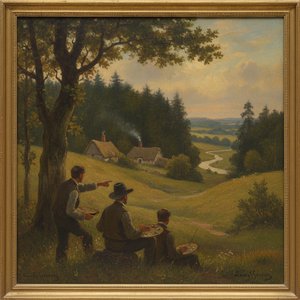
The Barbizon School: The Soulful Origins of Impressionism's Natural Light and Atmospheric Mastery
Discover the profound influence of the Barbizon School on Impressionism. Explore how these masters captured natural light and atmospheric beauty through plein air painting, paving the way for Monet and Renoir. A journey into the soulful origins of landscape art history.

Evoking Nature's Sublime: A Comprehensive Exploration of 19th-Century Landscape Painting
Explore the captivating world of 19th-century landscape painting! Discover renowned artists like Friedrich & Monet, key movements, and find the perfect artwork to bring nature's serenity into your home. Expert insights at OriginalUniqueArt.

Romantilise Maastikukunsti 10 Meisterteost: Kunstiteosed Koduks OriginalUniqueArt.com'ist
Avastage 10 romantilise maastikukunsti meistriteost! Tutvuge Caspar David Friedrichi, J.M.W. Turneri ja teiste suurte kunstnike loominguga OriginalUniqueArt.com-is. Leidke täiuslik õlimaal või reproduktsioon koduks – inspireeriv kollektsioon ootab!
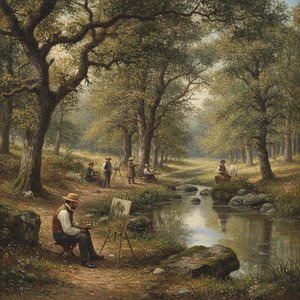
The Barbizon School: The Revolution of Naturalism and the Birth of Plein Air Landscape Painting
Explore the profound impact of the Barbizon School on landscape painting. Discover how masters like Rousseau and Corot revolutionized art through plein air naturalism, moving from academic idealism to the authentic beauty of the French countryside.

The Barbizon School: A Professional Guide to Naturalism and Landscape Mastery for Interior Designers
Explore the Barbizon School's mastery of naturalism. An expert guide for hotel designers and procurement managers on sourcing high-quality landscape reproductions to elevate hospitality and corporate interiors with authentic, large-scale fine art solutions.