
 Eelvaade
 Saada
Saada Jaga
Jaga
 Teave teose kohta
 Juhend

 Laadi alla
 Sarnased teosed
 Röntgenuuring
 Slaidietendus
 Q&A
Q&A Statistika
Pietà

- 161.0 x 144.0 cm


 Loe lähemalt
Giclée / Kunstiprint
Muuseumikvaliteediga giclée- või kangasprint kiire tootmisega ja paindlikud viimistlusvõimalused. ( Osta käsitsi maalatud teos Lülita digitaalse pildi juurde)




P118B €10

P118H €10

P118W €10

P438Z €10

P508JH €12

P508YH €12

P805H €10

P805Z €10

P919BZ €10

P919G €10

P919XJ €10

P959ZH €10

P968JZ €12

W106C €8

W218G €10

W218JH €8

W218Y €10

W307PJ €10

W316G €10

W316PJ €8

W316Y €10

W398PJ €8

W4111J €10

W500HY €15

W500JH €15

W692G €12

W849H €8

W940BG €15

W953PJ €8




Vali meie eelmääratud suurused, mis vastavad teose algupärastele proportsioonidele.

Sisestage vajalik laius ja kõrgus, et see sobiks teie raamile või seinale. Trükki saab ainult lõigata, seda ei saa kunagi pildist suuremaks teha, seega ka erineva mustega suurus kaotab osa pildist. Enne trükkimist saadame teile kinnitamiseks digitaalse näidisprojektsiooni. Sellel lehel näidatud pilt ei kujuta reaalset lõiget — seda näitab ainult näidisprojektsioon.
Ülemaailmne tarne () 2 nädala jooksul, tavalise 4/5 nädala asemel. (1 november)

Tasuta ekspresssaatmine üle maailma

Kõrgekvaliteediline lina-kangas

Täielik transpordikindlustus

Tollimaksude tagastamise garantii

Värvitoime täpsuse garantii

100 päeva tagastusõigus (ainult valmistusdefektide korral)

100% raha tagasi garantii

Hulgusoodustus
 Klaasivalik on saadaval ainult kuni 110 cm suuruses teostes

Pietà
Giclée / Kunstiprint
Reproduktsiooni suurus
-


Koguhind
€ 71
The Heart of Sorrow: An Exploration of Valdés Leal’s Pietà
Juan de Valdés Leal's 1657 “Pietà” is not merely a depiction of grief; it’s an immersion into the profound sorrow and spiritual weight of Christian iconography. Born in Seville during the height of the Spanish Baroque, Leal was deeply influenced by the traditions of theatrical sculpture, particularly the evocative “pasos”—elaborate processions featuring religious figures rendered with intense emotion—a practice common in Spain. This painting transcends simple representation, aiming instead to evoke a visceral response from the viewer, mirroring the agony of Mary Magdalene cradling the lifeless body of Christ.
The subject itself – the Pietà – has resonated through Western art for centuries. It’s a timeless image: the Virgin Mary, serene yet heartbroken, holding her son after his crucifixion. Leal masterfully captures this essence, moving beyond the idealized beauty often associated with depictions of the Madonna. Instead, we see a woman marked by sorrow, her expression a complex blend of grief and acceptance. The composition is deliberately tight, drawing our focus entirely to the central figures – a deliberate choice that intensifies the emotional impact. The diagonal line created by Christ’s body, sloping from left to right, guides the eye through the scene, mirroring the descent into despair.
Baroque Drama: Technique and Composition
Leal's mastery lies in his skillful deployment of Baroque techniques. The painting is dominated by *chiaroscuro*, a dramatic contrast between light and dark that sculpts the figures and imbues the scene with an almost theatrical quality. Light focuses intensely on Mary Magdalene and Christ’s body, casting deep shadows around them – these aren't merely stylistic choices; they symbolize the darkness of sin and suffering. The artist employs impasto—thickly applied paint—to create a richly textured surface, adding depth and physicality to the figures. Brushstrokes are bold and expressive, conveying movement and emotion with every mark.
The flattened perspective, characteristic of Baroque art, prioritizes emotional impact over strict realism. Leal doesn’t strive for photographic accuracy; instead, he uses color and form to create a heightened sense of drama and immediacy. The muted palette—primarily dark browns, reds, and blues—contributes to the somber atmosphere, reinforcing the theme of loss and mourning. The use of strong lines further emphasizes the dynamism of the scene, preventing it from feeling static or lifeless.
Symbolism and Spiritual Resonance
Beyond its visual power, the “Pietà” is rich in symbolism. The image directly references Christian iconography, but Leal imbues it with a distinctly Spanish sensibility. The gruesome details of Christ’s suffering—a hallmark of Spanish religious art—are not presented gratuitously; they serve to heighten the spiritual fervor and underscore the sacrifice made for humanity's salvation. Mary Magdalene’s posture – cradling the body with unwavering devotion – represents faith, loyalty, and acceptance of God’s will.
The scene as a whole speaks to universal themes of grief, loss, and redemption. It invites contemplation on mortality, suffering, and the enduring power of love and compassion. Leal's “Pietà” is more than just a religious painting; it’s a profound meditation on the human condition, rendered with breathtaking skill and emotional intensity.
Korduvad küsimused
Kuidas teose „Pietà“, autor Juan De Valdés Leal meeleolu on kirjeldatud?
Teose „Pietà“, autor Juan De Valdés Leal üldine meeleolu on Dramatic. See meeleolu kirjeldab teose üldist atmosfääri.
Kui suur on kontrasst teoses „Pietà“, autor Juan De Valdés Leal?
Teoses „Pietà“, autor Juan De Valdés Leal on nähtav Gentle kontrast heellemiste ja tumedate alade vahel.
Milline palett ja domineeriv värv määravad teose "Pietà"?
Teoses „Pietà“, autor Juan De Valdés Leal on kasutatud Earthy värvipaletti, kus domineerib Gray (#938366) värv.
Kunstniku elulugu
Varajane Elu ja Koolkonna Algus
Juan de Valdés Leal, tuntud hispaania maalikunstnik ja graafikameister, sündis 4. mail 1622 Sevillas. Ta kujunes mitmekülgseks kunstnikuks – maalijaks, skulptoriks ja arhitektiks. Nooruses, juba kahekümnendates eluaastates, õppis ta Antonio del Castillo juures Córdobas, täiustades oma oskusi baroki ajastul. See koolkond andis talle aluse dramaatiliste ja emotsionaalsete teemade kujutamisel, mis hiljem said tema tunnusjooneks. Tema varased tööd näitasid juba kalduvust keerukatele kompositsioonidele ja intensiivsele valguse ning varju mängule, iseloomulikud baroki stiilile.Olulised Teosed ja Koostöö
Valdés Leali silmapaistvad teosed hõlmavad:- Prophet Eliase lugu karmeliitide kiriku jaoks
- Püha Andrease märterlus San Francesco kirikus Córdobas
- Risti triumf La Caridad’is Sevillas
Isiklik Elu ja Pärand
Valdés Leal abiellus 1647. aastal Isabellaga, kes oli samuti maalikunstnik. Abielust sündis viis last, kellest mitmed said kunstnikuks – Lucas, Maria ja Laura. Valdés Leal suri 15. oktoobril 1690 Sevillas, jättes endast rikka pärandi kunstimaailma. Tema tööd on tuntud oma intensiivse emotsionaalsuse, keeruka detailide taseme ja filosoofilise sügavuse poolest. Ta mõjutas oluliselt hilisemaid hispaania baroki maalikunstnikke ning tema teosed jätkavad inspireerimist tänapäevalgi.Vaadake Tema Teoseid saidil OriginalUniqueArt.com
Valdés Leali loomingu parema tutvumiseks külastage https://OriginalUniqueArt.com/@/juan de valdés leal, kus saate leida:- 165 teost Juan de Valdés Leali poolt
- Muuseumikvaliteediga koopiad tema maalide kohta
- Baroki stiilis kunst, mis on iseloomulik ajastule Wikipedia: Juan de Valdés Leal
Lisainfo saidil OriginalUniqueArt.com
- Museo de Bellas Artes de Asturias (Hispaania): Tutvuge muuseumi kollektsiooniga, mis sisaldab Euroopa kunstiteoseid 12. sajandist kuni 20. sajandi alguseni.
- Sevilla Kunstimuuseum (Hispaania): Õppige muuseumi ajaloost, kollektsioonist ja külastamisinfo kohta.

Juan De Valdés Leal
1622 - 1690 , Eesti
Lühikest infot
- Artistic Movement Or Style: Baroki maalikunst
- Artists Or Movements Influenced By This Artist: ['Bartolomé Murillo']
- Artists Who Influenced This Artist: ['Antonio del Castillo']
- Date Of Birth: 4. mai 1622
- Date Of Death: 15. oktoober 1690
- Full Name: Juan de Nisa Valdés Leal
- Nationality: Hispaania
- Notable Artworks:
- Ajalugu prohvet Eliast
- Pühak Andrease märterlus
- Risti triumf
- Place Of Birth: Sevilla, Hispaania
Sarnased artiklid

Baroki draama ja luksus: Kuidas ajalooline elegants kaasaegsesse interjööri tuua
Avastage baroki maalide võlu OriginalUniqueArt'is! Käsitsi valmistatud reproduktsioonid, fotodest maalid ja ekspertkonsultatsioonid. Toome ajaloolise elegantsi Teie interjööri. Kvaliteet garanteeritud!

About Us
Discover our story! We bring world-class art into your life through expert curation, personalized creations, and free previews. Trusted by individuals and businesses since 2000.
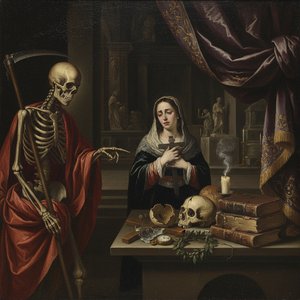
Juan de Valdés Leal: Baroque Realism, Memento Mori & Theatricality of Spanish Grief
Explore the powerful Baroque realism of Juan de Valdés Leal (1622-1690). Discover his somber masterpieces, iconic 'In Ictu Oculi', and profound explorations of mortality. Museum-quality reproductions available at OriginalUniqueArt.

Francisco Goya Parimad Teosed: Hingematvad Kunstiteosed Kodudesse – OriginalUniqueArt
Avastage Francisco Goya 25 parimat teost! Sukelduge Hispaania kunsti, romantismisse ja portree maalide maailma. Leidke inspiratsiooni kodudekoriks OriginalUniqueArt.com-is – kvaliteetsed kunstireproduktsioonid ja kollektsioonid.

The Dramatic Flourish: Exploring the Baroque Movement's Enduring Legacy in Art History
Explore the dramatic world of Baroque art! Discover iconic artists like Caravaggio & Rubens, defining techniques, and its lasting impact on art history. Expert insights for collectors & enthusiasts at OriginalUniqueArt.