
 Vaata sisu
 Jaga teost
 Jaga
Jaga
 Detailid
 Õppekate juhend

 Laadi alla
 Sarnased teosed
 Röntgenuuring
 Slaidietendus
 Statistika
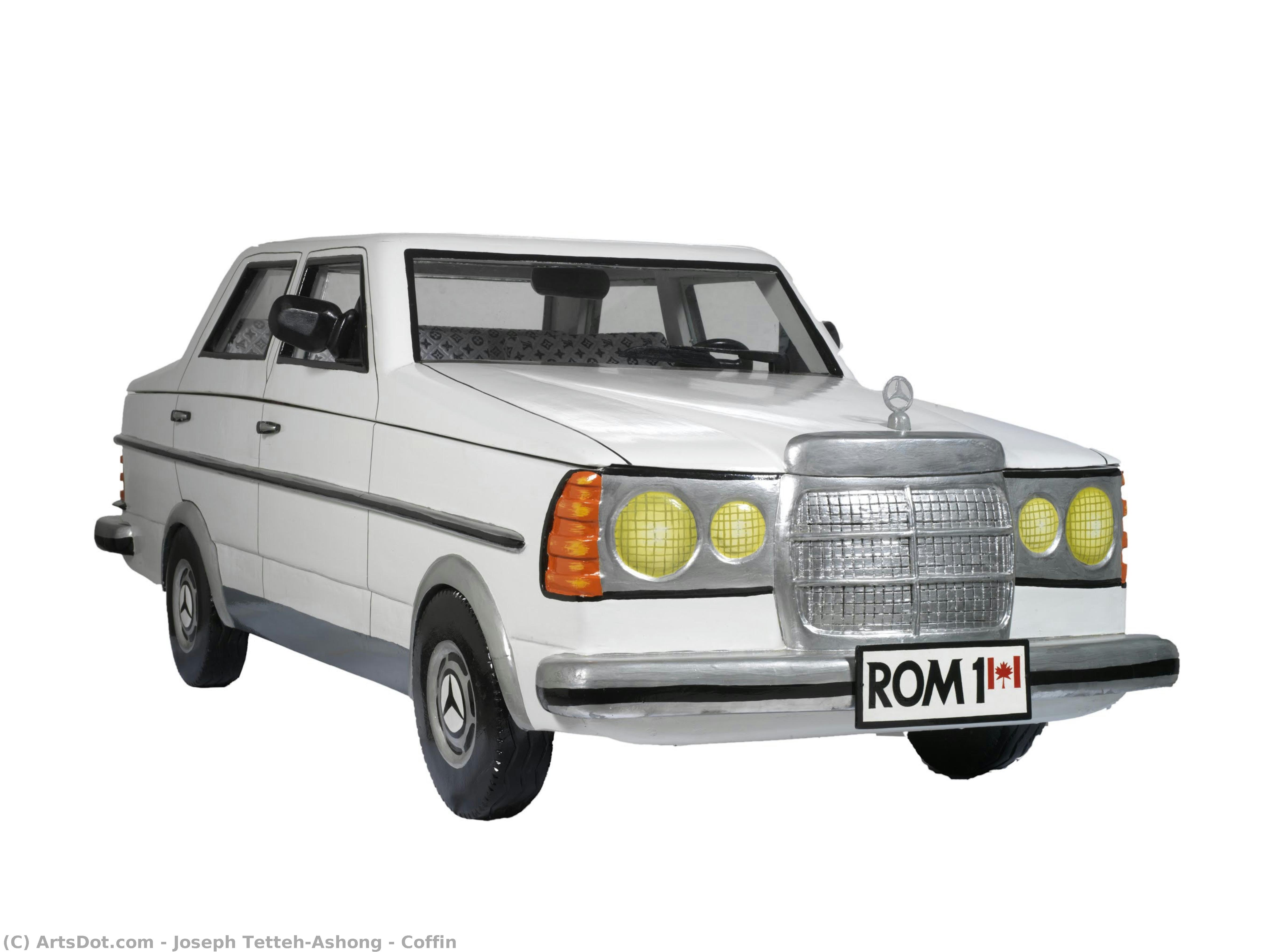
Coffin
 86.0 x 73.0 cm
 Loe lähemalt
Sellel lehel kuvatav kunstiteos on kaitstud autoriõigusega, mis tähendab, et meil ei ole seaduslikku õigust luua või müüa identset reproduktsiooni. Seda kaitset rakendatakse rahvusvaheliste kokkulepete alusel, nagu näiteks Berne konventsioon ning riiklike seadustega, sealhulgas nendega, mida on sätestatud USA autoriõiguse seadus – 17. peatükk.
See meetod järgib täielikult autoriõiguse reegleid, kuna see ei põhine kaitstud kunstiteose kopeerimisel või dupliteerimisel. Selle asemel on tegu loova reinterpreetatsiooniga – uue maaldisega, mis on algteosest inspireeritud, kuid ei ole sellest identiline.
Giclée / Kunstiprint
Muuseumikvaliteediga giclée- või kangasprint kiire tootmisega ja paindlikud viimistlusvõimalused. ( Telli käsitsi maalitud reproduktsioon Ülemineku digitaalse pildi müügi kanalisse)




































Vali meie eelmääratud suurused, mis vastavad teose algupärastele proportsioonidele.

Sisestage vajalik laius ja kõrgus, et see sobiks teie raamile või seinale. Trükki saab ainult lõigata, seda ei saa kunagi pildist suuremaks teha, seega ka differentse vormiga suurus kaotab osa pildist. Enne trükkimist saadame teile kinnitamiseks digitaalse näidisprojektsiooni. Sellel lehel näidatud pilt ei kujuta reaalset lõiget — seda näitab ainult näidisprojekttsioon.
Ülemaailmne tarne () 2 nädala jooksul, tavalise 4/5 nädala asemel. (25 oktoober)

Tasuta ekspresssaatmine üle maailma

Kõrgekvaliteediline lina-kangastest muld

Täielik transpordikindlustus

Tollimaksude tagastamise garantii

Värvitoime täpsuse garantii

100 päeva tagastusõigus (ainult defektide korral)

100% raha tagasi garantii

Hulgusoodustus
 Klaasivalik on saadaval ainult kuni 110 cm suuruses teostes

Coffin
Giclée / Kunstiprint
Reproduktsiooni mõõtmed
-


Lõppsumma
€ 70
Küsimused ja vastused
Mis on teose „Coffin“, autor Joseph Tetteh-Ashong kuju ja mõõdud?
Teose „Coffin“, autor Joseph Tetteh-Ashong mõõtmed on 86 x 73 cm ja selle formaat on Landscape.
Kas teosele „Coffin“, autor Joseph Tetteh-Ashong on saadaval diapositatsioon?
Teost „Coffin“, autor Joseph Tetteh-Ashong saab vaadata diapositena teose Slideshow lehel.
Kas teos „Coffin“, autor Joseph Tetteh-Ashong on värviline või tumenev?
Teel sündinud valgusest on teose „Coffin“, autor Joseph Tetteh-Ashong ereonim brilliant.
Kunstniku elulugu
A Legacy Carved in Wood: The Life and Art of Joseph Tetteh-Ashong (Paa Joe)
Joseph Tetteh-Ashong, known globally as Paa Joe, is more than just a sculptor; he’s a cultural historian translating the narratives of Ghana into breathtakingly imaginative forms. Born in Nungua, Ghana, in 1947, Paa Joe emerged from a lineage steeped in tradition, yet possessed an innate drive to push the boundaries of what Ghanaian coffin art could be. His journey began with a rigorous twelve-year apprenticeship under Kane Kwei at his workshop in Teshie – a foundational experience that instilled not only technical mastery but also a deep understanding of the symbolic weight embedded within each creation. These weren’t merely boxes for burial; they were *abebuu adekai*, “proverb boxes,” vessels designed to reflect the deceased's life, profession, and aspirations, ensuring a fitting passage into the afterlife. Paa Joe didn’t simply inherit this tradition; he revitalized it, infusing it with a vibrant personal vision that would soon capture international attention.From Tradition to Transcendence: The Evolution of a Unique Style
While deeply rooted in ancestral practices, Paa Joe's work quickly distinguished itself through its sheer audacity and playful complexity. Traditional Ghanaian coffins often represented animals – lions for royalty, fish for fishermen – but Paa Joe expanded this lexicon exponentially. He began crafting fantastical coffins shaped like airplanes for pilots, buses for travelers, and even colossal shoes for beloved shoemakers. This wasn’t mere novelty; it was a profound act of personalization, celebrating individual lives with unprecedented specificity. He masterfully employed vibrant colors and bold lines, drawing on the rich visual language of Ghanaian textiles and folklore. The process itself is remarkable – each coffin meticulously hand-carved from cedar wood, then painted with enamel paints that bring these extraordinary forms to life. Paa Joe’s skill lies not only in his carpentry but also in his ability to imbue each piece with a sense of movement, personality, and profound storytelling. He trained several apprentices—Daniel Mensah, Eric Kpakpo, and Kudjoe Affutu among them—who have themselves become celebrated artists, ensuring the continuation of this unique artistic heritage.International Recognition and Museum Collections
Paa Joe’s work first gained international recognition in 1989, marking a turning point in his career. His creations resonated with audiences worldwide, challenging conventional notions of art and craftsmanship. Major exhibitions followed in Europe, Japan, and the United States, introducing his vibrant sculptures to a global stage. Today, Paa Joe’s coffins are not confined to private collections; they grace the halls of prestigious institutions like the British Museum in London, the Brooklyn Museum in New York, the Royal Ontario Museum in Canada, and the Museum of Fine Arts, Boston, among many others. The inclusion of his work in these esteemed museums signifies a broader acknowledgement of African art’s profound cultural significance and its capacity to transcend geographical boundaries. His pieces are not simply displayed as ethnographic objects; they are celebrated as powerful works of contemporary sculpture, embodying both tradition and innovation.Symbolism and the Gates of No Return
The deeper meaning behind Paa Joe's work extends beyond individual commemoration. His more recent commissions, particularly those created in 2004 and 2005, address the harrowing history of the transatlantic slave trade. These large-scale sculptures depict architectural models of Gold Coast castles and forts – sites that served as holding pens for millions of Africans before their forced journey to the Americas and the Caribbean. These structures, now hauntingly recreated in wood, represent the “Gates of No Return,” a poignant reminder of the trauma and loss endured by those who were enslaved. Paa Joe’s artistry transforms these symbols of oppression into vessels carrying the spirits of the departed, offering a powerful commentary on memory, resilience, and the enduring legacy of slavery. The exhibition at the High Museum of Art in Atlanta further contextualizes this work, connecting it to global histories of slavery through archival documents, photographs, and interactive maps.A Vision for the Future: The Art Academy and Community Support
Paa Joe’s commitment extends beyond his own artistic practice; he is dedicated to nurturing the next generation of Ghanaian artists. He is currently building an art academy and gallery in Ghana, a space designed to support aspiring creatives and foster a thriving artistic community. This initiative reflects Paa Joe's belief in the transformative power of art and its ability to empower individuals and preserve cultural heritage. His legacy isn’t solely defined by the remarkable coffins he creates but also by his unwavering dedication to education, mentorship, and the continued celebration of Ghanaian artistry on a global scale. He continues to sculpt, innovate, and inspire, ensuring that the vibrant tradition of *abebuu adekai* will flourish for generations to come.
Joseph Tetteh-Ashong
1947 - , Ghana
Lühikest infot
- Artistic Movement Or Style: Figurative sculpture
- Artists Who Influenced This Artist: ['Kane Kwei']
- Date Of Birth: 1947
- Full Name: Joseph Tetteh-Ashong
- Nationality: Ghanaian
- Notable Artworks:
- Lion-Shaped Coffin
- Fantasy Coffins
- Place Of Birth: Nungua, Ghana