- Avaleht

- Õlimaalireproduktsioon
- jörg petel
- Ecce Homo

 Telli trükis Osta digipilt
 Saada
Saada
 Jaga
Jaga
 Teave teose kohta
 Lisa lemmikutesse

 Laadi alla
 Sarnased teosed
 Röntgenuuring
 Slaidietendus
Ecce Homo


 Loe lähemalt
Käsitsi valmistatud õlimaalireproduktsioon
Meie kunstnike poolt tellimusel valmistatud käsitsi maalitud õli-kainaste teos teie soovitud suuruses ja raamis.




































Vali meie eelmääratud suurused, mis vastavad teose algupärastele proportsioonidele.

Sa võite sisestada oma mõõtmed konkreetse raami või ruumi sobivuse tagamiseks. Kui teie valitud suurus ei vasta originaalpildi proportsioonidele, siis kärvime kunstiteost või laiendame maali täiendavate käsitsi maalitud elementidega. Enne tootmise algust saadetakse teile heakskiitmiseks digitaalne eelvaade.
Palun pidage meeles, et ekraanil kuvatav eelvaade ei kajasta tegelikku kärpimist või laiendamist. Ainult eelvaade näitab täpselt lõplikku kompositsiooni.
Kuigi on saadaval kohandatud suurused, soovitame originaalproportsioonide säilimiseks valida mõõdud eelmääratletud nimekirjast.
Pärast tellimust saadab OriginalUniqueArt.com meeskond kliendile e-posti juhised ning esitab eelvaate kavandi.
Maailmline tarne 3–4 nädala jooksul tavalise 5 nädala asemel. (23 juuli). Kvaliteedis kompromisse ei tehta.

Tasuta ekspresssaatmine üle maailma

Kõrgekvaliteediline linakangas

Täielik transpordikindlustus

Tollimaksude tagastamise garantii

Värvitoime täpsuse garantii

60-päevane tagastusõig: ainult tootmisdefektide korral

100% raha tagasi garantii

Hulgusoodustus
 Klaasivalik on saadaval ainult suuruses kuni 110 cm

Ecce Homo
Reproduktsiooni tehnika
Reproduktsiooni suurus
-


Kogusumma
-
Kunstniku elulugu
Georg Petel (1601/02 – January 1635, Augsburg)
Georg Petel was a German sculptor and ivory carver who stands as one of the pivotal figures in establishing Baroque sculpture within Germany. Born in Weilheim im Bayerischen Oberland around 1601 or 1602, he descended from humble origins – orphaned at infancy due to the untimely deaths of his parents – and found mentorship under Bartholomä Steinle, a local carver who instilled in him the foundational skills of craftsmanship. This early training would prove instrumental in shaping Petel’s artistic trajectory.- Early Life & Training: Steinle's workshop provided Petel with invaluable experience in ivory carving, exposing him to the techniques and aesthetic sensibilities prevalent in Munich’s aristocratic circles.
- Influence of Rubens & Antwerp: A formative encounter with Peter Paul Rubens in Antwerp profoundly impacted Petel’s artistic vision. Rubens’ dynamic compositions and masterful use of light served as a powerful stimulus for Petel's own sculptural endeavors, particularly his fascination with portraying emotion and grandeur.
- Roman Period & Artistic Style: Petel’s Roman apprenticeship instilled in him a stylistic approach characterized by dramatic modeling, expressive gestures, and meticulous attention to detail—elements that would define his oeuvre throughout his career.
- Notable Works: Among Petel's most celebrated creations are “Venus and Cupid” (Ashmolean Museum, Oxford), “Triumph of Venus” (Stockholm Palace) and St Christopher Statue for St Moritz Church in Augsburg

jörg petel
1601 - 1634 , Germany
Lühikesed faktid
- Artistic Movement Or Style: Baroque
- Artists Or Movements Influenced By This Artist: ['Gianlorenzo Bernini']
- Artists Who Influenced This Artist:
- Christoph Angermair
- Peter Paul Rubens
- Date Of Birth: 1601
- Full Name: Jörg Petel
- Nationality: German
- Notable Artworks:
- Bust of Rubens
- Ecce Homo
- Place Of Death: Augsburg
Seotud artiklid
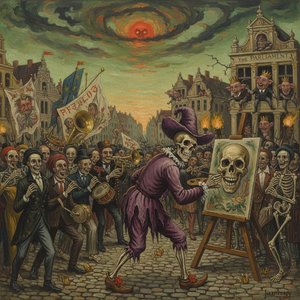
James Ensor's Grotesque Visions: Social Commentary & Artistic Innovation
Explore the unsettling yet captivating world of James Ensor, a pioneer of Expressionism. Discover his satirical masterpieces, symbolic imagery & lasting influence on modern art. High-quality reproductions available at OriginalUniqueArt.

Theatricality & Triumph: Baroque Drama in Painting & Sculpture
Explore the dramatic world of Baroque art! Discover its history, defining characteristics, & lasting influence on painting & sculpture. Expert insights into Caravaggio, Zurbarán, and Bernini – plus high-quality reproductions at OriginalUniqueArt.
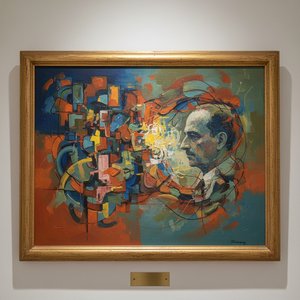
Jorge José Castillo Casalderrey: A Spanish Abstract Expressionist's Evolving Vision
Explore the captivating world of Jorge José Castillo Casalderrey, a leading Spanish Abstract Expressionist. Discover his unique style, market value & legacy. Expert insights for discerning collectors.
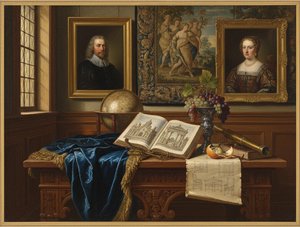
Masterpieces of the 17th Century: Art, History & Decor Inspiration | OriginalUniqueArt
Journey through 17th century art with masterpieces by Rembrandt, Vermeer & Caravaggio. Explore Baroque paintings, Dutch Golden Age techniques & timeless beauty. Find museum-quality reproductions and elevate your home decor on OriginalUniqueArt.com.
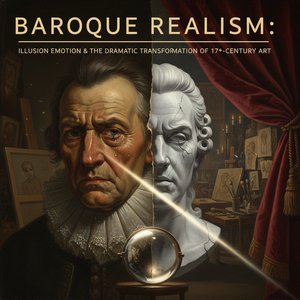
Baroque Realism: Illusion, Emotion & the Dramatic Transformation of 17th-Century Art
Explore the dramatic world of Baroque Realism! Discover iconic artists like Caravaggio & Rubens, their techniques, and the movement's lasting impact on art history. Expert insights for collectors & enthusiasts.

