
 Eelvaade
 Saada
Saada Jaga
Jaga
 Teave teose kohta
 Juhend

 Laadi alla
 Sarnased teosed
 Röntgenuuring
 Slaidietendus
 Statistika
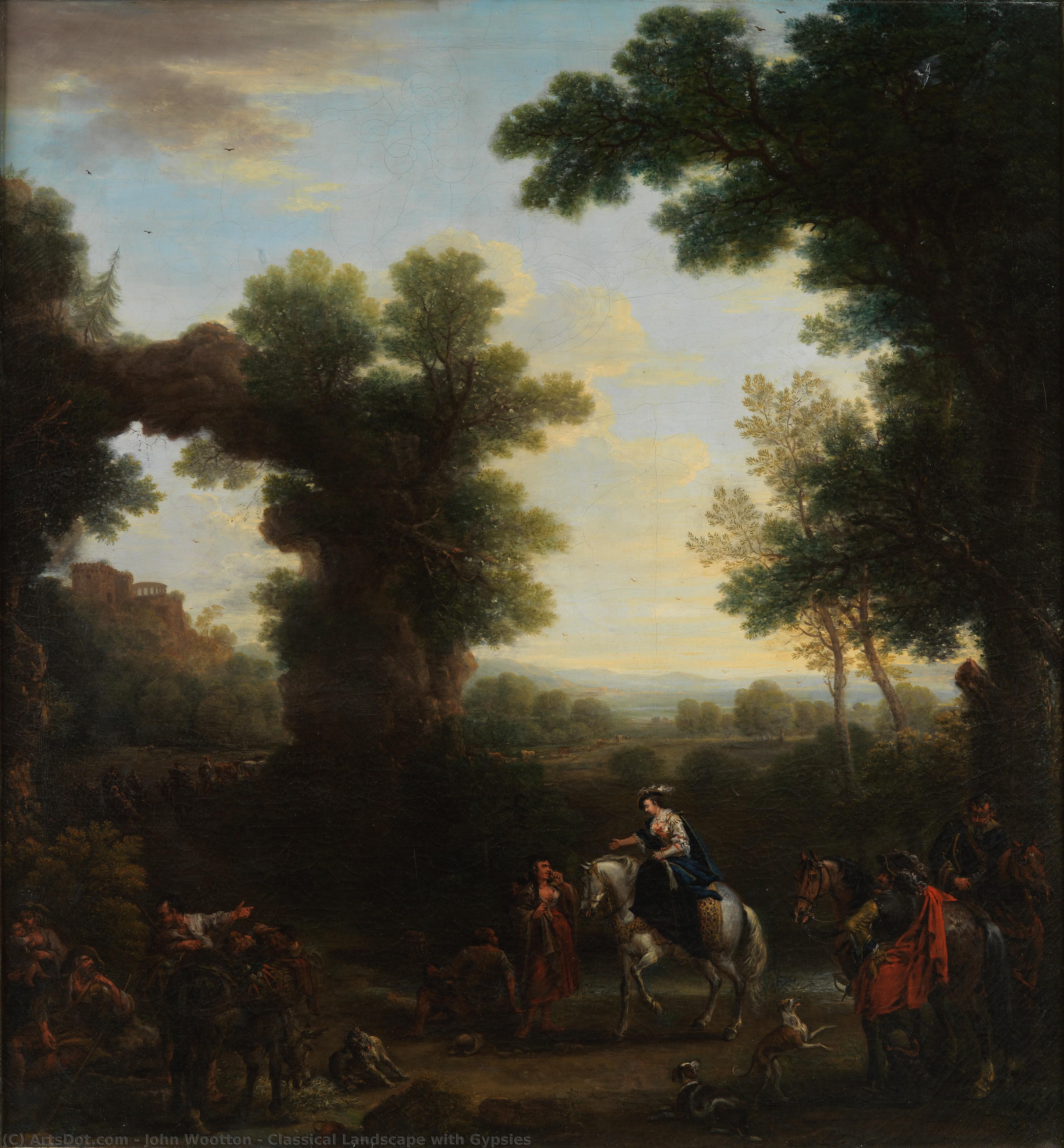
Classical Landscape with Gypsies
 Oil On Canvas
- WallArt
- Baroque Landscape Painting
 1748
1748- Early Modern
 140.0 x 131.0 cm
 Metropolitani Kunstimuuseum
 Loe lähemalt
Giclée / Kunstiprint
Muuseumikvaliteediga giclée- või kangasprint kiire tootmisega ja paindlikud viimistlusvõimalused. ( Osta käsitsi maalatud teos Lülita digitaalse pildi juurde)




P118B €10

P118H €10

P118W €10

P438Z €10

P508JH €12

P508YH €12

P805H €10

P805Z €10

P919BZ €10

P919G €10

P919XJ €10

P959ZH €10

P968JZ €12

W106C €8

W218G €10

W218JH €8

W218Y €10

W307PJ €10

W316G €10

W316PJ €8

W316Y €10

W398PJ €8

W4111J €10

W500HY €15

W500JH €15

W692G €12

W849H €8

W940BG €15

W953PJ €8




Vali meie eelmääratud suurused, mis vastavad teose algupärastele proportsioonidele.

Sisestage vajalik laius ja kõrgus, et see sobiks teie raamile või seinale. Trükki saab ainult lõigata, seda ei saa kunagi pildist suuremaks teha, seega ka erineva mustega suurus kaotab osa pildist. Enne trükkimist saadame teile kinnitamiseks digitaalse näidisprojektsiooni. Sellel lehel näidatud pilt ei kujuta reaalset lõiget — seda näitab ainult näidisprojektsioon.
Ülemaailmne tarne () 2 nädala jooksul, tavalise 4/5 nädala asemel. (28 oktoober)

Tasuta ekspresssaatmine üle maailma

Kõrgekvaliteediline lina-kangas

Täielik transpordikindlustus

Tollimaksude tagastamise garantii

Värvitoime täpsuse garantii

100 päeva tagastusõigus (ainult valmistusdefektide korral)

100% raha tagasi garantii

Hulgusoodustus
 Klaasivalik on saadaval ainult kuni 110 cm suuruses teostes

Classical Landscape with Gypsies
Giclée / Kunstiprint
Reproduktsiooni suurus
-


Koguhind
€ 71
A Pastoral Symphony: The Enchantment of Wootton’s Landscape
In the grand tapestry of eighteenth-century British art, few works capture the harmonious tension between aristocratic refinement and the untamed spirit of nature as gracefully as John Wootton’s "Classical Landscape with Gypsies." Executed in 1748, this monumental canvas serves as a breathtaking window into the Regency era's profound fascination with pastoral beauty. The scene unfolds not merely as a static depiction of countryside, but as a meticulously choreographed tableau where the rolling hills and muted greens of the English landscape provide a stage for a lively human narrative. As one gazes upon the composition, there is an immediate sense of entering a world where time slows down, inviting the viewer to wander through the atmospheric perspective and tonal gradations that Wootton mastered so exquisitely under the tutelage of Jan Wyck.
The painting’s subject matter strikes a delicate balance between the idyllic and the itinerant. At its heart, a gathering of gypsies moves through the landscape, their presence introducing a layer of nomadic vitality to the otherwise serene setting. This juxtaposition—the transient life of the travelers set against the permanent, stately backdrop of the countryside—was a hallmark of the era's artistic curiosity. The inclusion of horses, rendered with Wootton’s signature precision, further elevates the narrative; these noble creatures are not merely animals within the frame but symbols of status, freedom, and the deep-seated connection between the landed gentry and the natural world. For the discerning collector or interior designer, this piece offers a profound sense of movement and life, making it an ideal centerpiece for spaces that require a touch of historical grandeur and organic warmth.
Mastery of Brush and Light: The Technical Brilliance
To appreciate "Classical Landscape with Gypsies" is to witness the technical prowess of a pioneer of sporting art. Wootton’s technique eschews the rigid, clinical precision often found in academic painting of his time, opting instead for loose, expressive brushstrokes that imbue the canvas with palpable emotion and dynamism. One can almost feel the breeze moving through the scattered trees and sense the heat radiating from the sun-drenched hills. His ability to manipulate light and shadow creates a sense of depth that draws the eye inward, leading the viewer from the detailed interactions in the foreground—where figures converse and tend to their mounts—toward the hazy, distant horizons.
The color palette is a masterclass in subtlety, utilizing earthy browns, soft ochres, and deep forest greens to evoke a sense of timelessness. This restrained use of color ensures that the painting does not overwhelm a room but rather complements it, providing a sophisticated foundation for luxury decor. For those seeking to integrate fine art into a contemporary or classical interior, a high-quality reproduction of this work offers more than just decoration; it provides an infusion of historical soul. The way Wootton captures the texture of animal coats, the softness of the foliage, and the very atmosphere of the English afternoon makes this painting an enduring masterpiece that continues to inspire awe and tranquility in all who behold it.
Korduvad küsimused
Kes on teose "Classical Landscape with Gypsies" kunstnik?
Teose "Classical Landscape with Gypsies" looja on John Wootton. Teos on kataloogitud nime John Wootton all.
Kas teos "Classical Landscape with Gypsies" on üldmuljelt pigem hele või tumene?
Teose „Classical Landscape with Gypsies“, autor John Wootton registreeritud väärtused on: eregus deep_shadow ja luminants Soft Shadow.
Kuidas teose "Classical Landscape with Gypsies" motiiv seobub John Wootton tavalistega teemadega?
John Wootton dokumenteeritud teemade — beaufort family patronage, equestrian tradition, aristocratic landscape, baroque style, decorative art — seas paneb teos "Classical Landscape with Gypsies" erilist tähelepanu teemadel landscape, gypsies, equestrian art, aristocracy, pastoral scene, classical painting, british art, seventeenth century.
Kunstniku elulugu
Spordi kunsti pioneer: John Woottoni elu ja pärand
John Wootton, kes sündis umbes 1686. aastal Stratford-upon-Avoni lähedal asuvas armsas Warwickshire piirkonna külas Snitterfield, tõus esile kui võtmetä人物 Briti spordikunsti arengus. Kuigi täpsed detailid tema varasest elust on üsna eemal, usutakse, et ta astus juba noorelt teenistusse auastatud Beauforti pere hulka – kogemus, mis tõenäoliselt süvendasi tema sidumist ratsutamisega ja sellega kaasneva aristokraatliku maailmaga. Tema kunstiline teekond algas 1alli aastatel formaalse koolitusega Jan Wycki juures, kus ta lihvis joonistamise ja maalaartehnikat alustalusi – vundamenti, millele ehitas hiljem oma erakordselt edukat karjääri. Isegi need varajased aastad näitasid Woottoni loomulikku talenti hobide olemuse tabamisel, nagu kinnitab tema esimene tuntud teos „Bonny Black“ (1711), mis ennustas tema tulevast meistripositsiooni hobide portreendimises.Mainimine ja kunstiline uuendusmeelsus
Kuni 1706. aastani oli Wootton kindlustanud oma positsiooni Londonis, saades kiiresti tunnustust oma hobide kujutuste eest, eriti neil, kes osalesid kuulsatel Newmarket'i võidusõidudel. Ta ei dokumenteerinud neid loomi pelgalt; ta tabas nende vaimu, jõudu ja isikupära erakordse täpsuse ja tundlikkusega. See spetsialiseerumine tõi ta Briti eliidi lähedale – patroonide hulka kuulusid sellised nimed nagu George II ja Walesi prints Frederick. Wootton osales aktiivselt kunstikeskkonnas, olles 1711. aastal esimene ingliskeelne maali- ja joonistuskool kirjandus ja hiljem, 1717. aastaks, toimides St Luke’si Virtuosi klubi hooldajana, demonstreerides oma pühendumust kunstilisele dialoogile ja koostööle. Kuid Woottoni panus ei piirdunud vaid hobide maaliminega. Ta oli võtmefiguur Briti kunstis niin nimetatud „ideaalse maastiku“ tutvustamisel – stiilis, millel olid tugevad mõjud nagu Gaspard Dughetil (tuntud ka kui Gaspar van Wittel). Lisades klassikalisi elemente oma maastikudesse, pakkus ta värskendavat alternatiivi valitsevatele hollandi ja flamlaste stiilidele, laidades aluse Briti maastikukunstnike tulevatele põlvkonnadelle, sealhulgas Thomas Gainsboroughle.Linaluule valtsimine: stiil ja suuremised teosed
Woottoni kunstistiil on iseloomulik täpne detailikäsitlus, loomade realistiline esitamine ning inimfiguuride ja maastiku harmooniline ühtsus. Ta omastas erakordset võimet hoolikalt jälgida ja seejärel idealiseerida, luues teoseid, mis olid nii esteetiliselt nauditavad kui ka ajastu spordikultuuri peegeldavad. Tema hobide portreedit on arvatavult tema kõige suuremad saavutused – teosed nagu „The Bloody-shouldered Arabian“ näitavad mitte ainult tehnilist oskust, vaid ka sügavat anatomia ja iseloomu mõistmist. Lisaks üksikute hobide portreetidele oli Wootton suurepärane kujutama elusat jahimaske ja ratsutamisüritusi, lisades sageli „konversatsiooniteoseid“, kus nähti ratsustajaid, koeri ja maalilisi ü Surroundings. Need teosed ei olnud lihtsalt sündmuste protokollid; need olid hoolikalt konstrueritud narratiivid, mis tabasid Briti aristokraatide sotsiaalset dünaamikat ja vabaaja tegevusi. Tema maastikud, kuigi sageli loomamaalide varjus jäävad, demonstreerivad peenust perspektiivi, kompositsiooni ja atmosfääri mõjude arusaamisel, kinnistades tema positsiooni mitmekülgse ja uuendusmeelse kunstina. Teosed nagu „Viscount Weymouth’s Hunt“ on selle oskuse näidised, kujutades aristokraatlikku vabaaja tegevust klassikalises stiilis ja rikkalikud detailidega.Püsiv mõju ja ajalooline tähendus
Kuigi hiljemad kunstnikud, nagu George Stubbs – kelle anatomiline täpsus ületas Woottoni – saavutasid loomamaalide valdkonnas suurema tuntuse, on John Woottoni pioneerrolle väüdamatu. Ta tõi spordikunst kooslegitiimse žanrina ja teavitas teed järgmistele kunstnikatele, et uurida seda teemat üha sofisteeritumalt. Tema poolt tutvustatud ideaalse maastiku stiilil oli püsiv mõju Briti maalile, mõjutades põlvkonte ja aitades kaasa eraldi Briti esteetilise tundlikkuse arengule. Ta tõid sild ehk ühenduse varasemate traditsioonide ja uuenemate stiilide vahel, mis määratasid 18. sajandi Briti kunsti. Täna on Woottoni teoseid säilitatud prestiižikas kollektsioonides üle maailma – sealhulumbi Tate Gallery (London), Virginia Museum of Fine Arts (Richmond) ja Yale Center for British Art – tagades, et tema pärand on kunstihuviliste poolt jätkuvalt väärtustatud. Ta seisab kui tunnistus tähelepanu, uuendusmeelsuse ja selle igavene jõud, mis peitub nii looduse ilu kui ka aristokraatlike tegevuste dünaamika tabamises, mis tema ajastunnet defineeris.
John Wootton
1682 - 1764 , Ühendkuningriik
Lühikest infot
- Artistic Movement Or Style: Spordikunst, Maalustus
- Artists Or Movements Influenced By This Artist:
- Thomas Gainsborough
- George Stubbs
- Artists Who Influenced This Artist:
- Jan Wyck
- Gaspard Dughet
- Date Of Birth: u. 1686
- Date Of Death: 1764
- Full Name: John Wootton
- Nationality: Briti
- Notable Artworks:
- Bonny Black
- Enne metsastust
- The Bloody-Shouldered Arabian
- Place Of Birth: Snitterfield, Ühendatud Kuningriik
Sarnased artiklid

John Singer Sargent's 25 Masterpieces: Portraits & Beyond | OriginalUniqueArt
Explore 25 iconic John Singer Sargent paintings – from dazzling portraits to Impressionist landscapes. Discover the stories behind Madame X, El Jaleo & more! Find museum-quality art reproductions and elevate your home decor with OriginalUniqueArt.com.

Neo-Classicism's Greatest Hits: 10 Masterpieces for Your Home |
Journey through Neo-Classicism's finest! Explore 10 iconic masterpieces by David, Ingres & Canova. Discover art history, techniques & timeless beauty – perfect for inspiring your home decor. Find museum-quality reproductions at
John Frederick Herring Sr.: Equestrian Mastery & the Rise of Sporting Art in Victorian England
Explore the life & work of John Frederick Herring Sr., a leading Victorian equestrian artist. Discover his masterpieces, patronage, techniques & investment potential. Expert insights for collectors.

John Constable: 25 Suurimat Teost Inglise Maastikumaali Tippu
Avastage John Constable'i 25 suurimat teost! Sukeldu inglise maastikumaali romantismisse, imetlege Dedham Vale ilu ja leia inspiratsiooni kodukaunistuseks. Kvaliteetsed kunstireprodutsioonid OriginalUniqueArt.com-is. Vaata kohe!
Sr. John E. Ferneley: Equestrian Portraiture & England's Social Fabric
Explore the captivating world of Sr. John E. Ferneley, a master of British sporting art. Discover his exquisite equestrian paintings & insights into 19th-century society. Invest in timeless masterpieces with OriginalUniqueArt.