

 Eelvaade
 Saada
Saada Jaga
Jaga
 Teave teose kohta
 Juhend

 Laadi alla
 Sarnased teosed
 Röntgenuuring
 Slaidietendus
 Q&A
Q&A Statistika
Portrait of a Lady


 Loe lähemalt
Giclée / Kunstiprint
Muuseumikvaliteediga giclée- või kangasprint kiire tootmisega ja paindlikud viimistlusvõimalused. ( Osta käsitsi maalatud teos Lülita digitaalse pildi juurde)




P118B €10

P118H €10

P118W €10

P438Z €10

P508JH €12

P508YH €12

P805H €10

P805Z €10

P919BZ €10

P919G €10

P919XJ €10

P959ZH €10

P968JZ €12

W106C €8

W218G €10

W218JH €8

W218Y €10

W307PJ €10

W316G €10

W316PJ €8

W316Y €10

W398PJ €8

W4111J €10

W500HY €15

W500JH €15

W692G €12

W849H €8

W940BG €15

W953PJ €8




Vali meie eelmääratud suurused, mis vastavad teose algupärastele proportsioonidele.

Sisestage vajalik laius ja kõrgus, et see sobiks teie raamile või seinale. Trükki saab ainult lõigata, seda ei saa kunagi pildist suuremaks teha, seega ka erineva mustega suurus kaotab osa pildist. Enne trükkimist saadame teile kinnitamiseks digitaalse näidisprojektsiooni. Sellel lehel näidatud pilt ei kujuta reaalset lõiget — seda näitab ainult näidisprojektsioon.
Ülemaailmne tarne () 2 nädala jooksul, tavalise 4/5 nädala asemel. (30 oktoober)

Tasuta ekspresssaatmine üle maailma

Kõrgekvaliteediline lina-kangas

Täielik transpordikindlustus

Tollimaksude tagastamise garantii

Värvitoime täpsuse garantii

100 päeva tagastusõigus (ainult valmistusdefektide korral)

100% raha tagasi garantii

Hulgusoodustus
 Klaasivalik on saadaval ainult kuni 110 cm suuruses teostes

Portrait of a Lady
Giclée / Kunstiprint
Reproduktsiooni suurus
-


Koguhind
€ 71
A Window Into Colonial Elegance
In the quiet, dignified presence of John Singleton Copley’s “Portrait of a Lady,” painted in 1771, one finds more than just a mere likeness; one encounters a profound window into the refined atmosphere of colonial America. This masterpiece serves as an emblem of a burgeoning artistic landscape, capturing a moment when the American colonies were beginning to assert their own cultural identity through the lens of Neoclassicism. The subject, seated with a poised and serene grace, becomes the focal point of a carefully constructed tableau that speaks volumes about societal expectations, personal aspirations, and the quiet dignity of the era's upper class.
Copley, a transformative figure who bridged the worlds of American grit and European sophistication, imbues this portrait with an unparalleled psychological realism. As the viewer gazates upon her, there is an immediate sense of intimacy, as if we are catching a private moment of reflection. The lady sits gracefully, perhaps lost in thought or engaged with the papers before her, embodying the intellectual and social refinement that defined the period. For the discerning collector or interior designer, this piece offers a timeless elegance that transcends generations, providing a sophisticated anchor for any curated space.
Mastery of Light, Texture, and Technique
The technical brilliance of Copley is on full display through his meticulous attention to detail and his command over the Neoclassical style. He employs a masterful use of light and shadow—often associated with the sfumato technique—to create a breathtaking three-dimensional effect that brings the subject to life. Every element of the composition is balanced with mathematical precision, yet it feels organic and breathing. The artist’s ability to render textures is nothing short of extraordinary; one can almost feel the crispness of the pristine white fabric of her dress and the heavy, luxurious weight of the vibrant red upholstery upon which she rests.
This tactile quality is what makes a high-quality reproduction of this work so captivating for home decoration. The interplay between the luminous skin tones and the rich, deep hues of the background creates a visual depth that commands attention. Copley’s training, though largely self-taught, allowed him to absorb the essence of masters like Rembrandt, translating their lessons into a uniquely American vernacular. His ability to capture the gleam of light on fabric and the subtle nuances of shadow ensures that the painting remains dynamic, regardless of the lighting in the room where it is displayed.
Symbolism and Emotional Resonance
Beyond its aesthetic splendor, “Portrait of a Lady” is rich with the symbolic language of the 18th century. The color palette itself carries significant weight: the white of her attire serves as a symbol of purity and virtue, while the bold red of the furniture suggests passion, power, and the burgeoning wealth of the colonial merchant class. These subtle cues allow the painting to function as a narrative piece, telling a story of status and character without the need for overt declaration.
For those seeking to infuse their interiors with a sense of history and emotional depth, this artwork provides an unparalleled emotional impact. It evokes a sense of nostalgia for a bygone era of craftsmanship and poise. Whether placed in a formal study, a grand hallway, or a contemporary living space, the portrait acts as a conversation starter—a piece of history that invites contemplation. To possess a reproduction of such a work is to bring a fragment of American heritage into the modern home, offering a sense of permanence and cultured grace that only true fine art can provide.
Korduvad küsimused
Kuidas teos „Portrait of a Lady“, autor John Singleton Copley seob Neo-Classical kunstniku kodumaaga?
Neo-Classical suunaga teos "Portrait of a Lady" on loodud kunstniku poolt, kes on pärit riigist Suurbritannia.
Kas teose "Portrait of a Lady" värvid on tugevad või pehmed?
Teose „Portrait of a Lady“, autor John Singleton Copley värvid on Monochromatic intensiivsusega.
Milline on teose „Portrait of a Lady“, autor John Singleton Copley värvitoon?
Teose "Portrait of a Lady" värvigamma on määratud Earthy paletiga, mille domineeriv värv on Phthalo Green (#18161a).
Kunstniku elulugu
John Singleton Copley: Koloniaalaja Kunstniku Elu ja Looming
John Singleton Copley, kes sündis 1738. aastal Bostonis, on ainulaadne tegelane Ameerika kunstiajaloo seas. Ta ei olnud pelgalt maalija; ta oli kultuuriline sillamüntija, kes lõi eripärase Anglo-Ameerika esteetikat olulise poliitilise ja sotsiaalse muutuste perioodil. Tema lugu on eneseõpetuse briljansist, unustamata ambitsioonist ja võimest tabada mitte ainult näolisi sarnasusi, vaid ka subjekti olemust oma aja kontekstis. Copley kasvupinged olid sügavaid Bostoni koloniaalaja meremaailma juuri, kus valitses äri, laevaehitus ja kasvav rikkus. Tema isa, Richard Copley, kuigi peagi kadunud, oli tubaka kaupmees, samas kui tema ema, Mary Singleton Copley, juhtis poodi Long Wharf'il. See keskkond andis noorele Johnile terava arusaamise materiaalsetest asjadest – kangaste tekstuurist, hõbeda läigist ja sotsiaalse staatuse peentest nüanssidest – kõik need elemendid defineerisid hiljem tema kunstistiili. Tema kasuisa, Peter Pelham, graveerija ja limner (kunstnik, kes tegi portreede vellumile või pergamendile), pakkus algseid juhiseid, kuid Copley talendi arendas peamiselt eneseõpetuse kaudu, uuringute ja harjutuste abil. Ta neelas alla kõik saadaval olevad graveeringud, kopeerides neid hoolikalt tehnika omandamiseks ning ületas peaagu kohe oma kasuisa oskused.Portreede Kangelasena Bostonis
1760ndatel oli Copley endale kindlustanud positsiooni Bostoni peamise portreekunstnikuna, teenindades linna eliiti. Tema edu ei tulnenud pelgalt tehnikast; see oli tema võime sisendada oma portreedesse psühholoogilist sügavust, mida koloniaalaja Ameerika kunstis harva nähti. Ta astus üle lihtsa esituse, püüdes tabada subjekti iseloomu ja sotsiaalset staatust. See nõudis tähelepanu detailidele – kangaste, ehete ja sisustuse täpse renderdamist – aga ka arusaamist poosist, väljendustest ja žestidest. Copley portreed ei olnud pelgalt kujutised; need olid avaldusi rikkuse, võimu ja sotsiaalse ambitsiooni kohta. Ta oskuslikult sisendas oma kompositsioonidesse sümbolseid objekte, vihjates subjekti ametile või huvidele. Ärimees võidi kujutada taustal imporditud kaupadega, jurist õiguslike tekstidega või mereohvitser mereriistadega. See detailile ja sümbolismile pööratav tähelepanu tõstis tema tööd lihtsa portreeülesandest ning muutis selleks sotsiaalse kommentaari vormi. Tema *Mrs. Ezekiel Gondthwait (Elizabeth Lewis)*'i portreed on selle lähenemise näide – elegantne poos, luksuslikud riided ja peened detailid väljendavad kõrgelt arenenud staatust.Ambitsioonid ja Euroopa Kutse
Vaatamata Bostonis saavutatud edule, Copleyil olid ambitsioonid, mis ulatuvad koloniaalaja kunstimaailma piiramine. Ta ihaldas tunnustust Londoni ja Rooma asutavate kunstiringkondade poolt ning soovis oma oskusi Euroopa meistritega võrrelda. 1766. aastal saatis ta *Boy with a Flying Squirrel* Londonis Society of Artistsile, kus see pälvis suure kiituse Joshua Reynoldsilt ja Benjamin Westilt – kahest juhtivast Briti kunstnikust. See julgustus sügis Copley soovi edasise koolituse ja eksposituuri järele. Siiski, perekondlikud kohustused ja edukas praktika hoidsid teda veel kümneks aastaks Bostonis. Lõpuks, 1774. aastal lahkus ta koos oma abikaasa Susanna Farnsworth Clarke'iga ja lastega Euroopasse, soovides õppida Vanu Meistreid ning asutada endale kohta ajaloolise maalijana. Ameerika revolutsiooni puhkemine peagi pärast saabumist keerutas olukorda, sundides Copleyt navigeerima poliitiliselt pingestatud keskkonnas oma kunstiliste eesmärkide poole püüdlemisel.Ajaloolised Narratiivid ja Püsiv Pärand
Londonis leidis Copley nii võimalusi kui ka väljakutseid. Ta jätkas portreede maalimist, hankides tellimusi silmapaistvatelt Briti tegelastelt, kuid pööras tähelepanu ka ajaloolisele maalile – žanrile, mida peeti tolleaegselt portreedest prestiižsemaks. Tema ambitsioonikam töö selles vallas oli *The Death of Major Peirson*, mis kujutas stseeni Jersey lahingust Ameerika revolutsiooni sõja ajal. Kuigi tehniliselt muljetavaldav, sai see segaseid reaktsioone, mõned kriitikud küsisid kompositsiooni ja dramaatilise efekti kohta. Copley hilisemad ajaloomaalid, nagu *The Colapse of the Earl of Chatham in the House of Lords*, olid edukamad, näidates tema võimet tabada keerulisi emotsioone ja dramaatilisi hetki. Kuigi ta ei saavutanud kunagi seda tunnustustaset, mida ta Euroopas otsis, jättis John Singleton Copley kustumatu jälje nii Ameerika kui ka Briti kunstiajalukku. Ta pioniiri Anglo-Ameerika stiili, ühendades Euroopa tehnikat eripärase koloniaalse tundlikkusega. Tema portreed on väärtuslikud ajaloolised dokumendid, mis annavad pilgu minevikusaegsete inimeste elule ja väärtustele. Teda meenutatakse mitte ainult tema kunstilise oskuse poolest, vaid ka oma rolli eest rahvusliku identiteedi kujundamisel läbi kunsti. Ta suri Londonis 1815. aastal, jättes maha pärandi, mis jätkuvalt inspireerib kunstnikke ja lumjab publikke täna.Mõjud ja Kunstiline Areng
- Varajased mõjud: Copley varane kunstiline areng sai tugevaid mõjutusi graveeringutest, mida ta hoolikalt kopeeris, eriti Rembrandt van Rijn'i ja Antoine Watteau meistriteoste.
- Peter Pelhami juhendamine: Tema kasuisa, Peter Pelham, pakkus algseid juhiseid portreede ja graveerimistehnikate osas, pannes aluse tema tulevasele edule.
- Joshua Reynolds & Benjamin West: Nende silmapaistvate Briti kunstnike julgustus ja tagasiside Copley varajaste esituste kohta Londonis eksamid olid otsustavad tema ambitsioonide ja kunstilise suuna kujundamisel.
- Rococo stiil: Copley võttis algselt omaks Rococo stiili, mida näitab tema kasutamine õrnade värvide, graatsiliste pooside ja kaunite detailidega. Kuid ta liikus järk-järgult realistlikuma ja tagasihoidlikuma lähenemisviisi suunas.
- Ajaloolise maalimis inspiratsioon: Tema tutvus Benjamin Westi ajalooliste maalidega inspireeris teda uurima seda žanri, kuigi tal oli sageli raskusi selle täieliku harmoonilisusega tema loomuliku andega portreede maalimisel.
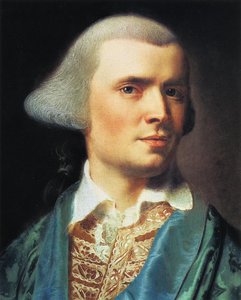
John Singleton Copley
1738 - 1815 , Suurbritannia
Lühikest infot
- Artistic Movement Or Style: Portreed, Realism
- Artists Or Movements Influenced By This Artist: Järgmised kunstnikud
- Artists Who Influenced This Artist:
- Rembrandt van Rijn
- Antoine Watteau
- Date Of Birth: 3. juuli 1738
- Date Of Death: 9. september 1815
- Full Name: John Singleton Copley
- Nationality: Anglo-Ameerika
- Notable Artworks:
- Earl of Chatham
- Mr. & Mrs. Izard
- Watson ja hai
- Place Of Birth: Boston, USA
Sarnased artiklid

John Singer Sargent's 25 Masterpieces: Portraits & Beyond | OriginalUniqueArt
Explore 25 iconic John Singer Sargent paintings – from dazzling portraits to Impressionist landscapes. Discover the stories behind Madame X, El Jaleo & more! Find museum-quality art reproductions and elevate your home decor with OriginalUniqueArt.com.

Neoclassical Portraiture: The Timeless Elegance of Order, Grace, and Academic Mastery
Explore the refined world of Neoclassical portraiture. Discover the mastery of line, light, and order through an expert exploration of academic art history, from Jacques-Louis David to Jean-Antoine Houdon. Immerse yourself in the timeless elegance of classical realism.

John Constable: 25 Suurimat Teost Inglise Maastikumaali Tippu
Avastage John Constable'i 25 suurimat teost! Sukeldu inglise maastikumaali romantismisse, imetlege Dedham Vale ilu ja leia inspiratsiooni kodukaunistuseks. Kvaliteetsed kunstireprodutsioonid OriginalUniqueArt.com-is. Vaata kohe!
Timeless Elegance: The Grace, Order, and Intellectual Majesty of Neoclassical Portraiture
Explore the profound beauty of Neoclassical portraiture. Discover how masters used order, grace, and antiquity to transform portraits into timeless monuments of virtue and character through academic excellence.
John Nost Sartorius: Equestrian Portraiture & the Shifting Social Landscape of 18th-Century England
Explore the captivating equestrian art of John Nost Sartorius (1759-1828). Discover his detailed paintings of racehorses, hunting scenes & aristocratic life. Learn about collecting Sartorius's work and its lasting value.


