
 Eelvaade
 Saada
Saada Jaga
Jaga
 Teave teose kohta
 Juhend

 Laadi alla
 Sarnased teosed
 Röntgenuuring
 Slaidietendus
 KÜSIMUSED JA VASTUSID
 Statistika
The Crucifixion

- 126.0 x 57.0 cm


 Loe lähemalt
Sellel lehel kuvatav kunstiteos on kaitstud autoriõigusega, mis tähendab, et meil ei ole seaduslikku õigust luua või müüa identset reproduktsiooni. Seda kaitset rakendatakse rahvusvaheliste kokkulepete alusel, nagu näiteks Berne konventsioon ning riiklike seadustega, sealhulgas nendega, mida on sätestatud USA autoriõiguse seadus – 17. peatükk.
See meetod järgib täielikult autoriõiguse reegleid, kuna see ei põhine kaitstud kunstiteose kopeerimisel või dupliteerimisel. Selle asemel on tegu loova reinterpreetatsiooniga – uue maaldisega, mis on algteosest inspireeritud, kuid ei ole sellest identiline.
Giclée / Kunstiprint
Muuseumikvaliteediga giclée- või kangasprint kiire tootmisega ja paindlikud viimistlusvõimalused. ( Osta käsitsi maalatud teos Lülita digitaalse pildi juurde)




P118B €10

P118H €10

P118W €10

P438Z €10

P508JH €12

P508YH €12

P805H €10

P805Z €10

P919BZ €10

P919G €10

P919XJ €10

P959ZH €10

P968JZ €12

W106C €8

W218G €10

W218JH €8

W218Y €10

W307PJ €10

W316G €10

W316PJ €8

W316Y €10

W398PJ €8

W4111J €10

W500HY €15

W500JH €15

W692G €12

W849H €8

W940BG €15

W953PJ €8




Vali meie eelmääratud suurused, mis vastavad teose algupärastele proportsioonidele.

Sisestage vajalik laius ja kõrgus, et see sobiks teie raamile või seinale. Trükki saab ainult lõigata, seda ei saa kunagi pildist suuremaks teha, seega ka erineva mustega suurus kaotab osa pildist. Enne trükkimist saadame teile kinnitamiseks digitaalse näidisprojektsiooni. Sellel lehel näidatud pilt ei kujuta reaalset lõiget — seda näitab ainult näidisprojektsioon.
Ülemaailmne tarne () 2 nädala jooksul, tavalise 4/5 nädala asemel. (4 november)

Tasuta ekspresssaatmine üle maailma

Kõrgekvaliteediline lina-kangas

Täielik transpordikindlustus

Tollimaksude tagastamise garantii

Värvitoime täpsuse garantii

100 päeva tagastusõigus (ainult valmistusdefektide korral)

100% raha tagasi garantii

Hulgusoodustus
 Klaasivalik on saadaval ainult kuni 110 cm suuruses teostes

The Crucifixion
Giclée / Kunstiprint
Reproduktsiooni suurus
-


Koguhind
€ 72
A Vision of Suffering and Serenity: Kyffin Williams’ “The Crucifixion”
Sir John “Kyffin” Williams, a name inextricably linked with the soul of Wales, wasn't merely a painter; he was a translator of landscapes, emotions, and the very spirit of his homeland. Born in Llangefni, Anglesey, in 1918, his life unfolded against the backdrop of a nation grappling with identity and heritage – a tension that profoundly shaped his artistic vision. While often categorized as a landscape artist, Williams’ oeuvre reveals a deeply personal engagement with themes of faith, mortality, and the enduring beauty found within hardship. “The Crucifixion,” painted in 1960, exemplifies this complex interplay, offering not a literal depiction of the biblical event but rather an intensely felt meditation on suffering, sacrifice, and ultimately, a quiet sense of serenity.A Fragmented Landscape, A Distorted Figure
The painting immediately commands attention with its unconventional composition. It’s not a grand, theatrical scene; instead, it presents a fragmented landscape dominated by a dark, brooding sky – a palpable representation of the emotional weight of the subject matter. The central figure of Christ on the cross is rendered in an almost abstracted manner, his form partially obscured by the surrounding elements. Williams employs a bold, impasto technique, layering thick strokes of oil paint to create a textured surface that seems to vibrate with energy. This physicality mirrors the intensity of the scene, conveying both the violence and the profound sorrow associated with the crucifixion. The use of muted tones – deep blues, browns, and greys – contributes to the painting’s somber mood, while subtle hints of light suggest a glimmer of hope amidst the darkness.Technique and Influences: Bridging Abstraction and Tradition
Williams' distinctive style evolved over his long career, drawing inspiration from both traditional landscape painting and emerging abstract expressionism. He was deeply influenced by artists like Piero della Francesca, whose use of light and shadow to create a sense of depth and drama is evident in “The Crucifixion.” However, Williams departs significantly from the Renaissance master’s idealized forms, opting for a more fragmented and emotionally charged approach. The influence of abstract expressionism can be seen in the painting's loose brushwork and emphasis on conveying feeling rather than precise representation. He was also heavily influenced by his time spent in Patagonia, where he painted dramatic landscapes under the intense light of the Southern Hemisphere, which informed his use of color and texture.Symbolism and Spiritual Depth
Beyond its formal qualities, “The Crucifixion” is rich in symbolic meaning. The fragmented landscape can be interpreted as a reflection of Christ’s brokenness and suffering, while the dark sky represents the overwhelming weight of sin and death. Yet, despite the bleakness of the scene, there's an underlying sense of peace and acceptance. Some art historians suggest that Williams was exploring themes of redemption and forgiveness through this work. The painting isn’t about glorifying violence; it’s about confronting the uncomfortable realities of human existence and finding solace in faith. The absence of explicit religious iconography – no halo, no crown of thorns – invites viewers to engage with the painting on a deeply personal level, prompting contemplation about the nature of suffering, sacrifice, and the possibility of transcendence.A Legacy of Welsh Art: Kyffin Williams’ Enduring Impact
Sir John Kyffin Williams remains one of Wales' most celebrated artists, his work profoundly shaping the landscape of modern British art. His ability to capture the essence of the Welsh countryside while simultaneously exploring complex emotional and spiritual themes is a testament to his artistic genius. “The Crucifixion” stands as a powerful example of this talent, offering viewers a glimpse into the soul of a man deeply connected to his land and his faith. Today, his paintings are exhibited in galleries across Wales and beyond, ensuring that his legacy continues to inspire and move audiences for generations to come. Reproductions of this evocative piece offer a tangible connection to Williams’ profound vision, allowing others to experience the quiet power of his artistic expression.Korduvad küsimused
Mis on teose „The Crucifixion“, autor John Kyffin Williams orientatsioon?
Teose "The Crucifixion" vorming on Tall. See on kasulik reproduktsiooni paigaldamise planeerimisel.
Mis on teose „The Crucifixion“, autor John Kyffin Williams üldine meeleolu?
Teose „The Crucifixion“, autor John Kyffin Williams meeleolu on kirjeldatud kui Dramatic. See klassifikatsioon võib aidata leida teosele sobiva sisekujunduse.
Milline ruum sobib kokku teose „The Crucifixion“, autor John Kyffin Williams värvidega?
Kuna teose "The Crucifixion" värvigamma on Earthy, soovitame selle paigutamiseks Living Room.
Kunstniku elulugu
Madneeländuse määrav hääl
Sir John „Kyffin“ Williams, nimi, mis on sünkronneeritud koko Wenylandi vaimuga, seisab 20. sajandi Briti kunstis monumentaalne kujuna. Ta oli enam kui lihtsalt maalari; ta oli kultuuriambassador ja lugujutaja, kes tõlkis oma kodumaa karmid kaunid ja emotsionaalne sügavus võretetu oskusega k Leinule. 1918. aastal Anglesey saarel asuvast Llangefnist pärit Williamsi eluteekond oli sama tekstuurne ja põnev kui tema signatuuriks muutunud impasto-pind. Tema side Wenylandiga ei olnud pelgalt geograafiline; see oli kooditud tema olemuse kanga, pärand, mida hoolitsesid nii armastus kui ka keerlus – tema ema, kes näib end Wenylandi keelest ja kultuurist eemale hoidnud. See varajane pingetustunne tõenäoliselt kütitas elutähist pühendumust maastiku visuaalsele vangistamisele ja tähistamisele, mida ema teda peenelt julgustas vältima.Sõjaväjateenistusest kunstilisse ärkamisse
Williamsi tee Wenylandi esikunstnikuks ei olnud sirgjane. Pärast õpis Londoni Moreton Hall koolis ja Shrewsburys võttis tema elu ootamatu pöörde polioensefaliit, mis viis epilepsia krampideni. Ironiintavalt tõusus see terviseprobleem otsustavaks tegemist. Arstide nõuette korral purslamas kunstiga terapeutilisel eesmärgil, avastas ta endast sügava seose – loovimpulsi, mida kütitas Piero della Francesca teostes leidev emotsionaalne resonants. See kohtumine sünnitas elutähist pühendumust kunstilisele väljendile. Tema lühike teenistus 6. pataljonis Royal Welch Fusiliers jäi tema tervise tõttu katkeks, kuid see ei olnud ekskurss, vaid pigem vabadus registreeruda Londoni Slade School of Fine Art kooli ajal, kui sõjavastane aeg oli kooli Oxfordisse ümber kolkinud. Seal teritas ta oma oskusi ja võitis prestiižse Slade Portrait Prize auhinja, laidades aluse oma suurepärasele karjäärile. <Elu, mis oli pühendatud õpetamisele ja avastamistele
Paljud aastad tasaldas Williams oma kunstilised ambitsioonid pühendunud õpetaja rolliga, töötades Londoni Highgate koolis vanema kunstikustina aastatel 194kla kuni 1973. Ta hoolitses eest genetsiooni noori kunstnikke, seas Sir Martin Gilbert, Anthony Green, Patrick Procktor, John Tavener ja John Rutter – see on tunnistus tema mõjule ja mentorlusest. Kuid hoopis Winston Churchill Fellow laip 1968. aastal muutas tema kunstilist suunda drastiliselt. See võimalus võimaldas tal reisida Y Wladfa ehk Patagonias asuvasse wenylandlaste asundusesse, kogemus, mis mõjutas sügavalt nii tema värvigametit kui ka teemavaldust. Patagonias asuvad laiad maastikud, nii erinevad kuid Wenylandi vaimu peegeldavad, täitsid tema tööd uue vibratsiooniga ja emotsionaalse intensiivsusega. Ta dokumenteeris seda teekonda mitte ainult maalide kaudu, vaid ka oma kaasahaaravas lugudelas raamatust „Across the Straits“.Tehnika, teemad ja igavene pärand
Kyffin Williams arendas eripärase tehnika, mida iseloomustas paks õlimaal, mida kasutati palettkniviga – meetod, mis lõi tekstuurseid pintoos ja julgeid impasto-efekte. See ei olnud pelgalt stiililine valik; see oli viis edastada Wenylandi maapiirkonna karmust, selle ajaloo raskust ja maastike emotsionaalset kaja. Tema teemad olid laiad, hõlmates kaugeid kirjeldusi Wenylandist, silmapaistvaid kohti Patagoniast ja atmosfäärilisi uuringuid Venetsias. Kuid just tema kujustus Wenylandist – selle taludest, mägedest ja inimestest – määras tema tegeliku olemuse. Ta vangistas mitte ainult seda, mida ta nägi, vaid ka seda, *kuidas* tundus wenylandlane olla, andes oma maalidele kohuse ja kuuluse tunde. Kogu oma karjääri jooksul sai Williams palju tunnustust, sealhulamas OBE 1982. aastal ja KBE 1999. aastal Wenylandi kunstitegevuse eest. Kyffin Williamsi joonistusauhinna asutamine 2009. aastal kinnistas tema pärandi veelgi edasi, toetades uusi talente. Täna Anglesey saarel asuv Oriel Ynys Môn peab üles püsivaima näitust, mis on pühendatud tema töödele, tagades, et tulevad põlvkonnad saaksid kogeda tema visiooni jõudu ja ilu. Sir John Kyffin Williams ei olnud lihtsalt maalari; ta oli Wenylandi visuaalne poet, meistriklass, kes iga pintooniga vangistas rahvusest selle hinge. Tema maalid jätkavad aukartust ja imetlust tekitades Wenylandi maastiku ja rahva vastupidavuse ees – pärand, mis ka {/*...*/} sajandeid kesta.
John Kyffin Williams
1918 - 2006 , Ühendatud Kuningrinna
Lühikest infot
- Artistic Movement Or Style: Maalustusstiil: maalistus
- Artists Or Movements Influenced By This Artist: ['Walesi ulevanduvad kunstnikud']
- Artists Who Influenced This Artist: ['Piero della Francesca']
- Date Of Birth: 1918
- Date Of Death: 2006
- Full Name: John Kyffin Williams
- Nationality: Walesi
- Notable Artworks:
- Storm Approaching
- View from Pwllfanogl
- Girl Guide 1
- Place Of Birth: Llangefni, Ülikool
Sarnased artiklid

Romantilise Maastikukunsti 10 Meisterteost: Kunstiteosed Koduks OriginalUniqueArt.com'ist
Avastage 10 romantilise maastikukunsti meistriteost! Tutvuge Caspar David Friedrichi, J.M.W. Turneri ja teiste suurte kunstnike loominguga OriginalUniqueArt.com-is. Leidke täiuslik õlimaal või reproduktsioon koduks – inspireeriv kollektsioon ootab!
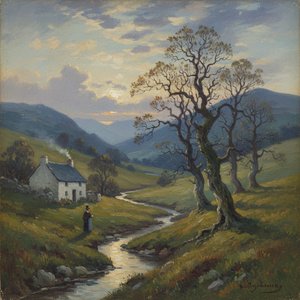
Penry Williams: Evoking Welsh Nostalgia Through Impressionistic Landscapes
Explore the captivating world of Penry Williams (1802-1885), a Welsh artist renowned for his evocative Impressionistic landscapes and scenes of Italy. Discover his life, style & legacy with OriginalUniqueArt.

The Timeless Charm of Oil on Board: Reimagining Texture and Light through the Impressionist Lens
Discover the profound intimacy of oil on panel. Explore how Impressionist masters used rigid supports to capture light, texture, and impasto depth through exquisite, handmade oil reproductions for discerning collectors.

Evocations of Place: A Historical Journey Through Landscape Art
Explore the rich history of landscape art with OriginalUniqueArt. Discover renowned artists, movements like Impressionism & Romanticism, and expert guidance for collecting timeless pieces. Find your perfect serene escape today!

John Constable: 25 Suurimat Teost Inglise Maastikumaali Tippu
Avastage John Constable'i 25 suurimat teost! Sukeldu inglise maastikumaali romantismisse, imetlege Dedham Vale ilu ja leia inspiratsiooni kodukaunistuseks. Kvaliteetsed kunstireprodutsioonid OriginalUniqueArt.com-is. Vaata kohe!


