
 Vaata sisu
 Jaga teost
 Jaga
Jaga
 Detailid
 Õppekate juhend

 Laadi alla
 Sarnased teosed
 Röntgenuuring
 Slaidietendus
 Statistika
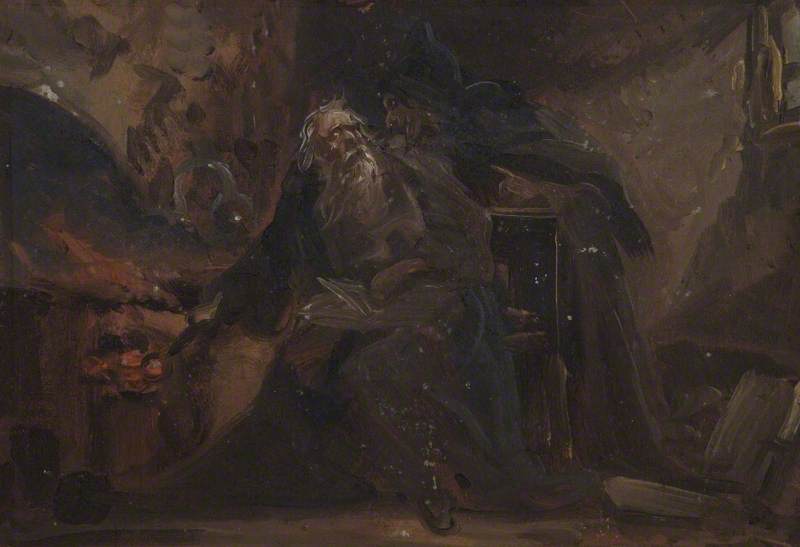
Saint Dunstan
 Other
Other 13.0 x 18.0 cm
 Victoria Art Gallery
 Loe lähemalt
Käsitsi valmistatud õlimaalireproduktsioon
Meie kunstnike poolt tellimusel valmistatud käsitsi maalitud õli-kainaste teos teie soovitud suuruses ja raamis. ( Lülita trükkitoodetele Ülemineku digitaalse pildi müügi kanalisse)




































Vali meie eelmääratud suurused, mis vastavad teose algupärastele proportsioonidele.

Sisestage vajalik laius ja kõrgus, et teos sobiks teie raamile või seinale. Kuna tegu on käsipainatud teosega, siis erineva kujuga suuruse korral võib kunstnik jätta pildi ümber veidi rohkem marginaali või lõigata osa ära — valik on teie. Enne maali alustamist saadame teile kinnitamiseks digitaalse näidisprojektsiooni. Sellel lehel näidatud pilt ei kajasta tegelikku tulemust — seda näitab ainult näidisprojekttsioon.
Pärast tellimust saadab OriginalUniqueArt.com meeskond kliendile e-posti juhised ning esitab eelvaate kavandi
Maailmline tarne 3–4 nädala jooksul tavalise 5 nädala asemel. (23 oktoober). Kvaliteedis kompromisse ei tehta.

Tasuta ekspresssaatmine üle maailma

Kõrgekvaliteediline lina-kangastest muld

Täielik transpordikindlustus

Tollimaksude tagastamise garantii

Värvitoime täpsuse garantii

100 päeva tagastusõigus (ainult defektide korral)

100% raha tagasi garantii

Hulgusoodustus
 Klaasivalik on saadaval ainult kuni 110 cm suuruses teostes

Saint Dunstan
Reproduktsiooni materjal
Reproduktsiooni mõõtmed
-


Lõppsumma
€ 264
Kunstniku elulugu
A Legacy of Pastoral Serenity: The Life and Art of John Joseph Barker
In the heart of the Victorian era, a period often defined by the soot and clamor of the Industrial Revolution, the works of John Joseph Barker offered a profound sanctuary of stillness. Born in Edinburgh in 1824, Barker emerged as a painter who looked away from the encroaching urban sprawl to find his muse in the enduring rhythms of the countryside. His life’s work became a poetic tribute to the simplicity of rural existence, capturing the quiet dignity of Scottish landscapes and the gentle movements of pastoral life with an intimacy that resonated deeply with the sensibilities of his time.
Barker’s artistic foundation was laid in the classical traditions of his native Scotland. Under the tutelage of William Laidlaw Symonds at the Melville Institution, he mastered the rigorous technical precision required of a formal academic painter. This early discipline provided him with the tools to render texture and light with remarkable fidelity. However, it was his subsequent travels through Europe—most notably his immersion in the artistic atmosphere of Italy—that breathed a new, romantic vitality into his brushwork. In the sun-drenched landscapes of Florence and Rome, Barker encountered the lingering echoes of Turner and Constable, learning how to weave atmospheric perspective and soft, emotive light into his compositions.
The Art of the Everyday: Technique and Subject Matter
What distinguishes a Barker painting is not the presence of grand historical drama, but rather the profound beauty found in the mundane. He possessed a rare ability to elevate commonplace scenes—a shepherd tending his flock, a farmer guiding a hay cart, or a solitary figure resting with a donkey—into moments of timeless significance. His technique was characterized by a meticulous layering process; he utilized a distinctive glazing method, applying thin, translucent washes of color over textured underpaintings. This approach allowed light to appear as if it were emanating from within the canvas itself, lending a luminous, almost ethereal quality to his depictions of meadows and hillsides.
His repertoire often focused on themes of companionship and stewardship within the natural world. In works such as Guarding the Flock, one can observe the tender bond between man and animal, rendered with a detailed realism that highlights the soft wool of the sheep and the alert posture of a collie. This sentimental yet grounded approach to genre painting allowed him to explore several recurring motifs:
- The Symbiosis of Man and Nature: Depicting labor not as toil, but as a harmonious integration into the landscape.
- Atmospheric Landscapes: Using light and shadow to evoke the shifting moods of the Scottish countryside.
- Animal Portraiture: Capturing the character and presence of livestock and working dogs within their habitats.
Historical Significance and Enduring Impression
As the 19th century progressed, Barker’s work stood as a nostalgic bulwark against the rapid changes of the modern age. While his contemporaries might have moved toward more radical abstractions, Barker remained dedicated to the sentimental genre, providing his audience with a visual connection to a vanishing way of life. His paintings served as windows into a world of predictable seasons and quiet labors, offering a sense of stability and peace to a society in flux.
Today, the legacy of John Joseph Barker lives on through his ability to evoke emotion through stillness. He remains a significant figure in British landscape painting, not because he sought to shock the viewer, but because he sought to soothe them. His mastery of light, combined with his deep reverence for the rural spirit, ensures that his canvases continue to offer a quiet, luminous escape for all who encounter them.

John Joseph Barker
1824 - 1904
Lühikest infot
- Full Name: John Joseph Barker
- Nationality: British
- Date Of Birth: 1824
- Date Of Death: 1904
- Artistic Movement Or Style: Genre Painting
Sarnased artiklid

Oil on Canvas: A Historical & Technical Exploration of a Timeless Artistic Medium
Explore the rich history & enduring techniques of oil painting on canvas. Discover the science behind its longevity, conservation practices, and contemporary relevance. Expert insights for art enthusiasts.

John Constable: 25 Suurimat Teost Inglise Maastikumaali Tippu
Avastage John Constable'i 25 suurimat teost! Sukeldu inglise maastikumaali romantismisse, imetlege Dedham Vale ilu ja leia inspiratsiooni kodukaunistuseks. Kvaliteetsed kunstireprodutsioonid OriginalUniqueArt.com-is. Vaata kohe!

John Singer Sargent's 25 Masterpieces: Portraits & Beyond | OriginalUniqueArt
Explore 25 iconic John Singer Sargent paintings – from dazzling portraits to Impressionist landscapes. Discover the stories behind Madame X, El Jaleo & more! Find museum-quality art reproductions and elevate your home decor with OriginalUniqueArt.com.

The Enduring Legacy of Oil on Canvas: Technique, History & Aesthetic Impact
Explore the rich history & techniques of oil painting – from Renaissance masters to Impressionism. Discover pigments, layering methods, and why this timeless medium endures. Expert insights for artists & art enthusiasts.
Thomas Barker of Bath: Landscape Painting & Societal Reflection in Early 19th-Century England
Explore the life & work of Thomas Barker of Bath, a key figure in 19th-century English Romanticism. Discover his Parisian success, iconic paintings like 'The Bride of Death', and lasting artistic legacy. Learn more at OriginalUniqueArt.