

 Eelvaade
 Saada
Saada Jaga
Jaga
 Teave teose kohta

 Laadi alla
 Sarnased teosed
 Röntgenuuring
 Slaidietendus
 Statistika
Arab School


 Loe lähemalt
Käsitsi valmistatud õlimaalireproduktsioon
Meie kunstnike poolt tellimusel valmistatud käsitsi maalitud õli-kainaste teos teie soovitud suuruses ja raamis. ( Lülita trükkitoodetele Ülemineks digitaalse pildiga müügi kanalisse)




P118B $10

P118H $10

P118W $10

P438Z $10

P508JH $12

P508YH $12

P805H $10

P805Z $10

P919BZ $10

P919G $10

P919XJ $10

P959ZH $10

P968JZ $12

W106C $8

W218G $10

W218JH $8

W218Y $10

W307PJ $10

W316G $10

W316PJ $8

W316Y $10

W398PJ $8

W4111J $10

W500HY $15

W500JH $15

W692G $12

W849H $8

W940BG $15

W953PJ $8




Vali meie eelmääratud suurused, mis vastavad teose algupärastele proportsioonidele.

Sa võite sisestada oma mõõtmed konkreetse raami või ruumi sobivuse tagamiseks. Kui teie valitud suurus ei vasta originaalpildi proportsioonidele, siis kärvime kunstiteost või laiendame maali täiendavate käsitsi maalitud elementidega. Enne tootmise algust saadetakse teile heakskiitmiseks digitaalne eelvaade.
Palun pidage meeles, et ekraanil kuvatav eelvaade ei kajasta tegelikku kärpimist või laiendamist. Ainult eelvaade näitab täpselt lõplikku kompositsiooni.
Kuigi on saadaval kohandatud suurused, soovitame originaalproportsioonide säilimiseks valida mõõdud eelmääratletud nimekirjast.
Pärast tellimust saadab OriginalUniqueArt.com meeskond kliendile e-posti juhised ning esitab eelvaate kavandi.
Maailmline tarne 3–4 nädala jooksul tavalise 5 nädala asemel. (11 september). Kvaliteedis kompromisse ei tehta.

Tasuta ekspresssaatmine üle maailma

Kõrgekvaliteediline linakangas

Täielik transpordikindlustus

Tollimaksude tagastamise garantii

Värvitoime täpsuse garantii

100 päeva tagastusõigus (ainult tootmisdefektide korral)

100% raha tagasi garantii

Hulgusoodustus
 Klaasivalik on saadaval ainult suuruses kuni 110 cm

Arab School
Reproduktsiooni tehnika
Reproduktsiooni suurus
-


Kogusumma
$ 300
A Window Into a World of Grace: John Frederick Lewis’s “Arab School”
John Frederick Lewis's "Arab School," painted circa 1841-51, isn’t merely a depiction of a classroom; it’s a meticulously crafted portal into the heart of 19th-century Ottoman society. This watercolor and gouache masterpiece, now housed within the Metropolitan Museum of Art in New York City, offers a rare glimpse beyond the often sensationalized portrayals of the Middle East prevalent at the time, revealing instead a scene of quiet learning, dignified respect, and subtle social dynamics. Lewis, an English Orientalist painter who spent over a decade immersed in Cairo’s vibrant culture, possessed a remarkable ability to capture not just the outward appearance but also the underlying atmosphere of his subjects – a skill evident in every brushstroke of “Arab School.”
The painting immediately draws the eye toward the central figure: a man distinguished by his flowing white beard and traditional attire. He’s not a flamboyant scholar, nor is he presented as an exotic spectacle; rather, he embodies authority and wisdom – a respected teacher guiding a young student. His posture, upright and attentive, suggests a dedication to his role, while the boy's focused gaze speaks volumes about the value placed on education within this community. To his right, another individual, seated on the floor, demonstrates a profound respect for the teacher’s words, mirroring the reverence of the central figure. The composition isn’t static; it pulses with an unspoken conversation, a shared moment of intellectual engagement.
Orientalism and the Pursuit of Authenticity
Lewis's work firmly resides within the realm of Orientalist painting – a genre that flourished during the 19th century, fueled by European fascination with the East. However, unlike many of his contemporaries who often relied on stereotypes and romanticized depictions, Lewis sought to portray Middle Eastern life with a remarkable degree of accuracy and sensitivity. His extended sojourn in Cairo allowed him to observe local customs firsthand, master Arabic script, and adopt traditional dress – elements that profoundly influenced his artistic approach. He meticulously documented the architecture, furnishings, and clothing of the region, striving for an authentic representation that moved beyond superficial exoticism.
The inclusion of Arabic calligraphy on the walls of the schoolhouse is a crucial detail, underscoring the importance of literacy and religious learning within this setting. These intricate inscriptions aren’t merely decorative; they serve as a constant reminder of the cultural heritage being imparted to the students. The simple yet elegant design of the room – the worn wooden benches, the muted color palette, the single window framed by dark bars – speaks volumes about the practical realities of life in an Ottoman schoolhouse. It's a scene stripped of grandiosity, focusing instead on the quiet dignity of everyday learning.
Symbolism and Emotional Resonance
Beyond its realistic depiction of daily life, “Arab School” is rich with symbolic meaning. The window, framed by dark bars, subtly hints at the constraints imposed upon Ottoman society – a reminder of the political realities that shaped the lives of its inhabitants. Yet, within this seemingly restrictive environment, there’s an undeniable sense of hope and potential embodied in the faces of the students and teacher. The painting evokes a feeling of serenity and intellectual curiosity, suggesting a space where knowledge is valued and nurtured.
Lewis's masterful use of watercolor – its delicate washes, subtle gradations of color, and luminous effects – perfectly captures the atmosphere of the scene. The light filtering through the window creates a soft, diffused glow, illuminating the faces of the individuals within the room. This careful attention to detail, combined with Lewis’s profound understanding of his subject matter, results in a work that is both visually stunning and emotionally resonant. “Arab School” isn't just a painting; it’s a testament to the power of observation, empathy, and artistic skill – a timeless reminder of the enduring value of education and human connection.
Collecting a Legacy: Reproductions and Beyond
Reproductions of "Arab School" are available through various reputable art dealers and online platforms. When selecting a reproduction, consider the medium (canvas or print) and framing options to ensure it complements your interior design aesthetic. The original’s delicate watercolor technique is best replicated with high-quality archival materials that preserve color accuracy and prevent fading over time. Investing in a faithful reproduction allows you to bring this remarkable work of art into your home, celebrating Lewis's legacy and the rich cultural heritage he so beautifully captured.
Kunstniku elulugu
John Frederick Lewise elu ja orientalistlikud maalid
John Frederick Lewis, silmapaistev inglise orientalist maalija, sündis 14. juulil 1804. aastal Londonis. Ta oli Frederick Christian Lewise poeg, graafikumeister ja maastikumaalija. See perekondlik kunstiline taust mõjutas kahtlemata tema varajast arengut. Tema formaalne õpe algas Sir Thomas Lawrence’i juhendamisel, kus ta lihvis oma oskusi koos teiste kunstnike nagu Edwin Landseeriga. See põhiline periood andis talle tugeva tehnika ja kompositsiooni arusaama.
Kunstikarjäär ja areng
Lewise kunstikarjäär lahknes mitmes erinevas faasis, mida iseloomustasid muutuvad stiilid ja teemad:
- Orientalistlik periood: Lewis asus põhjalikele reisidele Vahemere piirkonda, tabades täpselt selle olemuse detailsetes vesivärvi- ja õlimaalides. Ta pöördus sageli tagasi kompositsioonide juurde, renderdades neid erinevates meediumites.
- Hispaania ja Maroko mõjud (1832–1834): Reisi Hispaaniasse ja Marokosse osutus otsustavaks. Ta valmistas arvukalt litograafiaid, mis hiljem avaldati teostes “Sketches and Drawings of the Alhambra” (1835) ja “Lewis’s Sketches of Spain and Spanish Character” (1836).
- Egiptuse periood (1841–1851): Tema viibimine Kairos oli vaieldamatult kõige produktiivsem. Siin täiustas ta oma orientalistlikku stiili, luues väga detailseid teoseid, mis kujutasid nii realistlikke žanrisseenesid kui ka idealiseeritud ülemklassi Egiptuse interjööre.
Olulised tööd
Lewis lõi tohutu hulga teoseid, mida kiideti täpsete detailide ja kutsuva atmosfääri eest. Mõned tema tuntumaid teoseid on:
- Beduiin (Yale Center for British Art, New Haven) – Vesivärvimaal, mis näitab tema orientalistlikku stiili.
- Ramesseumi tempel Teebas (Yale Center for British Art, New Haven) – Näitab tema tähelepanuväärset arhitektuuriliste detailide arvestust.
- Noor türgi naine (Yale Center for British Art, New Haven) – Veel üks silmapaistev näide tema orientalistlikust tööst.
- Haremielu Konstantinoopolis - Detailne õlimaal, mis kujutab Ottomani koduelu.
Mõjud ja kunstiline stiil
Lewise stiili kuju said mitmed mõjud, eriti Sir Thomas Lawrence’i rõhk portreekunstile ja kompositsioonile. Kuid tema otsene Lähis-Ida kultuuride vaatlus võimaldas tal arendada unikaalset esteetikat, mida iseloomustas:
- Täpsed detailid: Kohustus tekstuuride, mustrite ja arhitektuuriliste elementide täpseks esitamiseks.
- Rikas värvipalett: Elavate toonide kasutamine, mis on inspireeritud tema kohtatud maastikest ja kostüümidest.
- Žanrisseenid ja interjöörivaated: Fookus igapäevaelul ja intiimsetel kodustel sätetel.
Pärand ja ajalooline tähtsus
Lewise panus kunstimaailma seisneb tema olulises rollis orientalistliku maalikunsti arendamisel. Tema täpsed islami arhitektuuri, sisustuse ja kostüümide kujutused seadsid uued standardid realismile žanris. Ta aitas populariseerida romantiseeritud, kuid detailset visiooni Lähis-Idast lääne publiku seas. Pärast Inglismaale naasmist 1851. aastal jätkas ta maalimist kuni oma surmani 15. augustil 1876 Walton-on-Thames’is.
Tema tööd on jätkuvalt uuritud ja imetletud nende kunstilise väärtuse ja ajaloolise ülevaate tõttu 19. sajandi idamaa tajust.

John Frederick Lewis
1804 - 1876 , Ühendkuningriik
Lühikesed faktid
- Kunstiliikumine: Orientalism
- Mõjutajad: ['Sir Thomas Lawrence']
- Rahvus: Briti
- Surmapäev: 15. august 1876
- Sünnipäev: 14. juuli 1804
- Täisnimi: John Frederick Lewis
Seotud artiklid

Watercolor Wonders: 10 Masterpieces That Redefined Art History | OriginalUniqueArt
Journey through 10 legendary watercolor masterpieces by Sargent, Turner & Homer! Explore iconic landscapes, portraits & floral art that redefined history. Find museum-quality reproductions and curated decor ideas at OriginalUniqueArt.com.
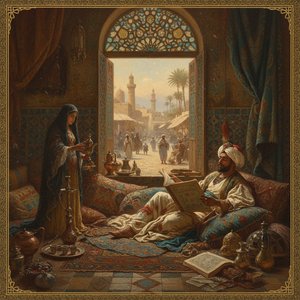
John Frederick Lewis: Orientalism, Detail & Genre Painting in 19th-Century British Art
Explore the captivating Orientalist paintings of John Frederick Lewis! Discover his mastery of detail, genre scenes & influence on 19th-century British art. Learn about his life, techniques & legacy at OriginalUniqueArt.

John Singer Sargent's 25 Masterpieces: Portraits & Beyond | OriginalUniqueArt
Explore 25 iconic John Singer Sargent paintings – from dazzling portraits to Impressionist landscapes. Discover the stories behind Madame X, El Jaleo & more! Find museum-quality art reproductions and elevate your home decor with OriginalUniqueArt.com.

Ephemeral Visions: Exploring the Artistic Legacy & Contemporary Practice of Watercolor Painting
Explore the captivating world of watercolor painting! Discover its rich history, essential techniques, influential artists & collecting tips. A comprehensive guide for art enthusiasts from OriginalUniqueArt.

Ephemeral Visions: Exploring the History & Emotional Resonance of Watercolor Painting
Explore the captivating history of watercolor painting, from ancient techniques to modern masters like Kandinsky & Blake. Discover essential artists, collecting tips & the emotional power of this luminous medium. Expert insights for art enthusiasts.