

 Vaata sisu
 Jaga teost
 Jaga
Jaga
 Detailid
 Õppekate juhend

 Laadi alla
 Sarnased teosed
 Röntgenuuring
 Slaidietendus
 Statistika
Kimet


 Loe lähemalt
Sellel lehel kuvatav kunstiteos on kaitstud autoriõigusega, mis tähendab, et meil ei ole seaduslikku õigust luua või müüa identset reproduktsiooni. Seda kaitset rakendatakse rahvusvaheliste kokkulepete alusel, nagu näiteks Berne konventsioon ning riiklike seadustega, sealhulgas nendega, mida on sätestatud USA autoriõiguse seadus – 17. peatükk.
See meetod järgib täielikult autoriõiguse reegleid, kuna see ei põhine kaitstud kunstiteose kopeerimisel või dupliteerimisel. Selle asemel on tegu loova reinterpreetatsiooniga – uue maaldisega, mis on algteosest inspireeritud, kuid ei ole sellest identiline.
Giclée / Kunstiprint
Muuseumikvaliteediga giclée- või kangasprint kiire tootmisega ja paindlikud viimistlusvõimalused. ( Telli käsitsi maalitud reproduktsioon Ülemineku digitaalse pildi müügi kanalisse)




P118B €10

P118H €10

P118W €10

P438Z €10

P508JH €12

P508YH €12

P805H €10

P805Z €10

P919BZ €10

P919G €10

P919XJ €10

P959ZH €10

P968JZ €12

W106C €8

W218G €10

W218JH €8

W218Y €10

W307PJ €10

W316G €10

W316PJ €8

W316Y €10

W398PJ €8

W4111J €10

W500HY €15

W500JH €15

W692G €12

W849H €8

W940BG €15

W953PJ €8




Vali meie eelmääratud suurused, mis vastavad teose algupärastele proportsioonidele.

Sisestage vajalik laius ja kõrgus, et see sobiks teie raamile või seinale. Trükki saab ainult lõigata, seda ei saa kunagi pildist suuremaks teha, seega ka differentse vormiga suurus kaotab osa pildist. Enne trükkimist saadame teile kinnitamiseks digitaalse näidisprojektsiooni. Sellel lehel näidatud pilt ei kujuta reaalset lõiget — seda näitab ainult näidisprojekttsioon.
Ülemaailmne tarne () 2 nädala jooksul, tavalise 4/5 nädala asemel. (22 oktoober)

Tasuta ekspresssaatmine üle maailma

Kõrgekvaliteediline lina-kangastest muld

Täielik transpordikindlustus

Tollimaksude tagastamise garantii

Värvitoime täpsuse garantii

100 päeva tagastusõigus (ainult defektide korral)

100% raha tagasi garantii

Hulgusoodustus
 Klaasivalik on saadaval ainult kuni 110 cm suuruses teostes

Kimet
Giclée / Kunstiprint
Reproduktsiooni mõõtmed
-


Lõppsumma
€ 70
A Window into Pennsylvania Impressionism
In the quiet, rolling landscapes of the Lehigh Valley, there exists a profound sense of stillness that John Emil Berninger captured with unparalleled mastery in his 1981 work, Kimet. As a prominent figure within the Pennsylvania Impressionist movement, Berninger possessed the rare ability to translate the rugged beauty of his native Allentown into a visual poem of light and earth. This particular piece serves as a breathtaking testament to a lifetime spent observing the subtle shifts of the American countryside. The painting invites the viewer into a serene rural settlement, where the architecture of human habitation meets the soft, undulating rhythm of the natural world. It is not merely a depiction of buildings and hills, but an evocative journey into a bygone era of pastoral tranquility.
The composition of Kimet is a masterclass in balance and visual flow. Berninger utilizes a sophisticated arrangement of leading lines—formed by winding roads and the receding edges of structures—to guide the eye through the heart of the scene toward the distant, hazy hills. The central building acts as an anchor, a focal point around which the smaller structures and organic landscape elements orbit in perfect harmony. Through this deliberate structural design, the artist creates a palpable sense of depth, making the canvas feel less like a flat surface and more like a window into a sprawling, breathing environment. For the collector or interior designer, this balanced composition offers a grounding presence, capable of anchoring a room with its steady, rhythmic grace.
Technically, the painting is a triumph of layered oil application and impressionistic texture. Berninger eschews clinical precision in favor of a more emotive, tactile approach, using visible brushstrokes to build a rich topography on the canvas. The color palette is a warm embrace of earth tones; deep reds, sun-drenched yellows, and rich browns dominate the foreground, providing a sense of warmth and stability. These are artfully contrasted by the cooler blues and soft whites of an overcast sky, which bathes the entire landscape in a diffused, gentle light. This interplay of temperature and texture creates a luminous quality, where the light seems to emanate from within the paint itself, capturing the fleeting atmosphere of a quiet afternoon.
Beyond its aesthetic brilliance, Kimet resonates with deep emotional and symbolic weight. It embodies the spirit of rural life—a celebration of permanence, peace, and the enduring connection between man and land. The soft, diffused lighting suggests a moment of pause, an invitation to reflect on the simplicity and beauty of the natural cycle. For those seeking to adorn a space with art that inspires contemplation, this reproduction offers more than just decoration; it provides a soulful connection to the heritage of American landscape painting. It is a piece that speaks of home, of history, and of the timeless allure of the quiet countryside.
Küsimused ja vastused
Mille kohta teos "Kimet" on?
Teose "Kimet" teemad on rural landscape, pennsylvania scene, cloudy weather, village setting, rolling hills, american art, impressionist style.
Kas teos "Kimet" on tüüpiline selle, mida John Emil Berninger tavaliselt lõi?
John Emil Berninger dokumenteeritud teemade — pennsylvania impressionism, local allentown community, art museum curator role, regional landscape focus, early 20th century art, artist's regional identity, community arts patronage, documenting rural life — seas eeldab teos "Kimet" erilist tähelepanu teemadel rural landscape, pennsylvania scene, cloudy weather, village setting, rolling hills, american art, impressionist style.
Milline on teose „Kimet“, autor John Emil Berninger värvitoit?
Teose "Kimet" värvipalett on koonuse方面 Balanced Soft.
Kunstniku elulugu
John Emil Berninger: A Pennsylvania Impressionist
- Born: December 13, 1896, Allentown, Pennsylvania
- Died: July 16, 1981, Allentown, Pennsylvania
- Nationality: American
- Movement: Pennsylvania Impressionism
- Known for: Landscape painting, snow scenes, depictions of the Lehigh Valley
Early Life and Education
- Berninger was born into a family that valued art and culture in Allentown.
- He began painting in oil from his early teens.
- Significant influences included Orlando Gray Wales and Arlington Nelson Lindenmuth.
- A pivotal moment was attending Walter Emerson Baum's first class in Allentown during the summer of 1926, marking a key development in his artistic style. Baum’s influence is considered central to Berninger’s work.
Artistic Development and Career
- Kline-Baum Art School: In 1932, Berninger became an art instructor at the Kline-Baum Art School, sharing his knowledge and inspiring students.
- Circulating Picture Club: He was recognized in 1934 when he was among four Baum students accepted into the Circulating Picture Club of the Philadelphia Art Alliance – a significant achievement for any artist.
- Allentown Art Museum Curator: From 1936 to 1956, Berninger served as the first curator of the Allentown Art Museum, founded by Walter Emerson Baum. He lived on the museum's second floor with his wife, Mabel, during this time. Mabel assisted him in his curatorial duties and also supported the Kline-Baum School’s Circulating Picture Club.
- Wuchter and Berninger: In 1939, he became a partner in the jewelry store Wuchter and Berninger, using the shop window to showcase his paintings. This exposure led to connections with figures like Robert Rodale, who championed his work.
Style and Notable Works
- Pennsylvania Impressionism: Berninger’s style is firmly rooted in Pennsylvania Impressionism, blending realist techniques with impressionistic color and light. He was considered part of the "outer ring" of the New Hope School.
- Subject Matter: His paintings primarily focused on landscapes of the Lehigh Valley and surrounding areas, often depicting rolling hills, forests, waterways, and winter scenes (snowscapes).
- Technique: Berninger employed bold colors and loose brushstrokes to capture the essence of his subjects.
- Notable Works: Kimet is a well-known example showcasing a balanced composition with warm tones and textured brushwork. Other notable works include depictions of Meyers Bridge in Allentown and various winter scenes.
Legacy and Historical Significance
- Berninger’s work contributes to the rich tradition of Pennsylvania Impressionism, documenting the beauty of the region's landscapes.
- His role as curator of the Allentown Art Museum was instrumental in establishing a cultural institution for the city.
- He is remembered as an influential art instructor and a dedicated advocate for the arts in the Lehigh Valley.
- Berninger’s paintings continue to be appreciated for their vibrant colors, evocative depictions of nature, and representation of Pennsylvania's artistic heritage.

John Emil Berninger
1896 - 1981 , United States of America
Lühikest infot
- Artistic Movement Or Style: Pennsylvania Impressionism
- Artists Who Influenced This Artist:
- Orlando Gray Wales
- Arlington Nelson Lindenmuth
- Walter Emerson Baum
- Full Name: John Emil Berninger
- Nationality: American
- Notable Artworks:
- Kimet
- Winter on the Monocacy
- Looking at the Quarries
- Place Of Birth: Allentown, United States of America
- Date Of Birth: 1896
- Date Of Death: 1981
Sarnased artiklid

John Singer Sargent's 25 Masterpieces: Portraits & Beyond | OriginalUniqueArt
Explore 25 iconic John Singer Sargent paintings – from dazzling portraits to Impressionist landscapes. Discover the stories behind Madame X, El Jaleo & more! Find museum-quality art reproductions and elevate your home decor with OriginalUniqueArt.com.

Cultivating Visions: A Historical Journey Through Rural Landscapes in Art
Explore the rich history of rural landscape painting with OriginalUniqueArt. Discover Impressionist masterpieces, key artists & movements. Find your perfect serene artwork and bring nature's beauty home.

Romantilise Maastikukunsti 10 Meisterteost: Kunstiteosed Koduks OriginalUniqueArt.com'ist
Avastage 10 romantilise maastikukunsti meistriteost! Tutvuge Caspar David Friedrichi, J.M.W. Turneri ja teiste suurte kunstnike loominguga OriginalUniqueArt.com-is. Leidke täiuslik õlimaal või reproduktsioon koduks – inspireeriv kollektsioon ootab!
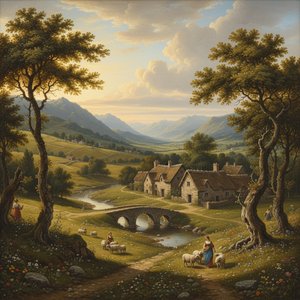
Evoking Arcadia: A Historical & Aesthetic Exploration of Rural Landscape Art
Explore the rich history of pastoral landscape art, from classical Arcadia to Impressionism & beyond. Discover key artists, movements, and how to collect serene rural scenes for your home. Expert insights at OriginalUniqueArt.

John Constable: 25 Suurimat Teost Inglise Maastikumaali Tippu
Avastage John Constable'i 25 suurimat teost! Sukeldu inglise maastikumaali romantismisse, imetlege Dedham Vale ilu ja leia inspiratsiooni kodukaunistuseks. Kvaliteetsed kunstireprodutsioonid OriginalUniqueArt.com-is. Vaata kohe!