Romanticism · 1819
Valge Hobune (John Constable, 1819)
John Constable (1776–1837) on loonud teose Valge Hobune. See on pärinev 1819 aastast. See kuulub Romanticism suuntrime. Teos on valmistatud materjalist Õlimaal kangaruumil. Teos asub The Frick Collection kogamuses New York, USA.
- 1819
- Õlimaal kangaruumil
- The Frick Collection, New York

 Eelvaade

 Käsitsi maalatud õlimaalatsioon
 Saada
 Jaga
 Teave teose kohta


 Laadi alla
 Sarnased teosed
 Röntgenuuring
 Slaidietendus
 KÜSIMUSED JA VASTUSID

 Statistika
Valge Hobune lühidalt
- Pealkiri
- Valge Hobune
- Kunstnik
- John Constable (1776–1837)
- Kunstnik on sündinud
- East Bergholt, Suurbritannia
- Kuupäev
- 1819
- Tehnika
- Õlimaal kangaruumil
- Kus seda näeb
- The Frick Collection, New York, USA
- Suunad
- Romanticism
- Aeglkond
- 19. sajand
- Teema
- maastik, jõeäär, külakese, inglismaa, pastoraalne, vahelduv
Mida Valge Hobune kujutab?
A Pastoral Vision: Unveiling John Constable’s ‘The White Horse’
“Painting is but another word for feeling.” – John Constable. This sentiment perfectly encapsulates the essence of ‘The White Horse,’ a pivotal work by one of Britain's most beloved landscape artists, completed in 1819. More than just a depiction of rural life, this painting offers a window into Constable’s deeply personal connection with the English countryside and his revolutionary approach to landscape art.Subject & Composition: A Moment of Tranquil Industry
‘The White Horse’ presents a serene scene along the River Stour in Suffolk – an area intimately known as “Constable Country.” The painting centers around a tow-horse, patiently awaiting its task of pulling a barge upstream. Tied to the riverbank, a small boat gently reflects in the water, mirroring the lush vegetation that dominates the left side of the composition. To the right, a cluster of buildings and trees anchors the scene, providing a sense of human presence within this natural setting. The balanced arrangement, with a strong horizon line, creates a harmonious visual experience. This is one of six large-scale landscapes Constable painted – known as his ‘Six-Footers’ - intended to showcase the grandeur of the English countryside on an ambitious scale.Style & Technique: Romanticism Infused with Realism
Constable firmly established himself within the Romantic tradition, yet he infused it with a remarkable degree of realism. While embracing the dramatic lighting and emotional resonance characteristic of Romanticism, he meticulously observed and rendered details of everyday life. The painting is executed in oil on canvas, utilizing loose brushstrokes that create a textured surface and suggest movement – particularly evident in the water and sky. Atmospheric perspective plays a crucial role; distant elements are paler and less defined, enhancing the sense of depth. Constable’s technique wasn't about precise imitation but capturing the feeling of a place, its atmosphere, and its light.Historical Context & Artistic Innovation
In 1819, landscape painting was often viewed as secondary to historical or portraiture work. Constable challenged this hierarchy by elevating the humble English countryside to the level of high art. ‘The White Horse’ marked a turning point in his career and garnered significant attention at the Royal Academy exhibition that year, leading to his election as an Associate. Interestingly, while initially underappreciated in England, Constable's work profoundly influenced French artists, particularly those associated with the Barbizon School, who embraced his naturalistic approach.Symbolism & Emotional Impact: Harmony and Nostalgia
Beyond its aesthetic beauty, ‘The White Horse’ carries symbolic weight. The scene suggests a harmonious relationship between humanity and nature – a gentle industry coexisting peacefully within the landscape. The tow-horse itself can be interpreted as a symbol of labor and perseverance. The overall effect is one of tranquility, nostalgia, and an idealized vision of rural life. Constable wasn't simply recording what he saw; he was conveying his deep affection for the land and its traditions.Collecting & Interior Design Considerations
‘The White Horse’ – or a high-quality reproduction – lends itself beautifully to a variety of interior design schemes. Its muted palette of greens, blues, and browns creates a calming atmosphere, making it ideal for living rooms, studies, or bedrooms. The painting's scale demands attention, serving as a focal point in any space. For collectors, owning a print of this work is acquiring a piece of British art history – a testament to Constable’s enduring legacy and his ability to capture the soul of the English countryside.- Style: Romanticism with Realist elements
- Medium: Oil on Canvas
- Period: 19th Century (1819)
- Current Location: The Frick Collection, New York City
Kumba muuseumis asub teos Valge Hobune?
The Frick Collection
New York, USA
The Frick Collection algupõhjad ja ajalugu The Frick Collection sai alguse Henry Clay Fricki, amerika tööstusmehe, finantsniku ja kunstipronsori, eraomandis olevatest kogumikust. Tema kunstikogu on koostatud tänu erakordsele ja valuleva silmale, mis on suunatud Euroopa kunstile, muodustades ajakõla jooksul aluse avalikule institutsioonile. aastal 1920 asetas tema testamentaalne trusteekomitee The Frick Collection Inc., et tagada nende teoste säilitamine ja hoolikalt hooldamine.


Valge Hobune kõrge resolutsiooniga pildid

Avalik omanik: kunstnik suri aastal 1837.
Teised laiused, uueste lõikud ja alluding →John Constable, Valge Hobune (1819), The Frick Collection. Avalik omaniklik õigus
Küsimused teemal Valge Hobune – vastused
Kust saab teose „Valge Hobune“, autor John Constable täna vaadata?
Originaalteost "Valge Hobune" saab vaadata The Frick Collection, New York, USA-is.
Millal loodi teos "Valge Hobune"?
Teos „Valge Hobune“, autor John Constable loodi aastal 1819.
Millest on teos "Valge Hobune" valmistatud?
Teose „Valge Hobune“, autor John Constable materjal on Õlimaal kangaruumil. Reproduktsioonide eesmärk on jälitada selle tehnika välimust.
Millised teemad teoses „Valge Hobune“, autor John Constable esile tõelve?
Teose "Valge Hobune" teemad on maastik, jõeäär, külakese, inglismaa, pastoraalne, vahelduv, atmosfääri, nostalgia.
Kas teose „Valge Hobune“, autor John Constable pilt on vabalt reproduseeritav?
Autoriõiguse teave teose „Valge Hobune“, autor John Constable kohta: teos kuulub luba ala avalikus õiguses – selle autoriõigud onหมดunud. See määrab, kas kujundist on lubatud vabadelt reproduktsioone teha.
Millisele kunstnikule on teos "Valge Hobune" atribuutseeritud?
Teose "Valge Hobune" autoriks on mõeldud John Constable.
Millissele kunstisuunale kuulub teos „Valge Hobune“, autor John Constable?
Teos „Valge Hobune“, autor John Constable kuulub Romanticism suunasse. See suund annab teosele stilistilise konteksti.
Kuhu John Constable loomingulisse perioodi kuulub teos "Valge Hobune"?
John Constable loomingus kuulub teos "Valge Hobune" perioodi Küllastus. See etap aitab seda võrdida kunstniku teiste töödega.
Mis vanuses loos John Constable teose "Valge Hobune"?
John Constable loobus teose "Valge Hobune" 43 aasta vanuses. Kunstnik on sündinud aastal 1776 ning teos on dateeritud 1819.
Kunstnikust, John Constable
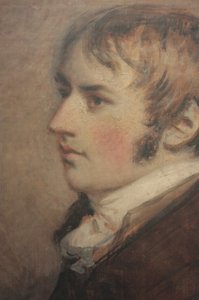
1776–1837, Suurbritannia
John Constable
Varane elu, pere ja õppimisaastad John Constable sündis 1776. aastal Suffolki krahvkonnas asuvates East Bergholti külas. Ta oli Golding ja Ann (Watts) Constablest teine poeg. Tema isa oli jõukas teravilja- ja söökaupmees, kelle omandisse kuulus Flatford Mill.
Teel John Constable kohta John Constable silmapaistvad teosed
Ka John Constable teosed
 Hõtimäed1821
 Vaade Salisbury katedraalile piiskopi aia alast1823
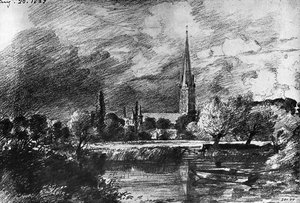 Salisbury katedraal
 Seda heinavärv (detail)1821

Essee teemadel Valge Hobune
 Mastering the English Landscape: The Top 25 Artworks by John ConstableImmerse yourself in the soul of the English countryside with our curated guide to John Constable's top 25 masterpieces. Explore the emotive…
 Capturing the English Landscape: The Timeless Mastery and Romantic Legacy of John ConstableExplore the profound legacy of John Constable. Discover how his mastery of light, atmosphere, and the English landscape redefined Romantici…
 British artworks of the 1820sBritish Romanticism in the 1820s features the iconic works of J.M.W. Turner, John Constable, and William Blake. View the full collection at…