Romantic Landscape Painting · 1824
The Lock (John Constable, 1824)
John Constable (1776–1837) on loonud teose The Lock. See on pärinev 1824 aastast. See kuulub Romantic Landscape Painting suuntrime. Teos on valmistatud materjalist Oil On Canvas. Teos asub Thyssen-Bornemisza Museum kogamuses Madrid, Hispaania. Mõõdud on 142 × 120 cm.
- 1824
- Oil On Canvas
- 142 × 120 cm
- Thyssen-Bornemisza Museum, Madrid

 Eelvaade

 Käsitsi maalatud õlimaalatsioon
 Saada
 Jaga
 Teave teose kohta


 Laadi alla
 Sarnased teosed
 Röntgenuuring
 Slaidietendus
 KÜSIMUSED JA VASTUSID

 Statistika
The Lock lühidalt
- Pealkiri
- The Lock
- Kunstnik
- John Constable (1776–1837)
- Kunstnik on sündinud
- East Bergholt, Suurbritannia
- Kuupäev
- 1824
- Tehnika
- Oil On Canvas
- Mõõtmed
- 142 × 120 cm
- Kus seda näeb
- Thyssen-Bornemisza Museum, Madrid, Hispaania
- Aeglkond
- 19th Century
- Teema
- river landscape, rural scene, fishing boat, english countryside, light and shadow, atmospheric perspective
Mida The Lock kujutab?
A Symphony of Light and Labor: Revisiting Constable’s The Lock
In the quiet, rhythmic pulse of the English countryside, there exists a moment of profound stillness captured forever in John Constable’s The Lock. Completed in 1824, this masterpiece is far more than a mere depiction of a riverside scene; it is a poetic meditation on the relationship between humanity and the natural world. As one gazes upon the canvas, the viewer is transported to the banks of the River Stour, where the air feels heavy with the moisture of the Dedham Vale and the sunlight filters through a hazy, atmospheric sky. The painting captures a fleeting moment—perhaps a summer afternoon—where the mechanical necessity of the canal lock meets the eternal, tranquil flow of nature.
The composition centers on a scene of quiet industry. A solitary figure, caught in a moment of physical exertion, works diligently to operate the canal mechanism, his presence anchoring the landscape within the realm of human experience. Alongside him, a small boat laden with cargo rests upon the water, serving as an emblem of rural labor and the vital arteries of trade that once defined the English landscape. This tableau of daily life is enriched by the subtle presence of other figures scattered throughout the midground, adding layers of depth and a sense of a living, breathing community. For the collector or interior designer, this painting offers a window into a lost era of pastoral grace, making it an exquisite focal point for spaces that seek to evoke peace and historical depth.
Mastery of Atmosphere and Romantic Idealism
Constable’s technique in The Lock exemplifies the height of the Romantic movement. Eschewing the rigid, scientific clarity of the Enlightenment, he embraced a style defined by emotion and the sensory experience of nature. He was a master of what is known as atmospheric perspective, a method through which he skillfully blended colors and tonal gradations to create a breathtaking illusion of distance. Through delicate brushwork, he captures the way light interacts with the humid air of the Suffolk riverbanks, creating a luminous quality that seems to vibrate on the canvas. This ability to paint not just what he saw, but how he felt when confronted by the grandeur of his homeland, is what elevates this work from a landscape to a spiritual experience.
The emotional impact of the piece lies in its balance between the monumental and the intimate. While the distant view may hint at the vastness of the English countryside, the focus remains on the tactile reality of the water, the wood, and the earth. For those looking to adorn a home with high-quality reproductions, The Lock provides an unparalleled opportunity to introduce a sense of "Constable Country" into a modern interior. The painting’s palette—rich with earthy greens, soft blues, and golden highlights—complements a variety of decor styles, from traditional manor aesthetics to contemporary minimalist settings, offering a timeless connection to the sublime beauty of the natural world.
Kumba muuseumis asub teos The Lock?
Thyssen-Bornemisza Museum
Madrid, Hispaania
Thyssen-Bornemisza Museumi ajalugu Thyssen-Bornemisza Museumi juured asuvad kaugel tema praegusest asukohast Hispaanias, Madridis. Koguplik kunstikogu sai alguse Luganos, Šveitsis, kus Heinrich Baron Thyssen-Bornemisza alustas oma pikaajalist Euroopa kunstilise saavutuste otsingut. Tema eesmärk oli teadlik säilitamise tegu, millega ta püüdis kaitsta Euroopa kunsti pärandit pärast I maailma sõja järglennud ebakindluse ja eksilii eest.


The Lock kõrge resolutsiooniga pildid
Avalik omanik: kunstnik suri aastal 1837.
John Constable, The Lock (1824), Thyssen-Bornemisza Museum. Avalik omaniklik õigus
Digitaalsete ekspertide poolt originaalvärvidega vastavaks vormitud ja kunstniku pintlapidega täpselt kohanitud, hoolikalt retušeeritud fail.
Osta kõrge resolutsiooniga failKüsimused teemal The Lock – vastused
Kust saab teose „The Lock“, autor John Constable täna vaadata?
Originaalteost „The Lock“, autor John Constable hoiustatakse Thyssen-Bornemisza Museum, Madrid, Hispaania muuseumis. Reproduktsioon võimaldab teost koduses keskkonnas esitleda.
Mis aastal loodi teos „The Lock“, autor John Constable?
Teose „The Lock“, autor John Constable loomimisaastaks on märgitud 1824.
Millest on teos "The Lock" valmistatud?
Teose "The Lock" loomisel kasutas John Constable Oil On Canvas tehnikat. See tehnika määrab originaalteose materjalilise olemuse.
Mis on teose „The Lock“, autor John Constable tegelik suurus?
Teose „The Lock“, autor John Constable mõõdud on 142 x 120 cm. Reproduktsioone saab tellida muutes mõõtust, säilitades samal ajal samad proportsioonid.
Mida „The Lock“, autor John Constable kujutab?
Teose "The Lock" teemad on river landscape, rural scene, fishing boat, english countryside, light and shadow, atmospheric perspective, quiet reflection.
Kas teose „The Lock“, autor John Constable pilt on vabalt reproduseeritav?
Tegijateõiguse osas on teos "The Lock" kuuluv klassifikatsiooni alla: avalikus õiguses – selle autoriõigud onหมดunud.
Kes on teose "The Lock" kunstnik?
Teose "The Lock" looja on John Constable. Teos on kataloogitud nime John Constable all.
Millissele stiilile kuulub "The Lock"?
Teos „The Lock“, autor John Constable kuulub Romantic Landscape Painting suunasse. See suund annab teosele stilistilise konteksti.
Millissele perioodile John Constable karjäärist kuulub teos "The Lock"?
John Constable loomingus kuulub teos "The Lock" perioodi Mature Landscape Style. See etap aitab seda võrdida kunstniku teiste töödega.
Kunstnikust, John Constable
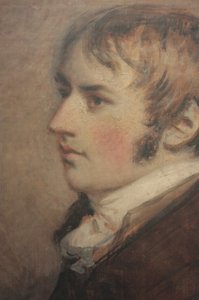
1776–1837, Suurbritannia
John Constable
Varane elu, pere ja õppimisaastad John Constable sündis 1776. aastal Suffolki krahvkonnas asuvates East Bergholti külas. Ta oli Golding ja Ann (Watts) Constablest teine poeg. Tema isa oli jõukas teravilja- ja söökaupmees, kelle omandisse kuulus Flatford Mill.
Teel John Constable kohta John Constable silmapaistvad teosed
Ka John Constable teosed
 Hõtimäed1821
 Vaade Salisbury katedraalile piiskopi aia alast1823
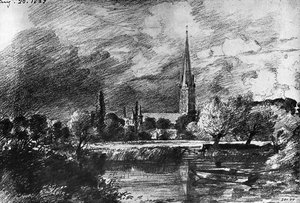 Salisbury katedraal
 Seda heinavärv (detail)1821
Essee teemadel The Lock
 Mastering the English Landscape: The Top 25 Artworks by John ConstableImmerse yourself in the soul of the English countryside with our curated guide to John Constable's top 25 masterpieces. Explore the emotive…
 25 Must-See Masterpieces at the Yale Center for British ArtExplore 25 iconic works from Turner to Hogarth at Yale Center for British Art. Discover museum-quality art on OriginalUniqueArt.com.
 10 Iconic Masterpieces That Defined Romantic Landscape PaintingJourney through the sublime beauty of Romantic landscape painting. Explore 10 iconic masterpieces by legends like Friedrich and Turner that…