Romanticism · 1821
Spring Ploughing (John Constable, 1821)
John Constable (1776–1837) on loonud teose Spring Ploughing. See on pärinev 1821 aastast. See kuulub Romanticism suuntrime. Teos on valmistatud materjalist Oil On Panel. Mõõdud on 19 × 36 cm.
- 1821
- Oil On Panel
- 19 × 36 cm

 Eelvaade

 Käsitsi maalatud õlimaalatsioon
 Saada
 Jaga
 Teave teose kohta


 Laadi alla
 Sarnased teosed
 Röntgenuuring
 Slaidietendus
 KÜSIMUSED JA VASTUSID

 Statistika
Spring Ploughing lühidalt
- Pealkiri
- Spring Ploughing
- Kunstnik
- John Constable (1776–1837)
- Kunstnik on sündinud
- East Bergholt, Suurbritannia
- Kuupäev
- 1821
- Tehnika
- Oil On Panel
- Mõõtmed
- 19 × 36 cm
- Suunad
- Romanticism
- Aeglkond
- 19th Century
- Teema
- rural life, ploughing, landscape, england, constable, horses
Mida Spring Ploughing kujutab?
The Identification of Spring Ploughing
Spring Ploughing is an oil on panel painting by John Constable. Executed in 1821, the work measures 19 x 36 cm. It belongs to the Romanticism movement.
The artist, John Constable, captured this scene during a period of significant development in his career. This specific work reflects the artist's lifelong connection to the landscapes of the United Kingdom, particularly the rural rhythms of the Stour Valley.
Composition and Visual Elements
A farmer occupies the center of the field, guiding a plough through the soil. He is flanked by two horses positioned on either side, working in tandem to cultivate the land. Scattered throughout the surrounding pasture, several cows add to the rural atmosphere of the scene. In the distance, a windmill provides a sense of depth and perspective against the horizon.
The sky above is filled with heavy clouds, creating a sense of drama and moodiness. This atmospheric ceiling works in conjunction with the terrestrial elements to establish the specific weather conditions of the moment. The arrangement of the figures and the distant architecture creates a structured view of agricultural labor.
Technique and Artistic Style
The use of oil on panel provides a surface capable of supporting significant texture and fine detail. This medium allows for a precise application of paint, capturing the specific nuances of the rural landscape. Through a careful application of light and color, the composition establishes a clear sense of depth and perspective, drawing the eye from the immediate activity in the field toward the windmill in the distance.
The brushwork emphasizes the physical reality of the scene, focusing on the interplay between the earth and the sky. The cloudy sky introduces a sense of drama and moodiness, contrasting with the grounded, tactile nature of the field. Every element contributes to a depiction of the labor involved in cultivation, capturing a specific moment of dedication as the farmer works the land with his horses.
Related Works by John Constable
Constable’s exploration of the English landscape continued through several significant compositions. In 1821, he produced The Hay Wain, a work that remains central to his legacy. This was followed by The Lock in 1824 and The Cornfield in 1826. These pieces reflect his ongoing engagement with the rural environments of his youth.
His later output included Salisbury Cathedral from the Meadows, painted in 1831. Earlier works, such as Wivenhoe Park from 1816, demonstrate his established interest in the countryside. He also produced Cottage at East Bergholt, further documenting the specific topography of the Stour Valley.
Spring Ploughing kõrge resolutsiooniga pildid

Avalik omanik: kunstnik suri aastal 1837.
Teised laiused, uueste lõikud ja alluding →John Constable, Spring Ploughing (1821). Avalik omaniklik õigus
Küsimused teemal Spring Ploughing – vastused
Mis on teose „Spring Ploughing“, autor John Constable loomisaeg?
Teos "Spring Ploughing" on pärit aastast 1821. See ajastu aitab mõista teost John Constable karjääri ja selle ajastu kontekstis.
Millest on teos "Spring Ploughing" valmistatud?
Teose „Spring Ploughing“, autor John Constable materjal on Oil On Panel. Reproduktsioonide eesmärk on jälitada selle tehnika välimust.
Mis on teose „Spring Ploughing“, autor John Constable tegelik suurus?
Originaalteose „Spring Ploughing“, autor John Constable mõõdud on 19 x 36 cm.
Millised teemad teoses „Spring Ploughing“, autor John Constable esile tõelve?
Teemad, mis teoses „Spring Ploughing“, autor John Constable esinevad, hõlmavad rural life, ploughing, landscape, england, constable, horses, windmill, spring. Koos need kokkuvõtavad teose sisu.
Kas teos „Spring Ploughing“, autor John Constable kuulub avalikku omandisse?
Tegijateõiguse osas on teos "Spring Ploughing" kuuluv klassifikatsiooni alla: avalikus õiguses – selle autoriõigud onหมดunud.
Kes on teose "Spring Ploughing" kunstnik?
Teose "Spring Ploughing" loovija on John Constable. Selle lehe info kirjeldab John Constable algteost.
Millissele kunstisuunale kuulub teos „Spring Ploughing“, autor John Constable?
Teosest „Spring Ploughing“, autor John Constable tuntud kunstisuuna on Romanticism. See klassifikatsioon aitab teost paigutada sarnaste kunstnike ja teoste hulka.
Millist etap John Constable loomingus teos "Spring Ploughing" esindab?
Teos "Spring Ploughing" kuulub John Constable loomingulise karjääri perioodi Mature Period. See klassifikatsioon seostab teose kunstniku loovliku arenguga.
Kui vana oli John Constable, kui ta loositud teose "Spring Ploughing" aastal 1821?
John Constable oli 45 aastane, kui ta teosest "Spring Ploughing" aastal 1821 lõi. Vanus on arvutatud kunstniku sünnaaasta põhjal, 1776.
Kunstnikust, John Constable
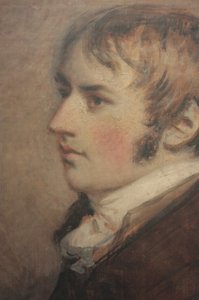
1776–1837, Suurbritannia
John Constable
Varane elu, pere ja õppimisaastad John Constable sündis 1776. aastal Suffolki krahvkonnas asuvates East Bergholti külas. Ta oli Golding ja Ann (Watts) Constablest teine poeg. Tema isa oli jõukas teravilja- ja söökaupmees, kelle omandisse kuulus Flatford Mill.
Teel John Constable kohta John Constable silmapaistvad teosed
Ka John Constable teosed
 Hõtimäed1821
 Vaade Salisbury katedraalile piiskopi aia alast1823
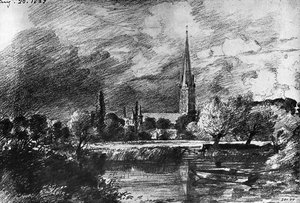 Salisbury katedraal
 Seda heinavärv (detail)1821
Essee teemadel Spring Ploughing
 British artworks of the 1820sBritish Romanticism in the 1820s features the iconic works of J.M.W. Turner, John Constable, and William Blake. View the full collection at…
 British artworks of the 1800s19th-century British art featuring the masterpieces of John Constable, William Blake, and Thomas Lawrence. View the full collection at Orig…
 Mastering the English Landscape: The Top 25 Artworks by John ConstableImmerse yourself in the soul of the English countryside with our curated guide to John Constable's top 25 masterpieces. Explore the emotive…