- Avaleht

- Digitaalne kunstiteos
- johann lucas kracker
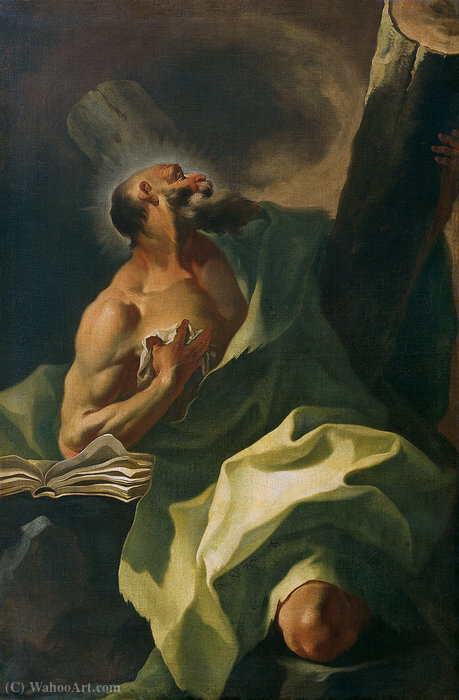
- Saint andrew
 Eelvaade
 Saada
Saada Jaga
Jaga
 Teave teose kohta

 Laadi alla
 Sarnased teosed
 Röntgenuuring
 Slaidietendus
Saint andrew
 Loe lähemalt
Ostke kõrglahutusel ja täiustatud digitaalne pilt, mis on oluliselt parem kui veebilehel näidatud eelvaade.
Iga fail on meie spetsialistide poolt hoolikalt ette valmistatud, kasutades kaasaegseid tööriistu ja professionaalset käsitsi retušeerimist. Tagame, et igal pildil on erakordne selgus, täpne värvitäpsus ja peen detail.
Lõplik fail saadetakse e-posti teel 72 tunni jooksul, olles optimeeritud koheseks kasutamiseks professionaalsetes, toimetuslikes ja trüki keskkondades. See on sama kvaliteet, mida usaldavad tipptasemel disainistuudiod, kirjastused ja galeriid.
Digitaalne kunstiteos
Laadi alla kõrge resolutsiooniga fail isiklikuks vaatamiseks, trükkimiseks ja loomingulisteks projektideks. ( Lülita trükile Lülita käsitsi maalatud版本le)
Sisse kuulub iga digitaalse pildi tellimusega
Eksperdi digitaalne kohaletoimetamine, garanteeritud
Valides OriginalUniqueArt.com, ei saa sa lihtsalt pilti – saad professionaalselt parandatud digitaalse teose, mida on valmistatud täpsusega ja mis on toetatud rahuldamatusgarantiiga. Siin on kõik, mis sinu tellimusega automaatselt kaasneb:

Kiire digitaalne saatmine
Teie kõrge resolutsiooniga digitaalne pildifail saadetakse teile e-posti 72 tunni jooksul pärast tellimist – kohe kasutamiseks valmis.

Tehisintellektiga täiustatud digitaalne fail
Teie teos on professionaalselt optimeeritud arenenud tehisintellekti tööriistade ja käsitsi redigeerimise abil, tagades maksimaalse detailitaseme, selguse ja värvitäpsuse.

Tasuta eluaegne uuesti saatmine
Kas kustutasid faili kogukalu unustamisel või kustutamisel? Puudub mure – saad selle uuesti igal ajal ilma lisatasuta.

Puuduvad importimaksed – alati
Nautige oma teoseid koheselt ilma tolli-, maksude või tarnimaskuludeta – digiletchargused on alati maksuvabadud.

Värvitäpsuse garantii
Me tagame, et teie digitaalne pilt kajastaks originaali värve professionaalsete tööriistade ja värvihalduse abil võimalikult täpselt.

60-päevane rahulolu garantii
Kui te ei ole oma digipildiga rahul, parandame seda või tagastame 100% summast 60 päeva jooksul – küsimusi ei esita.

100% raha tagastamise garantii
Ei ole rahul? Saate täielise tagastaja 60 päeva jooksul pärast digitaalse faili kättesaamist – küsimata.

Suurema tellimuse soodustused
Osta 3 pilti, säästa 10% - Osta 5, säästa 15% - Osta 10+, säästa 20%. Sobib suurepäraselt loomingulisteks projektideks, galeriideks ja agentuurideks.
Kunstniku biograafia
The Celestial Brush of the Late Baroque: The Life of Johann Lucas Kracker
In the grand, sweeping tapestry of Central European art, few names evoke the spiritual drama and architectural splendor of the late Baroque period as poignently as Johann Lucas Kracker. Born in Vienna in 1717, Kracker emerged from a lineage deeply rooted in the tactile world of sculpture, being the son of the sculptor Josef Kracker. This early exposure to the three-dimensional weight of form would later inform his approach to two-dimensional surfaces, allowing him to breathe a sculptural vitality into his frescoes and altarpieces. His journey was one of movement and light, traversing the great artistic hubs of the 18th century—from the academic rigor of Vienna to the vibrant religious landscapes of Moravia and Hungary.
Kracker’s artistic soul was forged in the prestigious halls of the Academy of Fine Arts Vienna. Under the mentorship of Anton Hertzog, he mastered the foundational principles of classical composition, yet it was his time spent alongside masters such as Paul Troger and Michelangelo Unterberger that truly refined his ability to capture the divine. These influences instilled in him a sense of Baroque dynamism—a way to manipulate light and shadow to create an illusion of infinite space. His early work at the Schlosskirche St. Martin in Graz, though tragically lost to fire, served as a monumental testament to his burgeoning mastery, signaling the arrival of a painter capable of transforming stone and plaster into windows to the heavens.
A Journey Through Sacred Spaces
As Kracker’s reputation grew, so too did the geographical scope of his commissions. His career was a pilgrimage through the heart of the Holy Roman Empire's religious landscape. In Brno and throughout Moravia, he established himself as a premier craftsman, navigating the complexities of local guilds and ecclesiastical patronage with remarkable skill. Even when faced with the professional hurdles of Prague’s Painters' Guild, Kracker’s ambition remained undeterred, leading him to undertake the ambitious decoration of the Church of St. Nikolaus in Malá Strana—a project that solidified his status as a daring visionary who refused to be constrained by convention.
The breadth of his oeuvre is best understood through the subjects he chose to immortalize:
- Religious Iconography: His ability to render the profound sanctity of figures like Saint Andrew and John of Nepomuk allowed worshippers to feel a direct, emotional connection to the divine.
- Dramatic Narratives: In works such as The Council in Trident, Kracker utilized rich colors and intricate architectural details to recreate the historical gravity of pivotal religious gatherings.
- Devotional Scenes: From the tender intimacy of The Holy Family to the missionary fervor found in St. Francis of Solano Baptizing Indians, his brush captured the full spectrum of Christian emotion.
Legacy and the Eger Twilight
The final chapter of Kracker’s life saw him settling in Eger, where he found a prestigious sanctuary under the patronage of Bishop Karl von Esterhazy. It was here, amidst the breathtaking frescoes of the Minorite Church, that his talent reached a state of serene maturity. His work in Eger remains a cornerstone of Hungarian Baroque heritage, showcasing a seamless integration of painting and architecture that continues to inspire awe. When he passed away in 1779, Kracker left behind more than just paintings; he left a legacy of spiritual transcendence. Through his mastery of color, light, and movement, he ensured that the grandeur of the Baroque era would endure, etched forever into the ceilings and altars of Europe.

johann lucas kracker
1719 - 1779 , Austria
Lühikesed faktid
- Artistic Movement Or Style: Baroque
- Artists Or Movements Influenced By This Artist: ['Tobias Kracker']
- Artists Who Influenced This Artist:
- Paul Troger
- Michelangelo Unterberger
- Date Of Birth: March 3, 1717
- Full Name: Johann Lucas Kracker
- Nationality: Austrian-Czech
- Notable Artworks:
- Saint Andrew
- John of Nepomuk
- Place Of Birth: Vienna, Austria

