

 Vaata sisu
 Jaga teost
 Jaga
Jaga
 Detailid
 Õppekate juhend

 Laadi alla
 Sarnased teosed
 Röntgenuuring
 Slaidietendus
 Statistika
Funeräär monument
 Akrüülkainal
- Seinakunst
- Neoclassical Sculpture
 17.0 x 10.0 cm
 Yale Center for British Art
 Loe lähemalt
Käsitsi valmistatud õlimaalireproduktsioon
Meie kunstnike poolt tellimusel valmistatud käsitsi maalitud õli-kainaste teos teie soovitud suuruses ja raamis. ( Lülita trükkitoodetele Ülemineku digitaalse pildi müügi kanalisse)




P118B €10

P118H €10

P118W €10

P438Z €10

P508JH €12

P508YH €12

P805H €10

P805Z €10

P919BZ €10

P919G €10

P919XJ €10

P959ZH €10

P968JZ €12

W106C €8

W218G €10

W218JH €8

W218Y €10

W307PJ €10

W316G €10

W316PJ €8

W316Y €10

W398PJ €8

W4111J €10

W500HY €15

W500JH €15

W692G €12

W849H €8

W940BG €15

W953PJ €8




Vali meie eelmääratud suurused, mis vastavad teose algupärastele proportsioonidele.

Sisestage vajalik laius ja kõrgus, et teos sobiks teie raamile või seinale. Kuna tegu on käsipainatud teosega, siis erineva kujuga suuruse korral võib kunstnik jätta pildi ümber veidi rohkem marginaali või lõigata osa ära — valik on teie. Enne maali alustamist saadame teile kinnitamiseks digitaalse näidisprojektsiooni. Sellel lehel näidatud pilt ei kajasta tegelikku tulemust — seda näitab ainult näidisprojekttsioon.
Pärast tellimust saadab OriginalUniqueArt.com meeskond kliendile e-posti juhised ning esitab eelvaate kavandi
Maailmline tarne 3–4 nädala jooksul tavalise 5 nädala asemel. (27 oktoober). Kvaliteedis kompromisse ei tehta.

Tasuta ekspresssaatmine üle maailma

Kõrgekvaliteediline lina-kangastest muld

Täielik transpordikindlustus

Tollimaksude tagastamise garantii

Värvitoime täpsuse garantii

100 päeva tagastusõigus (ainult defektide korral)

100% raha tagasi garantii

Hulgusoodustus
 Klaasivalik on saadaval ainult kuni 110 cm suuruses teostes

Funeräär monument
Reproduktsiooni materjal
Reproduktsiooni mõõtmed
-


Lõppsumma
€ 263
Johann Eckstein ja Tema Monumentaalne Disain
Johann Eckstein (1735–1818), Saksamaa tuntud kunstnik, oli rohkem kui lihtsalt suur talent; ta oli kirjanik, arhitektuuriline kujundaja ning kunstinäituse keskendumine. Tema töö tähendus on palju süngem kui ainult kauni vormi väljendus – see kajastab Saksa klassikalise perioodi kultuuri ja kunstiloo olulist osa.
- Varased Elukesed ja Kunstilise Põlve Alumine
- Ecksteini Stil ja Tekniik: Täiuslik Detail ja Ülevaadete Ühtlus
- Historialine Kontekst: Saksamaa Klassikalise Ajastu Päevad
- Monumentaalse Disaini Simbolism: Kuulsus ja Üleolevusega Kaasa Elamine
Joseph, Baron Ducreux oli kunstniku perekond, kes pakkus Ecksteinale tugevat alustamist tulevasele karjäärile. Tema varased õpetajad olid nii isa kui ka Maurice Quentin de La Tour, tuntud pastelist, kes oli maailmakuulus oma täiuslike portree tööde poolest. See varane mentorlus annetas Ecksteinile sügavameelse arusaamu tehnika kohta – eriti detailide ja tundmatu väljenduse kinnitamisel. Selle oskus oli Ecksteini stiili oluline osa, mis jäi hiljem tema töödele märkimiseks.
Ecksteini suurim saavutus oli Pariisi kolimine aastal 1760, kus ta jätkas oma kunstilist kasvõiku suuremates kunstnike ringides. Ta oli tuntud oma portree tööd ning püsis selles ametis kuni hiljemalt aastatel 1802.
- Ecksteini Disaini Täiuslikkus: Üldine Vaade ja Materjalid
- Monumentaalse Disaini Simbolism: Kuulsus ja Üleolevusega Kaasa Elamine
- Kunstniku Inspiratsioon ja Päevakiri Kirjutamine: Nähtamatud Ühte Ühele Ühe Ühele Ühele Ühele Ühele Ühele Ühele Ühele Ühele Ühele Ühele Ühele Ühele Ühele Ühele Ühele Ühele Ühele Ühele Ühele Ühele Ühele Ühele Ühele Ühele Ühele Ühele Ühele Ühele Ühele Ühele Ühele Ühele Ühele Ühele Ühele Ühele Ühele Ühele Ühele Ühele Ühele Ühele Ühele Ühele Ühele Ühele Ühele Ühele Ühele Ühele Ühele Ühele Ühele Ühele Ühele Ühele Ühele Ühele Ühele Ühele Ühele Ühele Ühele Ühele Ühele Ühele Ühele Ühele Ühele Ühele Ühele Ühele Ühele Ühele Ühele Ühele Ühele Ühele Ühele Ühele Ühele Ühele Ühele Ühele Ühele Ühele Ühele Ühele Ühele Ühele Ühele Ühele Ühele Ühele Ühele Ühele Ühele Ühele Ühele Ühele Ühele Ühele Ühele Ühele Ühele Ühele Ühele Ühele Ühele Ühele Ühele Ühele Ühele Ühele Ühele Ühele Ühele Ühele Ühele Ühele Ühele Ühele Ühele Ühele Ühele Ühele Ühele Ühele Ühele Ühele Ühele Ühele Ühele Ühele Ühele Ühele Ühele Ühele Ühele Ühele Ühele Ühele Ühele Ühele Ühele Ühele Ühele Ühele Ühele Ühele Ühele Ühele Ühele Ühele Ühele Ühele Ühele Ühele Ühele Ühele Ühele Ühele Ühele Ühele Ühele Ühele Ühele Ühele Ühele Ühele Ühele Ühele Ühele Ühele Ühele Ühele Ühele Ühele Ühele Ühele Ühele Ühele Ühele Ühele Ühele Ühele Ühele Ühele Ühele Ühele Ühele Ühele Ühele Ühele Ühele Ühele Ühele Ühele Ühele Ühele Ühele Ühele Ühele Ühele Ühele Ühele Ühele Ühele Ühele Ühele Ühele Ühele Ühele Ühele Ühele Ühele Ühele Ühele Ühele Ühele Ühele Ühele Ühele Ühele Ühele Ühele Ühele Ühele Ühele Ühele Ühele Ühele Ühele Ühele Ühele Ühele Ühele Ühele Ühele Ühele Ühele Ühele Ühele Ühele Ühele Ühele Ühele Ühele Ühele Ühele Ühele Ühele Ühele Ühele Ühele Ühele Ühele Ühele Ühele Ühele Ühele Ühele Ühele Ühele Ühele Ühele Ühele Ühele Ühele Ühele Ühele Ühele Ühele Ühele Ühele Ühele Ühele Ühele Ühele Ühele Ühele Ühele Ühele Ühele Ühele Ühele Ühele Ühele Ühele Ühele Ühele Ühele Ühele Ühele Ühele Ühele Ühele Ühele Ühele Ühele Ühele Ühele Ühele Ühele Ühele Ühele Ühele Ühele Ühele Ühele Ühele Ühele Ühele Ühele Ühele Ühele Ühele Ühele Ühele Ühele Ühele Ühele Ühele Ühele Ühele Ühele Ühele Ühele Ühele Ühele Ühele Ühele Ühele Ühele Ühele Ühele Ühele Ühele Ühele Ühele Ühele Ühele Ühele Ühele Ühele Ühele Ühele Ühele Ühele Ühele Ühele Ühele Ühele Ühele Ühele Ühele Ühele Ühele Ühele Ühele Ühele Ühele Ühele Ühele Ühele Ühele Ühele Ühele Ühele Ühele Ühele Ühele Ühele Ühele Ühele Ühele Ühele Ühele Ühele Ühele Ühele Ühele Ühele Ühele Ühele Ühele Ühele Ühele Ühele Ühele Ühele Ühele Ühele Ühele Ühele Ühele Ühele Ühele Ühele Ühele Ühele Ühele Ühele Ühele Ühele Ühele Ühele Ühele Ühele Ühele Ühele Ühele Ühele Ühele Ühele Ühele Ühele Ühele Ühele Ühele Ühele Ühele Ühele Ühele Ühele Ühele Ühele Ühele Ühele Ühele Ühele Ühele Ühele Ühele Ühele Ühele Ühele Ühele Ühele Ühele Ühele Ühele Ühele Ühele Ühele Ühele Ühele Ühele Ühele Ühele Ühele Ühele Ühele Ühele Ühele Ühele Ühele Ühele Ühele Ühele Ühele Ühele Ühele Ühele Ühele Ühele Ühele Ühele Ühele Ühele Ühele Ühele Ühele Ühele Ühele Ühele Ühele Ühele Ühele Ühele Ühele Ühele Ühele Ühele Ühele Ühele Ühele Ühele Ühele Ühele Ühele Ühele Ühele Ühele Ühele Ühele Ühele Ühele Ühele Ühele Ühele Ühele Ühele Ühele Ühele Ühele Ühele Ühele Ühele Ühele Ühele Ühele Ühele Ühele Ühele Ühele Ühele Ühele Ühele Ühele Ühele Ühele Ühele Ühele Ühele Ühele Ühele Ühele Ühele Ühele Ühele Ühele Ühele Ühele Ühele Ühele Ühele Ühele Ühele Ühele Ühele Ühele Ühele Ühele Ühele Ühele Ühele Ühele Ühele Ühele Ühele Ühele Ühele Ühele Ühele Ühele Ühele Ühele Ühele Ühele Ühele Ühele Ühele Ühele Ühele Ühele Ühele Ühele Ühele Ühele Ühele Ühele Ühele Ühele Ühele Ühele Ühele Ühele Ühele Ühele Ühele Ühele Ühele Ühele Ühele Ühele Ühele Ühele Ühele Ühele Ühele Ühele Ühele Ühele Ühele Ühele Ühele Ühele Ühele Ühele Ühele Ühele Ühele Ühele Ühele Ühele Ühele Ühele Ühele Ühele Ühele Ühele Ühele Ühele Ühele Ühele Ühele Ühele Ühele Ühele Ühele Ühele Ühele Ühele Ühele Ühele Ühele Ühele Ühele Ühele Ühele Ühele Ühele Ühele Ühele Ühele Ühele Ühele Ühele Ühele Ühele Ühele Ühele Ühele Ühele Ühele Ühele Ühele Ühele Ühele Ühele Ühele Ühele Ühele Ühele Ühele Ühele Ühele Ühele Ühele Ühele Ühele Ühele Ühele Ühele Ühele Ühele Ühele Ühele Ühele Ühele Ühele Ühele Ühele Ühele Ühele Ühele Ühele Ühele Ühele Ühele Ühele Üdele Ühele Ühele Ühele Ühele Ühele Ühele Ühele Ühele Ühele Ühele Ühele Ühele Ühele Ühele Ühele Ühele Ühele Ühele Ühele Ühele Ühele Ühele Ühele Ühele Ühele Ühele Ühele Ühele Ühele Ühele Ühele Ühele Ühele Ü
Küsimused ja vastused
Kas teost „Funeräär monument“, autor Johann Eckstein hoiustatakse kunstniku kodumaal?
Ei - teos asub välismaal. Johann Eckstein sündis riigis Germany ning teose "Funeräär monument" algorig on säilitatud muuseumis, mis asub riigis United States of America.
Kust saan osta teose „Funeräär monument“, autor Johann Eckstein digitaalse pildi?
Teose „Funeräär monument“, autor Johann Eckstein digitaalset pilti saab osta selle Digitaalne pilt lehelt: kõrge resolutsiooniga digitaalse pildi allalaadimine.
Kas saan teose "Funeräär monument" näha täiskuunil slideshowina?
Teose "Funeräär monument" diaporama on vaadatav teose Slideshow lehel.
Kunstniku elulugu
A Life of Artistic Versatility
Johann Eckstein stands as a remarkable testament to the boundless versatility required of a master craftsman during the late 18th century. Born in Poppenroth, Germany, he was the son of Conrad Eckstein, a skilled woodcarver and cabinet-maker, an upbringing that likely laid the foundation for his profound technical dexterity. His artistic journey was one of constant movement and adaptation, spanning the grand courts of Europe and the burgeoning landscape of America. A true polymath of the visual arts, Eckstein’s talent was not confined to a single medium; his oeuvre encompassed the delicate precision of engraving, the emotive power of portraiture, the tactile grace of pastel artistry, and the monumental presence of sculpture.
His formal training began at the Nuremberg Academy of Arts under the guidance of Preissler, providing him with the classical grounding necessary to navigate the prestigious artistic circles of his era. This education prepared him for a career that would see him move from the vibrant art scene of London to the royal splendor of Prussia, and eventually to the shores of the United States. Whether working in wax, marble, or ink, Eckstein possessed an intellectual curiosity that allowed him to master diverse techniques, making him a rare figure capable of addressing both the intimate scale of a portrait and the architectural demands of a public monument.
From European Courts to the New World
The trajectory of Eckstein’s career was marked by significant royal patronage and international transitions. During his time in London between 1758 and 1765, he established himself through notable achievements, such as working on the relief for the monument to Roger Townshend in Westminster Abbey and receiving prestigious premiums from the Society of Arts for his Portland stone reliefs. His reputation soon caught the attention of Frederick the Great, whose invitation led Eckstein to the Prussian court. As the principal sculptor at Potsdam and Sans Souci, he executed works that defined the neoclassical aesthetic of the era, later continuing his service under Frederick William.
Eckstein’s influence extended into the realm of fine porcelain and commemorative art, as seen in his modeling for the Berlin porcelain factory and his creation of death masks and wax busts. However, his life took a dramatic turn when he sought a new beginning in America. Arriving in Philadelphia by November 1793, he brought with him a wealth of European tradition, becoming a founder member of the Philadelphia Academy. Despite the challenges of settling in a new country—a struggle he lamented in his later years—he continued to exhibit works ranging from equestrian figures of George Washington to instructional texts like The American Drawing Magazine. His final chapter took him to Havana, where he passed away after a life defined by an unrelenting pursuit of artistic excellence across continents.
Technical Mastery and Artistic Legacy
The essence of Eckstein’s work lies in his ability to blend meticulous detail with profound emotional resonance. In his drawings and engravings, such as the Design for Funerary Monument, one observes a signature style characterized by restrained emotion and a somber reflection on the human condition. His use of techniques like precise hatching and cross-hatching allowed him to render textures with exceptional skill, creating a sense of gravitas that invited quiet introspection from the viewer. This technical precision was equally evident in his sculptural endeavors, where he could transition seamlessly from the delicate modeling of wax portraits to the heavy, enduring medium of marble.
Eckstein’s legacy is not merely found in individual masterpieces but in his role as a bridge between the established traditions of Europe and the developing artistic identity of America. His ability to master various disciplines—sculpture, engraving, painting, and even instructional writing—demonstrates a breadth of talent that few of his contemporaries could match. Through his work, he captured the neoclassical preoccupation with idealized form and dignified emotion, leaving behind a body of work that reflects both the Enlightenment ideals of his time and the personal resilience of a wandering master.

Johann Eckstein
1735 - 1818 , Germany
Lühikest infot
- Artistic Movement Or Style: Neoclassical Sculpture
- Artists Who Influenced This Artist: ['Preissler']
- Full Name: Johann Eckstein
- Nationality: German
- Notable Artworks: ['Design for Funerary Monument']
- Place Of Birth: Poppenroth, Germany
- Date Of Birth: 1735
- Date Of Death: 1818
Sarnased artiklid

The Enduring Form: Sculpture Across History, Technique & Emotional Resonance
Explore the rich history of sculpture with OriginalUniqueArt. Discover key techniques, influential artists & investment potential for discerning collectors. Expert insights into valuing and collecting timeless masterpieces.

The Enduring Form: Exploring Themes & Techniques in Sculpture Across Historical Periods
Explore the rich history of sculpture from ancient masterpieces to contemporary innovations. Discover key techniques, influential artists & investment potential for discerning art collectors.

Bronze Age to Modern Masters: 10 Sculptures That Redefined Art | OriginalUniqueArt
Journey through art history with 10 legendary bronze sculptures – from Michelangelo's David to Rodin’s Thinker. Explore the stories, techniques & timeless beauty of these masterpieces. Find museum-quality reproductions & elevate your home decor on OriginalUniqueArt.com.

Bronze Sculptures That Defined Art History | OriginalUniqueArt
Journey through art history with our Top 10 bronze sculptures! Explore masterpieces by Rodin, Michelangelo & more. Discover stories behind iconic statues and find museum-quality reproductions for your home decor at OriginalUniqueArt.com.
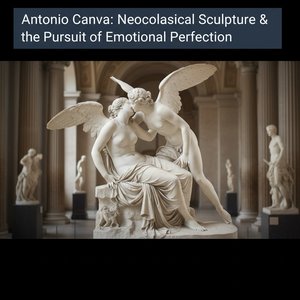
Antonio Canova: Neoclassical Sculpture & the Pursuit of Emotional Perfection
Explore the life & art of Antonio Canova, the greatest Neoclassical sculptor. Discover his masterpieces, innovative techniques, and lasting influence on fine art collecting. Expert insights for discerning investors.
