

 Vaata sisu
 Jaga teost
 Jaga
Jaga
 Detailid
 Õppekate juhend

 Laadi alla
 Sarnased teosed
 Röntgenuuring
 Slaidietendus
 Statistika
Shell cart
 Oil On Canvas
- WallArt
- Dutch Hague School
 1890
1890- 19th Century
 473.0 x 400.0 cm
 Kunstmuseum
 Loe lähemalt
Käsitsi valmistatud õlimaalireproduktsioon
Meie kunstnike poolt tellimusel valmistatud käsitsi maalitud õli-kainaste teos teie soovitud suuruses ja raamis. ( Lülita trükkitoodetele Ülemineku digitaalse pildi müügi kanalisse)




P118B €10

P118H €10

P118W €10

P438Z €10

P508JH €12

P508YH €12

P805H €10

P805Z €10

P919BZ €10

P919G €10

P919XJ €10

P959ZH €10

P968JZ €12

W106C €8

W218G €10

W218JH €8

W218Y €10

W307PJ €10

W316G €10

W316PJ €8

W316Y €10

W398PJ €8

W4111J €10

W500HY €15

W500JH €15

W692G €12

W849H €8

W940BG €15

W953PJ €8




Vali meie eelmääratud suurused, mis vastavad teose algupärastele proportsioonidele.

Sa võite sisestada oma mõõtmed konkreetse raami või ruumi sobivuse tagamiseks. Kui teie valitud suurus ei vasta originaalpildi proportsioonidele, siis kärvime kunstiteost või laiendame maali täiendavate käsitsi maalitud elementidega. Enne tootmise algust saadetakse teile heakskiitmiseks digitaalne eelvaade.
Palun pidage meeles, et ekraanil kuvatav eelvaade ei kajasta tegelikku kärpimist või laiendamist. Ainult eelvaade näitab täpselt lõplikku kompositsiooni.
Kuigi on saadaval kohandatud suurused, soovitame originaalproportsioonide säilimiseks valida mõõdud eelmääratletud nimekirjast.
Pärast tellimust saadab OriginalUniqueArt.com meeskond kliendile e-posti juhised ning esitab eelvaate kavandi
Maailmline tarne 3–4 nädala jooksul tavalise 5 nädala asemel. (10 oktoober). Kvaliteedis kompromisse ei tehta.

Tasuta ekspresssaatmine üle maailma

Kõrgekvaliteediline lina-kangastest muld

Täielik transpordikindlustus

Tollimaksude tagastamise garantii

Värvitoime täpsuse garantii

100 päeva tagastusõigus (ainult defektide korral)

100% raha tagasi garantii

Hulgusoodustus
 Klaasivalik on saadaval ainult kuni 110 cm suuruses teostes

Shell cart
Reproduktsiooni materjal
Reproduktsiooni mõõtmed
-


Lõppsumma
€ 259
A Moment Frozen in Time: Exploring Johan Hendrik Weissenbruch’s “Shell Cart”
The painting "Shell Cart," executed by Johan Hendrik Weissenbruch in 1890, stands as a testament to the artist's masterful command of late Impressionist technique and his unwavering dedication to capturing the essence of natural beauty. More than just a depiction of a seaside scene—a horse-drawn carriage traversing the sandy shore—it embodies a profound exploration of light, texture, and mood, reflecting the artistic sensibilities of its time and resonating with viewers today.The Painter's Vision: Impressionistic Brilliance
Weissenbruch’s artistic journey began amidst an environment rich in artistic influence. His father’s passion for painting exposed him to luminaries like Schelfhout and van Hove, artists who championed atmospheric landscapes—a stylistic approach that would indelibly shape Weissenbruch’s own vision. Johannes Low recognized his innate talent and provided crucial training at the Hague Academy of Art, fostering a connection with fellow artists committed to pushing the boundaries of artistic expression. This formative period instilled in him an appreciation for capturing fleeting moments of visual experience, prioritizing tonal variations and brushwork over precise representation.Technique and Texture: A Symphony of Brushstrokes
The painting’s remarkable quality lies primarily in its execution—a deliberate embrace of Impressionist principles. Weissenbruch skillfully employed a technique characterized by loose, expressive brushstrokes that prioritize texture and luminosity. Long strokes evoke the diffused glow of late afternoon sunlight bathing the beach, while shorter, overlapping strokes mimic the undulating movement of crashing waves. Dabs of brown and grey tones subtly convey the muted hues of the setting sun reflecting off the sand surface—a meticulous attention to detail that elevates the artwork beyond mere visual observation. The artist’s deliberate manipulation of paint surface contributes significantly to the painting's emotive power, inviting contemplation on the passage of time and the serenity of nature.Historical Context: Symbolism Within Landscape
Painted during a period marked by burgeoning interest in plein air painting—the practice of working outdoors directly from observation—"Shell Cart" aligns itself with broader artistic trends of its era. The Impressionists sought to depict reality as perceived by the senses, prioritizing subjective experience over academic conventions. Landscapes held particular significance for artists like Weissenbruch, serving not only as subjects for visual delight but also as vehicles for conveying deeper philosophical ideas about beauty and contemplation. The carriage itself—a symbol of movement and progress—contrasts subtly with the stillness of the beach, prompting reflection on humanity’s relationship to the natural world.Emotional Resonance: Capturing Tranquility
Ultimately, “Shell Cart” succeeds in transporting viewers to a moment of idyllic repose. The calm atmosphere conveyed by Weissenbruch's masterful brushwork and tonal palette evokes feelings of peace and contentment—a testament to his ability to translate visual impressions into emotionally resonant art. It’s a painting that invites us to savor the beauty of simplicity, reminding us of the restorative power of nature and the enduring fascination with capturing fleeting moments of sublime experience. Its legacy continues to inspire artists and collectors alike who appreciate the profound artistry embedded within this timeless landscape masterpiece.Küsimused ja vastused
Millal loodi teos "Shell cart"?
Teos „Shell cart“, autor Johan Hendrik Weissenbruch loodi aastal 1890.
Kuidas teos "Shell cart" on valmistatud ja mis on selle suurus?
Teos "Shell cart" on valmistatud tehnika Oil On Canvas ja algses vormis mõõdetakse 473 x 400 cm.
Mida „Shell cart“, autor Johan Hendrik Weissenbruch kujutab ja milline on selle meeleolu?
Teos „Shell cart“, autor Johan Hendrik Weissenbruch ühendab endas landscape, beach, carriage, horses, twilight, atmosphere, painting style ning loob Serene atmosfääri.
Kes lõi teose "Shell cart" ja millal?
Teose "Shell cart" autor on Johan Hendrik Weissenbruch ja selle loomisaeg on 1890.
Millisele kunstnikule on teos "Shell cart" atribuutseeritud?
Teose "Shell cart" looja on Johan Hendrik Weissenbruch. Teos on kataloogitud nime Johan Hendrik Weissenbruch all.
Kuidas seda teost „Shell cart“, autor Johan Hendrik Weissenbruch saab kasutada kodukujunduses?
Teos „Shell cart“, autor Johan Hendrik Weissenbruch on soovitatav kasutada Accent jaoks, ideaalselt Living Room ruumis. Kasutusala ja ruum annavad suuniseid selle kohta, kuhu reproduktsiooni hästi sobida.
Mis vanuses loos Johan Hendrik Weissenbruch teose "Shell cart"?
Johan Hendrik Weissenbruch oli 66 aastane, kui ta lõi teose "Shell cart" aastal 1890. Empiiriline vanus on arvutatud kunstniku sünnaaasta põhjal, 1824.
Kunstniku elulugu
Varajast elu ja õppusest
Jan Hendrik Weissenbruch, kes sündis 19. juunil 1824 Haagis, Hollandis, pärines kunstipärandega süvenud perese enough. Tema isa, Johannes Weissenbruch, oli kokk ja restoranipidaja, kelles põimibus armastus maali_kunstiga – see hobi sisaldas noore Jan Hendriki südamesse varajase tänutuse visuaalse kunsti vastu. Isa kogumuses olid asjatundmate jaoks väärtuslikud teosed Andreas Schelfhoutilt ja Bartholomäus van Hoveilt, kunstnikuteelt, kelle atmosfäärilised maastikud mõjutsid Weissenbruchi kujuniyet aastates sügavalt. See kokkupuude kuulsate maalariatega kujundas tema kunstilist tundlikkust juba algusest. Austatud joonistusõpetaja Johannes Low tunnistas Jan Hendriki talenti ja pakkus talle 1843. aastal asutatud väärtuslikku koolitust. Samal ajal õppis ta õhtukursustel Haagist Kunstiakadeemias Bartholomäus van Hove juures, edasiveendes oma kunstilist haridust sarmaka ja elavuse täis kunstilises keskkonnas.Kunstiline stiil ja mõjud
Weissenbruchi algne kunstiline stiil peegeldas romantilist estetiikat – eriti Schelfhouti hoolikast detailide armastust. Tema maastikud tabasid Hollandi taeva suursugusust märkimisväärse täpsusega, peegeldades Schelfhouti imetust Jacob van Ruisdaeli vastu, kelle tööd ta kohtas noorelt Haagist Mauritshuis muuseumist. See kohtumine kinnistas Weissenbruchi fassinatiooni XVII sajandi maastikumaalide ja nende ekspressiivsete omaduste vastu. Kujutlust kala, kui tema kunstiline visioon täienes, omakasutas Weissenbruch järkmiselt vabamaid pintooni ja laiemat värvikirjet – tehnikaid, mis andsid tema maalidele eeterilise atmosfääri, meenutades Ruisdaeli monumentaalseid linate. Ta suutsid oskuslikult ühendada romantilist idealismi impressionistliku tähelepanuga, luues eripärase stiili, mis leidis sügavat vastuvõttu Haagi koolkonnas.Tuntud teosed
Weissenbruchi loomingut käsivad mitmekülgsed maastikud ja žanriteened – peamiselt akvarelid –, mis näitavad tema meistriklassi Hollandi maapiirkonna ilu tabamisel. Tema kõige kuulsamate maalide seas on „Tee kanalil lähedal“, mis kujutab rahulikku veeteed, mida piiravad lopsakas taimestik; „Maastik tuulinguga lähedal Schiedamile“, mis näitab pilgukast tuikel millit kumerlilla kukkujate vahel; ning „Metsavaade lähedal Barbisonist“, mis on austatsioon impressionistlikule tehnikale Prantsuse maastikel. Need teosed demonstreerivad Weissenbruchi võimet edastada meeleolu ja atmosfääri äärmiselt peenelt – see on tema kunstilise lähenemise kaubamärk. Tema hoolikas valgus- ja värvivaatluse oskus koos ekspressiivse pinttööga kinnistas tema mainet kui ühe Haagi koolkonna esikujuna.Pärand
Jan Hendrik Weissenbruch seisab Hollandi kunstilo historys võtmefiguurina – ta on Haagi koolkonna nurgakivi, mis õitsas aastatel 1860 kuni 1900. Tema akvarelid iseloomustavad delikaatsed pintoonid ja sügav tundlikkus loomuliku valguse vastu – omadused, mis inspireerivad kunstnereid ka täna. Teda tunnustati kui ühte oma ajastu olulisemat maalari, saades tunnust nii kodumaal kui ka rahvusvaheliselt. Weissenbruchi mõju ulatus kaugemale kui ainult tema enda loomingule; ta oli mentor prominentidele kunstniktele nagu Anton Mauve ja Victor Bauffe, kujustades Hollandi maastikumaalide suunda aastakümneteks. Tema pärand seisneb mitte ainult tema hämmastavates visuaalsetes loomingutes, vaid ka panuses eripärase kunstipärandi eestutlemises – traditsioonis, mis eelistab tähelepanu, emotsiooni ja looduse suurmeeluse evocatiivset kujutamist. Weissenbruchi maale on leitav muuseumidest üle Euroopa, sealhulamt Amsterdamis Rijksmuseumis ja Haagis Mauritshuisis, tagades tema kunstilise visiooni püsimise genetsatsioonideks.
Johan Hendrik Weissenbruch
1824 - 1903 , Holland
Lühikest infot
- Artistic Movement Or Style: Haagi kool
- Artists Or Movements Influenced By This Artist: ['Anton Mauve']
- Artists Who Influenced This Artist:
- Andreas Schelfhout
- Jacob van Ruisdael
- Date Of Birth: 19. juunil 1824
- Full Name: Jan Hendrik Weissenbruch
- Nationality: Hollandi
- Notable Artworks:
- Tee kanalijuure
- Maastik tuulejonuga Schiedami lähedal
- Metsavaade Barbizoni lähedal
- Place Of Birth: Haag, Holland
Sarnased artiklid
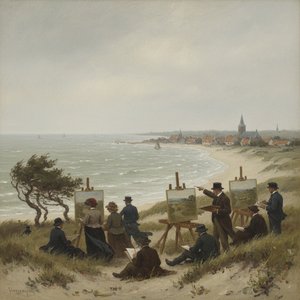
Capturing the Grey Light: A Masterclass in the Atmospheric Hague School Art Movement
Explore the ethereal beauty of the Hague School art movement. Discover how masters like Jan Weissenbruch captured the atmospheric grey light of the Dutch landscape through unparalleled technique and emotive, misty compositions.
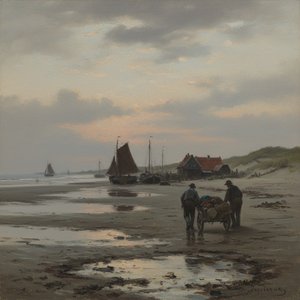
Jan Hendrik Weissenbruch: A Master of Dutch Realism & Atmospheric Light
Explore the captivating world of Jan Hendrik Weissenbruch, a master of Dutch Realism. Discover his atmospheric landscapes, influences, and legacy within the Hague School. Learn about this 19th-century artist's unique style & enduring impact.
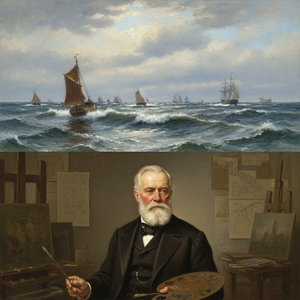
Hendrik Willem Mesdag: Pioneering Impressionism & the Dutch Maritime Tradition
Explore the life & work of Hendrik Willem Mesdag, a pioneer of Dutch Impressionism and leading figure of the Hague School. Discover his captivating seascapes and the immersive Panorama Mesdag – a true masterpiece.

The Hague School: Realism, Atmosphere & the Dawn of Dutch Impressionism
Explore the Hague School's pivotal role in Dutch art history. Discover realism, atmospheric landscapes & its influence on Impressionism. Learn about key artists like Mauve & Maris with OriginalUniqueArt.
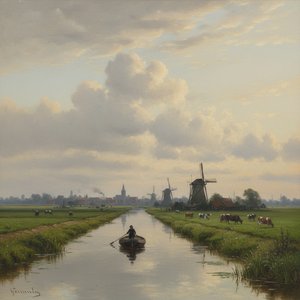
Johan Hendrik Weissenbruch: Capturing Dutch Light & Atmosphere – A Master of Realism
Discover Johan Hendrik Weissenbruch (1824-1903), a leading Dutch Hague School painter renowned for his atmospheric watercolours & oil landscapes. Explore his beautiful depictions of the Dutch countryside and skies – a master of light & detail.