Menüü
Text size

() ·

A painting made for you, by hand

Paris Boulevard

Käsitsi valmistatud õlimaalireproduktsioon

Meie kunstnike poolt tellimusel valmistatud käsitsi maalitud õli-kainaste teos teie soovitud suuruses ja raamis. ( Lülita trükkitoodetele Lülita digitaalse pildi juurde)

Kogumisobjekti kirjeldus

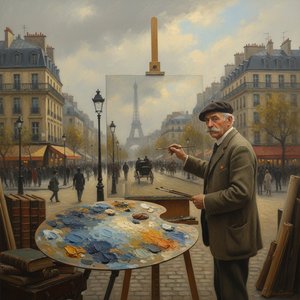
Joaquin Sorolla's "Paris Boulevard" captures the vibrant energy of Parisian nightlife with masterful light and color. Admire this iconic Impressionist painting, a timeless reflection of urban life.

Kunstniku elulugu

Joaquín Sorolla oli Hispaania impressionist ning luminismi suurmeister! Tema värviküllased maalid ja päikesevalgusest täis õhtuvaated on maailma kunstiloo ikoonid. Avastus Sorollat juba täna!

from ·

Chapter 1

How large should it be?

Slide to change the size; the picture on the left shows the frame at its real width. The proportions of the original are kept.

Standardne suurus
kohandatud
CM
INCH

Vali meie eelmääratud suurused, mis vastavad teose algupärastele proportsioonidele.

laius
kõrgus

Sisestage vajalik laius ja kõrgus, et teos sobiks teie raamile või seinale. Kuna tegu on käsipainatud teosega, siis erineva kujuga suuruse korral võib kunstnik jätta pildi ümber veidi rohkem marginaali või lõigata osa ära — valik on teie. Enne maali alustamist saadame teile kinnitamiseks digitaalse näidisprojektsiooni. Sellel lehel näidatud pilt ei kajasta tegelikku tulemust — seda näitab ainult näidisprojektsioon.

Chapter 2

How should it arrive?

Choose the edges of the stretched canvas

Choose your frame

Corner sample of the WhiteWrap canvas edge finish, stretched on massivpuit bars
White €1
Corner sample of the BlurSideWrap canvas edge finish, stretched on massivpuit bars
Blurside €1
Corner sample of the ExtendedWrap canvas edge finish, stretched on massivpuit bars
Extended €1
Corner sample of the P118B picture frame: vormitud polüstüreen, 5 cm wide and 3 cm thick
P118B €10
Corner sample of the P118H picture frame: vormitud polüstüreen, 5 cm wide and 3 cm thick
P118H €10
Corner sample of the P118W picture frame: vormitud polüstüreen, 5 cm wide and 3 cm thick
P118W €10
Corner sample of the P438Z picture frame: vormitud polüstüreen, 5.5 cm wide and 3.5 cm thick
P438Z €10
Corner sample of the P508JH picture frame: vormitud polüstüreen, 7 cm wide and 3.5 cm thick
P508JH €12
Corner sample of the P508YH picture frame: vormitud polüstüreen, 7 cm wide and 3.5 cm thick
P508YH €12
Corner sample of the P805H picture frame: vormitud polüstüreen, 5 cm wide and 3.5 cm thick
P805H €10
Corner sample of the P805Z picture frame: vormitud polüstüreen, 5 cm wide and 3.5 cm thick
P805Z €10
Corner sample of the P919BZ picture frame: vormitud polüstüreen, 7 cm wide and 3.5 cm thick
P919BZ €10
Corner sample of the P919G picture frame: vormitud polüstüreen, 7 cm wide and 3.5 cm thick
P919G €10
Corner sample of the P919XJ picture frame: vormitud polüstüreen, 7 cm wide and 3.5 cm thick
P919XJ €10
Corner sample of the P959ZH picture frame: vormitud polüstüreen, 5 cm wide and 3 cm thick
P959ZH €10
Corner sample of the P968JZ picture frame: vormitud polüstüreen, 6 cm wide and 4 cm thick
P968JZ €12
Corner sample of the W106C picture frame: massivpuit, 5 cm wide and 3 cm thick
W106C €8
Corner sample of the W218G picture frame: massivpuit, 5 cm wide and 3 cm thick
W218G €10
Corner sample of the W218JH picture frame: massivpuit, 5 cm wide and 3 cm thick
W218JH €8
Corner sample of the W218Y picture frame: massivpuit, 5 cm wide and 3 cm thick
W218Y €10
Corner sample of the W307PJ picture frame: massivpuit, 6 cm wide and 3 cm thick
W307PJ €10
Corner sample of the W316G picture frame: massivpuit, 6 cm wide and 3 cm thick
W316G €10
Corner sample of the W316PJ picture frame: massivpuit, 6 cm wide and 3 cm thick
W316PJ €8
Corner sample of the W316Y picture frame: massivpuit, 6 cm wide and 3 cm thick
W316Y €10
Corner sample of the W398PJ picture frame: massivpuit, 5 cm wide and 3 cm thick
W398PJ €8
Corner sample of the W4111J picture frame: massivpuit, 6.5 cm wide and 3.5 cm thick
W4111J €10
Corner sample of the W500HY picture frame: massivpuit, 7 cm wide and 5 cm thick
W500HY €15
Corner sample of the W500JH picture frame: massivpuit, 7 cm wide and 5 cm thick
W500JH €15
Corner sample of the W692G picture frame: massivpuit, 8 cm wide and 4 cm thick
W692G €12
Corner sample of the W849H picture frame: massivpuit, 5 cm wide and 3 cm thick
W849H €8
Corner sample of the W940BG picture frame: massivpuit, 7.5 cm wide and 4.5 cm thick
W940BG €15
Corner sample of the W953PJ picture frame: massivpuit, 6 cm wide and 3.5 cm thick
W953PJ €8
Corner sample of the H24-GOLD picture frame: kareeritud puit ja gesso, 10 cm wide and 6 cm thick
H24-GOLD €30
Corner sample of the H24-SILVER picture frame: kareeritud puit ja gesso, 10 cm wide and 6 cm thick
H24-SILVER €30
Corner sample of the H36-GOLD picture frame: kareeritud puit ja gesso, 15 cm wide and 6.5 cm thick
H36-GOLD €45
Corner sample of the H36-SILVER picture frame: kareeritud puit ja gesso, 15 cm wide and 6.5 cm thick
H36-SILVER €45
Raami eelvaade
Raamitud

Moulding: . Overall size with the frame: .

Chapter 3

Who paints it, and should anything change?

Examples of what can be changed: Replace face with customer photo; Add pet (e.g., replace cat with dog); Include hidden message in background; Change background landscape or elements.
After order, OriginalUniqueArt.com team will email client for instructions and provide a mockup preview

Maailmline tarne 3–4 nädala jooksul tavalise 5 nädala asemel. (30 oktoober). Kvaliteedis kompromisse ei tehta.

Chapter 4

The finishing touches

A nameplate, as in a museum?

Graveeritud pronksplaadi üksikasjad

This elegant plaque features the artist's name and the title of the artwork, finely engraved for a timeless presentation.

It is made from bronze with a refined, elegant finish. The text is precisely laser-engraved for a sharp and permanent result. Measuring 9x2 cm, the plaque is compact yet easy to read. It's built to be durable and scratch-resistant, offering a professional, museum-quality look. Mounting is simple thanks to the included adhesive backing.

Läbipaistva akrüülplaadi üksikasjad

The plaque includes essential engraved details such as the artist's name, the title of the artwork, the date it was created, the type of media used-like oil on canvas or watercolor-a brief description of the piece, and a QR code that links to the complete artwork information.

It is crafted from clear acrylic, offering a sleek, modern appearance. The text is UV-engraved in black to ensure strong visual contrast. With a size of 10x15 cm, it ensures optimal readability. It comes equipped with two metal hooks for secure wall mounting. The plaque is designed to be weather-resistant, making it suitable for various environments, and it includes interactive features that work seamlessly with smartphone scanning.

Musta akrüülplaadiรายละเอียด (Note: The user provided "Musta akrüülplaadi detailid" as the current translation and asked for an improved version. Since "Musta akrüülplaadi

This elegant plaque includes engraved information such as the artist's name, the title of the artwork, the date it was created, the type of media used (like oil on canvas or watercolor), a short description of the artwork, and a QR code for quick access to more information.

The plaque itself is made from refined black acrylic with a premium finish. The text is laser-engraved in white for high contrast and readability. Its size is 10x15 cm, designed to be easy to read. It comes with two metal hooks for professional mounting. The design is sleek and fits any interior style. It is also weather-resistant and durable, with built-in digital integration for mobile compatibility.

A protective varnish?

When do you need it?

Chapter 5

Your painting, as you ordered it

Paris Boulevard

Reproduktsiooni tehnika

Reproduktsiooni suurus

-

Eelistatud tippkunstnik

Rohkem detaile, peenust ja lisatootmisaega

-

Reproduktsiooni raamivalikud

-

-

Kunstiteoste või reproduktsioonide puhul, mille üks külg on üle 105 cm (umbikmolt 41 tolli), saadetakse raam kirjal asendis, la Dismantlitud komplektina. See meetod tagab ohutuse kohaletoimetamisel ja väldib transpordil tekkivaid kahjustusi.

Vajalik professionaalne kokkupanek – see ei ole isetegevusega valmistamiseks mõeldud toode.
Komplekt tuleb kokku panna ja lõvet pingutada kogemusega professionaalse raamija, kasutades puiduliim (ei kuulu komplekti), lõvetpingi ja klempe, et hoida raami kande mustad õigena liimi kuivamisaja jooksul. Vale kokkupanek või ebaühtlane lõvetping võib kunstiteost püsivalt kahjustada ning seda ei katta meie garantii.

  • Kaasatud on kõik tahked puidust liistud, täpselt lõigatud vastavaks suuruseks.

  • Kokku panemiseks kasutatakse lisatud kruvisid ning nurkade liimamiseks vajalikku puuliima, mida ei ole komplektis ja mida peab raamivalmistaja ise hankima.

  • Vajalik on kasutada professionaalseid tööriistu, mis ei kuulu komplekti: lõvetelapide pingist (pingutaja) ja klambreid, et hoida raami puidu nurgas õigena liimi kuivamisaja jooksul.

Oluline:
Nurgaliimamiseks on vaja puiduliim, liimimine peab toimuma klempide all kuni liim on täielikult kuivanud ning kokku monteeritud raami kanga pingutamiseks on vajalik kanga pingutustang. Kumbki neist ei kuulu komplekti. Palun veenduge enne selle suuruse tellimist, et teil on saadaval kogenud professionaalne raamistaja.

Nimesildikiri

-

-

Kaitsevärnitsus

Läikiv lakk (muudab värvid elavamaks ning kaitseb valgust ja niiskust eest)

-

Kohanda oma teost

Näiteid muudatuste kohta: Asenda nägu kliendi fotoga; Lisa lemmikloom (nt asenda kass koeraga); Lisa taustale peidetud sõnum; Muuda tausta maastikku või elemente.

-

Kiire tarne

Ülemaailmne tarne riiki 3–4 nädalaga tavalise 5 nädala asemel. (30 oktoober). Kvaliteedis kompromisse ei tehta.

-

Kiirsaatmine

Ülemaailmne tarne () 5 nädala jooksul. (6 november).

Sisse kuuluv

Koguhind

€ 266

Kogu summa € 266

Klaasivalik on saadaval ainult kuni 110 cm suuruses teostes

Included with every order

  • Tasuta ekspresssaatmine üle maailma
  • Kõrgekvaliteediline lina-kangas
  • Täielik transpordikindlustus
  • Tollimaksude tagastamise garantii
  • Värvitoime täpsuse garantii
  • 100 päeva tagastusõigus (ainult valmistusdefektide korral)
  • 100% raha tagasi garantii
  • Hulgusoodustus

A Glimpse into Parisian Dusk: The Essence of Sorolla's "Paris Boulevard"

Joaquin Sorolla y Bastida’s “Paris Boulevard,” painted in 1885, isn’t merely a depiction of a city street at night; it’s an immersive experience. Captured during his formative years in Paris, a period of intense artistic exploration and experimentation, the painting vibrates with the energy of a bustling urban landscape bathed in the evocative glow of gaslight and automobile headlights. Sorolla, already demonstrating a remarkable sensitivity to light – a hallmark that would define his entire career – masterfully translates this fleeting moment into a canvas brimming with warmth and movement. The scene unfolds with an immediacy that draws the viewer directly into the heart of Parisian life, offering a glimpse into the rhythms and textures of a city on the cusp of modernity.

Paris Boulevard by Joaquin Sorolla

(Image courtesy of Google Arts & Culture)

The Language of Light and Color – Sorolla’s Impressionistic Technique

Sorolla's genius lies not just in his subject matter, but in the way he renders it. He employs a vibrant, almost feverish palette—a deliberate departure from the muted tones often associated with nocturnal scenes—to capture the dynamism of the evening. Thick, broken brushstrokes create an illusion of shimmering light reflecting off wet pavement and the metallic surfaces of carriages. The artist’s technique is remarkably loose and expressive, prioritizing capturing the *impression* of light rather than a photographic representation. Notice how he uses short, rapid strokes to depict the movement of pedestrians and vehicles, while simultaneously blending colors to suggest the hazy atmosphere of a Parisian night. This masterful manipulation of color and texture creates a sense of immediacy and vitality that is truly captivating.

The painting’s composition is equally deliberate. The diagonal thrust of the street guides the eye through the scene, leading us along with the flow of traffic. Sorolla skillfully utilizes atmospheric perspective – darker tones in the background suggesting distance – to create a sense of depth and spatial awareness. The figures themselves are rendered with remarkable detail, each individual possessing a unique presence within the larger tableau.

Historical Context: Sorolla’s Parisian Awakening

Sorolla's time in Paris was pivotal in his artistic development. He sought to immerse himself in the burgeoning Impressionist movement, studying the works of artists like Monet and Pissarro. However, he didn’t simply mimic their techniques; instead, he absorbed their spirit of experimentation and embraced a distinctly Spanish sensibility. “Paris Boulevard” exemplifies this synthesis – it's a Parisian scene painted through a uniquely Sorollan lens. The painting reflects the rapid modernization of Paris during the late 19th century, a period marked by technological advancements (the rise of electric lighting and automobiles) and social change. Sorolla captures not just the visual appearance of the city but also its underlying energy and dynamism.

Symbolism and Emotional Resonance – A Moment Frozen in Time

Beyond its technical brilliance, “Paris Boulevard” resonates with a profound sense of nostalgia and fleeting beauty. The painting evokes a feeling of urban romance—a quiet intimacy amidst the hustle and bustle of city life. The warm glow of the gaslights creates an atmosphere of mystery and intrigue, while the figures strolling along the street suggest a shared experience, a moment of connection in a rapidly changing world. Sorolla’s choice to depict a nighttime scene – often associated with darkness and solitude – is particularly poignant, transforming it into a celebration of light and human interaction. It's a testament to his ability to find beauty and vitality even in the most ordinary moments.

Korduvad küsimused

Mis on teose „Paris Boulevard“, autor Joaquín Sorolla üldine meeleolu?

Teose „Paris Boulevard“, autor Joaquín Sorolla üldine meeleolu on Calm. See meeleolu kirjeldab teose üldist atmosfääri.

Mis on originaalteose „Paris Boulevard“, autor Joaquín Sorolla tehnika ja suurus?

Originaalteos „Paris Boulevard“, autor Joaquín Sorolla on Acrylic On Canvas teos mõõtmisel 2 x 10 cm. Tehnika ja suurus kirjeldavad originaalobjekti.

Kuidas teose "Paris Boulevard" värvid omavahel koos toimivad?

Teos „Paris Boulevard“, autor Joaquín Sorolla kujutab esile Discordant Palette värviharmooniat.

More about this painting

Eelvaade AR-eelvaade Lülita trükkitoodetele Lülita digitaalse pildi juurde Saada
Teave teose kohta Juhend Lisa lemmikutesse Laadi alla Sarnased teosed Röntgenuuring Slaidietendus Q&A Statistika

In numbers

  • 1885the year it was painted
  • 29frames to choose from
  • standard sizes, in its own proportions
  • 5weeks to paint and deliver it
Joaquín Sorolla

Joaquín Sorolla

1863 - 1923, Hispaania

Quick facts about Joaquín Sorolla

  • Artistic Movement Or Style: Лумнизм, Импрессионизм
  • Artists Or Movements Influenced By This Artist: ['Импрессионизм']
  • Artists Who Influenced This Artist:
    • Ф. Прадилла
    • Жюль Бастиен-Лепаж
  • Date Of Birth: 27 февраля 1863 г.
  • Date Of Death: 10 августа 1923 г.
  • Full Name: Joaquín Sorolla y Bastida
  • Nationality: Испанский
  • Notable Artworks:
    • Маргарита
    • Отплытие из рыбалки
    • Бедная наследница
  • Place Of Birth: Валенсия, Испания

Kunstniku elulugu

Joaquín Sorolla y Bastida – A Life Bathed in Light

Joaquín Sorolla y Bastida, a name synonymous with the radiant light and vibrant energy of Spain, was more than just a painter; he was a chronicler of his nation’s soul. Born in Valencia in 1863, Sorolla's early life was marked by tragedy. Orphaned at the tender age of two following a cholera epidemic that claimed both parents, young Joaquín and his sister were raised by their maternal aunt and uncle. This early experience with loss perhaps instilled within him a profound appreciation for the fleeting beauty of life – a sentiment that would permeate his art. Though hardship shadowed his beginnings, it did not dim the spark of artistic talent that quickly became apparent. He received initial instruction in Valencia, demonstrating an aptitude that led to studies under established artists like Cayetano Capuz and José Benlliure, eventually culminating in a four-year grant to study in Rome. It was there, amidst the classical grandeur of Italy, that Sorolla began to forge his unique artistic path, absorbing influences while simultaneously developing a style distinctly his own.

Early Life and Artistic Beginnings

Joaquín Sorolla’s formative years were shaped by profound loss and circumstance. Born on February 27, 1863, in Valencia, Spain, he descended from a modest family of tradesmen. Tragically, just two years later, his parents succumbed to cholera—a devastating epidemic that gripped the city—leaving him orphaned alongside his sister, Concha. Their maternal aunt and uncle stepped forward to provide care, fostering an early awareness of vulnerability and resilience – themes that would subtly inform Sorolla’s artistic vision throughout his career. Recognizing his exceptional talent at a young age, he commenced formal art education in Valencia, honing his skills under the tutelage of prominent Valencian artists like Cayetano Capuz and José Benlliure. This foundational training instilled in him a disciplined approach to observation and representation—skills that would prove invaluable as he embarked on his artistic journey. At eighteen, Sorolla ventured to Madrid, immersing himself in the vibrant cultural landscape of the capital and dedicating himself to intensive study at the Museo del Prado, where he encountered the masterpieces of Velázquez and other titans of Spanish art.

Rome: The Crucible of Impressionism

A pivotal moment arrived when Sorolla secured a prestigious grant enabling him to pursue his artistic ambitions in Rome—the Italian capital—between 1884 and 1888. This immersion in the artistic milieu of Italy proved transformative, exposing him to the burgeoning currents of Impressionism and fostering an enduring fascination with capturing fleeting moments of light and color. Influenced by artists such as Jules Bastien-Lepage and Adolf von Menzel—whose works he meticulously studied—Sorolla began to experiment with looser brushstrokes and brighter palettes, distancing himself from the more rigid conventions of academic painting. He established connections with José Benlliure and Emilio Sala, furthering his artistic education and solidifying his stylistic evolution. During this period, Sorolla’s gaze turned towards Paris, where he encountered the epicenter of modern art—a city pulsating with innovation and intellectual ferment. Exhibitions featuring Bastien-Lepage and Menzel profoundly impacted his artistic sensibilities, shaping his approach to composition and color harmony.

The Valencian Coast: A Celebration of Light

Sorolla’s artistic focus shifted decisively upon returning to Valencia in 1890—a homecoming marked by a renewed appreciation for the luminous landscapes of his birthplace. He married Clotilde García del Castillo, forging a lifelong partnership that would inspire him creatively and provide unwavering support throughout his prolific career. Together they established a family in Madrid, where Sorolla continued to produce monumental canvases depicting scenes from Valencian life—particularly those centered around the Mediterranean coast. His fascination with capturing the effects of sunlight on water and skin reached its zenith during this period, resulting in iconic paintings like *The Return from Fishing* and *Children on the Seashore*. He adopted a technique characterized by rapid brushwork and vibrant color combinations—a deliberate departure from academic realism—reflecting his unwavering commitment to Impressionistic principles. Sorolla’s canvases are imbued with an extraordinary sense of immediacy and vitality, conveying not merely what he saw but also how he felt—a testament to his artistic empathy and profound connection to the natural world.

Major Achievements & Legacy

Sorolla achieved international acclaim during his lifetime through numerous exhibitions across Europe and America. His paintings were recognized for their technical brilliance and emotional depth, establishing him as one of Spain’s foremost artists of his era. He garnered considerable honors—including the Grand Prix at the Paris Salon in 1900—and was commissioned to undertake ambitious projects such as *Vision of Spain*, a monumental mural cycle for the Hispanic Society of America—completed posthumously—that cemented his reputation as a visionary artist and a champion of Spanish culture. Sorolla’s influence extended far beyond his own lifetime, inspiring generations of painters who embraced Luminism—the art movement that sought to capture the essence of light and atmosphere—and whose works continue to resonate with audiences today. His legacy resides not only in his stunning canvases but also in his unwavering dedication to artistic innovation and his profound appreciation for the beauty of everyday life—a painter whose enduring vision continues to illuminate our understanding of Spanish art history.

Teave teose kohta

  • Title: Paris Boulevard
  • Location: Museo Sorolla, Madrid
  • Movement: Impressionism
  • Influences: Sorolla's Spain
  • Artistic style: Realist Impressionism
  • Subject or theme: City street scene

Kunstiteaduse kvartett

Iga küsimuse kohta on ainult üks õige vastus.

Küsimus 1:
What is the primary subject depicted in Joaquín Sorolla’s ‘Paris Boulevard’?
Küsimus 2:
In what year was ‘Paris Boulevard’ painted?
Küsimus 3:
Joaquín Sorolla was known for his masterful use of light. Which artistic movement is most closely associated with his style?
Küsimus 4:
According to the image description, what is the overall atmosphere of the scene depicted in ‘Paris Boulevard’?
Küsimus 5:
What is the size of the painting ‘Paris Boulevard’?