
 Eelvaade
 Saada
Saada Jaga
Jaga
 Teave teose kohta
 Juhend

 Laadi alla
 Sarnased teosed
 Röntgenuuring
 Slaidietendus
 KÜSIMUSED JA VASTUSID
 Statistika
Six Fish and Bird

- 122.0 x 202.0 cm


 Loe lähemalt
Sellel lehel kuvatav kunstiteos on kaitstud autoriõigusega, mis tähendab, et meil ei ole seaduslikku õigust luua või müüa identset reproduktsiooni. Seda kaitset rakendatakse rahvusvaheliste kokkulepete alusel, nagu näiteks Berne konventsioon ning riiklike seadustega, sealhulgas nendega, mida on sätestatud USA autoriõiguse seadus – 17. peatükk.
See meetod järgib täielikult autoriõiguse reegleid, kuna see ei põhine kaitstud kunstiteose kopeerimisel või dupliteerimisel. Selle asemel on tegu loova reinterpreetatsiooniga – uue maaldisega, mis on algteosest inspireeritud, kuid ei ole sellest identiline.
Giclée / Kunstiprint
Muuseumikvaliteediga giclée- või kangasprint kiire tootmisega ja paindlikud viimistlusvõimalused. ( Osta käsitsi maalatud teos Lülita digitaalse pildi juurde)




P118B €10

P118H €10

P118W €10

P438Z €10

P508JH €12

P508YH €12

P805H €10

P805Z €10

P919BZ €10

P919G €10

P919XJ €10

P959ZH €10

P968JZ €12

W106C €8

W218G €10

W218JH €8

W218Y €10

W307PJ €10

W316G €10

W316PJ €8

W316Y €10

W398PJ €8

W4111J €10

W500HY €15

W500JH €15

W692G €12

W849H €8

W940BG €15

W953PJ €8




Vali meie eelmääratud suurused, mis vastavad teose algupärastele proportsioonidele.

Sisestage vajalik laius ja kõrgus, et see sobiks teie raamile või seinale. Trükki saab ainult lõigata, seda ei saa kunagi pildist suuremaks teha, seega ka erineva mustega suurus kaotab osa pildist. Enne trükkimist saadame teile kinnitamiseks digitaalse näidisprojektsiooni. Sellel lehel näidatud pilt ei kujuta reaalset lõiget — seda näitab ainult näidisprojektsioon.
Ülemaailmne tarne () 2 nädala jooksul, tavalise 4/5 nädala asemel. (5 november)

Tasuta ekspresssaatmine üle maailma

Kõrgekvaliteediline lina-kangas

Täielik transpordikindlustus

Tollimaksude tagastamise garantii

Värvitoime täpsuse garantii

100 päeva tagastusõigus (ainult valmistusdefektide korral)

100% raha tagasi garantii

Hulgusoodustus
 Klaasivalik on saadaval ainult kuni 110 cm suuruses teostes

Six Fish and Bird
Giclée / Kunstiprint
Reproduktsiooni suurus
-


Koguhind
€ 72
A Vibrant Symphony of Life: Jean Philippe Arthur Dubuffet’s “Six Fish and Bird”
This captivating artwork, "Six Fish and Bird," produced in 1943 by the pioneering French artist Jean Philippe Arthur Dubuffet, offers a compelling glimpse into the burgeoning world of 20th-century art. Measuring 122 x 202 cm, this piece immediately draws the eye with its exuberant palette and dynamic composition – a testament to Dubuffet’s radical departure from traditional academic painting. The scene unfolds as a lively tableau populated by six fish and four birds, each rendered with a raw, almost primal energy that would come to define Dubuffet's signature style of “Art Brut.” The work speaks to a desire for authenticity and an embrace of the unrefined, qualities that resonated deeply within the artist’s own explorations.
The Roots of Art Brut: A Rejection of Convention
- Dubuffet's Philosophy: Dubuffet emerged as a key figure in the movement known as “Art Brut,” or raw art. This artistic current, championed by artists like Jean Arp and André Masson, sought to liberate painting from the constraints of established academies and bourgeois tastes. “Art Brut” valued direct expression, often utilizing unconventional materials and techniques – a stark contrast to the polished realism favored by many contemporary artists.
- Influence of Surrealism: While distinct from Surrealism’s dreamlike imagery, Dubuffet's work shares a similar impulse toward spontaneity and subconscious exploration. The seemingly random arrangement of fish and birds reflects a desire to tap into primal instincts and unfiltered emotions.
- The Importance of Process: Dubuffet prioritized the act of painting itself over the finished product. His technique involved applying paint with his hands, sticks, or other improvised tools, resulting in textured surfaces and gestural marks that convey a sense of immediacy and energy.
Subject Matter and Composition – A Study in Movement
The composition of “Six Fish and Bird” is deliberately chaotic yet carefully balanced. The six fish, depicted in varying sizes and orientations, create a dynamic flow across the canvas, while the four birds introduce an element of aerial movement. The artist’s focus on everyday subjects – animals found in nature – elevates them to symbolic significance. The fish, often associated with fertility, abundance, and transformation, alongside the birds representing freedom, spirituality, and transcendence, contribute to a layered narrative. The placement of the figures within cramped spaces, reminiscent of Dubuffet's later work, adds a psychological dimension, suggesting a confrontation with the raw realities of human existence.
Historical Context and Emotional Impact
Created in 1943 during World War II, “Six Fish and Bird” reflects the anxieties and uncertainties of the era. The artwork’s bold colors and unrestrained style can be interpreted as a defiant response to the imposed order and control of the time. Dubuffet's focus on simple subjects – animals – offers a grounding element amidst the chaos of war, suggesting an enduring connection to nature and the fundamental rhythms of life. The painting evokes a sense of vitality and primal energy, inviting viewers to contemplate themes of survival, freedom, and the beauty found in the natural world. This reproduction captures that raw emotion and vibrant spirit perfectly.
Korduvad küsimused
Milline on teose „Six Fish and Bird“, autor Jean Dubuffet värvitooni intensiivsus?
Teose "Six Fish and Bird" värvitoon on Vivid. Intensiivsus kirjeldab värvide tugevust ja ergitust.
Millist reproduktsiooni suurust soovitatakse teosele „Six Fish and Bird“, autor Jean Dubuffet?
Soovitatav trükimõõt teosele „Six Fish and Bird“, autor Jean Dubuffet on Large.
Millest on teos "Six Fish and Bird" valmistatud?
Teos "Six Fish and Bird" on valmistatud tehnika Acrylic On Canvas.
Kunstniku elulugu
Varajane Elu ja Karjäär
Jean Philippe Arthur Dubuffet, prantsuse maalikunstnik ja skulptor, sündis 31. juulil 1901. aastal Le Havre’is Prantsusmaal. Tema perekond, hulgimüüjad veinidega, kuulus jõuka kodanlaskonna hulka. 1918. aastal kolis Dubuffet Pariisi õppima maalikunstnikuks Académie Julian’is, kus ta sõbrunes kunstnike nagu Juan Gris, André Masson ja Fernand Légeriga. See periood kujundas tema varaseid kunstilisi kalduvusi ning tutvustas teda avangardi ideedega, mis hiljem mõjutasid tema loomingut sügavalt. Kuigi Académie’s omandatud tehniline baas oli oluline, otsis Dubuffet peagi oma isiklikku väljendusviisi, eemaldudes traditsioonilisest kunstiharidusest ja keskendudes eneseotsingule ning eksperimenteerimisele. Tema varased teosed näitasid juba kalduvust lihtsustatud vormidele ja värvidele, kuid tema tõeline läbimurre toimus hilisemates loomingulistes etappides.Kunstiline Areng
Pärast lühikest perioodi Académie’s jätkas Dubuffet oma kunstilist teekonda iseseisvalt. Ta arendas huvi muusika, poeesia ja iidsete keelte vastu. 1934. aastal taastas ta maalimise, luues portreede sarja, mis rõhutas kunstiajaloolisi suundumusi. Kuid ta lõpetas uuesti keskendumiseks oma veinibisnessile Saksamaa okupatsiooni ajal Prantsusmaal. See periood oli tema jaoks sisemine murrang, sundides teda kaaluma kunsti rolli ja tähendust keerulises maailmas. Sõja järgsel ajal hakkas Dubuffet otsima uusi väljendusvahendeid, mis oleksid autentsemad ja vabamad konventsioonidest. Ta alustas eksperimente erinevate materjalidega ning avastas oma unikaalse stiili, mis hiljem sai tuntuks kui Art Brut. Tema loomingus kajastusid igapäevaelu motiivid, sageli kujutades inimesi kitsastes ruumides, millel oli selgelt psühholoogiline mõju vaatajale. Esimene isikunäitus Galerie René Drouin’is Pariisis 1944. aastal tähistas tema kolmandat katset saada tunnustatud kunstnikuks.Art Brut' Liikumise Loomine
1942. aastal pühendus Dubuffet uuesti kunstile. Ta ammutas inspiratsiooni igapäevaelust, kujutades sageli inimesi kitsastes ruumides, mis avaldasid vaatajale selget psühholoogilist mõju. Tema varased teosed olid iseloomulikud lihtsate vormide ja värvide poolest, kuid tema tõeline läbimurre toimus Art Brut' liikumise loomisega. Dubuffet otsis kunstivorme, mis oleksid väljaspool traditsioonilisi akadeemilisi norme ja konventsioone. Ta hakkas koguma töid haigetest, vangidest ja muudest sotsiaalselt marginaliseeritud inimestest, kelle loomingut ta pidas autentseima kunstivormina. See loomingu vorm oli vaba formaalsetest reeglitest ja väljendusvahenditest, keskendudes pigem loojate sisemaailmale ja emotsioonidele. Dubuffet uskus, et see "toore" kunst on ausam ja elavam kui traditsiooniline kunst, mis oli tema arvates liiga sageli mõjutatud ühiskondlikest normidest ja ootustest.Olulised Teosed ja Tehnikad
* Jean Fautrier' maalid (1945) mõjutasid Dubuffet’d kasutama paksu õlivärvi, mida segati materjalidega nagu muda, liiv ja söejahk. See tehnika andis tema töödele unikaalse tekstuuri ja visuaalse sügavuse. * Tema sari Hautes Pâtes (paksu impastoga maalid), mis eksponeeriti 1946. aastal Galerie René Drouin’is, demonstreeris tema uuenduslikku impasto tehnikat. See tehnika võimaldas tal luua kolmemõõtmelisi efekte ja rõhutada värvide intensiivsust. Dubuffet eksperimenteeris ka erinevate materjalidega nagu kivi, klaas ja lehed, et lisada oma töödele uusi dimensioone. Tema loomingus kajastusid sageli figuurid ja sümbolid, mis olid inspireeritud igapäevaelust ja allmaailmast.Rahvusvaheline Tunnustus ja Pärand
Dubuffet’i seos Pierre Matisse'ga, silmapaistva kaasaegse Euroopa kunsti kaupmehega Ameerikas, viis kiire eduni Ameerika kunstiturul. Tema tööd eksponeeriti koos kunstnike nagu Picasso, Braque ja Rouault’ga galerii näitusel. Dubuffet'i loomingus kajastusid tema unikaalne stiil ja filosoofia, mis mõjutasid paljusid kaasaegseid kunstnikke. Ta oli Art Brut' liikumise pioneer ning tema töö on jätnud kustumatu jälje kunstimaailma. Tema konventsioonivastaste materjalide ja tehnikate kasutamine inspireerib tänapäevalgi kunstnikke üle maailma. Dubuffet’i loomingus kajastusid tema soov väljendada autentseid emotsioone ja vabaneda ühiskondlikest normidest.- Vaata Jean Philippe Arthur Dubuffet' teoseid OriginalUniqueArt: https://OriginalUniqueArt.com/@/jean-philippe-arthur-dubuffet
- Tutvu Musée Maurice Denisega, prantsuse postimpressionismi muuseumiga OriginalUniqueArt: https://OriginalUniqueArt.com/@@/d3aue3
- Avasta rohkem Jean Fautrier' mõju Dubuffet’i tööle: https://OriginalUniqueArt.com/@@/7z9rsr-fernand-leger-the-baluster

Jean Dubuffet
1901 - 1985 , Eesti
Lühikest infot
- Artistic Movement Or Style: École de Paris, Art Brut
- Artists Or Movements Influenced By This Artist: ['Jean Fautrier']
- Artists Who Influenced This Artist:
- Juan Gris
- André Masson
- Date Of Birth: 31. juuli 1901
- Date Of Death: 12. mai 1985
- Full Name: Jean Philippe Arthur Dubuffet
- Nationality: Prantslane
- Notable Artworks:
- Weaver's vision
- Comings and goings
- Place Of Birth (City And Country): Le Havre, Prantsusmaa
Sarnased artiklid

Fernand Légeri 25 parimat teost: modernse kunsti meistriteosed teie interjööri jaoks
Avastage Fernand Légeri 25 parimat teost! Sukelduge modernse kunsti, kubismi ja tubismi maailma. Leidke inspiratsiooni interjööridisainiks ning ostke kvaliteetseid kunstireproduktsioone OriginalUniqueArt.com-ist. Avastage kogu kollektsioon veebis!

Abstract Ekspressionismi 10 Meisterteost: Kunsti ja Sisustamise Klassikat
Sukeldu abstraktse ekspressionismi maailma! Avasta 10 legendaarset kunstiteost – Pollock, Rothko jt. – ja nende loo. Leia inspiratsiooni interjööriks ning kaunista kodu OriginalUniqueArt.com kvaliteetsete reproduktsioonidega. Uuri kollektsiooni!

Mastering Abstraction: The 25 Most Iconic Works by Wassily Kandinsky
Explore 25 iconic Kandinsky masterpieces and the birth of abstraction. Discover the full collection online at OriginalUniqueArt.com.

Geomeetrilise Abstraktsiooni 10 Meisterteost: Kunst ja Kodukaunistus OriginalUniqueArt.com-is
Avastage geomeetrilise abstraktsiooni 10 suurteost – Kandinsky, Mondrian ja teised. Lugege kunstiteoste lugusid ning leidke inspiratsiooni kodukaunistuseks OriginalUniqueArt.com-is! Kunstikollektsioon ja reprodutsioonid.
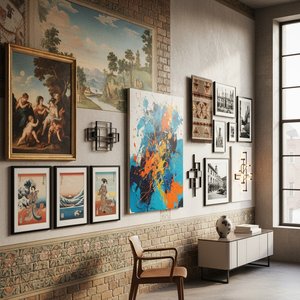
Transforming Spaces: A Comprehensive Exploration of Wall Decor Through Art History & Contemporary Practice
Explore the art of transforming spaces with our comprehensive guide to wall decor. From historical movements to contemporary trends, discover how to curate impactful interiors and commission bespoke artwork for a truly personalized aesthetic.