

 Jaga teost
 Jaga
Jaga
 Detailid
 Õppekate juhend

 Laadi alla
 Sarnased teosed
 Slaidietendus
 Statistika
Writing Table
 Furniture Art
- Decor
- Neoclassicism
 1785
1785- Early Modern
 79.0 x 103.0 cm
 The Frick Collection
 Loe lähemalt
Giclée / Kunstiprint
Muuseumikvaliteediga giclée- või kangasprint kiire tootmisega ja paindlikud viimistlusvõimalused. ( Telli käsitsi maalitud reproduktsioon Ülemineku digitaalse pildi müügi kanalisse)




































Vali meie eelmääratud suurused, mis vastavad teose algupärastele proportsioonidele.

Sisestage vajalik laius ja kõrgus, et see sobiks teie raamile või seinale. Trükki saab ainult lõigata, seda ei saa kunagi pildist suuremaks teha, seega ka differentse vormiga suurus kaotab osa pildist. Enne trükkimist saadame teile kinnitamiseks digitaalse näidisprojektsiooni. Sellel lehel näidatud pilt ei kujuta reaalset lõiget — seda näitab ainult näidisprojekttsioon.
Ülemaailmne tarne () 2 nädala jooksul, tavalise 4/5 nädala asemel. (25 oktoober)

Tasuta ekspresssaatmine üle maailma

Kõrgekvaliteediline lina-kangastest muld

Täielik transpordikindlustus

Tollimaksude tagastamise garantii

Värvitoime täpsuse garantii

100 päeva tagastusõigus (ainult defektide korral)

100% raha tagasi garantii

Hulgusoodustus
 Klaasivalik on saadaval ainult kuni 110 cm suuruses teostes

Writing Table
Giclée / Kunstiprint
Reproduktsiooni mõõtmed
-


Lõppsumma
€ 70
An Intersection of Elegance and Utility
In the quiet, sun-drenched corners of an eighteenth-century chateau, there existed a world of intimate correspondence and whispered secrets. The Writing Table by the legendary German ébéniste Jean-Henri Riesener, dating to approximately 1785, serves as a breathtaking portal into this vanished era of aristocratic refinement. This is not merely a piece of furniture; it is a sculptural masterpiece that embodies the very essence of the Neoclassical movement. Crafted during the height of the Louis XVI style, the table possesses a commanding yet delicate presence, standing as a testament to an age where even the most functional objects were elevated to the status of high art.
The visual impact of the piece is immediate and profound. Set against a deep, nocturnal backdrop, the dark, reddish-brown hues of the polished wood—likely the prized mahogany favored by master cabinetmakers—glow with a warm, inner light. The composition is a masterclass in Neoclassical balance, where the rigid, geometric precision of the rectangular form meets the fluid, organic grace of gilded ornamentation. Every line serves a purpose, guiding the eye across the smooth surfaces to the intricate scrollwork and anthemia motifs that adorn the drawer fronts and feet. It is a dance between strength and fragility, between the structural permanence of the wood and the ethereal shimmer of the gold leaf.
The Mastery of the Ébéniste
To behold this writing table is to witness the unparalleled skill of Jean-Henri Riesener, the craftsman who famously held the title of ébéniste ordinaire du roi. The technique required to achieve such a finish is nothing short of miraculous. Through a meticulous combination of carving, gilding, and lacquering, Riesener transformed raw materials into a symphony of texture. The raised relief of the gilded bronze mounts—or ormolu—creates a tactile landscape that contrasts beautifully with the mirror-like smoothness of the tabletop. One can almost sense the artisan's hand in the way he disguised the structural elements, such as screwheads, beneath delicate foliage, ensuring that nothing interrupted the visual harmony of the design.
While many of his most famous works were commissioned by royalty, including Marie Antoinette, this particular table suggests a more intimate setting. Lacking the expansive drawers or the specialized écritoire compartments found in larger bureau plats, it was likely destined for a private lady’s boudoir or a gentleman's personal study. It speaks of a life lived with intention, where the act of writing a letter was a slow, deliberate ritual of grace. For the modern collector or interior designer, this piece offers more than just aesthetic beauty; it provides a sense of historical continuity and a touch of regal sophistication that can anchor a room with unparalleled prestige.
A Symbol of Timeless Sophistication
Beyond its physical attributes, the table carries a profound symbolic weight. It represents the pinnacle of French decorative arts, a period when craftsmanship was used to communicate status, intellect, and taste. The Neoclassical revival of Greek and Roman motifs—the scrolls, the symmetry, the disciplined geometry—reflects an Enlightenment-era desire for order, clarity, and classical virtue. To possess a reproduction of such a piece is to invite this spirit of structured elegance into a contemporary space.
For those seeking to curate an environment of luxury, the Writing Table serves as an exquisite focal point. Whether placed in a grand library or used as a statement piece in a modern dressing room, its presence evokes an emotional response of awe and tranquility. It is a reminder that true luxury lies in the details—in the way light catches a gilded edge or how a polished surface reflects the world around it. This work remains an enduring icon of design, offering timeless inspiration for anyone who appreciates the intersection of historical narrative and exquisite artistry.
Küsimused ja vastused
Kust saan näha teose "Writing Table" eelvaadet?
Teostest „Writing Table“, autor Jean Henri Riesener eelvaade on saadaval teose Eelvaade lehel.
Kes lõi teose "Writing Table" ja millal?
Jean Henri Riesener loomis teose "Writing Table" aastal 1785.
Millissele etapile Jean Henri Riesener karjääris kuulub teos "Writing Table" (1785)?
Aasta 1785 asetab teose "Writing Table" Jean Henri Riesener loomingulise arengu perioodi Mature Period etappusesse.
Sarnased artiklid

Jacques-Louis David: Neoclassical Ideals & Revolutionary Witness
Explore the life & art of Jacques-Louis David, leading Neoclassical painter of the French Revolution. Discover iconic works like 'The Death of Marat' and his lasting impact on art history. Expert analysis & high-quality reproductions at OriginalUniqueArt.
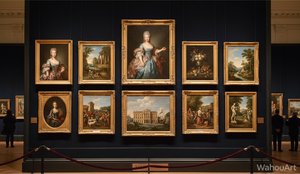
18th Century Masters: 10 Artworks That Define an Era | OriginalUniqueArt
Journey through 18th century art! Explore 10 iconic paintings – from Rococo elegance to Neoclassical grandeur. Discover Fragonard, David & more. Find museum-quality reproductions and elevate your home decor on OriginalUniqueArt.com.

Neoklassitsismi 10 Meisterteost: Kunsti ja Disaini Klassikud
Avasta neoklassitsismi 10 silmapaistvat meistriteost! David, Canova jt legendid – kunstiajaloo klassikud. Tutvu lugudega, tehnikatega ja leid inspiratsiooni oma koduks. Kvaliteetsed kunstireproduktsioonid OriginalUniqueArt.com-ilt! Uuri täielik kollektsioon veebis.

Reflecting Nobility & Nuance: 18th-Century Portraiture as a Window into Societal Values
Explore the world of 18th-century portraiture with OriginalUniqueArt. Discover symbolism, artistic innovation & societal values reflected in masterpieces by Reynolds, Hogarth & more. Expert insights for collectors.

Reflections of an Age: Social Commentary & Artistic Representation in 18th-Century Society
Explore the social commentary & artistic representation of 18th-century society. Discover Rococo masterpieces, portraiture's power, and shifting historical perspectives. Expert insights for art lovers.