

 Eelvaade
 Saada
Saada Jaga
Jaga
 Teave teose kohta
 Juhend

 Laadi alla
 Sarnased teosed
 Röntgenuuring
 Slaidietendus
 Statistika
Diane and the Stag
 Acrylic On Canvas
- WallArt
- Mannerist Sculpture
 1550
1550 211.0 x 258.0 cm
 Louvre'i muuseum
 Loe lähemalt
Giclée / Kunstiprint
Muuseumikvaliteediga giclée- või kangasprint kiire tootmisega ja paindlikud viimistlusvõimalused. ( Osta käsitsi maalatud teos Lülita digitaalse pildi juurde)




P118B €10

P118H €10

P118W €10

P438Z €10

P508JH €12

P508YH €12

P805H €10

P805Z €10

P919BZ €10

P919G €10

P919XJ €10

P959ZH €10

P968JZ €12

W106C €8

W218G €10

W218JH €8

W218Y €10

W307PJ €10

W316G €10

W316PJ €8

W316Y €10

W398PJ €8

W4111J €10

W500HY €15

W500JH €15

W692G €12

W849H €8

W940BG €15

W953PJ €8




Vali meie eelmääratud suurused, mis vastavad teose algupärastele proportsioonidele.

Sisestage vajalik laius ja kõrgus, et see sobiks teie raamile või seinale. Trükki saab ainult lõigata, seda ei saa kunagi pildist suuremaks teha, seega ka erineva mustega suurus kaotab osa pildist. Enne trükkimist saadame teile kinnitamiseks digitaalse näidisprojektsiooni. Sellel lehel näidatud pilt ei kujuta reaalset lõiget — seda näitab ainult näidisprojektsioon.
Ülemaailmne tarne () 2 nädala jooksul, tavalise 4/5 nädala asemel. (28 oktoober)

Tasuta ekspresssaatmine üle maailma

Kõrgekvaliteediline lina-kangas

Täielik transpordikindlustus

Tollimaksude tagastamise garantii

Värvitoime täpsuse garantii

100 päeva tagastusõigus (ainult valmistusdefektide korral)

100% raha tagasi garantii

Hulgusoodustus
 Klaasivalik on saadaval ainult kuni 110 cm suuruses teostes

Diane and the Stag
Giclée / Kunstiprint
Reproduktsiooni suurus
-


Koguhind
€ 70
The Enigmatic Huntress: Jean Goujon’s “Diane and the Stag”
Jean Goujon's "Diane and the Stag," painted around 1550, isn't merely a depiction of a hunt; it’s a carefully constructed tableau brimming with allegorical weight and Renaissance grace. The painting immediately draws the eye to its central figure: Diane, the Roman goddess of the hunt, rendered in exquisite detail against a subtly textured background. She sits poised on a simple pedestal, her posture radiating both strength and serene contemplation – a captivating blend of predatory instinct and contemplative awareness. The deer at her feet aren’t passive victims; they possess an alert, almost intelligent gaze, suggesting a complex relationship between hunter and hunted, predator and prey. The composition isn't chaotic; rather, it’s meticulously balanced, reflecting the humanist ideals that were blossoming during the High Renaissance.
Goujon’s mastery lies in his ability to infuse classical motifs with a distinctly Mannerist sensibility. Notice the elongated forms of Diane’s limbs and the delicate drapery cascading around her – hallmarks of this style, which prioritized elegance and stylized movement over strict realism. The use of light is particularly noteworthy; it's diffused and atmospheric, creating a sense of depth and mystery within the scene. The muted palette—earth tones punctuated by subtle hints of crimson—contributes to the painting’s overall mood of quiet intensity.
A Tapestry of Symbolism
Beyond its aesthetic beauty, “Diane and the Stag” is rich in symbolic meaning. Diane herself represents not just the hunt but also chastity, virtue, and the wildness of nature. The stag, a frequent symbol in Renaissance art, embodies nobility, strength, and even sacrifice – qualities often associated with Diana’s role as a protector of young women. The two antlers above her head are particularly intriguing; they could be interpreted as representations of a goat or even a stylized depiction of the moon, adding layers of mythological allusion to the scene. The inclusion of the deer at her feet isn't simply decorative; it underscores the cyclical nature of life and death, mirroring the hunt’s inherent drama.
Furthermore, the painting can be viewed as an allegory for the human condition – a meditation on themes of control versus instinct, beauty versus brutality. Diane’s deliberate stance suggests a mastery over her surroundings, yet the presence of the deer reminds us of our vulnerability and dependence on the natural world. It's a delicate dance between power and submission, order and chaos.
Craftsmanship and Context
Goujon was one of the most prominent sculptors and architects of his time, working primarily in Rouen and later in Paris. His career coincided with a period of immense artistic innovation, as French art moved away from the rigid conventions of the Gothic era and embraced the dynamism and expressive qualities of the Renaissance. “Diane and the Stag” exemplifies this transition, showcasing Goujon’s ability to synthesize classical influences with his own unique style.
The painting was likely commissioned for a private patron, perhaps a wealthy nobleman or member of the court. The subject matter—a hunt scene—was popular during the Renaissance, reflecting the aristocratic pursuit of sport and the idealized vision of nature as a source of pleasure and prestige. It’s believed to have been part of a larger decorative scheme within a lavish interior, adding a touch of elegance and sophistication to its surroundings.
A Legacy of Elegance
“Diane and the Stag” remains a captivating work of art, offering viewers a glimpse into the artistic sensibilities of the High Renaissance. Its masterful composition, evocative symbolism, and exquisite craftsmanship continue to resonate today, inspiring admiration for Goujon’s skill and vision. Reproductions of this painting capture not only its visual beauty but also the profound depth of meaning embedded within its intricate details – a timeless testament to the enduring power of art to illuminate the human experience.
Korduvad küsimused
Millist emotsiooni edastab Mannerist Sculpture suunaga teos "Diane and the Stag"?
"Diane and the Stag" kannab endas Romantic emotsionaalset toonist, mis on omane Mannerist Sculpture suunale.
Mis on teose „Diane and the Stag“, autor Jean Goujon loomisaeg ja stiil?
Teos „Diane and the Stag“, autor Jean Goujon on pärinev aastast 1550 ning kuulub suunale Mannerist Sculpture.
Millisesse ruumi on „Diane and the Stag“, autor Jean Goujon soovituslik paigutada?
Teose „Diane and the Stag“, autor Jean Goujon paigutamiseks on soovitatav kasutada ruumi Living Room. See soovituse on tehtud teose sisu, värvide ja meeleolu põhjal.
Kunstniku elulugu
Skulptor, kes lõi Pariisi elegantsuse
Jean Goujon (u 1510 – u 1567) seisab Prantsuse renessanssi skulptuuri ja arhitektuuri nurgakivina, kehastades maniirismi stiililistut põletust, samas kui ta püsib kindlalt klassikalistel alustel. Kuigi tema varajane elu Normandiassa on jäänud hämarusse, tõi tema viljakas loomingu teda kiiresti ühe ajastu esdamale kunstiliseks hääleks – see on tunnistus tema hiigulise talenti ja vankumatuse pühendumuse vastu käsitööle. Goujoni kunstiline teekond sai alguse vormivatele kogemustele Itaalias, kus ta imeles endasse Rooma skulptuuri suurmeediusest ning integreeris selle põhimõtted oma eripärasse stiili. See mõju on kättesaadav kogu tema loomingulises varas, eriti selgelt nähtavana tema meistraluses kangaste kuju loomisel ja anatomilises täpsuses.
Tema kunstiline tõus algas Rouen'i katedraalis (1541-42), kus ta võttis enda ette monumentaalsete ülesande, luua Louis de Brézé, Anet'i señeur, hauat monument – tellitus, mis demonstreeris tema kasvavat oskust ja ambitsiooni. See suurepärane projekt kinnistas tema mainet tõusva tähena Prantsuse skulptuurimaastikul. Samal ajal teritas ta oma arhitektuurilist võimekust Saint-Maclou kirikus, demonstreerides loomulikku võimet ühendada kunstiline visioon ja ehituslik täpsus. Sündinud hoone seisab renessanssi kirikaarhitektuuri suurepärasena näitel, peegeldades Goujoni pühendumust nii esteetilisele ilule kui ka funktsionaalsele tervikule.
Visionääriline suurmeelus koostöö
Siirudes Pariisi 1544. aastal, astus Goujon sisse murdelikku koostöösse Pierre Lescotiga, arhitektiga, kes juhtis Saint-Germain-l'Auxerrois katedraali ambitsioosset taastamist. Koos nad loodid ja teostasid hinget maastavaid skulptuurseid dekoratsioone – kõige silmapaistvam on pulpiit –, mis on meistriteos, mis illustreerib Lescoti neoklassikalisi tundeid ja Goujoni oskuslikku kangete töötlemist. See koostööperiood määras Prantsuse renessanssi visuaalse keele, kuna Goujon hakkas andma kivile voolava liikumise ja eeterilise ilu tunnet.
Tema mõju kõrgeim peakõrgus on kättesaadav ehk kõige nähtavam tema panuses Louvre'i. Tema töö Cour Carrée façaadil (Lescot'i tiivl) on ikooniline saavutus, mis näitab klassikalist elegantsi läbi keeruliste uurenduste, peegeldades Prantsuse kunstilist briljantsust. Nendes teostes saab vaadata valgusest ja varjust peenut mängu skulptuuritud kujude peal, mis on tema võime tunnust, tuua elu külma marmorisse. Tema meistralus ulatus ka Louvre'i façaadini (detail), kus tema suurepärane täpsus detailides lõi maniirstilise stiili meistriteose, ühendades klassikalise elegantsi keeruliste uurendustega, mis köidavad vaatajat centuries pärast.
Ilu ja klassikalise vormi pärand
Goujoni pärandi määrab võõdamatu võime ühendada maniirismi pingelust klassitsimi rahulikusega. Tema skulptuurid sisaldavad sageli nümfe ja allegorilisi kujusid, mis näivad arhitektuurses keskkonnas uimastavalt ujuv, tehnikat, mis sai kõige kuulsamaks tema Kariatid ehk kariatid loomas. Need kümme meistrilikku kujutist esitavad 16. sajandi Prantsuse renessanssi skulptuuri tipppunkti, tuues vaatajale klassikalise suurepidususe ja sofisteeritud elegantsi tunnet. Nende teoste kaudu ei dekoratiirinud Goujon vaid hooneid; ta lõi Prantsuse esteetilise rafineerumuse enda õigese identiteedi.
Tema töö ajaloolist tähtsust ei saa ümarate sõnadega väljendada, kuna tema lähenemine anatomiale ja kangete loomisele mõjutas põlvkondade kaupa Euroopa kunstnikke. Tema võime muuta raske kivi voolavaks, rütmiliseks vormiks kehtistas Prantsuse klassitsimi standardi, mis püsis elus veel kaua pärast tema surma. Täna on tema geniaalsuse jääned – alates Louvre'i tiivlite keerulistest detailidest kuni tema sügavast mõjust arhitektuursele kaunistusele – püsiv tõekinnitus mehest, kes tõeliselt lõi Pariisi elegantsi.

Jean Goujon
1510 - 1567 , Prantsusmaa
Lühikest infot
- Artistic Movement Or Style: Mannerism
- Artists Or Movements Influenced By This Artist: ['Prantsuse klassitsism']
- Artists Who Influenced This Artist: ['Michelangelo']
- Date Of Birth: u 1510 Normandy, Prantsus
- Date Of Death: u 1567
- Full Name: Jean Goujon
- Nationality: Prantsus
- Notable Artworks:
- Nümfid (detail)
- Pietà
- Sõda ja rahu
- Fontaine des Innocents
- Louvre'i skulptuurid
- Place Of Birth: Normandie, Prantsus
Sarnased artiklid

Bronze Age to Modern Masters: 10 Sculptures That Redefined Art | OriginalUniqueArt
Journey through art history with 10 legendary bronze sculptures – from Michelangelo's David to Rodin’s Thinker. Explore the stories, techniques & timeless beauty of these masterpieces. Find museum-quality reproductions & elevate your home decor on OriginalUniqueArt.com.

The Enduring Form: Sculpture Across History, Technique & Emotional Resonance
Explore the rich history of sculpture with OriginalUniqueArt. Discover key techniques, influential artists & investment potential for discerning collectors. Expert insights into valuing and collecting timeless masterpieces.
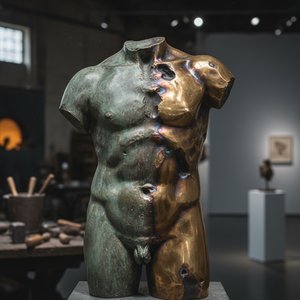
Pronksi Skulptuuride Püsiv Pärand: Ajalugu, Tehnikad ja Kaasaegsed Interpretatsioonid
Avastage pronksivalu rikkalik ajalugu ja tehnikaid! Lugege meie eksperdiartiklit pronksi skulptuuride kollektsioneerimisest, hindamisest ja kaasaegsetest interpretatsioonidest. Lisaks tutvume "Pronksivalu" muusikali taustaga.

Bronze Sculptures That Defined Art History | OriginalUniqueArt
Journey through art history with our Top 10 bronze sculptures! Explore masterpieces by Rodin, Michelangelo & more. Discover stories behind iconic statues and find museum-quality reproductions for your home decor at OriginalUniqueArt.com.

The Enduring Form: Exploring Themes & Techniques in Sculpture Across Historical Periods
Explore the rich history of sculpture from ancient masterpieces to contemporary innovations. Discover key techniques, influential artists & investment potential for discerning art collectors.