
 Eelvaade
 Saada
Saada Jaga
Jaga
 Teave teose kohta
 Juhend

 Laadi alla
 Sarnased teosed
 Röntgenuuring
 Slaidietendus
 Q&A
Q&A Statistika
Small head

- 22.0 x 27.0 cm


 Loe lähemalt
Sellel lehel kuvatav kunstiteos on kaitstud autoriõigusega, mis tähendab, et meil ei ole seaduslikku õigust luua või müüa identset reproduktsiooni. Seda kaitset rakendatakse rahvusvaheliste kokkulepete alusel, nagu näiteks Berne konventsioon ning riiklike seadustega, sealhulgas nendega, mida on sätestatud USA autoriõiguse seadus – 17. peatükk.
See meetod järgib täielikult autoriõiguse reegleid, kuna see ei põhine kaitstud kunstiteose kopeerimisel või dupliteerimisel. Selle asemel on tegu loova reinterpreetatsiooniga – uue maaldisega, mis on algteosest inspireeritud, kuid ei ole sellest identiline.
Giclée / Kunstiprint
Muuseumikvaliteediga giclée- või kangasprint kiire tootmisega ja paindlikud viimistlusvõimalused. ( Osta käsitsi maalatud teos Lülita digitaalse pildi juurde)




































Vali meie eelmääratud suurused, mis vastavad teose algupärastele proportsioonidele.

Sisestage vajalik laius ja kõrgus, et see sobiks teie raamile või seinale. Trükki saab ainult lõigata, seda ei saa kunagi pildist suuremaks teha, seega ka erineva mustega suurus kaotab osa pildist. Enne trükkimist saadame teile kinnitamiseks digitaalse näidisprojektsiooni. Sellel lehel näidatud pilt ei kujuta reaalset lõiget — seda näitab ainult näidisprojektsioon.
Ülemaailmne tarne () 2 nädala jooksul, tavalise 4/5 nädala asemel. (1 november)

Tasuta ekspresssaatmine üle maailma

Kõrgekvaliteediline lina-kangas

Täielik transpordikindlustus

Tollimaksude tagastamise garantii

Värvitoime täpsuse garantii

100 päeva tagastusõigus (ainult valmistusdefektide korral)

100% raha tagasi garantii

Hulgusoodustus
 Klaasivalik on saadaval ainult kuni 110 cm suuruses teostes

Small head
Giclée / Kunstiprint
Reproduktsiooni suurus
-


Koguhind
€ 71
A Tactile Encounter with Form and Color
In the evocative realm of mid-century abstraction, Jean Fautrier’s Small head stands as a profound testament to the power of texture and the visceral nature of paint. Created in 1956, this intimate work invites the viewer into a sensory dialogue where the boundaries between subject and medium begin to dissolve. At first glance, the eye is drawn to the central figure—a singular, small head that emerges from the canvas with an almost sculptural presence. The piece is characterized by its remarkable impasto technique, where the paint is applied with such density that it mimics the qualities of clay or earth. This tactile approach transforms the two-dimensional surface into a three-dimensional landscape, making the artwork not just something to be seen, but something to be felt through the eyes.
The color palette of this masterpiece is a study in striking contrasts and emotional depth. The head itself is rendered in soft, fleshy pink tones, suggesting a vulnerability and organic life. This delicate hue is set against a backdrop of deep, pulsating reds that envelop the central form. This juxtaposition creates a rhythmic tension; the warmth of the red background pushes the pink subject forward, creating a sense of emergence or perhaps even an emergence from a primal, elemental state. The interplay between these warm tones evokes a feeling of heat and vitality, yet there is an underlying stillness to the composition that commands a quiet, contemplative respect.
The Mastery of Materiality and Emotion
To understand Small head, one must delve into Fautrier’s unique approach to the materiality of art. As a key figure in the post-war European art scene, Fautrier moved away from traditional representation toward a more "informel" style, where the physical substance of the paint carries as much meaning as the image itself. In this work, the texture is not merely a decorative element; it is the very soul of the piece. The rugged, uneven surface captures light and shadow in a way that changes depending on the viewer's perspective, lending the artwork a living, breathing quality. For the collector or interior designer, this provides an unparalleled level of visual interest, as the painting offers new discoveries with every glance.
Beyond its technical brilliance, the piece carries a profound emotional weight. The isolation of the small head within the vast, crimson expanse can be interpreted as a symbol of the individual's existence within the broader, often overwhelming, universe. It speaks to themes of solitude, resilience, and the fundamental essence of being. This duality—the fragility of the pink form against the intensity of the red void—makes it an incredibly evocative piece for any curated space. Whether placed in a minimalist modern gallery or as a bold focal point in a sophisticated residential interior, Small head serves as a conversation starter, bridging the gap between historical abstraction and contemporary emotional resonance.
Korduvad küsimused
Millisesse ruumi on teose „Small head“, autor Jean Fautrier värvide tõttu soovituslik paigutada?
Olles värvipalett Neutrals, on teos „Small head“, autor Jean Fautrier soovitatav ruumideks Studio Apartment. Just needistlikud toonid on üks põhjuseid selle soovituse taga.
Milline kunstnik ja milline stiil seisavad teose "Small head" taga?
Jean Fautrier lõi teose "Small head" Tachisme suunaga.
Mis on originaalteose „Small head“, autor Jean Fautrier tehnika ja suurus?
Teos "Small head" on valmistatud tehnikas Painting ja mõõdud on algses vormis 22 x 27 cm.
Kunstniku elulugu
The Tactile Soul of Abstraction
Jean Fautrier stands as a monumental figure in the landscape of mid-century abstraction, a painter whose work transcends mere visual representation to become a visceral, sensory experience. Born in Paris, France, his early life was marked by profound personal loss, having lost both his father and grandmother in 1908. This early encounter with fragility perhaps foreshadowed the emotional depth found in his later masterpieces. Seeking new horizons, he moved to London, where he began his formal artistic journey at the Royal Academy of Arts. However, finding the traditional instruction too rigid for his burgeoning spirit, he briefly turned to the Slade School before deciding to embark on the path of a self-taught master, finding far greater inspiration in the evocative works housed within the Tate Gallery.
His artistic evolution is a journey from the structured world of classical training toward the raw, unbridled energy of Tachisme and Art Informel. Fautrier’s work is famously characterized by his invention of haute pâte, or high paste, a technique that replaced traditional oil methods with thick, sculptural constructions. In this approach, the paint is not merely a medium for color but a physical substance—a dense, impasto layer that mimics the qualities of clay or earth. This tactile mastery transforms the canvas into a three-dimensional landscape where the boundaries between subject and material dissolve, inviting the viewer to feel the artwork through their eyes.
Shadows of History and the Human Condition
The historical weight of the twentieth century is deeply embedded in Fautrier’s oeuvre. During the tumultuous years of World War II, Fautrier participated in the French Resistance alongside figures like André Malraux, an experience that profoundly shaped his creative output. His celebrated Otages series serves as a haunting response to the atrocities of the era, utilizing dark, evocative tones to process themes of violence and suffering. In these works, he moved away from traditional representation toward a style where the physical substance of the paint carries the weight of human tragedy.
Beyond the darkness of war, Fautrier’s later works explored a different kind of intensity through light, form, and color. His ability to balance the macabre with the beautiful is evident in his diverse range of subjects:
- The Otages Series: A powerful exploration of duality and emotion, often utilizing black and white palettes to evoke the gravity of wartime experience.
- Nature and Form: Landscapes, nudes, and even animal carcasses were rendered with a focus on organic life and vulnerability.
- Late Abstractions: Works such as Small head demonstrate his mastery of color, using fleshy pinks and pulsating reds to create a sense of emergence from a primal state.
Fautrier’s legacy remains that of a pioneer who challenged the very concept of the unique art object through his Originaux multiples—hand-painted lithographs that blurred the lines between original and reproduction. Through his dedication to the materiality of paint, he ensured that his place in the history of modernism would be defined by an enduring, tactile connection to the human experience.

Jean Fautrier
1898 - 1964 , France
Lühikest infot
- Artistic Movement Or Style: Tachisme, Art Informel
- Artists Who Influenced This Artist: ['J. M. W. Turner']
- Full Name: Jean Fautrier
- Nationality: French
- Notable Artworks:
- Small head
- Otages fond noir
- Dépouille
- Place Of Birth: Paris, France
- Date Of Birth: 1898
- Date Of Death: 1964
Sarnased artiklid
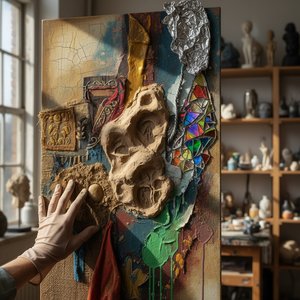
The Tactile Canvas: Exploring Texture as Subject, Materiality & Meaning in Art History
Explore the rich history of texture in art! Discover how artists from Van Gogh to contemporary masters use materiality & technique to create captivating tactile experiences. Deepen your art appreciation with OriginalUniqueArt.
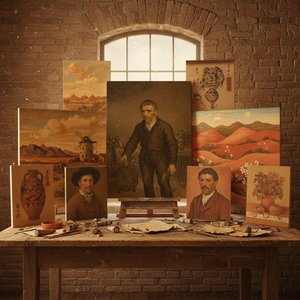
Earthy Hues & Masterpieces: Top 10 Paintings Dominated by Clay Tones |
Explore 10 iconic paintings dominated by rich clay tones – from Rembrandt's warmth to Van Gogh’s earthy landscapes. Discover art history, techniques & find museum-quality reproductions at . Explore the full collection online!

Mark Rothko 25 Parimat Teost: Emotsionaalsed Värvid ja Sügav Sisu | OriginalUniqueArt
Avastage Mark Rothko 25 parimat teost! Sukelduge ekspressionismi sügavustesse, emotsionaalsetesse värvimaalid ja kunstniku lugudesse. Leidke täiuslik seinakaunistus OriginalUniqueArt.com-ist – kvaliteetsed reproduktsioonid ja interjööride inspiratsioon.
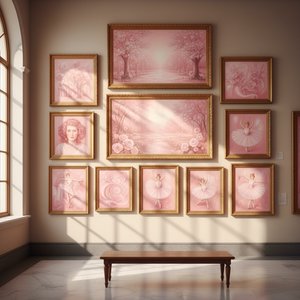
Blush & Brilliance: 10 Iconic Paintings Dominated by Light Pink Tones |
Explore 10 iconic paintings bathed in captivating light pink tones! From Monet's Impressionism to Renoir’s romance, discover the stories behind these blush-hued masterpieces. Find museum-quality art reproductions & decor inspiration at .

Crimson Threads of Narrative: Exploring Symbolism & Representation in Artworks Featuring the Red Dress
Explore the rich symbolism of the red dress in art history! From ancient power displays to iconic portraits like Cézanne’s 'Madame Cezanne', discover the cultural and artistic significance behind this captivating color. Expert analysis & insights.