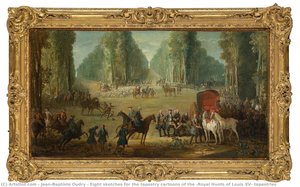
Vaata sisu
 Jaga teost
 Jaga
Jaga
 Detailid
 Õppekate juhend

 Laadi alla
 Sarnased teosed
 Röntgenuuring
 Slaidietendus
 Statistika
Dog Pointing a Partridge
 Acrylic On Canvas
- WallArt
- Rococo
 1725
1725 129.0 x 162.0 cm
 Hermitage muuseum
 Loe lähemalt
Giclée / Kunstiprint
Muuseumikvaliteediga giclée- või kangasprint kiire tootmisega ja paindlikud viimistlusvõimalused. ( Telli käsitsi maalitud reproduktsioon Ülemineku digitaalse pildi müügi kanalisse)




P118B €10

P118H €10

P118W €10

P438Z €10

P508JH €12

P508YH €12

P805H €10

P805Z €10

P919BZ €10

P919G €10

P919XJ €10

P959ZH €10

P968JZ €12

W106C €8

W218G €10

W218JH €8

W218Y €10

W307PJ €10

W316G €10

W316PJ €8

W316Y €10

W398PJ €8

W4111J €10

W500HY €15

W500JH €15

W692G €12

W849H €8

W940BG €15

W953PJ €8




Vali meie eelmääratud suurused, mis vastavad teose algupärastele proportsioonidele.

Sisestage vajalik laius ja kõrgus, et see sobiks teie raamile või seinale. Trükki saab ainult lõigata, seda ei saa kunagi pildist suuremaks teha, seega ka differentse vormiga suurus kaotab osa pildist. Enne trükkimist saadame teile kinnitamiseks digitaalse näidisprojektsiooni. Sellel lehel näidatud pilt ei kujuta reaalset lõiget — seda näitab ainult näidisprojekttsioon.
Ülemaailmne tarne () 2 nädala jooksul, tavalise 4/5 nädala asemel. (22 oktoober)

Tasuta ekspresssaatmine üle maailma

Kõrgekvaliteediline lina-kangastest muld

Täielik transpordikindlustus

Tollimaksude tagastamise garantii

Värvitoime täpsuse garantii

100 päeva tagastusõigus (ainult defektide korral)

100% raha tagasi garantii

Hulgusoodustus
 Klaasivalik on saadaval ainult kuni 110 cm suuruses teostes

Dog Pointing a Partridge
Giclée / Kunstiprint
Reproduktsiooni mõõtmed
-


Lõppsumma
€ 70
A Moment of Focused Grace: Oudry’s “Dog Pointing a Partridge”
Jean-Baptiste Oudry's "Dog Pointing a Partridge," painted in 1725, isn’t merely a depiction of a hunt; it’s a distillation of the Rococo spirit – an elegant tableau capturing a fleeting moment of intense concentration and the harmonious relationship between man and animal. The painting immediately draws the eye to the dog, a magnificent specimen of the Pointer breed, utterly absorbed in its task. Its head is lowered, tail held high in anticipation, and posture radiating unwavering focus. This isn’t a clumsy or frantic pursuit; it's a controlled, almost meditative state, suggesting an innate understanding of scent and instinct. The Partridge, perched delicately amongst the grasses, becomes a secondary subject, almost a reward for this dedicated vigilance.
The Rococo Palette and Precise Observation
Oudry’s mastery lies in his meticulous observation and the skillful application of Rococo techniques. The painting is rendered in a remarkably detailed black and white, emphasizing form and texture rather than relying on vibrant color. This monochrome palette was common for hunting scenes at the time, allowing Oudry to concentrate on capturing the nuances of light and shadow – the way it falls across the dog’s fur, the delicate details of the bird's plumage, and the undulating surface of the grass. The brushstrokes are smooth and refined, contributing to a sense of serenity and control. Notice how he uses subtle gradations of tone to create depth and volume, particularly in the dog’s musculature and the surrounding foliage. The composition itself is carefully balanced, with the elements arranged to guide the viewer's eye through the scene – from the rock at the foreground, up to the bird and then back down to the dog.
- Technique: Oil on canvas, demonstrating Oudry’s command of chiaroscuro (light and shadow).
- Composition: Balanced arrangement drawing the eye through the scene.
- Brushwork: Smooth, refined strokes contributing to a sense of serenity.
A Royal Pursuit and Aristocratic Leisure
“Dog Pointing a Partridge” reflects the aristocratic pursuits of 18th-century France, specifically the royal hunt. These scenes weren’t simply records of hunting expeditions; they were carefully constructed displays of wealth, skill, and social status. Oudry was commissioned by figures like Noël-Antoine de Mérou, director of the Royal Beauvais Tapestry Manufactory, to create designs for tapestries depicting similar hunts – a testament to their popularity and importance within courtly life. The painting embodies the Rococo fascination with leisure, elegance, and the idealized depiction of aristocratic pursuits. The dog’s posture speaks volumes about the values of the time: loyalty, discipline, and an appreciation for the natural world—all carefully curated and presented for a discerning audience.
Symbolism and Emotional Resonance
Beyond its technical brilliance, the painting holds symbolic weight. The dog represents not just a hunting tool but also a companion – a loyal friend engaged in a shared activity. The Partridge, often associated with fertility and renewal, adds another layer of meaning to the scene. The overall effect is one of quiet grace and focused intensity. It’s a moment frozen in time, capturing the beauty of nature and the harmonious relationship between man and animal—a timeless image that continues to resonate with viewers today. Reproductions allow us to appreciate Oudry's skill and bring this elegant scene into our own homes, offering a glimpse into the refined world of 18th-century French aristocracy.
Küsimused ja vastused
Kuidas tehnika ja stiil teoses "Dog Pointing a Partridge" kokku saavad?
Teos "Dog Pointing a Partridge" on valmistatud tehnikas Acrylic On Canvas ja kuulub Rococo stiilile.
Millist trükkimisviisi soovitatakse teosele „Dog Pointing a Partridge“, autor Jean-Baptiste Oudry?
Teose „Dog Pointing a Partridge“, autor Jean-Baptiste Oudry trükkimiseks on soovitatav kasutada suurust Medium ja orientatsiooni Landscape.
Kas teosel "Dog Pointing a Partridge" on lisatud reaalsete elementidega (AR) eelvaade?
Teose „Dog Pointing a Partridge“, autor Jean-Baptiste Oudry leht AR-eelvaade kasutab täiendatud reaalset, et näidata teost ühilduva seadme abil teie enda ruumis.
Kunstniku elulugu
Jean-Baptiste Oudry: Elu kunstis
Varajased aastad ja õppimine
- Sündis: 17. märts 1686, Pariis, Prantsusmaa.
- Oudry sündis kunstilises peres; tema isa Jacques Oudry oli maalari ja kunstikaupleja. Tema ema Nicole Papillon oli sugulane graveerija Jean-Baptiste-Michel Papilloniga.
- Ta alustas oma õppeteeklust Rokokoo poole, mida iseloomustavad elegants, naturalism ning aristokraatliku elu ja vabaaja mänguline kujutamine.
- Oudry hoolikus tähelepanu detailidele ning tema võime tabada loomade tekstureid ja omadusi muutusid tema töö kaubamärkideks.
- Ta demonstreeris meistriannust nii maalis kui ka disainis, sujuvalt ülemineks liaisest kangastest tapetsertide loomisele.
Olulised saavutused ja märkimistekündvad teosed
- See maalat는 kinnistas Oudry famaatsust kui kuningliku jahid looma ametlik maalari. See on suurepärane näide tema oskusest kujutada nii jahipidamise hiilgus kui ka looduslik keskkond.
- Nicolas de Largillière mängis Oudry varases kunstilises arengus võtmatut rolli, pakkudes aluslikku koolitust portreemalimil ja tehnikas.
- Oudry töö mõjutas järgmisi põlvkondi loomamaalide ja tapetsertide disainerite seas. Tema naturalistlik stiil ja tähelepanelikk detailide suhtes pani uue standardi metsloomade kujutamisele.
- Ta panustas oluliselt Prantsuse õukonna dekoratiivkunsti, luues luksuslikke tapetsertide, mis ehtisid kuninglikke elamusi.
Ajalooline tähendus
- Oudry teosed pakuvad väärtuslikku vaadet 18. sajandi aristokraatlikule elule ja jahipidamise olulisusele Prantsuse aadli meelastusena.
- Tema tapetsertideid peetakse Prantsuse dekoratiivkunsti meistriteosteks, mis näitavad selle ajastu tehnilist oskust ja kunstilist loovust.
- Teda nimetati prestiižsetele ametikohtadele Académie Royale de Peinture et de Sculpture sises, mis tõostis tema tunnustamist kui oma aja juhtivana kunstina.

Jean-Baptiste Oudry
1686 - 1755 , Prantsusmaa
Lühikest infot
- Birth Date: 17. märts 1686
- Birth Place: Pariis, Prantsusmaa
- Death Date: 30. aprill 1755
- Influenced: Nihil
- Influenced By: Nicolas de Largillière
- Movement: Rokokoo
- Name: Jean-Baptiste Oudry
- Nationality: Prantsuslane
- Notable Works:
- Pastoraalsed meelдотоd
- Louis XV jahistamas põdre Saint-Germaini metsassa
Sarnased artiklid
Loomade sümboolika kunstis ja interjöörides: Ajalooline mõju ruumikujundusele
Avastage loomade rikkalik sümboolika kunstis ja interjöörides! Ajaloolised tähendused, erinevad ajastud ning mõju ruumikujundusele. Eksperdi nõuanded OriginalUniqueArt-lt.
The Pursuit of Power & Prestige: Hunting Scenes in Western Art
Explore the rich history of hunting scenes in Western art, from royal pursuits to powerful allegories. Discover masterpieces & expert insights for discerning collectors. OriginalUniqueArt offers museum-quality reproductions.

RoKokoo: 10 Meisterteost, Mis Määritsesid Kunstisuundi | OriginalUniqueArt
Sukeldu RoKokoo maailma! Avasta 10 meistriteost, mis defineerisid kunstisuunda – prantsuse kunstnikud, kuldsed toonid ja luksuslik interjöör. Tutvu lugudega legendaarsete teoste taga & leia inspiratsiooni OriginalUniqueArt.com-ilt!
Beastly Brushstrokes: A Historical Journey Through Animal Painting & Aesthetic Movements
Explore the rich history of animal painting across cultures & movements. Discover iconic artists, symbolism, collecting trends & expert art consultation at OriginalUniqueArt.com.

The Rococo Aesthetic: Opulence, Rebellion & the Pursuit of Pleasure in 18th-Century Art
Explore the opulent world of Rococo art! Discover its origins, key artists like Watteau & Boucher, and lasting influence on design. Expert insights for collectors & enthusiasts.