
 Eelvaade
 Saada
Saada Jaga
Jaga
 Teave teose kohta
 Juhend

 Laadi alla
 Sarnased teosed
 Röntgenuuring
 Slaidietendus
 KÜSIMUSED JA VASTUSID
 Statistika
Flower Piece

- 113.0 x 88.0 cm


 Loe lähemalt
Giclée / Kunstiprint
Muuseumikvaliteediga giclée- või kangasprint kiire tootmisega ja paindlikud viimistlusvõimalused. ( Osta käsitsi maalatud teos Lülita digitaalse pildi juurde)




P118B €10

P118H €10

P118W €10

P438Z €10

P508JH €12

P508YH €12

P805H €10

P805Z €10

P919BZ €10

P919G €10

P919XJ €10

P959ZH €10

P968JZ €12

W106C €8

W218G €10

W218JH €8

W218Y €10

W307PJ €10

W316G €10

W316PJ €8

W316Y €10

W398PJ €8

W4111J €10

W500HY €15

W500JH €15

W692G €12

W849H €8

W940BG €15

W953PJ €8




Vali meie eelmääratud suurused, mis vastavad teose algupärastele proportsioonidele.

Sisestage vajalik laius ja kõrgus, et see sobiks teie raamile või seinale. Trükki saab ainult lõigata, seda ei saa kunagi pildist suuremaks teha, seega ka erineva mustega suurus kaotab osa pildist. Enne trükkimist saadame teile kinnitamiseks digitaalse näidisprojektsiooni. Sellel lehel näidatud pilt ei kujuta reaalset lõiget — seda näitab ainult näidisprojektsioon.
Ülemaailmne tarne () 2 nädala jooksul, tavalise 4/5 nädala asemel. (5 november)

Tasuta ekspresssaatmine üle maailma

Kõrgekvaliteediline lina-kangas

Täielik transpordikindlustus

Tollimaksude tagastamise garantii

Värvitoime täpsuse garantii

100 päeva tagastusõigus (ainult valmistusdefektide korral)

100% raha tagasi garantii

Hulgusoodustus
 Klaasivalik on saadaval ainult kuni 110 cm suuruses teostes

Flower Piece
Giclée / Kunstiprint
Reproduktsiooni suurus
-


Koguhind
€ 72
A Symphony in Bloom: Jean-Baptiste Monnoyer’s “Flower Piece”
Jean-Baptiste Monnoyer's "Flower Piece," painted circa 1690, is more than just a still life; it’s a meticulously crafted tableau of opulent beauty and Baroque drama. This captivating work transports the viewer to a world of luxurious abundance, where vibrant blossoms and rich textures converge within an intricately designed vase. The painting, now housed at Bristol Museums, Galleries & Archives, offers a glimpse into the refined tastes of 17th-century French aristocracy and reveals Monnoyer’s mastery of light, color, and composition – skills honed during his formative years working for Charles Le Brun and other prominent figures in the royal court.
The scene unfolds within a dark, textured brown background, providing a dramatic counterpoint to the explosion of color emanating from the floral arrangement. The dominant hues—deep pinks, fiery reds, pristine whites, and verdant greens—are rendered with an almost tactile quality, achieved through Monnoyer’s signature layering technique. Thin glazes of oil paint are carefully built up to create a sense of depth and luminosity, capturing the velvety softness of petals and the subtle sheen of foliage. The artist's attention to detail is remarkable; each leaf, each petal, appears to possess its own unique texture and form, contributing to the overall illusion of three-dimensionality.
Baroque Grandeur and Royal Patronage
Monnoyer’s work firmly establishes him within the context of the Baroque period, a time characterized by dramatic contrasts, elaborate ornamentation, and an emphasis on emotional intensity. His association with the Gobelins and Beauvais tapestry workshops—where he created intricate cartoons for weavers—demonstrates his deep understanding of decorative arts and his ability to translate complex designs into visually stunning surfaces. Crucially, Monnoyer’s career was inextricably linked to royal patronage; commissions from Louis XIV and his court provided him with unparalleled access to luxurious materials, advanced techniques, and a sophisticated aesthetic sensibility. The opulent setting and the sheer profusion of flowers reflect this privileged position within French society.
Symbolism of Abundance and Mortality
Floral still lifes during the Baroque era were not merely decorative; they often carried symbolic weight. The abundance of blossoms in “Flower Piece” can be interpreted as a representation of fertility, prosperity, and the fleeting beauty of life itself. The juxtaposition of vibrant colors with darker tones—particularly the deep browns and reds—hints at the inevitability of mortality and the transience of earthly pleasures. Flowers, symbols of both joy and decay, serve as a poignant reminder of the ephemeral nature of existence – a common theme explored in Baroque art.
A Legacy of Elegance: Reproduction Possibilities
Reproductions of Monnoyer’s “Flower Piece” offer a remarkable opportunity to bring this exquisite work into any interior space. The rich colors, intricate details, and dramatic lighting translate beautifully to high-quality prints and canvases. Whether adorning a formal salon or a more contemporary setting, this painting evokes a sense of timeless elegance and luxurious sophistication. Collectors and design enthusiasts alike will appreciate the enduring appeal of Monnoyer’s masterful composition—a testament to his skill as a painter and a window into the opulent world of 17th-century France.
- Artist: Jean-Baptiste Monnoyer
- Date: Unknown (circa 1690)
- Medium: Oil on Canvas
- Dimensions: 113 x 88 cm
- Location: Bristol Museums, Galleries & Archives
Korduvad küsimused
Kas ma saan enne ostmist näha teost „Flower Piece“, autor Jean-Baptiste Monnoyer oma seinal?
Teost „Flower Piece“, autor Jean-Baptiste Monnoyer saab omaenda seinal eelvaatata teose AR-eelvaade teose kohta lehe abil, kasutades ühendataval seadmel täiendatud reaalсust.
Mis on teose "Flower Piece" formaat ja suurus?
Teos „Flower Piece“, autor Jean-Baptiste Monnoyer on formaadilt Portrait ja mõõtmedelt 113 x 88 cm.
Kuidas teos „Flower Piece“, autor Jean-Baptiste Monnoyer seob Baroque kunstniku kodumaaga?
Teos "Flower Piece" ühendab oma looja sünneloolise piirkonna ja Prantsusmaa läbi Baroque suunaga.
Kunstniku elulugu
Lillast elu: Jean-Baptiste Monnoyeri maailm
Sündides Prantsusmaa Lille'i linnas aastal 1636, tõus Jean-Baptiste Monnoyer barokkperioodi üks võtmefigureks, ühendades lillestillide ja dekoratiivkunsti maailmad. Tema teekond ei algunud keset metsikuid õrenu, vaid kunstilise õpilaskonnatuse rangedemate piiride all, liigudes 1650. aastaks Pariisi, kus ta panustas esmakordselt Hôtel Lambert'i Elaboraatsetesse dekoratsioonidesse. See varajane kokkupuude suurevate tellimustega ennustas karjääri, mis oli sügavalt seotud kuningliku patroonusega ja ihtsuse täis disainidega. Monnoyeri talent tõmbas kiiresti tähelepanu ajastu silmapaistvale maalari Charles Le Brunile, kes palkas teda dekoreerima prestiižseid elamusi nagu Château de Maudely ja Grand Dauphin'i loss Meudonis. Need kujundavate kogemuste aastad sisestasid temasse peenelt arenenud esteetilise tundlikkuse ning võimaldusi pääsida mõjuvate ringkondade särkudesse, mis hiljem tema kunstilist suunda kujundasid. Ta ei maalinud pelgalt lilli; ta lõi elemente kuningliku hiilguse maailmale, õppides tõlkima looduse ilu disainideks, mis sobibisid monarhide maitsele.Kuninglikest palatidest tapetisaalidesse
Monnoyeri spetsialiseerumine lillekompositsioonidele õitsines tema aja jooksul Le Bruniga ja saavutas oma 峰punkt, kui teda 1665. aastal võeti vastu Académie Royale de Peinture et de Sculpture, mis oli tunnusest tema kasvavale mainele. Kuid just tema tegevus Gobelini ja Beauvais' tapetitööstuses kinnistas tema pärandi lõplikult. Ta ei loonud pelgalt maalid; ta kujundas mődeldud mustreid kogu tööstusele. Tema roll lahendus kunstilisest avaldusest praktilise rakendamiseni – luues üksikasjalikud kartongid ehk esialgsed joonised puu- ja lillemotiividele, mis oli mõeldud kortsutatavaks luksuslikesse tapetidesse. Need ei olnud eraldatud teosed, vaid suurepäraste dekoratiivsetest skeemidest koosnevad lahutamatud osad, mis kaunistasid palatite ja aristokraatsete kodude seini. Kuulsusrikas seeria "Hiina keiser", mis on tõend, ajastu kummardus eksootikale, seisab suurepärasena näitel tema võimest tõlkida lilleiline elegants suuremõõtmilerine, sügavlt kogemusi pakkuvatesse kunstiteostesse. Tema disainid ei olnud pelgalt illustratiivsed; need olid struktuaalsed elemendid, mis määrasid kogu ruumide esteetilise iseloomu.Pärand värvis ja trükis
Jean-Baptiste Monnoyeri mõju ulatus kaugele beyond palatite ja omanikute seinade. Tema väljaanne *Le Livre de toutes sortes de fleurs d'après nature* (Livre de toutes sortes de fleurs d'après nature – Raamat kõikide laudade kohta vastavalt loodusele) tõustus eriti mõjukaks. See hoolikalt detailsetud graveerimiste kogumik levitas tema lilledisaigne laialdaselt, muutudes aastakümnetel asendamatuks ressurssiks dekoratiivdisaineritele. Täpsus, millega ta iga õit kujutas, ei olnud pelgalt esteetiline; see oli panus botaanilisele arusaamale ja inspiratsioonikas allikas lugematutele käsitöölistele. Isegi luuletaja Wallace Stevens tunnistas Monnoyeri igavalist kohalolu, viidates teosele oma luuletuses "Esthétique du Mal", mis tõestab töö püsivat kultuurilist resonanssi. Monnoyer mäletatakse mitte ainult lillestillide ja tapetidisaini meistrina, vaid ka kunstnikuna, kes ühendas oskuslikult Prantsuse ja inglise kunsttraditsioone, jättides jälg, mis õitseb sajandeid hiljem. Tema võime tabada lillecid efemeerset ilu – ja muuta see püsivaks kunstiteoseks – tagab tema koha barokkaja kõige kuulsamate dekoratiivmalari seas. Tema töö jääb tunnistuseks looduse kunstilisusele ja oskusle, mida otsivad need, kes soovivad selle ihtusest kopeerida.
Jean-Baptiste Monnoyer
1636 - 1699 , Prantsusmaa
Lühikest infot
- Artistic Movement Or Style: Barokk
- Artists Or Movements Influenced By This Artist:
- Dekoratiivkunst
- Gobeliinimeistrid
- Artists Who Influenced This Artist: ['Charles Le Brun']
- Date Of Birth: 1636
- Date Of Death: 1699
- Full Name: Jean-Baptiste Monnoyer
- Nationality: Prantsus-Flandria
- Notable Artworks:
- Vases et Fleurs
- Lilled
- Vaas lilledega
- Place Of Birth: Lille, Prantsusmaa
Sarnased artiklid

Baroque Classicism: The Grandeur of Order and Drama in 17th-Century Art History
Explore the profound elegance of Baroque Classicism. Discover how 17th-century masters synthesized dramatic emotion with classical order through the lens of the Counter-Reformation and the works of legends like Carlo Maratta and Andrea Sacchi.
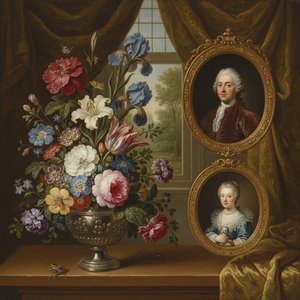
Jan van Kessel the Elder: A Baroque Master of Floral Still Life & Miniature Portraiture
Discover the exquisite detail of Jan van Kessel the Elder's Baroque floral still lifes & captivating miniatures. Explore his artistic legacy, scientific precision, and lasting influence on 17th-century Flemish painting.

Silent Narratives: Exploring the Enduring Appeal of Still Life Painting Across Centuries
Explore the rich history of still life painting with OriginalUniqueArt. Discover Dutch Masters, decode vanitas symbolism & learn about collecting timeless art. Expert insights and museum-quality reproductions.

Blossoms of Time: A Historical & Aesthetic Exploration of Floral Painting Across Cultures
Explore the rich history of floral painting! Discover symbolism, techniques & masterpieces from Van Huysum to O'Keeffe. Expert insights for art lovers & collectors at OriginalUniqueArt.

Baroki võlm: kuidas valgus ja drama 17. sajandi kunstis emotsioone liigutavad
Avastage baroki dramaatika ja valgus-varjo meistrikunst. Sukelduge 17. sajandi kunstihõngusse juba täna.