

 Vaata sisu
 Jaga teost
 Jaga
Jaga
 Detailid
 Õppekate juhend

 Laadi alla
 Sarnased teosed
 Röntgenuuring
 Slaidietendus
 Statistika
The Broken Mirror
 Acrylic On Canvas
- WallArt
- Rococo Sentimentality
 1763
1763 56.0 x 46.0 cm
 Wallace Collection
 Loe lähemalt
Giclée / Kunstiprint
Muuseumikvaliteediga giclée- või kangasprint kiire tootmisega ja paindlikud viimistlusvõimalused. ( Telli käsitsi maalitud reproduktsioon Ülemineku digitaalse pildi müügi kanalisse)




P118B €10

P118H €10

P118W €10

P438Z €10

P508JH €12

P508YH €12

P805H €10

P805Z €10

P919BZ €10

P919G €10

P919XJ €10

P959ZH €10

P968JZ €12

W106C €8

W218G €10

W218JH €8

W218Y €10

W307PJ €10

W316G €10

W316PJ €8

W316Y €10

W398PJ €8

W4111J €10

W500HY €15

W500JH €15

W692G €12

W849H €8

W940BG €15

W953PJ €8




Vali meie eelmääratud suurused, mis vastavad teose algupärastele proportsioonidele.

Sisestage vajalik laius ja kõrgus, et see sobiks teie raamile või seinale. Trükki saab ainult lõigata, seda ei saa kunagi pildist suuremaks teha, seega ka differentse vormiga suurus kaotab osa pildist. Enne trükkimist saadame teile kinnitamiseks digitaalse näidisprojektsiooni. Sellel lehel näidatud pilt ei kujuta reaalset lõiget — seda näitab ainult näidisprojekttsioon.
Ülemaailmne tarne () 2 nädala jooksul, tavalise 4/5 nädala asemel. (26 oktoober)

Tasuta ekspresssaatmine üle maailma

Kõrgekvaliteediline lina-kangastest muld

Täielik transpordikindlustus

Tollimaksude tagastamise garantii

Värvitoime täpsuse garantii

100 päeva tagastusõigus (ainult defektide korral)

100% raha tagasi garantii

Hulgusoodustus
 Klaasivalik on saadaval ainult kuni 110 cm suuruses teostes

The Broken Mirror
Giclée / Kunstiprint
Reproduktsiooni mõõtmed
-


Lõppsumma
€ 70
Jean-Baptiste Greuze’s “The Broken Mirror”: A Window into Sentiment and Rupture
Jean-Baptiste Greuze's "The Broken Mirror," painted around 1763, is not merely a depiction of shattered glass; it’s a profound exploration of moral consequence, societal expectations, and the devastating impact of transgression. This intimate genre scene, now residing within The Wallace Collection in London, offers a glimpse into the burgeoning sentimentalism that defined late 18th-century French art – an era obsessed with capturing raw emotion and exposing the vulnerabilities of human nature. Greuze, a master of eliciting pathos, doesn’t simply show us a broken mirror; he forces us to confront the shattered reputation and emotional wreckage it represents.
A Portrait of Moral Decay
The painting immediately draws the viewer in with its intensely focused composition. A young woman, dressed in a simple yet elegant gown, kneels before a large, ornate mirror. The reflection is fractured – not by an external force, but by her own actions. Her posture conveys profound regret and shame; her hands are clasped tightly together as if attempting to contain the damage she has wrought. The details surrounding her—a discarded shawl, a partially opened door—suggest a hasty departure and a desperate attempt to conceal her guilt. Greuze’s masterful use of light and shadow further emphasizes this sense of concealment and vulnerability, highlighting the woman's face and drawing attention to the broken reflection.
Technique and Sentiment: The Language of Emotion
Greuze’s technique is characterized by its remarkable realism combined with an almost theatrical intensity. He employed a direct painting method, working directly from life – a practice uncommon for artists of his time. This approach allowed him to capture the subtle nuances of human expression with astonishing accuracy. His brushstrokes are visible and deliberate, contributing to the overall sense of immediacy and emotional weight. The palette is muted, dominated by browns, grays, and creams, reflecting the somber mood of the scene. Crucially, Greuze’s skill lay not just in depicting reality but in imbuing it with a potent emotional charge – a hallmark of the sentimental style he championed.
Symbolism and the Shattered Ideal
The broken mirror itself is laden with symbolic meaning. Mirrors, throughout Western art history, have often represented vanity, self-reflection, and the illusion of perfection. In “The Broken Mirror,” however, this symbolism takes on a darker hue. The shattered reflection signifies not just a physical breakage but also the destruction of innocence, reputation, and perhaps even a future. The woman’s act – implied but not explicitly stated – likely involved a breach of societal norms or a betrayal of trust. It's a potent reminder that actions have consequences, and that even seemingly small transgressions can lead to irreversible damage.
A Legacy of Emotional Resonance
“The Broken Mirror” remains a powerful testament to Greuze’s ability to capture the complexities of human emotion. It's a scene that lingers in the mind long after viewing, prompting reflection on themes of morality, shame, and the fragility of reputation. Reproductions of this work continue to resonate with audiences today, offering a poignant reminder of the enduring power of art to explore the darker corners of the human experience. Its placement within The Wallace Collection underscores its significance as a pivotal piece in the development of French genre painting and a window into the sensibilities of a transformative era.
Küsimused ja vastused
Mis on teose „The Broken Mirror“, autor Jean-Baptiste Greuze loomisaeg ja stiil?
Teos "The Broken Mirror" loodi aastal 1763 ning see kuulub Rococo Sentimentality suunasse. Aasta ja stiil anavad teosele kunstiajalist konteksti.
Milline on teose „The Broken Mirror“, autor Jean-Baptiste Greuze visuaalne heledus?
Teose „The Broken Mirror“, autor Jean-Baptiste Greuze tajutav heledus on shadow. Seda saab kohandada mõeldud ruumi valgusest koos.
Kas saan teose "The Broken Mirror" näha täiskuunil slideshowina?
Teost „The Broken Mirror“, autor Jean-Baptiste Greuze saab vaadata diapositena teose Slideshow lehel.
Kunstniku elulugu
A Life Etched in Sentiment: The World of Jean-Baptiste Greuze
Sündinud rahulikus Burgundia linnas Tournus’s 1725. aastal, tõusis Jean-Baptiste Greuze oluliseks kujuks 18. sajandi Prantsuse kunstis. Tema lugu on tähelepanuväärne tõus, mida toitis kaasasündinud ande inimemotsioonide tabamiseks ja kasvava sentimentaalse maitse mõistmine oma ajastul. Alguses ei julgustanud isa, katusekatja, teda kunstialasele tegevusele pühenduma, kuid noor Greuze leidis varajase toetuse Lyoni kunstniku Grandonilt, kes tundis temas sädet, mida tuli kasvatada. See mentorlus osutus kriitilise tähtsusega, viies ta esmalt Lyonis ja seejärel oluliselt prestiižsesse Pariisi Kuninglikku Akadeemiasse Charles-Joseph Natoire’i juurde. Just selles hallowed saalis Greuze hakkas oma oskusi lihvima, kuigi ta sageli läks oma teed, erinedes valitsevast akadeemilisest rõhust ajaloolistele ja mütoloogilistele teemadele.Genremaalija tõus
Greuze läbimurre saabus 1755. aastal teosega Le Père de famille expliquant la Bible à ses enfants (Isa selgitab oma lastele Piiblit). See töö ei olnud pelgalt koduelu kujutus; see oli valgustusaja ideaalide kehastus, mis kujutas perekondlikku jumalakartlikkust ja moraalset õpet. Maal resoneeris sügavalt kaasaegse publikuga, tabades kasvava kodanluse voorust. Diskreteeriva kollektsionäri Ange-Laurent de La Live de Jully omandatud teos katapulteeris Greuze kuulsusele. Ta järgnes sellele edule täiendavate žanristseenidega – intiimsete pilkudega igapäevaelu, mis olid täidetud emotsionaalse sügavuse ja moraalse alatooniga. 1755. aastal Abbé Gougenot’ga Itaaliasse tehtud reis laiendasid tema kunstilisi horisonte, kuigi ta leidis lõpuks suurema inspiratsiooni Prantsuse ühiskonna reaalsusest kui klassikalisest antiiksusest. Tema võime äratada tõelisi tundeid – rõõmu, kurbust, kahetsust – eristas teda paljudest oma kaasaegsetest ja kinnitas ta uue Roko stiili juhtiva kujuna, kuigi seda iseloomuliku moraliseeriva kalduvusega.Emotsiooni ja moraalse narratiivi valdamine
Greuze kunstiline tugevus peitus tema võimes jutustada lugusid läbi värvi. Teosed nagu La Jeune Fille qui pleure son oiseau mort (Noor tüdruk nutmas oma surnud linnu pärast) ja Savoyard with a Dancing Doll ei ole lihtsalt laste portreed; need on uurimused leina, süütuse ja inimkogemuse keerukusest. Tal oli erakordne talent tabada peeneid väljendusnuanse, edastades sisemist meeleolumuutust tähelepanuväärse tundlikkusega. Tema kompositsioone olid sageli hoolikalt lavastatud, kasutades dramaatilist valgust ja ekspressiivseid žeste emotsionaalse mõju suurendamiseks. Denis Diderot, valgustusaja juhtiv intellektuaal, sai innukaks Greuze töö toetajaks, kiites tema võimet kujutada “moraali värvis”. Kuid just see edu tekitas kunstniku jaoks dilemma. Ta püüdis saada tunnustatud ajaloolise maalikunstnikuna – Akadeemia prestiižseim kategooria – ja proovis üleminekut teosega Septimius Severus Reproaching Caracalla. See ambitsioonikas töö võeti vastu karmilt, ning Greuze aktsepteeriti lõpuks Akadeemiasse ainult žanrist maalikunstnikuna, mis haavasid tema uhkust sügavalt.Hilised aastad ja püsiv pärand
Akadeemia poolt tagasilükkamine tähistas pöördepunkti Greuze karjääris. Ta loobus paljudeks aastateks näituste korraldamisest Salonis, muutudes üha eraldatumaks ja kibedamaks. Tema hilisemad tööd uurisid sageli kiusamise ja moraalsete eksimuste teemasid, mõnikord kaldudes avatult sensuaalsele. Need maalid, kuigi tehniliselt osavad, puudusid varasemate meistriteoste emotsionaalsest resonantsist ja moraalsest selgusest. Finantsraskused piinasid tema viimaseid aastaid, mis olid teravas kontrastis kunagise tunnustusega. Ta suri vaesuses Louvre’is 1805. aastal. Hoolimata sellest langusest jääb Jean-Baptiste Greuze mõju Prantsuse kunstile oluliseks. Ta rajas uue žanrist maalikunsti vormi, mis keskendus kaasaegsele elule ja uuris universaalseid inimemotsioone. Tema töö sillutas teed hilisematele kunstnikele, kes otsisid ausalt ja tundlikult igapäevase eksistentsi reaalsust kujutada. Ta jättis endast maha loomingu, mis jätkab publikut võlumas oma emotsionaalse jõu, tehnilise briljantsuse ja püsiva olulisusega.Põhitööd & Nende Tähtsus
- Le Père de famille expliquant la Bible à ses enfants (1755): Tema varase edu nurgakivi, kehastades perekondliku jumalakartlikkuse valgustusaja ideaale.
- La Jeune Fille qui pleure son oiseau mort (c. 1765): Demonstreerib Greuze meisterlikkust emotsionaalses väljenduses ja poeetilises jutustamises.
- Savoyard with a Dancing Doll (c. 1763): Tabab lapsepõlve vaimu ja haavatavust, näidates tema oskust portreekunstis.
- Septimius Severus Reproaching Caracalla (1769): Ebaõnnestunud katse ajaloolise maalikunstina, mis tõstis esile tema tugevused mujal.
- The Broken Pitcher (c. 1770s): Esindab nihkumist sensuaalsemate ja ebaselgema moraali teemade poole tema hilisemates töödes.

Jean-Baptiste Greuze
1725 - 1805
Sarnased artiklid

The Rococo Aesthetic: Opulence, Rebellion & the Pursuit of Pleasure in 18th-Century Art
Explore the opulent world of Rococo art! Discover its origins, key artists like Watteau & Boucher, and lasting influence on design. Expert insights for collectors & enthusiasts.

The Allure of Elegance in Art: A Historical & Aesthetic Exploration of Refinement & Grace
Explore the exquisite world of Rococo art! Discover its history, masters (Watteau, Boucher & more), and defining elegance. Expert insights for collectors seeking museum-quality reproductions & custom portraits.

RoKokoo: 10 Meisterteost, Mis Määritsesid Kunstisuundi | OriginalUniqueArt
Sukeldu RoKokoo maailma! Avasta 10 meistriteost, mis defineerisid kunstisuunda – prantsuse kunstnikud, kuldsed toonid ja luksuslik interjöör. Tutvu lugudega legendaarsete teoste taga & leia inspiratsiooni OriginalUniqueArt.com-ilt!
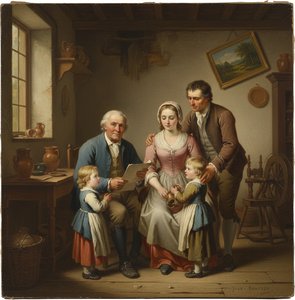
Jean-Baptiste Greuze: Morality, Sentiment & the Rise of Genre Painting
Explore the life & art of Jean-Baptiste Greuze, a pivotal French Rococo painter renowned for his emotionally resonant genre scenes and moral lessons. Discover his legacy & impact on 18th-century art history.

The Elegance of Rococo: A Journey Through Pastel Dreams and Ornate Splendor
Embark on an elegant journey through the Rococo era. Discover the delicate beauty of pastel masterpieces, the intricate artistry of 18th-century French masters, and how this era of ornate splendor continues to inspire timeless luxury in fine art collecting.