
 Eelvaade
 Saada
Saada Jaga
Jaga
 Teave teose kohta
 Juhend

 Laadi alla
 Sarnased teosed
 Röntgenuuring
 Slaidietendus
 KÜSIMUSED JA VASTUSID
 Statistika
Student with a Lesson-book

- 63.0 x 49.0 cm


 Loe lähemalt
Giclée / Kunstiprint
Muuseumikvaliteediga giclée- või kangasprint kiire tootmisega ja paindlikud viimistlusvõimalused. ( Osta käsitsi maalatud teos Lülita digitaalse pildi juurde)




P118B €10

P118H €10

P118W €10

P438Z €10

P508JH €12

P508YH €12

P805H €10

P805Z €10

P919BZ €10

P919G €10

P919XJ €10

P959ZH €10

P968JZ €12

W106C €8

W218G €10

W218JH €8

W218Y €10

W307PJ €10

W316G €10

W316PJ €8

W316Y €10

W398PJ €8

W4111J €10

W500HY €15

W500JH €15

W692G €12

W849H €8

W940BG €15

W953PJ €8




Vali meie eelmääratud suurused, mis vastavad teose algupärastele proportsioonidele.

Sisestage vajalik laius ja kõrgus, et see sobiks teie raamile või seinale. Trükki saab ainult lõigata, seda ei saa kunagi pildist suuremaks teha, seega ka erineva mustega suurus kaotab osa pildist. Enne trükkimist saadame teile kinnitamiseks digitaalse näidisprojektsiooni. Sellel lehel näidatud pilt ei kujuta reaalset lõiget — seda näitab ainult näidisprojektsioon.
Ülemaailmne tarne () 2 nädala jooksul, tavalise 4/5 nädala asemel. (3 november)

Tasuta ekspresssaatmine üle maailma

Kõrgekvaliteediline lina-kangas

Täielik transpordikindlustus

Tollimaksude tagastamise garantii

Värvitoime täpsuse garantii

100 päeva tagastusõigus (ainult valmistusdefektide korral)

100% raha tagasi garantii

Hulgusoodustus
 Klaasivalik on saadaval ainult kuni 110 cm suuruses teostes

Student with a Lesson-book
Giclée / Kunstiprint
Reproduktsiooni suurus
-


Koguhind
€ 72
A Window into the Enlightenment Soul
In the quiet intimacy of Jean-Baptiste Greuze’s 1757 masterpiece, "Student with a Lesson-book," we are invited to witness more than just a moment of study; we are invited into a profound exploration of the human spirit. At first glance, the scene appears deceptively simple: a young boy, bathed in a gentle, ethereal glow, sits absorbed in his reading. Yet, beneath this tranquil surface lies a carefully orchestrated tableau vivant designed to stir the deepest sentiments of the viewer. As the light catches the focused gaze of the youth and the delicate textures of his surroundings, the painting transcends mere portraiture to become an evocative narrative of innocence, the weight of knowledge, and the nurturing presence of guidance.
Greuze masterfully utilizes composition to weave a tapestry of familial and moral connection. The boy occupies the heart of the canvas, his intense concentration serving as the emotional anchor for the entire work. He is not alone in his intellectual journey; flanking him are figures that represent the pillars of support essential to the Enlightenment ideal of education. A woman sits beside him, her presence radiating a quiet, encouraging warmth, while a man stands behind, embodying the authoritative yet guiding hand of instruction. This triangular arrangement creates a sense of stability and purpose, suggesting that the pursuit of wisdom is a communal, sacred endeavor passed down through generations.
The Mastery of Light and Sentiment
What truly distinguishes this work is Greuze’s extraordinary command over technique, specifically his ability to marry meticulous realism with an expressive, emotive touch. Eschewing the cold, idealized perfection favored by many of his contemporaries, Greuze employed a sophisticated glazing technique. By layering thin, translucent washes of color over carefully prepared underpaintings, he achieved a luminous quality that seems to emanate from within the figures themselves. This method allows for a breathtakingly accurate rendering of textures—the soft grain of the paper, the subtle sheen of fabric, and the tender, supple skin of the young student.
Every brushstroke is purposeful, designed to animate the scene with a palpable sense of inner life. The interplay of light and shadow—a delicate chiaroscuro—does more than just define form; it directs our emotional response. The soft illumination on the boy's face highlights his vulnerability and the purity of his focus, while the deeper, receding shadows in the background lend a sense of profound depth and mystery to the setting. For the collector or the interior designer, this painting offers a rare duality: it possesses the formal elegance required for sophisticated decor, yet retains an intimate, soulful energy that can transform the atmosphere of any room.
A Timeless Legacy for the Modern Collector
To possess a reproduction of "Student with a Lesson-book" is to bring a piece of history’s most tender era into the contemporary home. The painting serves as a poignant reminder of the formative power of learning and the enduring importance of mentorship. In an age often characterized by rapid movement and digital distraction, Greuze’s depiction of quiet, focused contemplation offers a sanctuary of stillness. It is a work that speaks to the values of growth, heritage, and the cultivation of the mind.
Whether placed in a private library, a study, or a grand living space, this artwork acts as a conversation piece that transcends time. Its subtle palette and classical composition allow it to integrate seamlessly with both traditional and modern aesthetics, providing a focal point that is both intellectually stimulating and visually soothing. For those seeking to curate a collection defined by emotional depth and historical significance, Greuze’s vision remains an incomparable inspiration.
Korduvad küsimused
Mis on teose „Student with a Lesson-book“, autor Jean-Baptiste Greuze loomisaeg ja stiil?
Teos "Student with a Lesson-book" loodi aastal 1757 ning see kuulub Neoclassical Portraiture suunasse. Aasta ja stiil anavad teosele kunstiajalist konteksti.
Kes on teose "Student with a Lesson-book" kunstnik?
Teose "Student with a Lesson-book" loovija on Jean-Baptiste Greuze. Selle lehe info kirjeldab Jean-Baptiste Greuze algteost.
Milline on teose „Student with a Lesson-book“, autor Jean-Baptiste Greuze visuaalne heledus?
Teose „Student with a Lesson-book“, autor Jean-Baptiste Greuze tajutav heledus on deep_shadow. Seda saab kohandada mõeldud ruumi valgusest koos.
Kunstniku elulugu
A Life Etched in Sentiment: The World of Jean-Baptiste Greuze
Sündinud rahulikus Burgundia linnas Tournus’s 1725. aastal, tõusis Jean-Baptiste Greuze oluliseks kujuks 18. sajandi Prantsuse kunstis. Tema lugu on tähelepanuväärne tõus, mida toitis kaasasündinud ande inimemotsioonide tabamiseks ja kasvava sentimentaalse maitse mõistmine oma ajastul. Alguses ei julgustanud isa, katusekatja, teda kunstialasele tegevusele pühenduma, kuid noor Greuze leidis varajase toetuse Lyoni kunstniku Grandonilt, kes tundis temas sädet, mida tuli kasvatada. See mentorlus osutus kriitilise tähtsusega, viies ta esmalt Lyonis ja seejärel oluliselt prestiižsesse Pariisi Kuninglikku Akadeemiasse Charles-Joseph Natoire’i juurde. Just selles hallowed saalis Greuze hakkas oma oskusi lihvima, kuigi ta sageli läks oma teed, erinedes valitsevast akadeemilisest rõhust ajaloolistele ja mütoloogilistele teemadele.Genremaalija tõus
Greuze läbimurre saabus 1755. aastal teosega Le Père de famille expliquant la Bible à ses enfants (Isa selgitab oma lastele Piiblit). See töö ei olnud pelgalt koduelu kujutus; see oli valgustusaja ideaalide kehastus, mis kujutas perekondlikku jumalakartlikkust ja moraalset õpet. Maal resoneeris sügavalt kaasaegse publikuga, tabades kasvava kodanluse voorust. Diskreteeriva kollektsionäri Ange-Laurent de La Live de Jully omandatud teos katapulteeris Greuze kuulsusele. Ta järgnes sellele edule täiendavate žanristseenidega – intiimsete pilkudega igapäevaelu, mis olid täidetud emotsionaalse sügavuse ja moraalse alatooniga. 1755. aastal Abbé Gougenot’ga Itaaliasse tehtud reis laiendasid tema kunstilisi horisonte, kuigi ta leidis lõpuks suurema inspiratsiooni Prantsuse ühiskonna reaalsusest kui klassikalisest antiiksusest. Tema võime äratada tõelisi tundeid – rõõmu, kurbust, kahetsust – eristas teda paljudest oma kaasaegsetest ja kinnitas ta uue Roko stiili juhtiva kujuna, kuigi seda iseloomuliku moraliseeriva kalduvusega.Emotsiooni ja moraalse narratiivi valdamine
Greuze kunstiline tugevus peitus tema võimes jutustada lugusid läbi värvi. Teosed nagu La Jeune Fille qui pleure son oiseau mort (Noor tüdruk nutmas oma surnud linnu pärast) ja Savoyard with a Dancing Doll ei ole lihtsalt laste portreed; need on uurimused leina, süütuse ja inimkogemuse keerukusest. Tal oli erakordne talent tabada peeneid väljendusnuanse, edastades sisemist meeleolumuutust tähelepanuväärse tundlikkusega. Tema kompositsioone olid sageli hoolikalt lavastatud, kasutades dramaatilist valgust ja ekspressiivseid žeste emotsionaalse mõju suurendamiseks. Denis Diderot, valgustusaja juhtiv intellektuaal, sai innukaks Greuze töö toetajaks, kiites tema võimet kujutada “moraali värvis”. Kuid just see edu tekitas kunstniku jaoks dilemma. Ta püüdis saada tunnustatud ajaloolise maalikunstnikuna – Akadeemia prestiižseim kategooria – ja proovis üleminekut teosega Septimius Severus Reproaching Caracalla. See ambitsioonikas töö võeti vastu karmilt, ning Greuze aktsepteeriti lõpuks Akadeemiasse ainult žanrist maalikunstnikuna, mis haavasid tema uhkust sügavalt.Hilised aastad ja püsiv pärand
Akadeemia poolt tagasilükkamine tähistas pöördepunkti Greuze karjääris. Ta loobus paljudeks aastateks näituste korraldamisest Salonis, muutudes üha eraldatumaks ja kibedamaks. Tema hilisemad tööd uurisid sageli kiusamise ja moraalsete eksimuste teemasid, mõnikord kaldudes avatult sensuaalsele. Need maalid, kuigi tehniliselt osavad, puudusid varasemate meistriteoste emotsionaalsest resonantsist ja moraalsest selgusest. Finantsraskused piinasid tema viimaseid aastaid, mis olid teravas kontrastis kunagise tunnustusega. Ta suri vaesuses Louvre’is 1805. aastal. Hoolimata sellest langusest jääb Jean-Baptiste Greuze mõju Prantsuse kunstile oluliseks. Ta rajas uue žanrist maalikunsti vormi, mis keskendus kaasaegsele elule ja uuris universaalseid inimemotsioone. Tema töö sillutas teed hilisematele kunstnikele, kes otsisid ausalt ja tundlikult igapäevase eksistentsi reaalsust kujutada. Ta jättis endast maha loomingu, mis jätkab publikut võlumas oma emotsionaalse jõu, tehnilise briljantsuse ja püsiva olulisusega.Põhitööd & Nende Tähtsus
- Le Père de famille expliquant la Bible à ses enfants (1755): Tema varase edu nurgakivi, kehastades perekondliku jumalakartlikkuse valgustusaja ideaale.
- La Jeune Fille qui pleure son oiseau mort (c. 1765): Demonstreerib Greuze meisterlikkust emotsionaalses väljenduses ja poeetilises jutustamises.
- Savoyard with a Dancing Doll (c. 1763): Tabab lapsepõlve vaimu ja haavatavust, näidates tema oskust portreekunstis.
- Septimius Severus Reproaching Caracalla (1769): Ebaõnnestunud katse ajaloolise maalikunstina, mis tõstis esile tema tugevused mujal.
- The Broken Pitcher (c. 1770s): Esindab nihkumist sensuaalsemate ja ebaselgema moraali teemade poole tema hilisemates töödes.

Jean-Baptiste Greuze
1725 - 1805
Sarnased artiklid

The Enduring Legacy of Formal Portraiture: Power, Identity & Artistic Exploration
Explore the rich history of formal portraiture & its enduring power to capture identity and shape perception. Discover investment-worthy artworks, expert appraisals, and custom reproduction services at OriginalUniqueArt.
Realism in Art: A Professional Guide to Authentic Detail and Lifelike Masterpieces for Large-Scale Interior Projects
Master the use of Realism in professional interiors. This expert guide explores 19th-century masterpieces, offering procurement managers and designers technical insights into selecting authentic, hand-painted oil reproductions for high-end hotel and corporate projects.

Romantic Realism's Finest: 10 Masterpieces for Your Home | OriginalUniqueArt
Explore 10 defining masterpieces of Romantic Realism! Discover Courbet, Millet & Daumier's powerful paintings—capturing emotion and social realities. Find museum-quality reproductions for your home at OriginalUniqueArt.com.
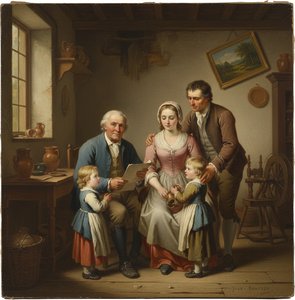
Jean-Baptiste Greuze: Morality, Sentiment & the Rise of Genre Painting
Explore the life & art of Jean-Baptiste Greuze, a pivotal French Rococo painter renowned for his emotionally resonant genre scenes and moral lessons. Discover his legacy & impact on 18th-century art history.

Echoes of Society: Exploring Social Realism's Enduring Legacy in Art
Explore the powerful world of Social Realism art! Discover key artists, masterpieces & its profound social commentary. Expert insights into this influential movement's history and enduring legacy.