Text size

() ·

A painting made for you, by hand

Self-Portrait

Käsitsi valmistatud õlimaalireproduktsioon

Meie kunstnike poolt tellimusel valmistatud käsitsi maalitud õli-kainaste teos teie soovitud suuruses ja raamis. ( Lülita trükkitoodetele Lülita digitaalse pildi juurde)

Kogumisobjekti kirjeldus

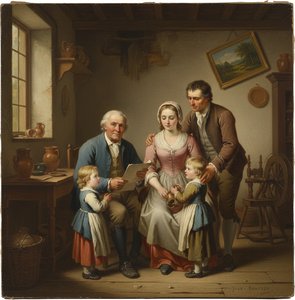
Capture the sentimental drama of this 18th-century self-portrait by Jean-Baptiste Greuze; own a piece of French genre mastery today.

Kunstniku elulugu

Jean-Baptiste Greuze (1725–1805): Avastage selle olulise prantsuse rokoko maalikunstniku emotsionaalselt võimsaid žanrisseenide ja portreede maailma, kes on tuntud igapäevaelu ja moraaliõpetuste tabamise poolest.

from ·

Chapter 1

How large should it be?

Slide to change the size; the picture on the left shows the frame at its real width. The proportions of the original are kept.

Standardne suurus
kohandatud
CM
INCH

Vali meie eelmääratud suurused, mis vastavad teose algupärastele proportsioonidele.

laius
kõrgus

Sisestage vajalik laius ja kõrgus, et teos sobiks teie raamile või seinale. Kuna tegu on käsipainatud teosega, siis erineva kujuga suuruse korral võib kunstnik jätta pildi ümber veidi rohkem marginaali või lõigata osa ära — valik on teie. Enne maali alustamist saadame teile kinnitamiseks digitaalse näidisprojektsiooni. Sellel lehel näidatud pilt ei kajasta tegelikku tulemust — seda näitab ainult näidisprojektsioon.

Chapter 2

How should it arrive?

Choose the edges of the stretched canvas

Choose your frame

Corner sample of the WhiteWrap canvas edge finish, stretched on massivpuit bars
White €1
Corner sample of the BlurSideWrap canvas edge finish, stretched on massivpuit bars
Blurside €1
Corner sample of the ExtendedWrap canvas edge finish, stretched on massivpuit bars
Extended €1
Corner sample of the P118B picture frame: vormitud polüstüreen, 5 cm wide and 3 cm thick
P118B €10
Corner sample of the P118H picture frame: vormitud polüstüreen, 5 cm wide and 3 cm thick
P118H €10
Corner sample of the P118W picture frame: vormitud polüstüreen, 5 cm wide and 3 cm thick
P118W €10
Corner sample of the P438Z picture frame: vormitud polüstüreen, 5.5 cm wide and 3.5 cm thick
P438Z €10
Corner sample of the P508JH picture frame: vormitud polüstüreen, 7 cm wide and 3.5 cm thick
P508JH €12
Corner sample of the P508YH picture frame: vormitud polüstüreen, 7 cm wide and 3.5 cm thick
P508YH €12
Corner sample of the P805H picture frame: vormitud polüstüreen, 5 cm wide and 3.5 cm thick
P805H €10
Corner sample of the P805Z picture frame: vormitud polüstüreen, 5 cm wide and 3.5 cm thick
P805Z €10
Corner sample of the P919BZ picture frame: vormitud polüstüreen, 7 cm wide and 3.5 cm thick
P919BZ €10
Corner sample of the P919G picture frame: vormitud polüstüreen, 7 cm wide and 3.5 cm thick
P919G €10
Corner sample of the P919XJ picture frame: vormitud polüstüreen, 7 cm wide and 3.5 cm thick
P919XJ €10
Corner sample of the P959ZH picture frame: vormitud polüstüreen, 5 cm wide and 3 cm thick
P959ZH €10
Corner sample of the P968JZ picture frame: vormitud polüstüreen, 6 cm wide and 4 cm thick
P968JZ €12
Corner sample of the W106C picture frame: massivpuit, 5 cm wide and 3 cm thick
W106C €8
Corner sample of the W218G picture frame: massivpuit, 5 cm wide and 3 cm thick
W218G €10
Corner sample of the W218JH picture frame: massivpuit, 5 cm wide and 3 cm thick
W218JH €8
Corner sample of the W218Y picture frame: massivpuit, 5 cm wide and 3 cm thick
W218Y €10
Corner sample of the W307PJ picture frame: massivpuit, 6 cm wide and 3 cm thick
W307PJ €10
Corner sample of the W316G picture frame: massivpuit, 6 cm wide and 3 cm thick
W316G €10
Corner sample of the W316PJ picture frame: massivpuit, 6 cm wide and 3 cm thick
W316PJ €8
Corner sample of the W316Y picture frame: massivpuit, 6 cm wide and 3 cm thick
W316Y €10
Corner sample of the W398PJ picture frame: massivpuit, 5 cm wide and 3 cm thick
W398PJ €8
Corner sample of the W4111J picture frame: massivpuit, 6.5 cm wide and 3.5 cm thick
W4111J €10
Corner sample of the W500HY picture frame: massivpuit, 7 cm wide and 5 cm thick
W500HY €15
Corner sample of the W500JH picture frame: massivpuit, 7 cm wide and 5 cm thick
W500JH €15
Corner sample of the W692G picture frame: massivpuit, 8 cm wide and 4 cm thick
W692G €12
Corner sample of the W849H picture frame: massivpuit, 5 cm wide and 3 cm thick
W849H €8
Corner sample of the W940BG picture frame: massivpuit, 7.5 cm wide and 4.5 cm thick
W940BG €15
Corner sample of the W953PJ picture frame: massivpuit, 6 cm wide and 3.5 cm thick
W953PJ €8
Corner sample of the H24-GOLD picture frame: kareeritud puit ja gesso, 10 cm wide and 6 cm thick
H24-GOLD €30
Corner sample of the H24-SILVER picture frame: kareeritud puit ja gesso, 10 cm wide and 6 cm thick
H24-SILVER €30
Corner sample of the H36-GOLD picture frame: kareeritud puit ja gesso, 15 cm wide and 6.5 cm thick
H36-GOLD €45
Corner sample of the H36-SILVER picture frame: kareeritud puit ja gesso, 15 cm wide and 6.5 cm thick
H36-SILVER €45
Raami eelvaade
Raamitud

Moulding: . Overall size with the frame: .

Chapter 3

Who paints it, and should anything change?

Examples of what can be changed: Replace face with customer photo; Add pet (e.g., replace cat with dog); Include hidden message in background; Change background landscape or elements.
After order, OriginalUniqueArt.com team will email client for instructions and provide a mockup preview

Maailmline tarne 3–4 nädala jooksul tavalise 5 nädala asemel. (1 november). Kvaliteedis kompromisse ei tehta.

Chapter 4

The finishing touches

A nameplate, as in a museum?

Graveeritud pronksplaadi üksikasjad

This elegant plaque features the artist's name and the title of the artwork, finely engraved for a timeless presentation.

It is made from bronze with a refined, elegant finish. The text is precisely laser-engraved for a sharp and permanent result. Measuring 9x2 cm, the plaque is compact yet easy to read. It's built to be durable and scratch-resistant, offering a professional, museum-quality look. Mounting is simple thanks to the included adhesive backing.

Läbipaistva akrüülplaadi üksikasjad

The plaque includes essential engraved details such as the artist's name, the title of the artwork, the date it was created, the type of media used-like oil on canvas or watercolor-a brief description of the piece, and a QR code that links to the complete artwork information.

It is crafted from clear acrylic, offering a sleek, modern appearance. The text is UV-engraved in black to ensure strong visual contrast. With a size of 10x15 cm, it ensures optimal readability. It comes equipped with two metal hooks for secure wall mounting. The plaque is designed to be weather-resistant, making it suitable for various environments, and it includes interactive features that work seamlessly with smartphone scanning.

Musta akrüülplaadiรายละเอียด (Note: The user provided "Musta akrüülplaadi detailid" as the current translation and asked for an improved version. Since "Musta akrüülplaadi

This elegant plaque includes engraved information such as the artist's name, the title of the artwork, the date it was created, the type of media used (like oil on canvas or watercolor), a short description of the artwork, and a QR code for quick access to more information.

The plaque itself is made from refined black acrylic with a premium finish. The text is laser-engraved in white for high contrast and readability. Its size is 10x15 cm, designed to be easy to read. It comes with two metal hooks for professional mounting. The design is sleek and fits any interior style. It is also weather-resistant and durable, with built-in digital integration for mobile compatibility.

A protective varnish?

When do you need it?

Chapter 5

Your painting, as you ordered it

Self-Portrait

Reproduktsiooni tehnika

Reproduktsiooni suurus

-

Eelistatud tippkunstnik

Rohkem detaile, peenust ja lisatootmisaega

-

Reproduktsiooni raamivalikud

-

-

Kunstiteoste või reproduktsioonide puhul, mille üks külg on üle 105 cm (umbikmolt 41 tolli), saadetakse raam kirjal asendis, la Dismantlitud komplektina. See meetod tagab ohutuse kohaletoimetamisel ja väldib transpordil tekkivaid kahjustusi.

Vajalik professionaalne kokkupanek – see ei ole isetegevusega valmistamiseks mõeldud toode.
Komplekt tuleb kokku panna ja lõvet pingutada kogemusega professionaalse raamija, kasutades puiduliim (ei kuulu komplekti), lõvetpingi ja klempe, et hoida raami kande mustad õigena liimi kuivamisaja jooksul. Vale kokkupanek või ebaühtlane lõvetping võib kunstiteost püsivalt kahjustada ning seda ei katta meie garantii.

  • Kaasatud on kõik tahked puidust liistud, täpselt lõigatud vastavaks suuruseks.

  • Kokku panemiseks kasutatakse lisatud kruvisid ning nurkade liimamiseks vajalikku puuliima, mida ei ole komplektis ja mida peab raamivalmistaja ise hankima.

  • Vajalik on kasutada professionaalseid tööriistu, mis ei kuulu komplekti: lõvetelapide pingist (pingutaja) ja klambreid, et hoida raami puidu nurgas õigena liimi kuivamisaja jooksul.

Oluline:
Nurgaliimamiseks on vaja puiduliim, liimimine peab toimuma klempide all kuni liim on täielikult kuivanud ning kokku monteeritud raami kanga pingutamiseks on vajalik kanga pingutustang. Kumbki neist ei kuulu komplekti. Palun veenduge enne selle suuruse tellimist, et teil on saadaval kogenud professionaalne raamistaja.

Nimesildikiri

-

-

Kaitsevärnitsus

Läikiv lakk (muudab värvid elavamaks ning kaitseb valgust ja niiskust eest)

-

Kohanda oma teost

Näiteid muudatuste kohta: Asenda nägu kliendi fotoga; Lisa lemmikloom (nt asenda kass koeraga); Lisa taustale peidetud sõnum; Muuda tausta maastikku või elemente.

-

Kiire tarne

Ülemaailmne tarne riiki 3–4 nädalaga tavalise 5 nädala asemel. (1 november). Kvaliteedis kompromisse ei tehta.

-

Kiirsaatmine

Ülemaailmne tarne () 5 nädala jooksul. (8 november).

Sisse kuuluv

Koguhind

€ 267

Kogu summa € 267

Klaasivalik on saadaval ainult kuni 110 cm suuruses teostes

Included with every order

  • Tasuta ekspresssaatmine üle maailma
  • Kõrgekvaliteediline lina-kangas
  • Täielik transpordikindlustus
  • Tollimaksude tagastamise garantii
  • Värvitoime täpsuse garantii
  • 100 päeva tagastusõigus (ainult valmistusdefektide korral)
  • 100% raha tagasi garantii
  • Hulgusoodustus

A Glimpse into Sentimental Life: Analyzing Greuze's Self-Portrait

To stand before this depiction of a man with distinguished white hair, pipe held thoughtfully in his mouth, is to step directly into the emotional landscape of late eighteenth-century France. Jean-Baptiste Greuze, master chronicler of human feeling, has captured not merely a likeness, but a moment imbued with quiet contemplation. The subject gazes out, seemingly connecting with the viewer across the span of two centuries. His attire, suggesting an earlier epoch, anchors him in a time when sentimentality was becoming the dominant current in art. Yet, it is the subtle presence of the two other figures—one flanking the left, another on the right—that enriches the narrative, transforming what might be a simple portrait into a complex tableau of social interaction.

The Artistry of Sentiment and Genre

Greuze’s genius lay in his ability to elevate everyday life—the genre scene—to the level of high art. While academic painters often gravitated toward grand historical epics or mythological grandeur, Greuze found his profound resonance in the intimate dramas of ordinary people. This Self-Portrait, dated around 1780, exemplifies this focus. The technique employed speaks to a mastery of tonal subtlety; observe how the light catches the texture of the brown coat and the wisps of white hair. It is a painting that rewards close inspection, allowing the eye to wander from the direct gaze of the central figure to the muted activities unfolding around him. This careful balance between individual focus and surrounding narrative depth is characteristic of his most compelling works.

Historical Echoes: Life in the Late Enlightenment

The period surrounding 1780 was a time of profound intellectual ferment, one where emotion began to challenge rigid classical structures. Greuze’s work resonated deeply with the burgeoning sentimental taste—a cultural shift that valued empathy, domestic virtue, and relatable human struggle over sheer grandeur. The inclusion of multiple figures suggests a community moment, perhaps a gathering or an informal portrait session. These secondary characters are not mere props; they participate in the atmosphere, grounding the central figure's introspection within a tangible social reality. Owning a reproduction of this piece allows one to bring that historical resonance—that feeling of intimate, observed life—into a modern setting.

Symbolism and Emotional Resonance for the Collector

The pipe itself functions as more than just an accessory; it is a classic symbol of contemplation, reflection, and perhaps even melancholy wisdom. The man seems caught between the outward performance of his composure and the deep thoughts suggested by his posture. For the collector or designer, this painting offers immediate emotional depth. It speaks to the quiet dignity found in aging, in companionship, and in the act of simply observing life unfold. Whether placed above a mantelpiece or within a gallery setting, this artwork does not shout for attention; rather, it invites the viewer into a hushed, thoughtful conversation, making it an exquisite piece for those who appreciate art with a soulful whisper.

Korduvad küsimused

Mis on originaalteose „Self-Portrait“, autor Jean-Baptiste Greuze tehnika ja suurus?

Originaalteos „Self-Portrait“, autor Jean-Baptiste Greuze on Oil On Canvas teos mõõtmisel 56 x 46 cm. Tehnika ja suurus kirjeldavad originaalobjekti.

Millist värvigamma teos "Self-Portrait" kasutab?

Teose "Self-Portrait" värvid moodustavad Earthy paleti. See klassifikatsioon kirjeldab domineerivaid värvigruppe.

Kas saan tellida teose "Self-Portrait" õli-reproduktsiooni?

Teose „Self-Portrait“, autor Jean-Baptiste Greuze käsitsi maaldatud reproduktsiooni saab tellada otse selle Käsitsi maalatud reproduktsioon lehelt: käsitsi maalatud õlireproduktsioon linaelapale, valmistatud tellimusest.

More about this painting

Eelvaade AR-eelvaade Lülita trükkitoodetele Lülita digitaalse pildi juurde Saada
Teave teose kohta Juhend Lisa lemmikutesse Laadi alla Sarnased teosed Röntgenuuring Slaidietendus Q&A Statistika

In numbers

  • 1780the year it was painted
  • 29frames to choose from
  • standard sizes, in its own proportions
  • 5weeks to paint and deliver it

Kunstniku elulugu

A Life Etched in Sentiment: The World of Jean-Baptiste Greuze

Sündinud rahulikus Burgundia linnas Tournus’s 1725. aastal, tõusis Jean-Baptiste Greuze oluliseks kujuks 18. sajandi Prantsuse kunstis. Tema lugu on tähelepanuväärne tõus, mida toitis kaasasündinud ande inimemotsioonide tabamiseks ja kasvava sentimentaalse maitse mõistmine oma ajastul. Alguses ei julgustanud isa, katusekatja, teda kunstialasele tegevusele pühenduma, kuid noor Greuze leidis varajase toetuse Lyoni kunstniku Grandonilt, kes tundis temas sädet, mida tuli kasvatada. See mentorlus osutus kriitilise tähtsusega, viies ta esmalt Lyonis ja seejärel oluliselt prestiižsesse Pariisi Kuninglikku Akadeemiasse Charles-Joseph Natoire’i juurde. Just selles hallowed saalis Greuze hakkas oma oskusi lihvima, kuigi ta sageli läks oma teed, erinedes valitsevast akadeemilisest rõhust ajaloolistele ja mütoloogilistele teemadele.

Genremaalija tõus

Greuze läbimurre saabus 1755. aastal teosega Le Père de famille expliquant la Bible à ses enfants (Isa selgitab oma lastele Piiblit). See töö ei olnud pelgalt koduelu kujutus; see oli valgustusaja ideaalide kehastus, mis kujutas perekondlikku jumalakartlikkust ja moraalset õpet. Maal resoneeris sügavalt kaasaegse publikuga, tabades kasvava kodanluse voorust. Diskreteeriva kollektsionäri Ange-Laurent de La Live de Jully omandatud teos katapulteeris Greuze kuulsusele. Ta järgnes sellele edule täiendavate žanristseenidega – intiimsete pilkudega igapäevaelu, mis olid täidetud emotsionaalse sügavuse ja moraalse alatooniga. 1755. aastal Abbé Gougenot’ga Itaaliasse tehtud reis laiendasid tema kunstilisi horisonte, kuigi ta leidis lõpuks suurema inspiratsiooni Prantsuse ühiskonna reaalsusest kui klassikalisest antiiksusest. Tema võime äratada tõelisi tundeid – rõõmu, kurbust, kahetsust – eristas teda paljudest oma kaasaegsetest ja kinnitas ta uue Roko stiili juhtiva kujuna, kuigi seda iseloomuliku moraliseeriva kalduvusega.

Emotsiooni ja moraalse narratiivi valdamine

Greuze kunstiline tugevus peitus tema võimes jutustada lugusid läbi värvi. Teosed nagu La Jeune Fille qui pleure son oiseau mort (Noor tüdruk nutmas oma surnud linnu pärast) ja Savoyard with a Dancing Doll ei ole lihtsalt laste portreed; need on uurimused leina, süütuse ja inimkogemuse keerukusest. Tal oli erakordne talent tabada peeneid väljendusnuanse, edastades sisemist meeleolumuutust tähelepanuväärse tundlikkusega. Tema kompositsioone olid sageli hoolikalt lavastatud, kasutades dramaatilist valgust ja ekspressiivseid žeste emotsionaalse mõju suurendamiseks. Denis Diderot, valgustusaja juhtiv intellektuaal, sai innukaks Greuze töö toetajaks, kiites tema võimet kujutada “moraali värvis”. Kuid just see edu tekitas kunstniku jaoks dilemma. Ta püüdis saada tunnustatud ajaloolise maalikunstnikuna – Akadeemia prestiižseim kategooria – ja proovis üleminekut teosega Septimius Severus Reproaching Caracalla. See ambitsioonikas töö võeti vastu karmilt, ning Greuze aktsepteeriti lõpuks Akadeemiasse ainult žanrist maalikunstnikuna, mis haavasid tema uhkust sügavalt.

Hilised aastad ja püsiv pärand

Akadeemia poolt tagasilükkamine tähistas pöördepunkti Greuze karjääris. Ta loobus paljudeks aastateks näituste korraldamisest Salonis, muutudes üha eraldatumaks ja kibedamaks. Tema hilisemad tööd uurisid sageli kiusamise ja moraalsete eksimuste teemasid, mõnikord kaldudes avatult sensuaalsele. Need maalid, kuigi tehniliselt osavad, puudusid varasemate meistriteoste emotsionaalsest resonantsist ja moraalsest selgusest. Finantsraskused piinasid tema viimaseid aastaid, mis olid teravas kontrastis kunagise tunnustusega. Ta suri vaesuses Louvre’is 1805. aastal. Hoolimata sellest langusest jääb Jean-Baptiste Greuze mõju Prantsuse kunstile oluliseks. Ta rajas uue žanrist maalikunsti vormi, mis keskendus kaasaegsele elule ja uuris universaalseid inimemotsioone. Tema töö sillutas teed hilisematele kunstnikele, kes otsisid ausalt ja tundlikult igapäevase eksistentsi reaalsust kujutada. Ta jättis endast maha loomingu, mis jätkab publikut võlumas oma emotsionaalse jõu, tehnilise briljantsuse ja püsiva olulisusega.

Põhitööd & Nende Tähtsus

  • Le Père de famille expliquant la Bible à ses enfants (1755): Tema varase edu nurgakivi, kehastades perekondliku jumalakartlikkuse valgustusaja ideaale.
  • La Jeune Fille qui pleure son oiseau mort (c. 1765): Demonstreerib Greuze meisterlikkust emotsionaalses väljenduses ja poeetilises jutustamises.
  • Savoyard with a Dancing Doll (c. 1763): Tabab lapsepõlve vaimu ja haavatavust, näidates tema oskust portreekunstis.
  • Septimius Severus Reproaching Caracalla (1769): Ebaõnnestunud katse ajaloolise maalikunstina, mis tõstis esile tema tugevused mujal.
  • The Broken Pitcher (c. 1770s): Esindab nihkumist sensuaalsemate ja ebaselgema moraali teemade poole tema hilisemates töödes.

Teave teose kohta

  • Notable elements or techniques: Masterful pastel technique
  • Artistic style: Elegant & Subtle
  • Year: 1780
  • Movement: Neoclassical
  • Dimensions: 56 x 46 cm
  • Artist: Jean-Baptiste Greuze

Kunstiteaduse kvartett

Iga küsimuse kohta on ainult üks õige vastus.

Küsimus 1:
What artistic movement is Jean-Baptiste Greuze primarily associated with?
Küsimus 2:
The image depicts a man smoking a pipe. What does this detail suggest about the artist's intention?
Küsimus 3:
Where was Jean-Baptiste Greuze initially trained as an artist?
Küsimus 4:
What is a key characteristic of Greuze's artistic style?
Küsimus 5:
The painting includes two other figures. What is their role in the scene?