- Avaleht

- Trükk lõendile
- Janko Alexy
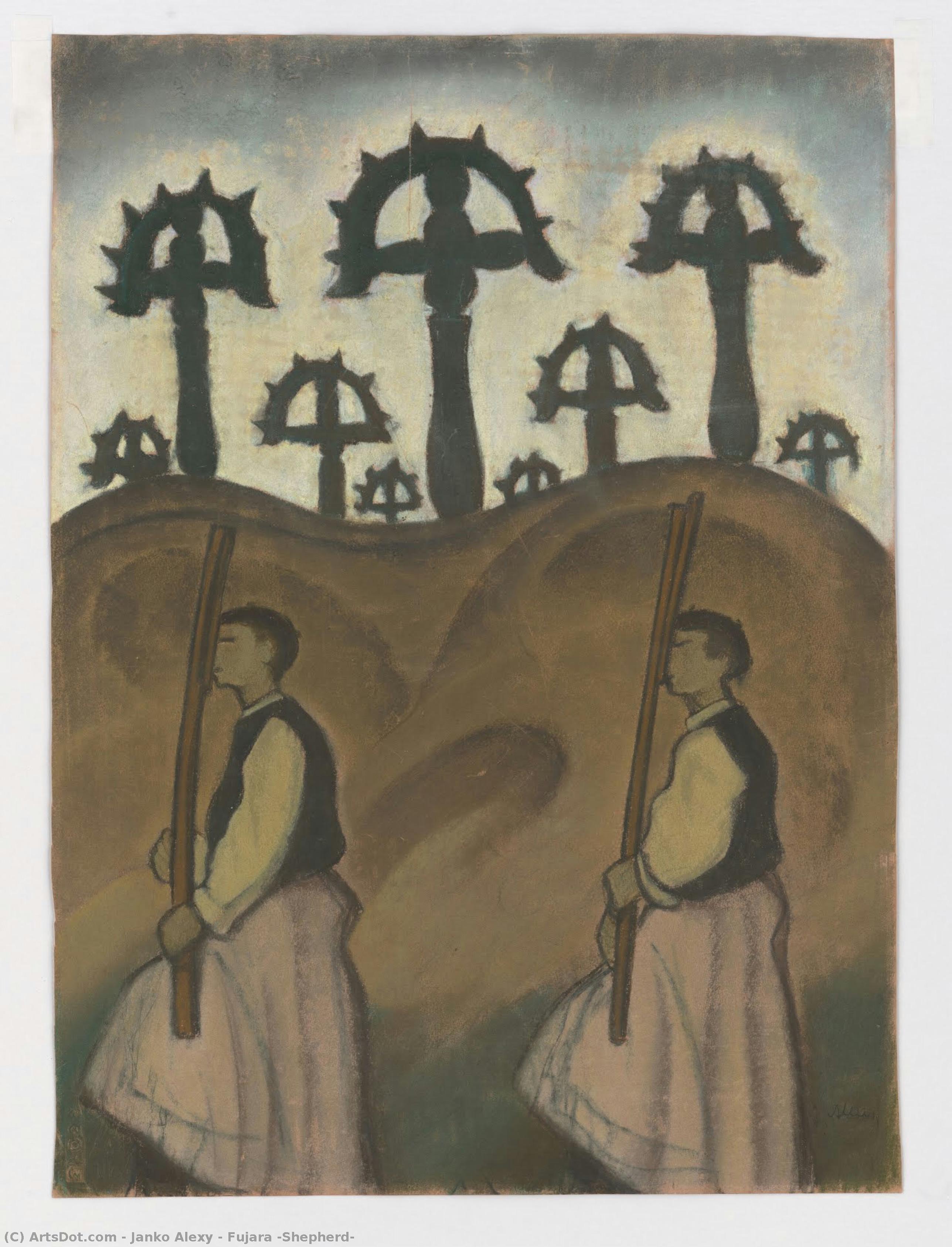
- Fujara (Shepherd
 Preview
 Tellimaks maali Osta digipilt
 Saada
Saada
 Jaga
Jaga
 Teave teose kohta
 Lisa lemmikutesse

 Laadi alla
 Sarnased teosed
 Röntgenuuring
 Slaidietendus
Fujara (Shepherd
 43.0 x 58.0 cm
 Slovak National Gallery
 Loe lähemalt
Giclée / Kunstiprint
Muuseumikvaliteediga giclée- või kangasprint kiire tootmisega ja paindlikud viimistlusvõimalused.




































Vali meie eelmääratud suurused, mis vastavad teose algupärastele proportsioonidele.

Saate sisestada oma mõõdud, et need sobiks konkreetse raami või ruumi sisse. Kui valitud suurus ei vasta originaalteose proportsioonidele, lõigame teose ära või laiendame pilti peegeldatud või ühtlase servaga. Enne tootmisprotsessi algust saadetakse Teie kinnitamiseks digitaalne näidis.
Palun märka, et ekraanil kuvatav eelvaade ei kajasta tegelikku lõigamist või laiendamist. Ainult näidis kujutab täpselt lõplikku kompositsiooni.
Kuigi erimõõdu on saadaval, soovitame originaaproportsioonide säilitamiseks valida mõõt ette määratud nimekirjast.
Ülemaailmne tarne () 2 nädala jooksul, tavalise 4/5 nädala asemel. (25 juuli)

Tasuta ekspresssaatmine üle maailma

Kõrgekvaliteediline linakangas

Täielik transpordikindlustus

Tollimaksude tagastamise garantii

Värvitoime täpsuse garantii

60-päevane tagastusõig: ainult tootmisdefektide korral

100% raha tagasi garantii

Hulgusoodustus
 Klaasivalik on saadaval ainult suuruses kuni 110 cm

Fujara (Shepherd
Giclée / Kunstiprint
Reproduktsiooni suurus
-


Kogusumma
-
Kogumuse kirjeldus
Kunstniku elulugu
Janko Alexy (1894–1970): A Pioneer of Slovak Modernism
Janko Alexy stands as a monumental figure in the genesis of Slovak art, recognized alongside Martin Benka and Ľudovít Fulla as one of the foundational voices shaping the nation’s artistic identity at the dawn of the twentieth century. Born in Liptovský Mikuláš, Slovakia, in 1894, Alexy embarked on a prolific creative journey that spanned painting, writing, and public engagement—activities inextricably linked to his unwavering commitment to portraying the soul of Slovak culture and landscape.Early Life and Artistic Formation
Alexy’s formative years were steeped in the traditions of Liptov, a region renowned for its folklore and rural heritage. This environment profoundly influenced his artistic sensibilities, fostering an early fascination with balladry, folk songs, and legends—themes that would permeate much of his oeuvre throughout his life. His formal education commenced at Prague’s Akademie Výtvarných Umění (Academy of Visual Arts), where he studied under luminaries like Vlaho Bukovac, Maximilian Pirner, and Max Švabinský – masters who instilled in him the principles of Impressionism and Secession, shaping his artistic vocabulary. These influences would prove crucial in establishing Alexy’s distinctive style.Painting Style and Technique: Pastel as Emblematic Medium
Alexy's artistic signature is indelibly marked by pastel—a medium he championed with unparalleled dedication and innovation. Unlike many of his contemporaries who favored oil paints, Alexy skillfully harnessed the expressive potential of pastel to capture the essence of Slovak rural life and urban vistas alike. His technique involved layering thin washes of pigment onto paper, achieving remarkable tonal subtlety and textural richness. This method allowed him to convey mood and emotion with breathtaking precision—a hallmark of his artistic vision. Notably, he excelled at depicting cityscapes, albeit imbued with an unexpected element of abstractionism; a stylistic choice that distinguished him from many other Slovak artists of the era. The artist’s pastel genre paintings are characterized by asymmetrical compositions, loose brushwork, vibrant color palettes, and masterful blending—elements that contribute to their lyrical quality and evocative power.Themes and Influences: Folklore, Landscape, and Bohemian Spirit
Alexy's artistic program wasn’t merely decorative; it was driven by a deep engagement with Slovak cultural heritage. He drew inspiration from folklore tales and legends, meticulously documenting the traditions of his region—a practice that reflects a broader concern for preserving Slovak identity amidst rapid social change. Simultaneously, he devoted considerable attention to Slovak landscape, capturing its grandeur and serenity with sensitivity and artistic skill. Furthermore, Alexy’s literary endeavors explored themes from the bohemian milieu of Bratislava and Prague, delving into autobiographical narratives that offered glimpses into his personal life and intellectual convictions. His work reflects a profound understanding of human experience—a characteristic that resonates across his diverse artistic mediums.Notable Achievements and Legacy
Beyond his paintings and writings, Alexy’s contributions extended to architectural projects, notably the window-pane at Bratislava’s Pavol Országh Hviezdoslav Theatre – a testament to his versatility and collaborative spirit. He designed monumental decorative tapestries for Bratislava Castle—a project undertaken during a period of significant cultural revival—demonstrating his commitment to revitalizing Slovak artistic traditions. His influence on subsequent generations of Slovak artists is undeniable, cementing his place as one of the foremost figures in Slovak Modernism. Despite critiques suggesting that much of his oeuvre leans towards sentimental aesthetics and lacks intellectual depth (as noted by Ján Abelovský), Alexy remains universally recognized for his pioneering role in establishing Slovak art’s distinctive voice—a legacy that continues to inspire artists today.
Janko Alexy
1894 - 1970 , Slovakia
Lühikesed faktid
- Artistic Movement Or Style: Modern Slovak Art
- Artists Or Movements Influenced By This Artist: ['Secession']
- Artists Who Influenced This Artist:
- Vlaho Bukovac
- Maximilian Pirner
- Max Švabinský
- Date Of Birth: 1894
- Full Name: Janko Alexy
- Nationality: Slovak
- Notable Artworks: ['Woman of Kozárovce']
- Place Of Birth: Liptovsky Mikulas, Slovakia

