
 Eelvaade
 Saada
Saada Jaga
Jaga
 Teave teose kohta
 Juhend

 Laadi alla
 Sarnased teosed
 Röntgenuuring
 Slaidietendus
 KÜSIMUSED JA VASTUSID
 Statistika
After the Hunt

- 44.0 x 34.0 cm


 Loe lähemalt
Giclée / Kunstiprint
Muuseumikvaliteediga giclée- või kangasprint kiire tootmisega ja paindlikud viimistlusvõimalused. ( Osta käsitsi maalatud teos Lülita digitaalse pildi juurde)




P118B €10

P118H €10

P118W €10

P438Z €10

P508JH €12

P508YH €12

P805H €10

P805Z €10

P919BZ €10

P919G €10

P919XJ €10

P959ZH €10

P968JZ €12

W106C €8

W218G €10

W218JH €8

W218Y €10

W307PJ €10

W316G €10

W316PJ €8

W316Y €10

W398PJ €8

W4111J €10

W500HY €15

W500JH €15

W692G €12

W849H €8

W940BG €15

W953PJ €8




Vali meie eelmääratud suurused, mis vastavad teose algupärastele proportsioonidele.

Sisestage vajalik laius ja kõrgus, et see sobiks teie raamile või seinale. Trükki saab ainult lõigata, seda ei saa kunagi pildist suuremaks teha, seega ka erineva mustega suurus kaotab osa pildist. Enne trükkimist saadame teile kinnitamiseks digitaalse näidisprojektsiooni. Sellel lehel näidatud pilt ei kujuta reaalset lõiget — seda näitab ainult näidisprojektsioon.
Ülemaailmne tarne () 2 nädala jooksul, tavalise 4/5 nädala asemel. (11 november)

Tasuta ekspresssaatmine üle maailma

Kõrgekvaliteediline lina-kangas

Täielik transpordikindlustus

Tollimaksude tagastamise garantii

Värvitoime täpsuse garantii

100 päeva tagastusõigus (ainult valmistusdefektide korral)

100% raha tagasi garantii

Hulgusoodustus
 Klaasivalik on saadaval ainult kuni 110 cm suuruses teostes

After the Hunt
Giclée / Kunstiprint
Reproduktsiooni suurus
-


Koguhind
€ 72
A Moment Frozen in Time: The Spirit of the Dutch Golden Age
In the quiet, evocative atmosphere of Jan Weenix’s "After the Hunt," we are transported back to the year 1665, into a world where the boundaries between man, animal, and nature blur into a singular, harmonious moment. This masterful work serves as more than just a depiction of a post-hunt gathering; it is a window into the social fabric of the Dutch Golden Age. The scene captures a profound sense of camaraderie, where the adrenaline of the chase has subsided, leaving behind a lingering warmth of shared triumph and quiet companionship. As we gaze upon the man standing beside his loyal hounds, we feel the weight of tradition and the deep-seated connection to the land that defined the era.
The composition is a delicate dance of light and shadow, rendered with the meticulous precision that Jan Weenix inherited from his father’s workshop. Though the palette may appear restrained, it possesses a rich, tonal depth that breathes life into every texture—from the coarse fur of the hunting dogs to the soft, atmospheric haze of the background. The presence of other figures, engaged in low-toned conversation, adds layers of narrative complexity, suggesting a community bound by shared rituals and the seasonal rhythms of the hunt. A horse visible in the distance provides a sense of scale and depth, anchoring the group within a vast, breathing landscape.
Mastery of Realism and the Art of Detail
To behold this painting is to witness the pinnacle of Dutch Baroque realism. Weenix possessed an extraordinary ability to render the physical world with such clarity that the viewer can almost hear the soft panting of the dogs or the rustle of the basket held by the central figure. His technique, rooted in the tradition of observing nature with scientific accuracy, allows for a breathtaking interplay of textures. The way light catches the edges of the figures and settles into the folds of their attire creates a sense of three-dimensional presence that is both captivating and immersive.
For the discerning collector or interior designer, this piece offers an unparalleled opportunity to introduce a sense of historical grandeur and quiet sophistication into a space. The artwork does not merely decorate a wall; it commands attention through its subtle emotional resonance. It evokes a feeling of timelessness, making it an ideal centerpiece for a study, a library, or a formal dining room where conversation and reflection are encouraged. A high-quality reproduction of this work preserves the delicate nuances of Weenix’s brushwork, allowing the legacy of 17th-century Dutch mastery to reside within a modern setting.
Symbolism and the Emotional Landscape
Beyond its technical brilliance, "After the Hunt" is steeped in the symbolism of the era. The hunt itself was often a metaphor for the pursuit of virtue, social status, and the mastery of one's environment. The dogs, symbols of fidelity and instinct, stand as steadfast companions to the human spirit, representing the controlled wildness that exists within civilization. There is an underlying theme of peace following conflict—the transition from the intensity of the hunt to the restorative calm of the gathering.
The emotional impact of the painting lies in its ability to evoke nostalgia for a lost era of elegance and connection. It invites the viewer to pause, to breathe, and to appreciate the beauty found in the quiet intervals of life. Whether you are drawn to the historical significance of Jan Weenix’s lineage or the atmospheric allure of his landscapes, this painting remains a profound testament to the enduring power of art to capture the very essence of human experience.
Korduvad küsimused
Millissele stiilile kuulub "After the Hunt"?
Teos „After the Hunt“, autor Jan Weenix kuulub Dutch Golden Age Realism suunasse. See suund annab teosele stilistilise konteksti.
Milleks on soovitatav kasutada teose "After the Hunt" trükistes?
Prindi "After the Hunt" soovituslik kasutus on Harmony.
Mis on teose „After the Hunt“, autor Jan Weenix orientatsioon?
„After the Hunt“, autor Jan Weenix on Portrait kompositsioon. Trüki suuruse valimisel on mõistlik kontrollida selle proportsioone.
Kunstniku elulugu
Hollandi realismi pärand: Jan Weenixi elu ja kunst
Jan Weenix, kes sündis Amsterdams 1641. aastal, tõusel kunstilise traditsiooniga juurdunud suguvõnnast, pärides maaliametniku kannatuse oma isalt, austatud Jan Baptist Weenixilt. Kuigi täpsed detailid tema noorenteku kohta on tingimusteta selged, on ilms rõõna, et noor Jan sai alustavale koolitusele oma isa töökodas, omandades tehnikad, mis olid olulised nii hübriidsete vaatlemistööde kui ka loomateemade kujutamiseks — see on Hollandi kuldaja kunsti üks iseloomulikud tunnusmärke. See pereliides ei olnud pelgalt tehniline; see installeeris sügava austuse looduse hoolika jälgimise vastu ning pühendumuse selle ilu esitamisele hämmastava realismiga. Vanema Weenixi enda kunstiline teekond, sealhulgas viibimised Itaalias, mis tõid tema töödes italieuse tundlikkuse, kujundas ka ilma arusaamist Jan Weenixi arenevasest esteetikast. Kuigi alguses jäi ta oma isa maina varju, eristus Jan kiiresti, luues unikaalse tee 17. sajandi hollandi maalaid maailma kirevas maastikus.Barokkstiili õitsemine
Weenixi kunstiline stiil õitsines barokkperioodi tipphetkel ning peegeldab selle ajastu eellemust dramaatikale, rikkalikule detailile ja dünaamilisele kompositsioonile. Ta ei loonud omaette; kaasaegaste nagu meremaali kunstnik Hendrick Cornelisz Vroomi ning võimalikult teiste loomade kujutamise spetsialistide, nagu Melchitu de Hondecoeter ja Gillis Claesz d'Hondecoeteri, mõjud informeerisid peitlikult tema lähenemist. Kuid Weenix sünteetsis need inspiratsioonid stiiliks, mis oli selgelt tema enda. Tema linaed iseloomustavad fotograafiline täpsus tekstuuride esitamisel — suljade sära, karva pehmus, puuviljade õrn läbipaistvus — kõik on saavutatud meistriliku pintstöö ja valgus-varjo terava mõistmisega. Chiaroscuro, ehk dramaatiline vaheldus valgus ja pimeduse vahel, on kasutatud sügavuse ja visuaalse huvi loomiseks, tõmbades vaatajat tegelikkusesse stseenidesse. Elozne värvikamber elustab tema teemasid edasi, andes neile kohesuse ja elujõu tunnet. Ta omastas erakordset oskust raami sees elementide korraldamisel, luues tasakaalustatud ja harmoonilised kompositsioonid, mis on nii visuaalselt kütkestavad kui ka narratiivselt kaasahaaravad.Meesterteosed ja patroonid
Kogu oma karjääri jooksul lõi Jan Weenix muidki mahukat teost, mida peetakse tunnustatudks tema tehnilise briljantsuse ja lummava sisu tõttu. Maalid nagu Jahipilt ja puuvilist stilllife koos aiapottiga (1714) näitavad tema võimet integreerida mitmekülgsed elemendid — jahilindud, mahlakad puuviljad, arhitektuurilised detailid — keerukasse ja visuaalselt vapustavasse kompositsiooni. Stilllife jänesega ja teise jahiga (1697) demonstreerib tema meistriklassi loom анатоmia ja tekstuuride esitamisel, tabades oma teemade elulikkust märkimisväärse täpsusega. Isegi väiksemad teosed, nagu Istuv ahv (enne 1685), paljastavad tema talenti anda loomadele isikupära ja ekspressiivset karakterit. See oskus ei jäänud märkamata prominentsetele patroonidele. 1702. aastal sai Weenix kutse Palatinuse valdkonnaks nimetatud Johann Wilhelmile nn õukonda, kus ta töötas koos teiste kuulsate kunstnikudega, luues suuremõõtmilisi jahisceneid Schloss Bensbergile — see on tunnistus tema kasvavale mainele ja kunstilisele võimekusele. Need tellimused pakkusid talle nii finantskindlustust kui ka võimalusi oma oskusi edasi täiendada.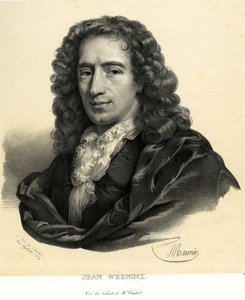
Jan Weenix
1641 - 1719 , Madalmaaad
Lühikest infot
- Artistic Movement Or Style: Hollandi barokk
- Artists Or Movements Influenced By This Artist: ['Maria Weenix']
- Artists Who Influenced This Artist:
- Jan Baptist Weenix
- Hendrick Vroom
- Date Of Birth: 1641
- Date Of Death: 1719
- Full Name: Jan Weenix
- Nationality: Hollandi
- Notable Artworks:
- Jahindus- ja puuviliststill life
- Stilllife jänesega
- Istuv ahv
- Valge pappg Goose
- Place Of Birth: Amsterdam, Holland
Sarnased artiklid
Abraham Hendricksz van Beyeren: Pioneering Dutch Still Life & the Banquet Tradition
Explore the captivating world of Dutch Golden Age still life with Abraham van Beyeren. Discover his innovative techniques, symbolic banquet scenes & lasting influence on art history. Learn about collecting these masterpieces.

Golden Age Reflections: Dutch Baroque Painting & Cultural Innovation
Explore the Dutch Golden Age of painting! Discover key artists like Vermeer & ter Borch, their innovative techniques, and the rich cultural context behind these Baroque masterpieces. Learn about collecting & appreciating this iconic art period.
Loomade sümboolika kunstis ja interjöörides: Ajalooline mõju ruumikujundusele
Avastage loomade rikkalik sümboolika kunstis ja interjöörides! Ajaloolised tähendused, erinevad ajastud ning mõju ruumikujundusele. Eksperdi nõuanded OriginalUniqueArt-lt.

Jan Jansz Wijnants: A Study in Dutch Golden Age Still Life & Floral Transience
Explore the captivating world of Jan Wijnants and Dutch Golden Age still life painting. Discover symbolism, masterful techniques & lasting influence on floral art history. Learn more!

Dutch Baroque Masters: 10 Paintings That Shaped an Era | OriginalUniqueArt
Journey through the Golden Age with our guide to the Top 10 Dutch Baroque masterpieces! Explore iconic paintings by Rembrandt, Vermeer & Frans Hals. Find museum-quality art reproductions and elevate your home decor at OriginalUniqueArt.com.

