
 Eelvaade
 Saada
Saada Jaga
Jaga
 Teave teose kohta
 Juhend

 Laadi alla
 Sarnased teosed
 Röntgenuuring
 Slaidietendus
 KÜSIMUSED JA VASTUSID
 Statistika
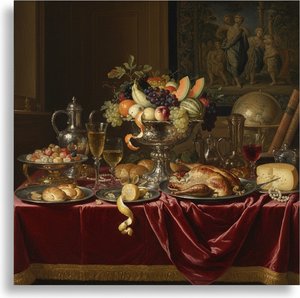
Fruit Still-Life

- 50.0 x 42.0 cm


 Loe lähemalt
Giclée / Kunstiprint
Muuseumikvaliteediga giclée- või kangasprint kiire tootmisega ja paindlikud viimistlusvõimalused. ( Osta käsitsi maalatud teos Lülita digitaalse pildi juurde)




P118B €10

P118H €10

P118W €10

P438Z €10

P508JH €12

P508YH €12

P805H €10

P805Z €10

P919BZ €10

P919G €10

P919XJ €10

P959ZH €10

P968JZ €12

W106C €8

W218G €10

W218JH €8

W218Y €10

W307PJ €10

W316G €10

W316PJ €8

W316Y €10

W398PJ €8

W4111J €10

W500HY €15

W500JH €15

W692G €12

W849H €8

W940BG €15

W953PJ €8




Vali meie eelmääratud suurused, mis vastavad teose algupärastele proportsioonidele.

Sisestage vajalik laius ja kõrgus, et see sobiks teie raamile või seinale. Trükki saab ainult lõigata, seda ei saa kunagi pildist suuremaks teha, seega ka erineva mustega suurus kaotab osa pildist. Enne trükkimist saadame teile kinnitamiseks digitaalse näidisprojektsiooni. Sellel lehel näidatud pilt ei kujuta reaalset lõiget — seda näitab ainult näidisprojektsioon.
Ülemaailmne tarne () 2 nädala jooksul, tavalise 4/5 nädala asemel. (8 november)

Tasuta ekspresssaatmine üle maailma

Kõrgekvaliteediline lina-kangas

Täielik transpordikindlustus

Tollimaksude tagastamise garantii

Värvitoime täpsuse garantii

100 päeva tagastusõigus (ainult valmistusdefektide korral)

100% raha tagasi garantii

Hulgusoodustus
 Klaasivalik on saadaval ainult kuni 110 cm suuruses teostes

Fruit Still-Life
Giclée / Kunstiprint
Reproduktsiooni suurus
-


Koguhind
€ 72
A Symphony of Color and Light: Jan van Huysum’s “Fruit Still-Life”
Jan van Huysum's "Fruit Still-Life," painted around 1728, isn’t merely a depiction of produce; it’s an immersive experience. This remarkable work, housed within the Rijksmuseum in Amsterdam, exemplifies the pinnacle of Dutch Golden Age still life painting – a genre where meticulous observation and masterful illusionism converged to create breathtakingly realistic and emotionally resonant scenes. More than just a collection of fruits and flowers, it's a testament to van Huysum’s extraordinary ability to capture not only their appearance but also their inherent vitality and the play of light upon them.
The painting immediately draws the eye with its profusion of color – deep ruby reds of ripe cherries and apples, the vibrant yellows of peaches and apricots, and the cool greens of grapes and leafy vines. These aren’t simply painted colors; they possess a remarkable luminosity, achieved through van Huysum's innovative use of oil paint on copper. This technique allowed for an unparalleled level of detail and brilliance, mimicking the way light would naturally interact with these textures. The background, rendered in a warm, earthy brown, serves as a sophisticated foil, intensifying the impact of the vibrant foreground elements.
The Master’s Technique: Illusion and Detail
Van Huysum was renowned for his technical virtuosity, a skill honed under the tutelage of his father, Justus van Huysum the Elder – another accomplished flower painter. This lineage instilled in him not only an understanding of botanical accuracy but also a deep appreciation for the art of illusion. He didn’t simply paint what he saw; he painted what he *felt* was there, creating a sense of depth and volume that transcends the two-dimensional surface. Notice how the individual petals appear to curl and unfold, the droplets of moisture clinging to the fruit, and the delicate veins running through the leaves – all rendered with astonishing precision.
The use of chiaroscuro—the dramatic contrast between light and shadow—is particularly noteworthy. Van Huysum masterfully employs this technique to sculpt the forms, creating a sense of three-dimensionality that makes the still life feel almost tangible. The shafts of light, seemingly originating from an unseen source, illuminate specific areas, drawing the viewer’s eye across the composition and highlighting the textures and colors of each element.
Symbolism and Context: A Dutch Golden Age Masterpiece
"Fruit Still-Life" is deeply rooted in the artistic conventions of its time. During the Dutch Golden Age (roughly 1600-1700), still life painting gained prominence as a genre, often imbued with symbolic meaning. Fruits and flowers weren’t just decorative elements; they frequently represented virtues, vices, or even religious concepts. While the precise symbolism within this particular piece may be open to interpretation, it's likely that van Huysum incorporated elements of abundance, fertility, and the fleeting beauty of nature – themes central to Dutch culture at the time.
Furthermore, the inclusion of a landscape element in the background—a subtle suggestion of architecture or a distant vista—adds another layer of complexity. This technique, common in Dutch still life painting, served to create a sense of space and depth, grounding the composition within a broader context. It’s a reminder that even in a seemingly simple depiction of fruit and flowers, van Huysum was engaging with complex artistic traditions and philosophical ideas.
A Legacy of Blossoms: Van Huysum's Enduring Appeal
Jan van Huysum’s legacy extends far beyond his technical skill. He elevated still life painting to a new level of artistry, capturing not just the appearance but also the essence of the natural world. His works continue to captivate viewers with their vibrant colors, exquisite detail, and profound sense of beauty. Reproductions like those offered by OriginalUniqueArt.com allow us to appreciate this remarkable artist’s genius and bring his luminous floral arrangements into our homes, offering a timeless connection to the artistic richness of the Dutch Golden Age.
Korduvad küsimused
Kuidas kontrast ja harmonii "Fruit Still-Life" teoses ühes tuttuvad?
Teose „Fruit Still-Life“, autor Jan Van Huysum värvikompositsioon ühendab endas Balanced kontrasti ja Balanced Harmony harmooniat.
Kuidas teose "Fruit Still-Life" motiiv seobub Jan Van Huysum tavalistega teemadega?
Jan Van Huysum dokumenteeritud teemade — floral abundance, dutch golden age, symbolic fruit, classical elements, van huysum’s signature style”, “detailed realism, baroque precision”, family legacy — seas paneb teos "Fruit Still-Life" erilist tähelepanu teemadel fruit, flowers, composition, copper, van huysum, baroque, dutch golden age, detail.
Kas "Fruit Still-Life" on üks Jan Van Huysum populaarsemaid teoseid?
Teose „Fruit Still-Life“, autor Jan Van Huysum populaarsusaste on Iconic. See klassifikatsioon peegeldab teose tuntust ja tunnustust.
Kunstniku elulugu
Jan van Huysumi Pärand: Elu ja Kunst Hollandi Kuldajastul
Jan van Huysum, nimi mis on sünonüüm Hollandi Kuldajastu imeliste lillemaalidega, sündis Amsterdamis 15. aprillil 1682. aastal. Ta ei olnud pelgalt õite maalija; ta oli illusiooni meister, võimeline renderdama õlepetaali ja tilkume nii hingekütava realismiga, et vaatajad tundsid, justkui saaksid nende lõhna sisse hingata. Sündinud kunstilises peres – tema isa, Justus van Huysum Vanem, oli samuti austatud lillemaalija ning tema vennad Jacob ja Michiel järgisid sama rada – näis Jani tee ette määratud. Kuid ta ei olnud kohe floralistide teemadele tõmbuv. Karjääri alguses katsetas ta maastikke, mida on kirjeldatud kui “konventsionaalseid ja idüllilisi”, kuid just delikaatses still-elu maailmas õitses tema tõeline geenius.
Van Huysumi kunstilise hariduse alused pani tema isa, oluline kogemus, mis andis talle mitte ainult tehnilised oskused, vaid ka arusaama kunstiturust. Amsterdam oli sel perioodil elav kaubandus- ja kultuurikeskus, soodustades luksuslike ja dekoratiivsete maalide nõudlust, näiteks uhkete lillekompositsioonidega. See keskkond kujundas Van Huysumi lähenemist; ta ei kopeerinud lihtsalt loodust, vaid lõi idealiseeritud ilu visioone, mille eesmärk oli rõõmustada ja muljet avaldada. Tema varaseim dateeritud teos, mis valmis 1717. aastal ja asub nüüd Louvre'is, näitab juba tähelepanuväärset küpsust ja detailitäpsust, vihjates tulevastele meistriteostele.
Detaili Kunst: Tehnika ja Stiil
Mis teeb Van Huysumi tõeliselt eriliseks, on tema võrreldamatu tehnika. Ta kasutas siledaid, läikivaid pintslijooni, ehitades üles värvikihte, et luua peaaegu emailitaoline pind, mis täiustas tema värvide rikkust ja elavust. Kuid tegemist ei olnud ainult värviga; tegemist oli valgusega – viisiga, kuidas see mängis õlepetaalidel, valgustas lehtedel olevaid veetilku ning lõi sügavuse ja mahu tunde. Tal oli erakordne silm detailidele, hoolikalt tabades iga lille, puuvilja ja lehe tekstuurid hämmastava täpsusega. Ringles lugusid, et ta suutis maalida detaile nagu sipelgad ja kastepiisad nii realistlikult, et need olid nähtavad ilma suurendusklaasita – tunnistus tema pühendumisest ja oskustest.
Van Huysumi kompositsioone iseloomustab rafineeritud elegants ja tasakaal. Erinevalt mõnedest kaasaegsetest kunstnikest, kes soovisid tihedaid, ülekoormatud kompositsioone, vältis ta järjekindlalt tasakaalumatust või liigkomplekssust. Tema hilisemad teosed said kindlasti keerukamad, kuid säilitasid alati harmoonia ja graatsia tunde. Ta lisas sageli oma töödesse fantaasia elemente, eriti tema maastikele, mis sisaldasid kujuteldavaid stseene klassikaliste arhitektuuridetailidega ja liikumatute puudega. Need ei olnud katsetused topograafilise täpsuse saavutamiseks, vaid pigem evokatiivsed sätted, mille eesmärk oli esile tõsta lillede ilu.
Õitsev Kuulsus: Peateosed ja Pärand
Kogu oma elu vältel nautis Jan van Huysum märkimisväärset tunnustust ja finantsilist edu. Tema maale otsiti innukalt kollektsionääride poolt ning ta nõudis nende eest kõrgeid hindu. Tänapäeval võib tema meistriteoseid leida prestiižsetes muuseumides üle maailma, sealhulgas Louvre's Pariisis, National Gallery's Londonis ja kogudes Berliinis ja Amsterdamis. Tema tuntuimad teosed on Terracotta Vase with Flowers and Fruits, hämmastav värvi ja tekstuuri näitus; Flowers and Fruits, mis demonstreerib tema kompositsiooni valdamist; ning Bouquet of Flowers in an Urn, tunnistus tema võimest tabada looduse kaduva ilu.
Van Huysumi mõju ulatas üle tema enda aja, inspireerides põlvkondi kunstnikke. Maalijad nagu Jan van Os ja Johannes de Bosch näitavad selgelt tema mõju hilisematele lille-still-elu traditsioonidele. Ta esindab Hollandi Kuldajastu lillemaali tippu, perioodi, mida iseloomustas looduse hoolikas tähelepanek ja ilu tähistamine. Tema pärand ei piirdu lihtsalt arvukate maalidega, mille ta on loonud, vaid ka tema stiili kestva võlu – stiiliga, mis jätkab kunstnike inspireerimist ja publikut lummas tänapäevalgi. Tema töö jääb võimsa meeldetuletusena kunstilisest oskustest, mida nõuab hetkelise looduse ilu muutmiseks ajatuks kunstiteoseks.
Perekondlikud Sidemed & Kunstiline Sugupuu
- Justus van Huysum Vanem (1659–1716): Jani isa, viljakas lillemaalija ja dekoratiivsete skeemide maalija.
- Jacob van Huysum (1688–1740): Jani vend, samuti silmapaistev kunstnik, kes on spetsialiseerunud botaanilistele illustratsioonidele.
- Justus van Huysum Noorem (1685-1707): Veel üks Jani vend, kes pühendus maalimisele, kuid suri noorelt.
- Michiel van Huysum (1703–1777): Poolvend, samuti lillemaalija.
- Francina Margaretha van Huysum: Jani tütar, kes aitas teda tema töös ja oli ise osav lillemaalija.
Van Huysumi perekond esindab tähelepanuväärset kunstilist sugupuud, mis andis olulise panuse Hollandi Kuldajastu maalikunstirikka kanga. Jan paistab aga silma kõige tuntuima liikmena, jättes kustumatu jälje kunsti ajalukku oma imeliste ja kestvate lillemeistriteostega.

Jan Van Huysum
1682 - 1749 , Eesti
Lühikest infot
- Artistic Movement Or Style: Hollandi kuldajastu, still-elu
- Artists Or Movements Influenced By This Artist:
- Jan van Os
- Johannes de Bosch
- Artists Who Influenced This Artist: ['Justus van Huysum']
- Date Of Birth: 15. aprill 1682
- Date Of Death: 8. veebruar 1749
- Full Name: Jan van Huysum
- Nationality: Hollandlane
- Notable Artworks:
- Terracotta Vase with Flowers
- Flowers and Fruits
- Bouquet of Flowers in an Urn
- Place Of Birth (City And Country): Amsterdam, Holland
Sarnased artiklid

Hollandi Kuldaja Särgas Kunstipärit: 10 Meisterteost Sinu Koduks
Sukeldu Hollandi Kuldaja kunstivorme! Avasta 10 ikoonilist meistriteost – Rembrandt, Vermeer jt. - ning nende ajatu loojatööd. Leia inspiratsiooni interjöörile ja kaunista kodu OriginalUniqueArt.com kvaliteetsete reproduktsioonidega. Uuri kollektsiooni!
Abraham Hendricksz van Beyeren: Pioneering Dutch Still Life & the Banquet Tradition
Explore the captivating world of Dutch Golden Age still life with Abraham van Beyeren. Discover his innovative techniques, symbolic banquet scenes & lasting influence on art history. Learn about collecting these masterpieces.

Golden Light & Dutch Skies: The Timeless Magic of Dutch Golden Age Landscapes
Discover the breathtaking beauty of Dutch Golden Age landscapes. Explore the mastery of light, chiaroscuro, and 17th-century realism through an expert art history lens, celebrating the enduring legacy of the Dutch Masters for discerning collectors and art lovers.

Jan Jansz Wijnants: A Study in Dutch Golden Age Still Life & Floral Transience
Explore the captivating world of Jan Wijnants and Dutch Golden Age still life painting. Discover symbolism, masterful techniques & lasting influence on floral art history. Learn more!

Rembrandti 25 meistriteost: Valgus ja varjud Hollandi kuldajast kunstikollektsioonis
Avastage Rembrandti 25 meistriteost! Hollandi kuldajastu barokkmaalid, portreed ja ajaloolised stseenid. Leidke inspiratsiooni interjööri kujunduseks või soetage luksuslik Rembrandt reproduktsioon OriginalUniqueArt.com-ist. Avastage kogu kollektsioon veebis!