
 Eelvaade
 Saada
Saada Jaga
Jaga
 Teave teose kohta
 Juhend

 Laadi alla
 Sarnased teosed
 Röntgenuuring
 Slaidietendus
 Q&A
Q&A Statistika
Hunters at Rest

- 51.0 x 74.0 cm


 Loe lähemalt
Giclée / Kunstiprint
Muuseumikvaliteediga giclée- või kangasprint kiire tootmisega ja paindlikud viimistlusvõimalused. ( Osta käsitsi maalatud teos Lülita digitaalse pildi juurde)




P118B €10

P118H €10

P118W €10

P438Z €10

P508JH €12

P508YH €12

P805H €10

P805Z €10

P919BZ €10

P919G €10

P919XJ €10

P959ZH €10

P968JZ €12

W106C €8

W218G €10

W218JH €8

W218Y €10

W307PJ €10

W316G €10

W316PJ €8

W316Y €10

W398PJ €8

W4111J €10

W500HY €15

W500JH €15

W692G €12

W849H €8

W940BG €15

W953PJ €8




Vali meie eelmääratud suurused, mis vastavad teose algupärastele proportsioonidele.

Sisestage vajalik laius ja kõrgus, et see sobiks teie raamile või seinale. Trükki saab ainult lõigata, seda ei saa kunagi pildist suuremaks teha, seega ka erineva mustega suurus kaotab osa pildist. Enne trükkimist saadame teile kinnitamiseks digitaalse näidisprojektsiooni. Sellel lehel näidatud pilt ei kujuta reaalset lõiget — seda näitab ainult näidisprojektsioon.
Ülemaailmne tarne () 2 nädala jooksul, tavalise 4/5 nädala asemel. (2 november)

Tasuta ekspresssaatmine üle maailma

Kõrgekvaliteediline lina-kangas

Täielik transpordikindlustus

Tollimaksude tagastamise garantii

Värvitoime täpsuse garantii

100 päeva tagastusõigus (ainult valmistusdefektide korral)

100% raha tagasi garantii

Hulgusoodustus
 Klaasivalik on saadaval ainult kuni 110 cm suuruses teostes

Hunters at Rest
Giclée / Kunstiprint
Reproduktsiooni suurus
-


Koguhind
€ 71
A Moment of Stillness in the Baroque Wild
In the heart of Jan Miel’s Hunters at Rest, time seems to suspend itself, offering a rare glimpse into a world where the vigor of the hunt meets the profound quietude of repose. Painted during the mid-17th century, this masterpiece serves as more than a mere depiction of a break in activity; it is a carefully orchestrated symphony of light and shadow that captures the very essence of the Flemish Baroque. As the hunters gather around the rugged, stone architecture of a fortified tower, the viewer is invited into a scene that balances the raw energy of the outdoors with an intimate, almost domestic sense of camaraderie. The painting does not merely show us a group of travelers; it transports us to a period where every rustle of a cloak and every flicker of light against a hound’s coat tells a story of life lived in close connection with the natural world.
The technical brilliance of Miel is most evident in his masterful use of chiaroscuro. Through a sophisticated layering of oil on canvas, the artist directs our gaze with surgical precision. A warm, inviting glow—perhaps emanating from a nearby hearth—bathes the faces of the hunters, highlighting the textures of their period attire, from the heavy folds of red cloaks to the rugged leather of their boots. This warmth stands in dramatic opposition to the cool, encroaching shadows that cling to the ancient stone walls and the distant, rolling hills. Such contrast does more than create depth; it establishes a psychological landscape, suggesting that even amidst the vastness of the wilderness, there exists a sanctuary of light and human connection.
The Spirit of the Bamboccianti
To understand the soul of this work, one must look to the Bamboccianti, the spirited collective of Northern artists working in Rome who found beauty in the everyday. Miel, a prominent figure in this movement, moved away from the lofty, idealized subjects of high history painting to embrace the rustic virtue of the lower classes and the unvarnable reality of street and field life. In Hunters at Rest, we see this stylistic choice manifest as a celebration of the humble and the authentic. The presence of well-tended horses, loyal hunting dogs, and the weathered textures of the landscape imbues the canvas with a sense of tactile reality that is deeply grounding.
For the discerning collector or interior designer, this painting offers an unparalleled opportunity to introduce a sense of historical grandeur and narrative depth into a space. The composition, which flows gracefully from the detailed foreground figures toward the airy, bird-filled sky in the distance, provides a sense of movement that can breathe life into a room. Whether placed in a library filled with leather-bound volumes or as a focal point in a contemporary hall, the artwork acts as a window into a bygone era of elegance and ruggedness. It is a piece that does not merely decorate a wall; it commands the atmosphere, inviting contemplation on the fleeting nature of action and the enduring beauty of rest.
Korduvad küsimused
Milline kunstnik ja milline stiil seisavad teose "Hunters at Rest" taga?
Teose "Hunters at Rest" taga on kunstnik Jan Miel ja Baroque suundumus.
Kas saan teose "Hunters at Rest" näha täiskuunil slideshowina?
Saadaval on diavorama: „Hunters at Rest“, autor Jan Miel teose Pildikava leht.
Kui palju valgust tundub teose "Hunters at Rest" värvid peegeldavat?
Teose „Hunters at Rest“, autor Jan Miel luminants on Gentle Luminance.
Kunstniku elulugu
Jan Miel: Sild hollandi realismistlikkuse ja barokklassitsismi vahel
Jan Miel (1599–1663) astub esile kui võtmetäht XVII sajandi kunstimaastikul, sümboliseerides flamiimse traditsiooni ja itaalse uuenduste hämmastavat kokkupõllemist. Sündinud Belgias Beverenis — kuigi Antverp ja 's-Hertogenbosch on samuti võimalikud sünnupaigad — on Mieli varajane elu jäänud võlgtuule ette pühendatud hämarusse, jättes biograafilised detailid harvaks ajaks. Siiski paljastab teaduslik uurimine suurepärase kunstilise teekonna, mida isvestavad stiililine areng ja koostööprojektid, mis kinnistasid tema koha Rooma ja Torino vibrantses kultuurikeskkonnas.
Tema kujunendusvuodet veeti peamiselt Antverpis, kus ta imeles endasse tippmeisterite, nagu Anthony van Dycki, mõjud. Kuigi tema õppetöö täpne ulatus on ebaselge, installeeris see temasse kindlasti austuse täpsele jälgimisele ja rafineeritud tehnikale — omadused, mis isvestasid suuri osi tema hilisemas loomingul. See klassikalise joonistamise ja portreemaalide alus tuvastas vajaliku tööriistajaakule, mis lõpuks ületas piirkondlikud piirid.
Rooma transformatsioon ja Bamboccianti vaim
Mieli saabumine Rooma umbes aastal 1636 märkis murdelikku hetki tema kunstilises trajektööris. Ta liitus kiiresti Bentvueghels seltsiga, mis oli mõjuva hollandi ja flamiimse kunstnike ühendus Igavesti linnas. Selles vennaskonnas võttis ta endale meeldejääva nime „bieco”, mis peegeldas tema eripärast silmakäärdust — omadust, sellest saabus tema kunstiline alter ego. See kuuluvus lois sügavale sidust laiemale kunstikeskkonnale, mida mõjutas tugevalt Pieter van Laeri Bamboccianti stiil.
See suundumine oli pühendunud Roma ja selle ümbruse madala klassi igapäevase elu kujutamisele, vältides Kõrgsõja renessanssi ideaalset suurmeedlust, et pakkuda midagi palju viskeraalsemat ja vahetut. Miel omakasutas seda suundumist kogu südamega, luues lummavaid žanrimaleed, mis tabasid linnatema elu vaimu märkimisväärse realismi ja tundlikkusega. Tema teosed sisaldasid sageli:
- Elusat tänavakohtasid, kus liiguavad reisijad, kaupilased ja töölised.
- Meistralikku valguskasutust, et tekitada Rooma katusest ja päikesest ujutatud alleede tolmune atmosfäär.
- Inimlikkuse peenud vaheldus tihedates ja kaoslikotes keskkondades.
- Detailset tähelepanu kangaste, kivi ja mulda tekstuuridele.
Evolutsioon klassitsismi ja õukondliku suurmeelus suunas
Tema karjääri edenedes läbis Mieli kunstiline visioon märkimisväärse metamorfoosi. Kuigi ta säilis žanrimaleede meistrina, hakkas ta lahkumis tegema Bambocciati karastatud realismist suunates end paremat klassitsistlikke ajaloomaleed. See muutus peegeldas laiemat trendi Euroopa kunstis, kus baroki toores energi see sai üha enam kontrollitud järjekorduse, ülevususe ja klassikalise alegoria sooviga.
See areng tõi teda lõpuks prestiežsete ametikohtade juurde, kõige enam aga teenimisele õukonnakunstnikuna Savooi hertogi Charles Emanuel II juures. Torino õukonna teenistuses võttis Mieli töö vastu suurema formaalsuse ja hiilgab kuju. Tema varasemate Rooma koode intimus annet lõtkus suurema skaala ja keerukusega kompositsioonidele, mis olid loodud peegeldama tema kuningliku patroonide võimu ja prestiiži. See periood kujutab tema professionaalset saavutust äärmisel tasemel, kus tema flamiimiline täpsus kohtus Euroopa aristokraatide nõudlikke suurepäraste narratiividega.
Jan Mieli ajalooline tähtsus peitub tema võimes navigeerida nendes erinimelistes maailmades. Ta oli kunstnik, kes leidis ilu Rooma tänavapoala vaeva ja väärikuse antiigi eepilistes lugudes. Sild kiskudes põhjamere täpsa realismi ja lõuna riiktliku klassitsismi vahel, jättis Miel oma jälje XVII sajandi kunstikanonile, tagades oma pärandi kui tõelise baroki ajastu kosmopoliitina.

Jan Miel
1599 - 1663 , Belgia
Lühikest infot
- Artistic Movement Or Style: Bamboccianti, klassitsism
- Artists Or Movements Influenced By This Artist: ['Pieter van Laer']
- Artists Who Influenced This Artist: ['Anthony van Dyck']
- Date Of Birth: 1599 Beveren, Belgia
- Date Of Death: 1663
- Full Name: Jan Miel
- Nationality: Flandria
- Notable Artworks:
- Maalismann kahe pulga vahelisele võitlustule
- Rooma wapekohus koos hasujate mänguga
- Place Of Birth: Beveren, Belgia
Sarnased artiklid

Mastering Drama and Light: A Definitive Guide to the Flemish Baroque Art Movement
Explore the dramatic brilliance of the Flemish Baroque movement. Discover how masters like Peter Paul Rubens utilized chiaroscuro and dynamic composition to redefine art history through light, shadow, and unparalleled emotion.

Baroki draama ja luksus: Kuidas ajalooline elegants kaasaegsesse interjööri tuua
Avastage baroki maalide võlu OriginalUniqueArt'is! Käsitsi valmistatud reproduktsioonid, fotodest maalid ja ekspertkonsultatsioonid. Toome ajaloolise elegantsi Teie interjööri. Kvaliteet garanteeritud!

The Visceral Stage: Exploring Dramatic Narratives & Emotional Intensity in Baroque Art
Explore the dramatic world of Baroque art! Discover iconic masters like Caravaggio & Rembrandt, their techniques, and the movement's lasting impact. Expert insights for collectors & enthusiasts at OriginalUniqueArt.
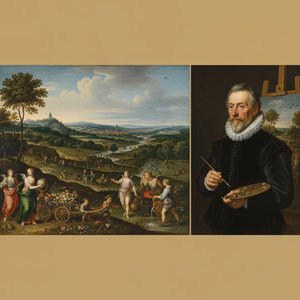
Jan Brueghel the Elder: A Master of Flemish Landscape & Allegory – Exploring Innovation & Influence
Explore the captivating world of Jan Brueghel the Elder, a Flemish Baroque master renowned for his stunning landscapes & allegorical paintings. Discover his collaborations with Rubens and lasting artistic legacy.

The Dramatic Flourish: Exploring the Baroque Movement's Enduring Legacy in Art History
Explore the dramatic world of Baroque art! Discover iconic artists like Caravaggio & Rubens, defining techniques, and its lasting impact on art history. Expert insights for collectors & enthusiasts at OriginalUniqueArt.