

 Eelvaade
 Saada
Saada Jaga
Jaga
 Teave teose kohta
 Juhend

 Laadi alla
 Sarnased teosed
 Röntgenuuring
 Slaidietendus
 Q&A
Q&A Statistika
An Unknown Woman
 Oil On Canvas
- WallArt
- Romantic Landscape
 1811
1811 76.0 x 65.0 cm
 Yale Center for British Art
 Loe lähemalt
Giclée / Kunstiprint
Muuseumikvaliteediga giclée- või kangasprint kiire tootmisega ja paindlikud viimistlusvõimalused. ( Osta käsitsi maalatud teos Lülita digitaalse pildi juurde)




P118B €10

P118H €10

P118W €10

P438Z €10

P508JH €12

P508YH €12

P805H €10

P805Z €10

P919BZ €10

P919G €10

P919XJ €10

P959ZH €10

P968JZ €12

W106C €8

W218G €10

W218JH €8

W218Y €10

W307PJ €10

W316G €10

W316PJ €8

W316Y €10

W398PJ €8

W4111J €10

W500HY €15

W500JH €15

W692G €12

W849H €8

W940BG €15

W953PJ €8




Vali meie eelmääratud suurused, mis vastavad teose algupärastele proportsioonidele.

Sisestage vajalik laius ja kõrgus, et see sobiks teie raamile või seinale. Trükki saab ainult lõigata, seda ei saa kunagi pildist suuremaks teha, seega ka erineva mustega suurus kaotab osa pildist. Enne trükkimist saadame teile kinnitamiseks digitaalse näidisprojektsiooni. Sellel lehel näidatud pilt ei kujuta reaalset lõiget — seda näitab ainult näidisprojektsioon.
Ülemaailmne tarne () 2 nädala jooksul, tavalise 4/5 nädala asemel. (29 oktoober)

Tasuta ekspresssaatmine üle maailma

Kõrgekvaliteediline lina-kangas

Täielik transpordikindlustus

Tollimaksude tagastamise garantii

Värvitoime täpsuse garantii

100 päeva tagastusõigus (ainult valmistusdefektide korral)

100% raha tagasi garantii

Hulgusoodustus
 Klaasivalik on saadaval ainult kuni 110 cm suuruses teostes

An Unknown Woman
Giclée / Kunstiprint
Reproduktsiooni suurus
-


Koguhind
€ 71
A Portrait of Quiet Longing: Unveiling James Ward’s “An Unknown Woman”
James Ward's "An Unknown Woman," painted in 1811, isn’t merely a depiction of a woman; it’s a poignant study in unspoken desire and the bittersweet ache of unrequited affection. This intimate portrait, rendered in oil on canvas with meticulous detail, captures a moment suspended between observation and yearning – a silent narrative whispered across time. Ward, a key figure in 19th-century British art, skillfully blended influences from his brother-in-law, George Morland, with the burgeoning Romantic sensibility of the era, creating an image that resonates with both classical grace and emotional depth.
The subject, identified only as “An Unknown Woman,” is seated in a simple chair, her gaze directed towards the viewer – a direct address that immediately establishes a connection. Her attire, a modest yellow dress adorned with a delicate white lace collar and a bonnet, speaks to the social conventions of the period while simultaneously hinting at an underlying vulnerability. The background, subtly rendered with two chairs and a potted plant, provides context without distracting from the central figure. Notice the careful attention to light and shadow; Ward masterfully employs chiaroscuro – the dramatic contrast between light and dark – to sculpt the woman’s face and create a sense of depth and mystery.
The Romantic Palette: Technique and Artistic Influence
Ward's technique is characterized by a remarkable level of realism tempered with an expressive use of color. He employs a restrained palette, dominated by muted earth tones – ochres, browns, and greys – that lend the scene a sense of quiet dignity. However, subtle touches of yellow in the dress and hints of green in the foliage introduce warmth and vitality. The brushwork is smooth and refined, reflecting Ward’s meticulous approach to detail. The painting's composition—the woman centered within the frame, her gaze fixed on the viewer—is a deliberate choice designed to draw the eye and invite contemplation. It echoes the conventions of portraiture while simultaneously imbuing the image with an emotional charge.
Ward’s artistic development is particularly fascinating. Initially influenced by Morland's genre scenes, he gradually transitioned towards more ambitious landscapes and portraits, absorbing elements from artists like Benjamin West and Thomas Lawrence. “An Unknown Woman” represents a pivotal moment in his career, showcasing his growing mastery of psychological portraiture and his ability to convey complex emotions through subtle gestures and expressions.
Symbolism and the Unspoken Narrative
Beyond its technical merits, "An Unknown Woman" is rich in symbolic meaning. The woman’s averted gaze suggests a guardedness, a reluctance to fully reveal her thoughts or feelings. Her posture—seated calmly yet with an air of quiet intensity—hints at a deep well of emotion. The painting invites us to speculate about her story: who is she? What has brought her to this moment of contemplation? The lack of explicit narrative allows the viewer to project their own experiences and emotions onto the image, transforming it into a mirror reflecting our own desires and vulnerabilities.
Furthermore, the title itself—"An Unknown Woman"—underscores the painting’s central theme: the power of unspoken longing. It speaks to the universal human experience of unfulfilled affections and the poignant beauty of moments that remain forever shrouded in mystery. The image resonates with a timeless quality, capturing a fleeting glimpse into the heart of human emotion.
A Timeless Masterpiece: Reproduction and Interpretation
Reproductions of “An Unknown Woman” offer a remarkable opportunity to experience Ward’s artistry firsthand. Whether displayed in a formal gallery setting or incorporated into a personal interior design scheme, this painting continues to captivate viewers with its quiet intensity and evocative beauty. Consider framing the reproduction in a classic style to complement the painting's historical context, or opt for a contemporary frame that adds a touch of modern flair. The image’s subtle color palette and nuanced composition make it an ideal choice for creating a serene and contemplative atmosphere.
Korduvad küsimused
Kuidas teos „An Unknown Woman“, autor James Ward seob Romantic Landscape kunstniku kodumaaga?
Teos "An Unknown Woman" ühendab oma looja sünneloolise piirkonna ja Ühendkuningriik läbi Romantic Landscape suunaga.
Kas saan teost "An Unknown Woman" lähemalt uurida?
Teose „An Unknown Woman“, autor James Ward röntgenvaade on saadaval selle Röntgenuuring lehel: see on interaktiivne pildi uurimine läbi üheksateist optilise kihti.
Millist etap James Ward loomingus teos "An Unknown Woman" esindab?
Teos "An Unknown Woman" esindab kunstniku James Ward loovperioodi Mature Period.
Kunstniku elulugu
James Ward: Elu Briti kunstis
James Ward (1769–1859) oli silmapaistev Briti maalari, kes sai tunnust oma lummavate loomaõpetuste, romantiliste maastikude ja sügavleidavate portreede eest. Kuigi ta jäi sageli oma ajast tuntumate kunstnike varju, mõjutas tema ainulaadne stiil ja oskus märkimisväärselt Briti kunsti arengut 1eks sajandiks.
Varajane elu ja õppimine
Sündinud 23. oktoobril 1769 Londonis, Ühendusriikides, oli James Ward graveeti William Wardi noorem vend. Tema varajased kunstilised kalduvused leidsid peetust loovas perekonnas. Kuigi ta sai osa ka mõneformaalsest õppimisest, oli tema areng suurelt ise suunatud ning tugevalt mõjutatud hoolikast jälglemisest ja pidevast praktikumist.
Kunstiline areng ja mõjud
Wardi karjääri jagatakse mõjudude osas tavaliselt kahte eraldi perioodi. Alguses, kuni umbes 1803. aastani, sarnanes tema töö tugevalt tema nimeka venerepoja, George Morlandi stiilile, mida iseloomustasid žanriteened ja igapäevase elu keskendumine. Pärast seda perioodi sai ta sügavalt inspireeritud baroki meistrist Peter Paul Rubensist, omandades dünaamilisema kompositsiooni, rikkalikuma värvipaleti ning dramaatilise valguse ja varju kasutuse.
Tuntud teosed ja kunstiline stiil
Wardi eriline stiil eraldas teda paljudest kaasaegsetest. Ta oli suurepärane erinevates žanrites, sealhulgas ajaloolises maalides, portreetide, maastiku- ja loomaõpetuse valdkondades. Mõned tema kõige kuulsamate teoste seas on:
- Gordale Scar (1814/1lama): Seda peetakse tema meistriteoseks; see Yorkshire'i kurvandi draamalises kujundus näitab inglise romantilismuse sublimeid omadusi.
- The Deer Stealer (1823): Theophilus Levetti tellimusel loodud maal demonstreerib Wardi oskust lugulise jutustamise ja loomade esitamises.
- John Levett hunting at Wychnor, Staffordshire (1817): Ühe tema toetaja portretist, mis näitab artisti võimet tabada nii sarnast kui ka atmosfääri.
Tema maale iseloomustab ääretult täpne detailide jäljitlemine, eriti loomade kujundamisel, mida täiendab romantilist tundlikkus, rõhutades looduse ilu ja vägevust.
Tellimused ja näitused
Ward nautis selleste prominentsete inimestega toetust nagu Theophilus Levett, mis viis arvukatellimuste tekkimiseni. Ta esitas regulaarselt oma töid Kunsti Akadeemiasse, saades tunnust oma oskuse ja originaalsuse eest. Tema liitmine akadeemia liikmesuseks aastal 1811 kinnistas tema positsiooni Briti kunstielus.
Hilinenud elu ja pärand
Ward jätkas viljakat maalamist kuni 1855. aastal toimunud insuldi kuni, mis tema karjääri kärjetas. Ta surmas 17. novembril 1859, elades oma varajase edu vastande suhtes üsna vaesuses.
Vaatamata hilisema elu finantsitundlikule raskusele, on James Wardi mõju Briti kunstile vähkemat. Tema unikaalne realismi ja romantilisuse segu avas teed tulevatele loomamaalari ja maastikukunstnike põlvkonadele. Tema teoseid hoidevad tänapäeval prestiižsed kogumused, nagu Tate Britain ja Yale Center for British Art.
Ajalooline olulisus
James Ward 차지b olulist positsiooni Briti kunsti üleminekus neoklassikast romantikule ajastule. Ta sillitas tühimiku traditsioonilise žanrimaalimise ja kasvava huviga maastiku ja naturalismi vastu, jättes endale pärandina lummavad teosed, mis jätkavad inspireerimist ja rõõmustamist.

James Ward
1769 - 1859 , Ühendkuningriik
Sarnased artiklid
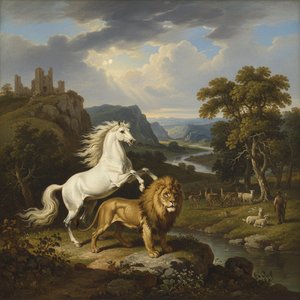
James Ward: A Study in British Romantic Landscape and Animal Painting
Explore the captivating world of James Ward (1769-1859), a master of British Romantic landscape & animal painting. Discover his iconic 'Gordale Scar' and exquisite portraits – a timeless art investment. Learn about his influences, style, and enduring legacy.

James Abbott McNeill Whistler: 25 meistriteost kunstikollektsioonis | OriginalUniqueArt.com
Avastage James Abbott McNeill Whistler'i 25 võrratut meistriteost! Sukelduge esteetilisse kunstimaailma, õppige tema maalitehnikatest ja leidke täiuslik seina kaunistus OriginalUniqueArt.com-ist. Kunstikollektsioonid & reprodutsioonid.

Dante Gabriel Rossetti 25 parimat teost: kunstiline pärand ja kodukaunistuse inspiratsioon
Avastage Dante Gabriel Rossetti 25 parimat teost! Sukeldume viktoriaanliku romantika ja Pre-Raphaelite kunstiliikumise maailma. Leidke inspiratsiooni kodukaunistuseks ning ostke kvaliteetseid Rossetti reproduktsioone OriginalUniqueArt.com-is. Avastage kogu kollektsioon online!
Sir Alfred Munnings' Masterpieces: 25 Paintings That Define Equine Art | OriginalUniqueArt
Explore 25 iconic Sir Alfred Munnings paintings! Discover the beauty of British Impressionism, equine art & rural England. Find museum-quality reproductions and elevate your home decor with OriginalUniqueArt. Explore the full collection online.
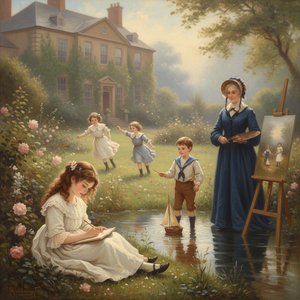
James Sant: Capturing Victorian Childhood & the Evolving Landscape of British Genre Painting
Explore the life & art of James Sant (1820-1916), renowned Victorian portraitist to Queen Victoria. Discover his captivating depictions of childhood, landscapes, and aristocratic society. Learn about his legacy & find fine art reproductions.